Scientists Create LEDs Smaller Than Light Itself
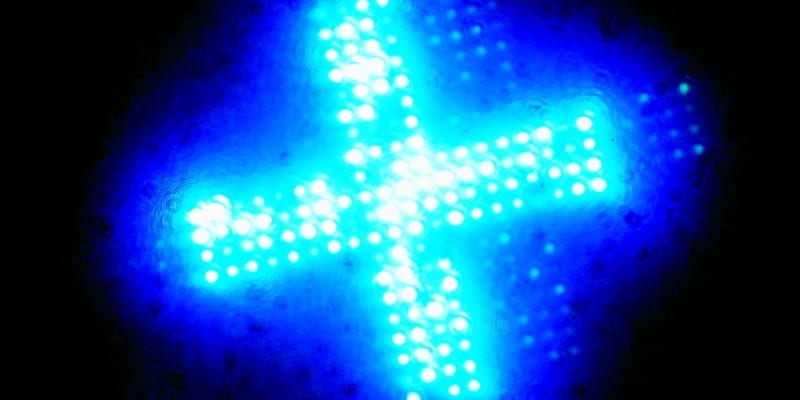
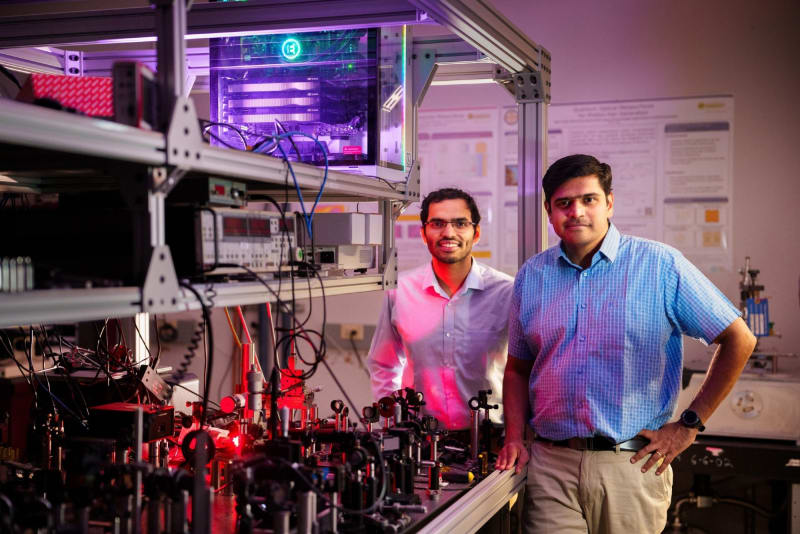
Researchers have built LEDs tinier than a single wavelength of light, opening doors to ultra-sharp VR displays and faster computer chips. The smallest pixel measures just 90 nanometers across.
Find uplifting stories about heroes, innovations, and solutions
6365 results for "micro led"

Researchers have built LEDs tinier than a single wavelength of light, opening doors to ultra-sharp VR displays and faster computer chips. The smallest pixel measures just 90 nanometers across.

Scientists at Cambridge have powered materials that can't conduct electricity, creating ultra-pure infrared LEDs that could revolutionize medical imaging and cancer detection. The breakthrough uses tiny "molecular antennas" to funnel energy into insulating nanoparticles.

China's booming "micro drama" industry is offering a lifeline to graduates struggling in a tight job market, creating 690,000 direct jobs in 2025. These bite-sized series with episodes just minutes long are transforming how young people find stable creative work.
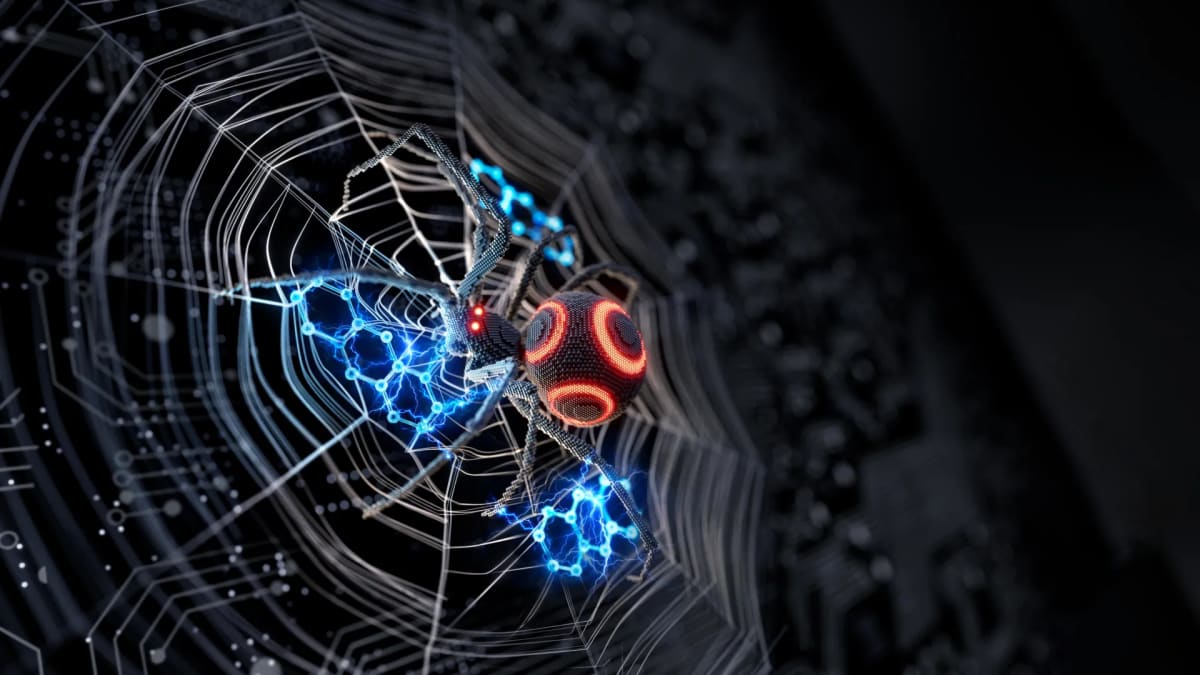
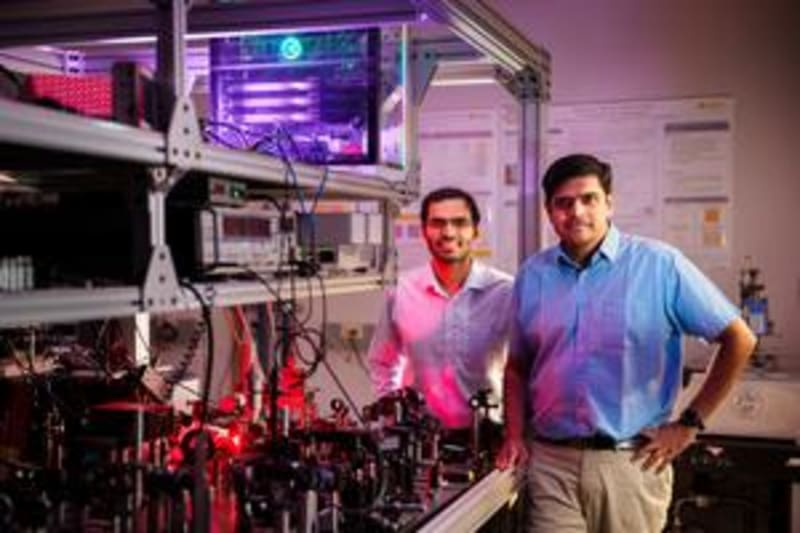
Scientists who spent years developing a way to steer LED light just watched artificial intelligence improve their best results fourfold in five hours. The self-driving lab at Sandia National Laboratories shows how AI can speed up discoveries while keeping human understanding at the center.

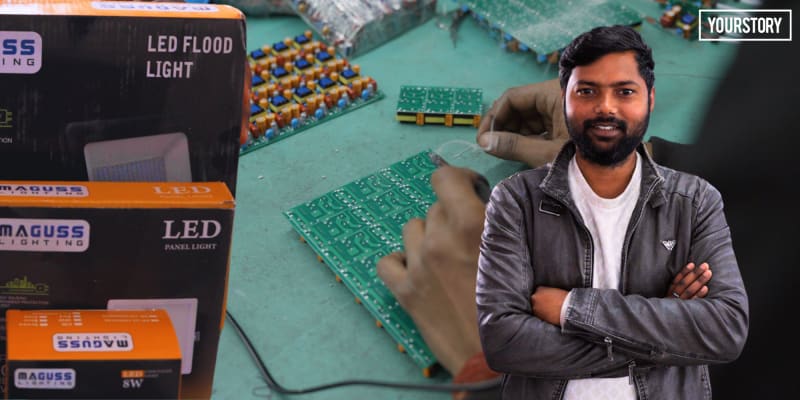
When COVID-19 shook his career, Brajmohan Kushwaha turned uncertainty into opportunity by launching his own LED lighting business. One year in, his small manufacturing company now employs six people and aims to double its revenue.

Across America, Black-led community organizations are solving climate problems from the ground up—installing water-making solar panels in South Carolina towns with toxic water, transforming vacant lots into thriving urban farms, and building training centers that teach clean energy jobs. The Solutions Project has invested over $50 million in 350 grassroots groups proving that the communities hit hardest by climate change are leading the most effective solutions.

Five grassroots organizations led by Black communities are proving climate action looks like solar-powered drinking water, flood recovery teams, urban farms, and green job training. With backing from The Solutions Project, they're building resilience where it's needed most.

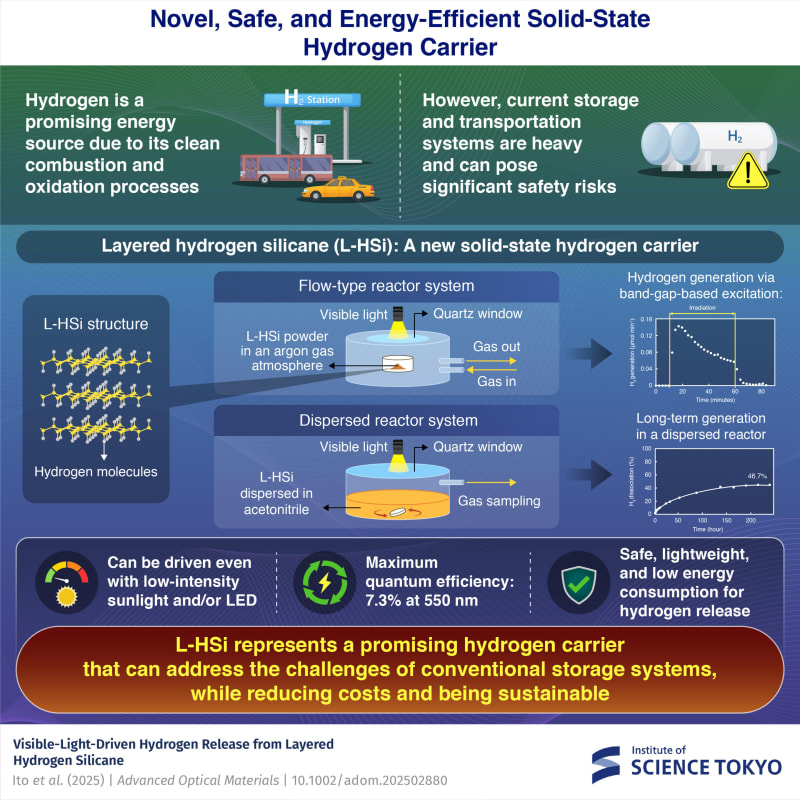
Japanese researchers created a material that safely stores hydrogen fuel and releases it simply by exposing it to sunlight or LED light. This breakthrough could solve one of clean energy's biggest challenges without heavy metals, extreme temperatures, or explosion risks.

Scientists at Cambridge University have discovered how to modify complex drug molecules using LED light instead of toxic chemicals, potentially cutting months off medicine development. The breakthrough happened by accident during a failed lab experiment.
Nigeria is ramping up support for eight million women-led businesses that generate over $15 billion annually, aiming to transform them into competitive exporters under Africa's new continental trade agreement. The move addresses a major gap where women run 40% of small businesses but receive less than 20% of formal financing.

Canada is investing $220 million to launch the first Inuit-led university and strengthen health services across Inuit communities. The funding tackles education, tuberculosis elimination, and food security in the North.
NASA's Curiosity rover just captured something special: a nighttime photo of Mars lit up by its own LED lights. The stunning image shows what the Red Planet looks like after dark, with colors more accurate than typical daytime shots.

South Korean women-led businesses just shattered records with 15% revenue growth and KRW 629 trillion in total sales, and now the government is betting big on their AI and FemTech innovations. This isn't just about equality anymore—it's become a core piece of Korea's tech strategy.

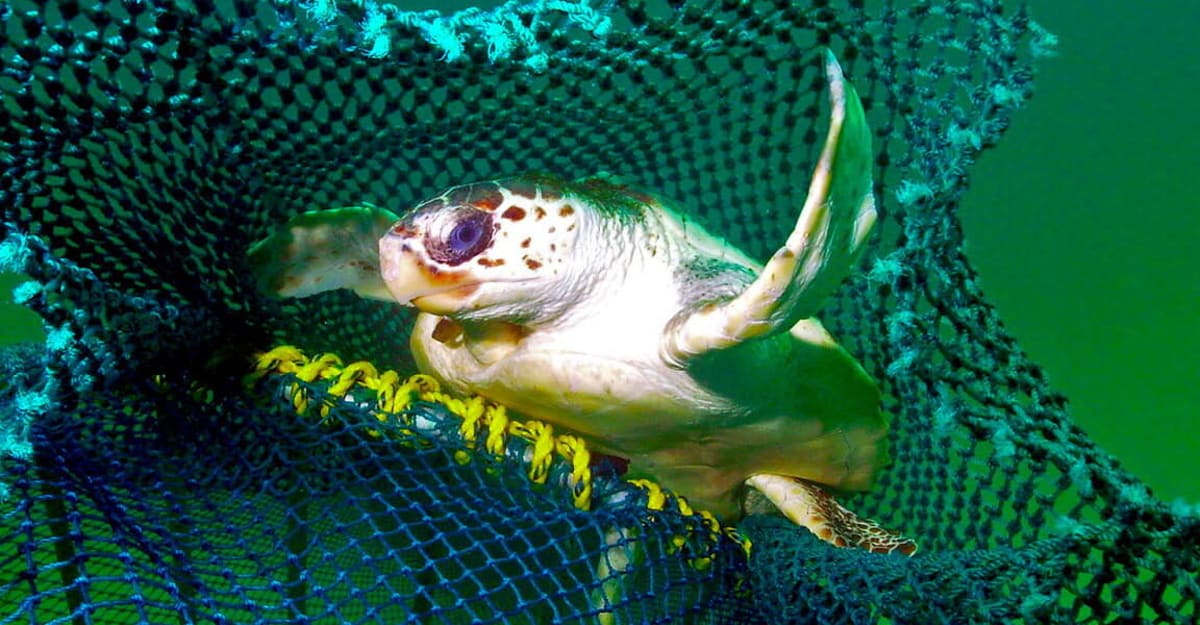
Simple LED lights attached to fishing nets are saving thousands of sea turtles from deadly bycatch, reducing deaths by up to 60% in trials. Scientists and fishermen are finally aligning around practical solutions that protect ocean wildlife without sacrificing catch.

South Africa is investing over $600 million to build a science and technology agenda designed, funded, and led by Africans themselves. The bold move aims to shift how the continent approaches innovation and engages with global partners.

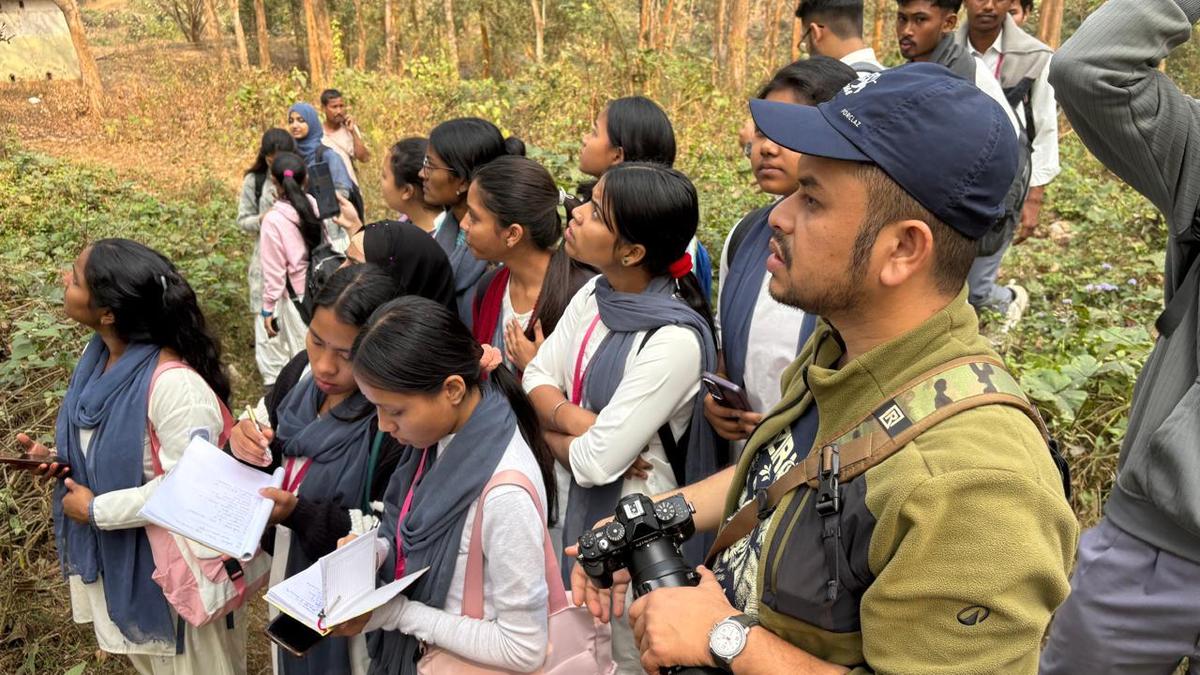
A new wave of wildlife tourism is sweeping India, where local guides and naturalists are transforming forest visits into immersive educational experiences. From tracking snow leopards in Ladakh to discovering rare turtles in Assam, these expert-led journeys are helping travelers truly understand the wild.

Scientists at Sandia National Laboratories let three AI systems run their own experiments, and the results were stunning. What took years to develop was improved fourfold in just five hours, opening new doors for cheaper, more efficient technology.

Pennsylvania is putting $15 million directly into the hands of small business owners through ten new micro-grant programs designed to help historically disadvantaged entrepreneurs start and expand. The funding reaches all 67 counties, with trusted local partners distributing grants ranging from $2,500 to $10,000.

More than 750 students gathered in Gbarnga for Liberia's first student-led chemistry symposium, showcasing hands-on science projects from water purification to sustainable agriculture. Teacher Adam Jarto Kallon organized the historic event to help students move beyond textbooks and apply science to real-world problems.

A tech journalist regrew visible hair in just eight weeks using a light therapy cap after shaving his head for 15 years. The science-backed device uses specific red-light wavelengths to wake up dormant follicles.
Showing 20 of 6365