
India Hospital Launches Breath Test for Stomach Infections
A hospital in Tiruchi, India just made diagnosing a common stomach infection as simple as breathing into a device. The new test detects H. pylori bacteria without invasive procedures.
Find uplifting stories about heroes, innovations, and solutions
15047 results for "non-invasive testing"
A hospital in Tiruchi, India just made diagnosing a common stomach infection as simple as breathing into a device. The new test detects H. pylori bacteria without invasive procedures.

Scientists in India have developed a tiny sensor that detects diabetes through a single breath, no painful blood tests needed. The device runs without batteries and could make testing accessible to millions in rural areas.
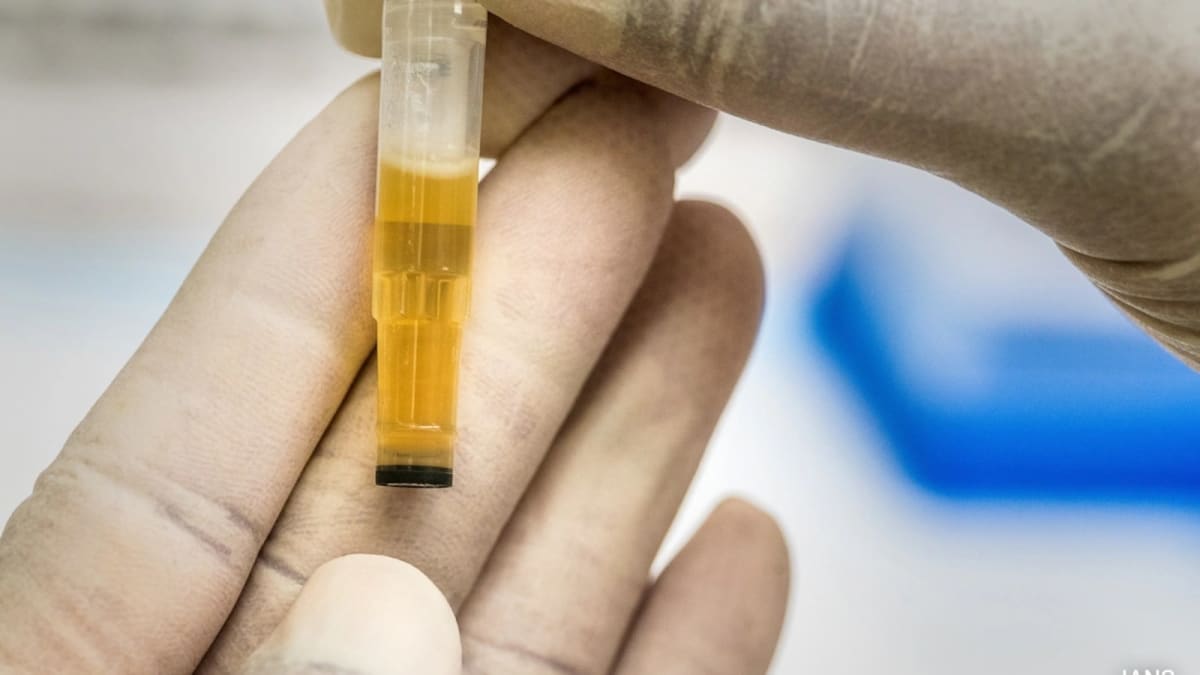
A breakthrough urine test that can be taken at home is detecting bladder cancer with 92% accuracy, offering patients a faster and less invasive screening option. The test identified all muscle-invasive cancers in a study of nearly 1,000 patients across seven UK hospitals.

Scientists developed a simple blood test that can detect thousands of genetic conditions in developing babies without risky invasive procedures. The breakthrough could spare expectant parents from difficult decisions about amniocentesis and other tests that carry miscarriage risks.
A 1,000-person trial across three countries is testing whether a finger-prick blood test can detect Alzheimer's disease years before symptoms appear. The at-home test could replace expensive brain scans and invasive procedures that fewer than 2% of patients currently receive.

A nonprofit is launching an independent testing lab to rate AI tools for child safety, similar to how crash tests revolutionized car safety. Major AI companies are backing the effort to create safety benchmarks and protect young users.
Simple blood tests are now helping doctors diagnose Alzheimer's disease years earlier, giving patients better access to treatments that could slow the condition. The FDA-approved tests measure brain proteins in the bloodstream, replacing expensive scans and invasive procedures.
Two groundbreaking tests approved by the UK's NHS can diagnose endometriosis in under an hour instead of the typical nine-year wait. Women who spent years in pain and disbelief are finally getting answers and treatment.
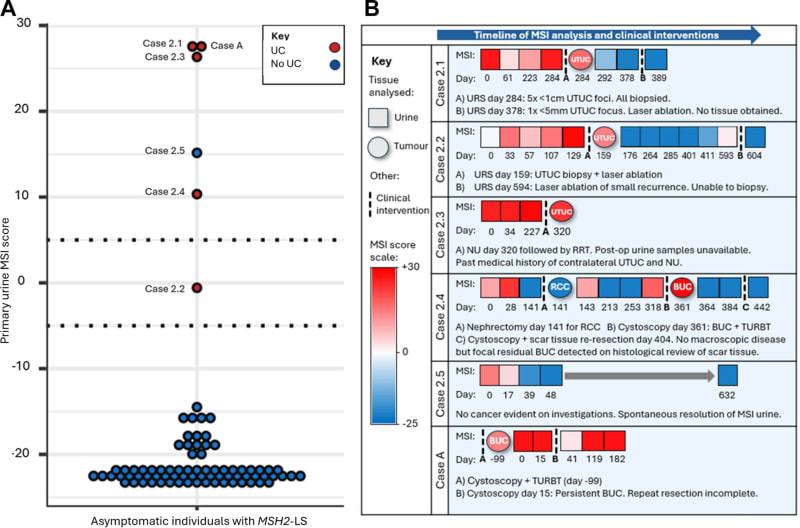
Scientists in Newcastle have developed a breakthrough urine test that catches deadly urinary tract cancers in Lynch syndrome patients before any symptoms show. The test has already detected early-stage cancer in five people, saving them from invasive treatments.
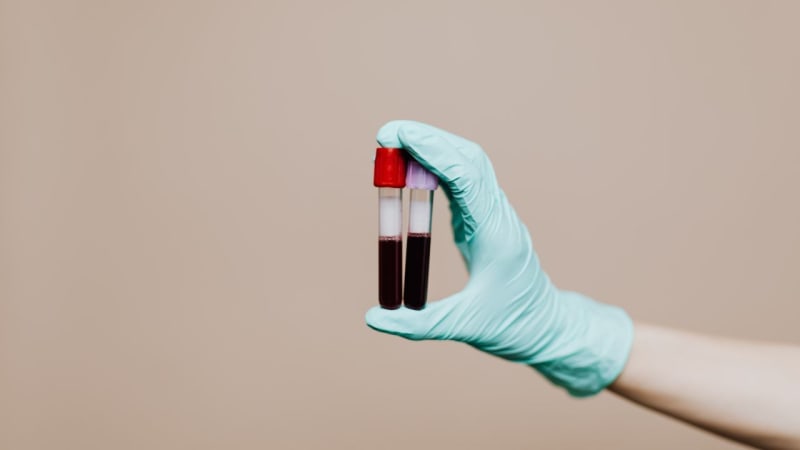
Cancer patients with multiple myeloma can now track their treatment progress with a simple blood draw instead of painful bone marrow biopsies. This breakthrough makes monitoring minimal residual disease faster, easier, and less painful for thousands of patients.
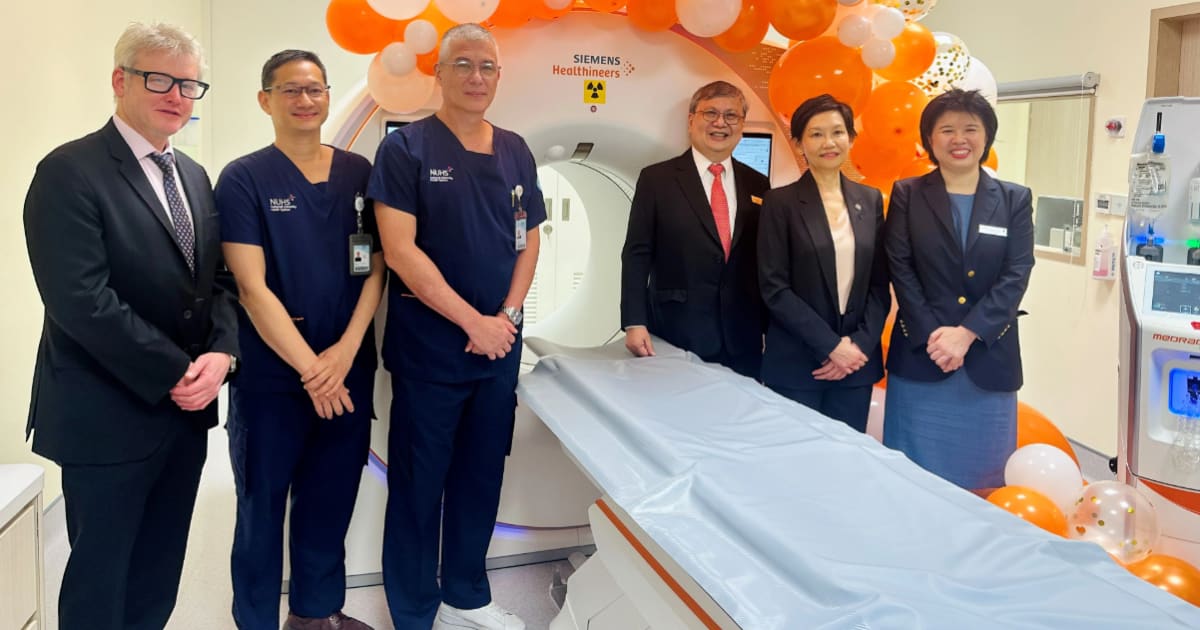
A heart hospital in Singapore just deployed breakthrough imaging technology that lets doctors see inside coronary arteries without invasive procedures. The scanner is a game changer for elderly patients with complex heart conditions.

Researchers discovered that microbes in seawater surrounding corals reveal disease better than testing coral tissue itself, opening the door to early warning systems that could save reefs. This breakthrough could protect ecosystems supporting one billion people worldwide.

Ontario just made history as the first Canadian province to ban invasive medical experiments on dogs and cats. The groundbreaking law protects animals that families consider beloved companions from painful laboratory testing.
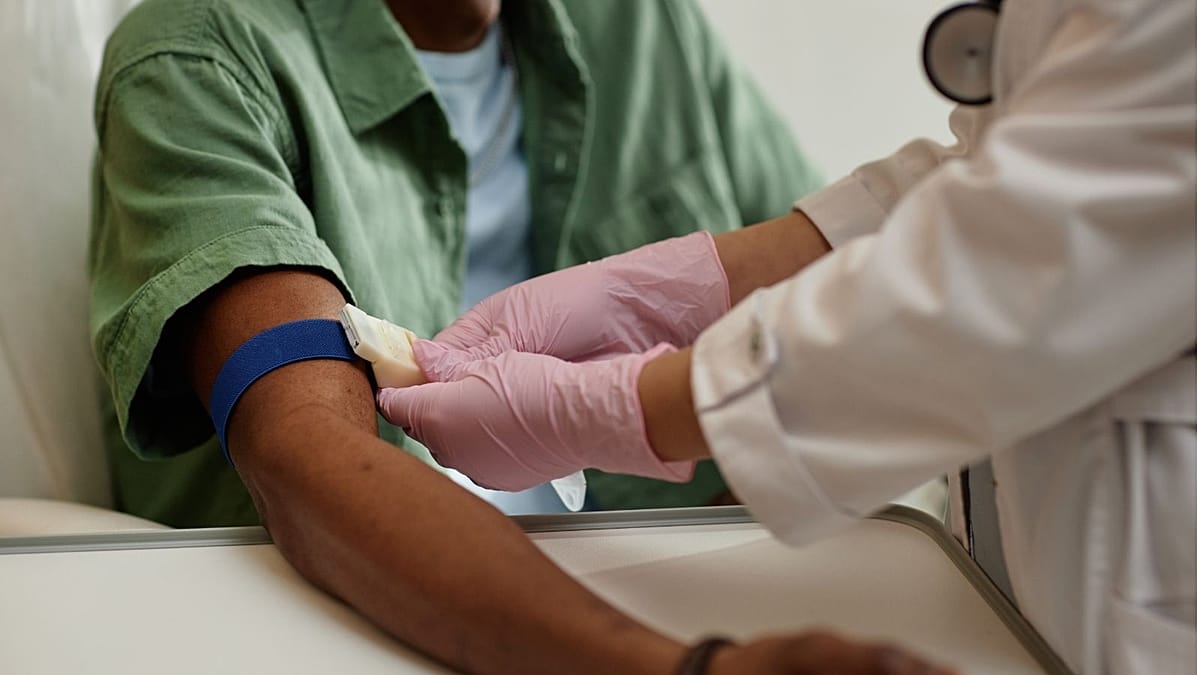
A new blood test approved in Europe can detect Alzheimer's disease with a simple draw, replacing invasive spinal taps and costly brain scans. The breakthrough promises faster diagnosis for millions of families facing the uncertainty of dementia.
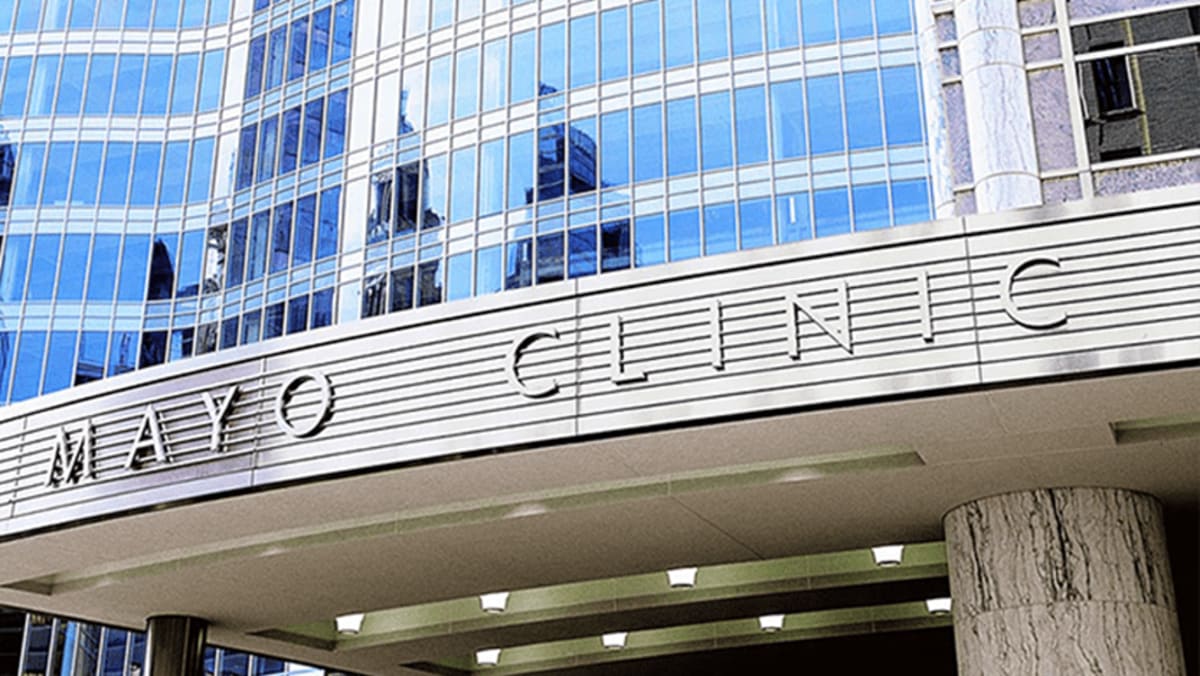
Mayo Clinic is now testing a revolutionary cancer treatment that uses heat to fight Stage 4 tumors in just five-minute sessions. The non-invasive therapy could replace chemotherapy and radiation for some patients, eliminating their harsh side effects.
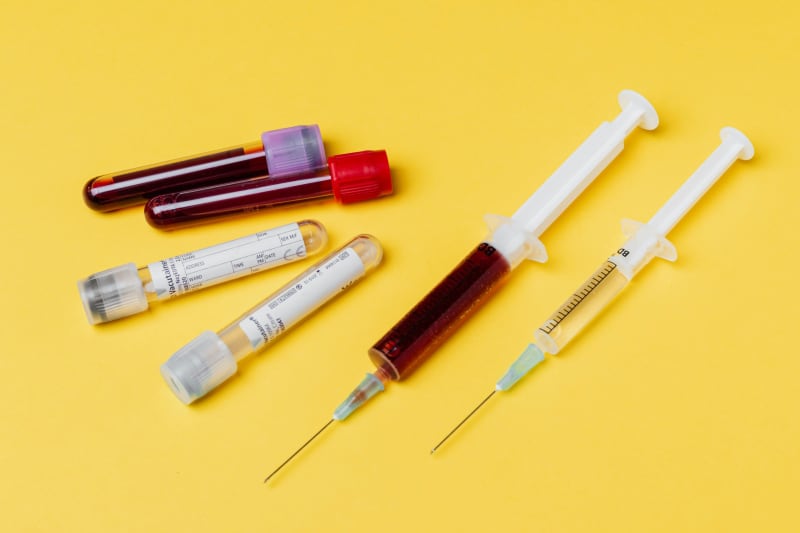
A quick blood test measuring a single protein has boosted Alzheimer's diagnosis accuracy from 75.5% to 94.5% in real-world clinics. The breakthrough could replace invasive spinal taps and expensive brain scans for millions of patients.

A finger-prick blood test is being trialed across 1,000 people to detect Alzheimer's disease before symptoms appear, potentially replacing invasive brain scans and spinal taps. The international study could transform how millions get diagnosed with this devastating disease.
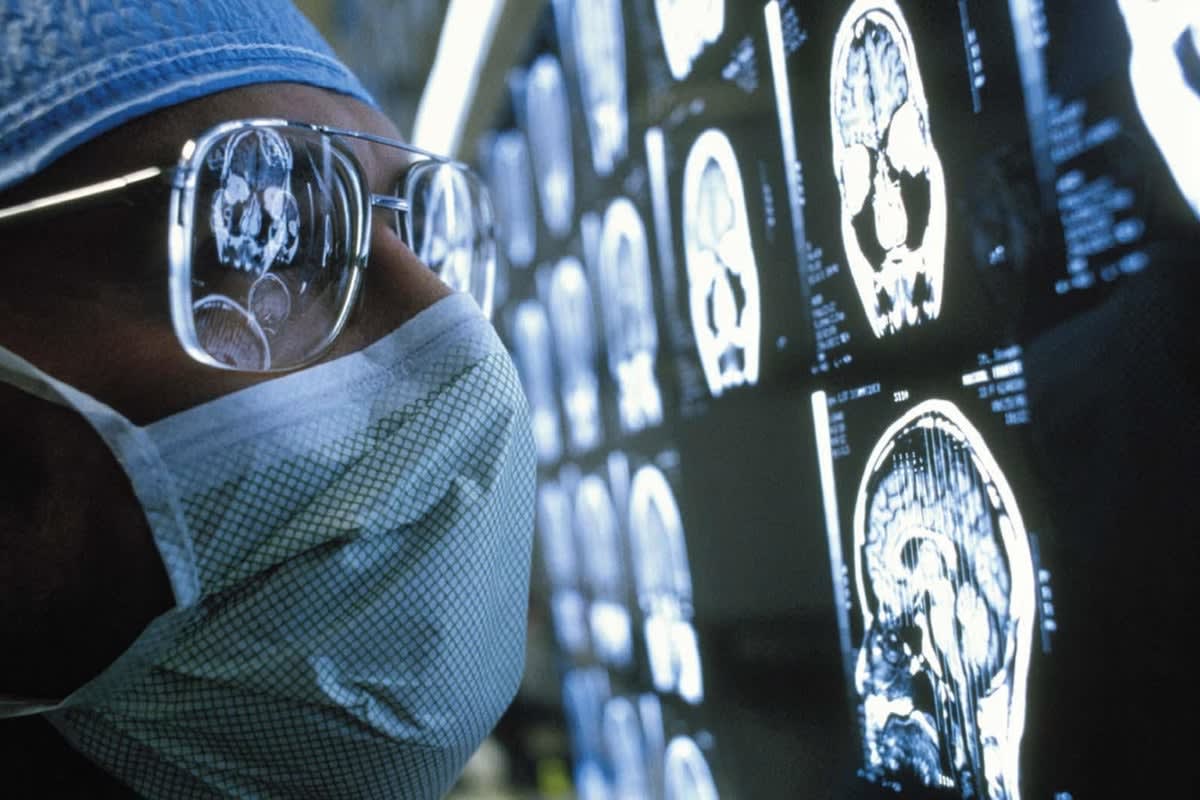
Scientists have developed a simple blood test that can detect deadly brain tumors with over 90% accuracy, potentially replacing invasive biopsies and enabling earlier diagnosis. The breakthrough could help GPs identify aggressive glioblastomas through a test as simple as a COVID rapid test.
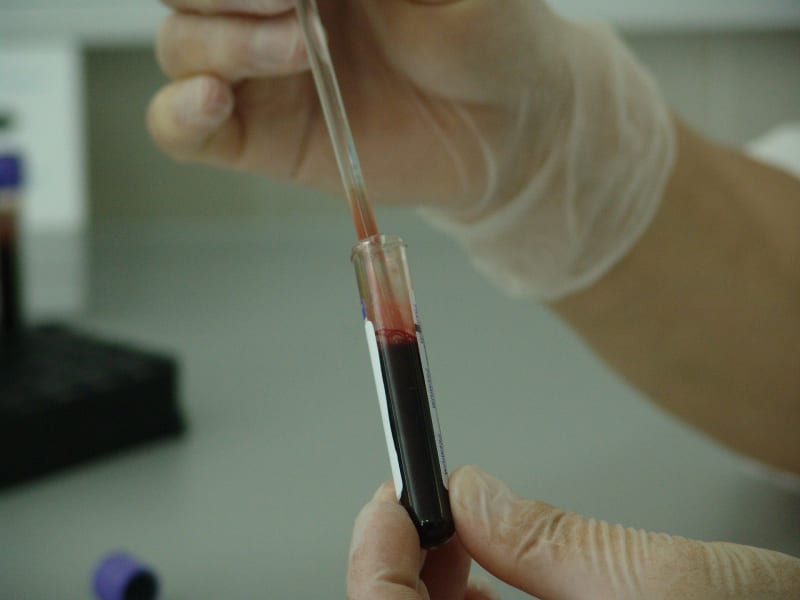
Scientists created a disc-shaped device that automatically detects five types of cancer from a single blood draw, making early cancer screening as simple as a routine blood test. The breakthrough could help millions catch cancer earlier without invasive procedures.
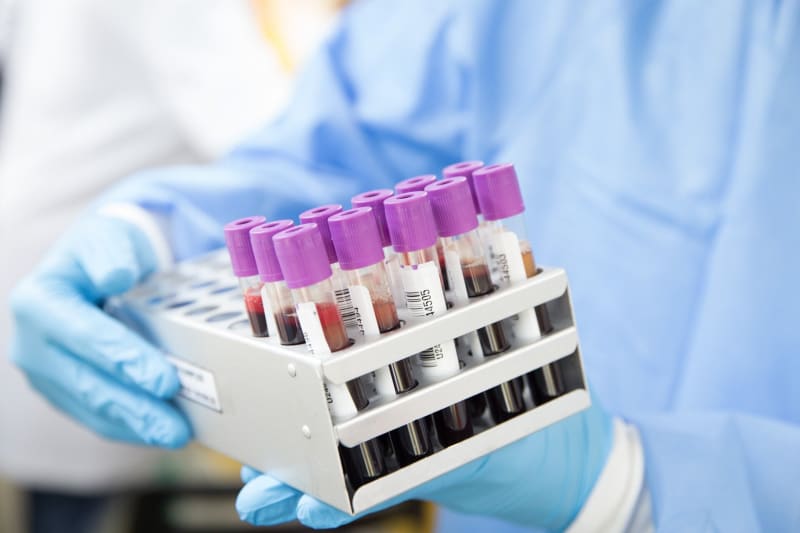
Scientists discovered two blood molecules that can identify lung damage in COVID patients, potentially replacing invasive scans with a quick blood test. Nearly 1,000 hospitalized patients helped unlock this breakthrough that could speed up diagnosis and treatment.
Showing 20 of 15047