6 results for "ocean conservation"
💡 SolutionsResearchers in Japan have developed biodegradable polymer capsules made from natural plant molecules that could replace plastic microbeads polluting our oceans. The capsules work just as well as conventional versions but break down safely in nature.
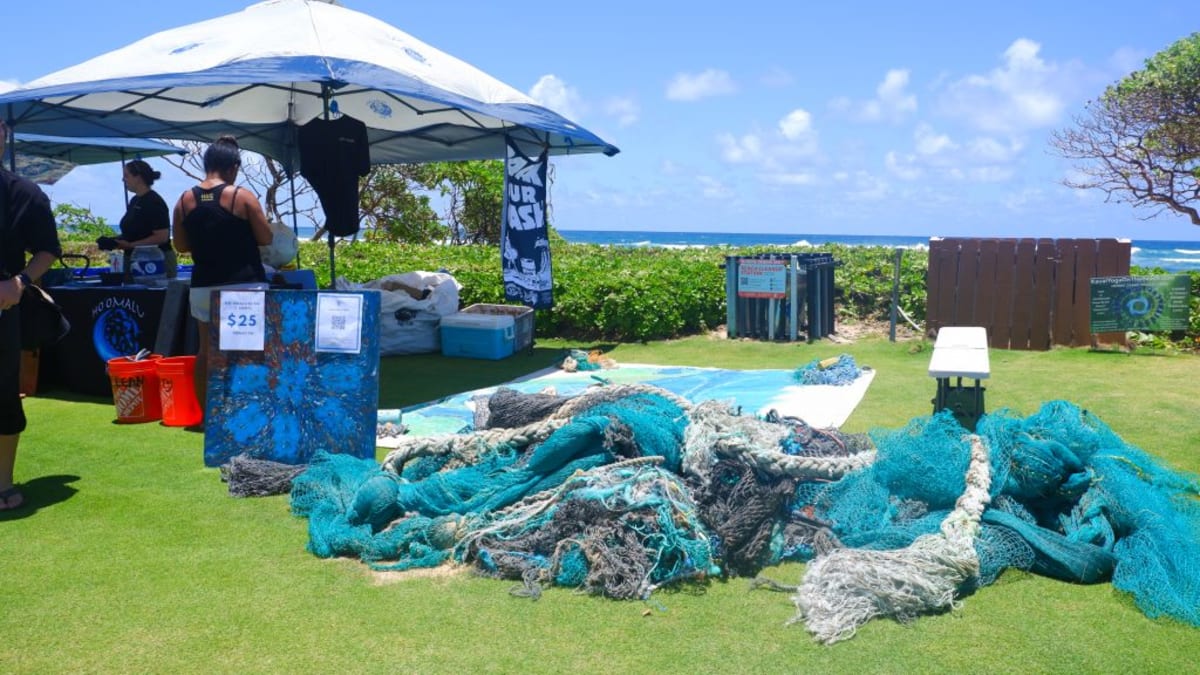
🌍 Planet WinsIn an unexpected turn of events, the Great Pacific Garbage Patch has become a flourishing ecosystem where 46 species of coastal marine life are not just surviving but thriving and reproducing. Scientists studying this phenomenon are witnessing nature's remarkable ability to adapt and create new communities even in the most unlikely places.
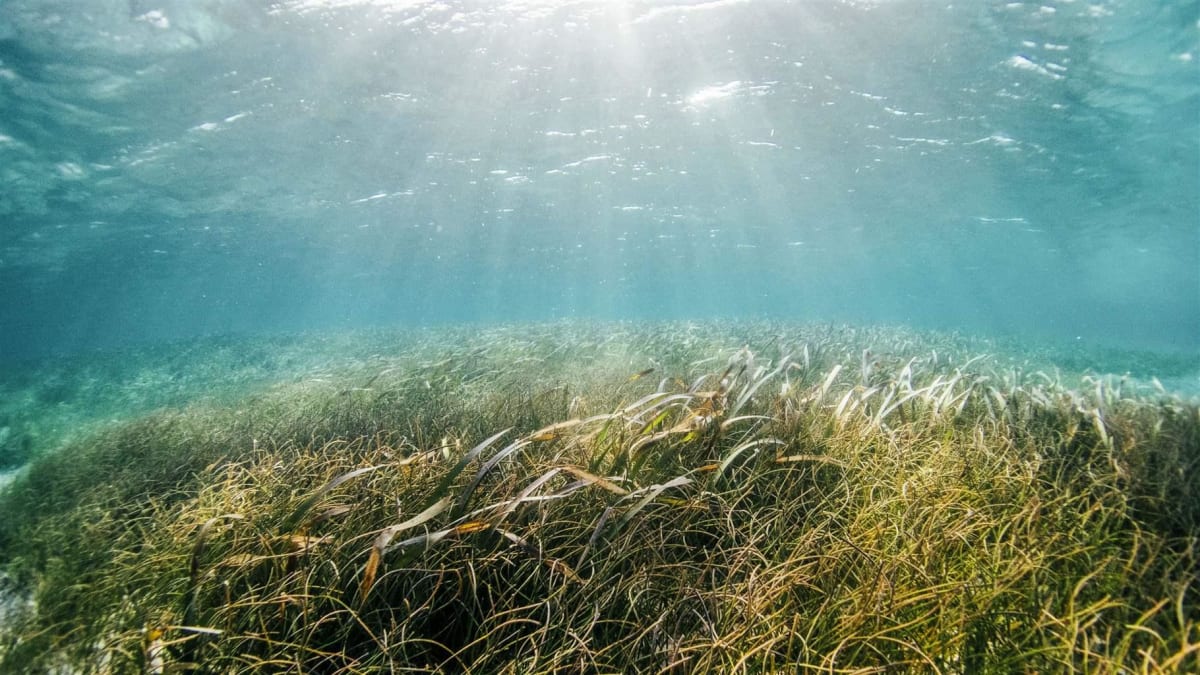
🌍 Planet WinsScientists at UConn and Yale have discovered that seaweed farms are climate champions, capturing an astounding seven million tons of CO2 annually through a previously overlooked natural process. Even better, this carbon storage could last thousands of years, offering genuine hope in the fight against climate change.
🚀 InnovationScientists have discovered that Greenland sharks, Earth's longest-living vertebrates at nearly 400 years old, maintain crystal-clear vision throughout their extraordinary lifespans. This remarkable finding could unlock breakthrough treatments for age-related vision loss in humans and reveal nature's secrets to healthy aging.
🌍 Planet WinsIn an incredible breakthrough, researchers have unveiled a hidden ecosystem teeming with life deep beneath the Arctic Ocean's Greenland Sea. Over 20 species thrive in complete darkness at the deepest methane hydrate mounds ever discovered, rewriting our understanding of life's resilience.
🌍 Planet WinsResearchers at Flinders University have pioneered a breakthrough method using thermal drones to check dolphin health from the sky, analyzing over 40,000 images to perfect this gentle, stress-free approach. This innovation means dolphins can now be monitored for signs of illness or environmental stress without ever being touched, captured, or disturbed—a game-changer for marine conservation worldwide.