Search

Find uplifting stories about heroes, innovations, and solutions

1786 results for "pfas chemicals"

State Laws Cut 'Forever Chemicals' in 80% of Clothing
Planet WinsJun 15

State Laws Cut 'Forever Chemicals' in 80% of Clothing

New testing shows state bans on toxic PFAS chemicals in clothing are working, with 80% of products now complying just months after laws took effect. Major brands like Lululemon, Columbia, and Levi's have successfully eliminated most forever chemicals from their products, proving alternatives exist and policy works.

Guardian Environment3 min read
Canada Slashed Toxic PFAS in Wildlife by 74% With Regulation
Planet WinsJun 2

Canada Slashed Toxic PFAS in Wildlife by 74% With Regulation

When governments cracked down on "forever chemicals," toxic PFAS levels in Canadian seabirds plummeted 74 percent in two decades. The win proves regulation works, but scientists say newer replacement chemicals need the same treatment.

Optimist Daily3 min read
Toxic 'Forever Chemicals' Drop 74% in Seabird Eggs
Planet WinsMay 11

Toxic 'Forever Chemicals' Drop 74% in Seabird Eggs

After decades of rising pollution, dangerous PFAS chemicals in Canadian seabird eggs have plummeted by up to 74%, proving environmental regulations actually work. Scientists tracking northern gannets over 55 years say the dramatic turnaround shows we can reverse chemical contamination when we take action.

Guardian Environment3 min read
EU Tightens Rules on 'Forever Chemicals' in Food and Water
Planet WinsApr 17

EU Tightens Rules on 'Forever Chemicals' in Food and Water

The European Union is cracking down on PFAS, toxic synthetic chemicals that never break down in nature or our bodies. New regulations aim to protect millions from these invisible pollutants found in everyday items like cookware and food packaging.

France 24 English2 min read
Whales Show 60% Drop in Forever Chemicals Since 2011
Planet WinsFeb 4

Whales Show 60% Drop in Forever Chemicals Since 2011

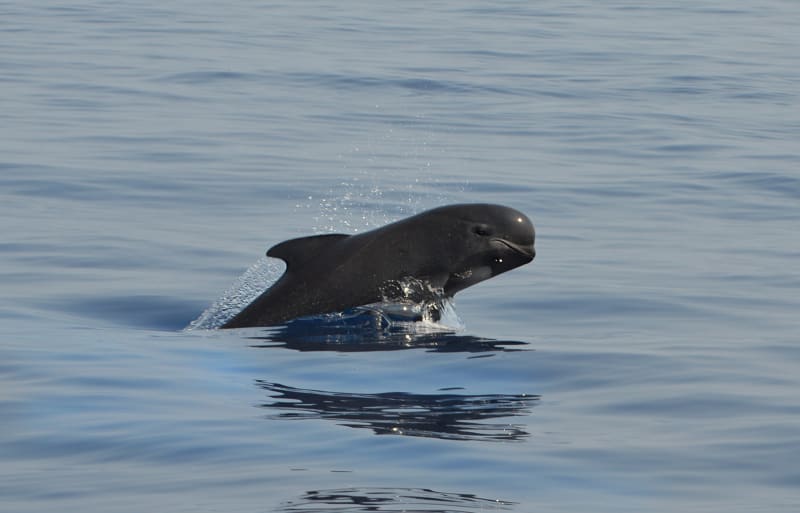
North Atlantic pilot whales have 60% less toxic PFAS in their bodies than a decade ago, proving chemical regulations actually work. The decade-long cleanup shows the ocean can heal when we act.

Mongabay2 min read
UK Launches National Plan to Reduce Forever Chemicals
Planet WinsFeb 3

UK Launches National Plan to Reduce Forever Chemicals

The UK just unveiled a comprehensive strategy to tackle PFAS—toxic "forever chemicals" found in everything from school uniforms to frying pans. By 2029, Britain aims to align with EU regulations that could ban all non-essential uses of these persistent pollutants.

BBC Science3 min read
India Demands PFAS Rules After Thousands Protest Factory
Planet WinsMay 26

India Demands PFAS Rules After Thousands Protest Factory

Thousands of Indians are taking to the streets demanding regulation of "forever chemicals" after discovering a pollution-linked Italian factory was rebuilt in their community. Their growing movement has sparked the country's first parliamentary debate on PFAS safety.

Guardian Environment3 min read
Nano-Cage Removes 98% of PFAS from Tap Water
SolutionsFeb 26

Nano-Cage Removes 98% of PFAS from Tap Water

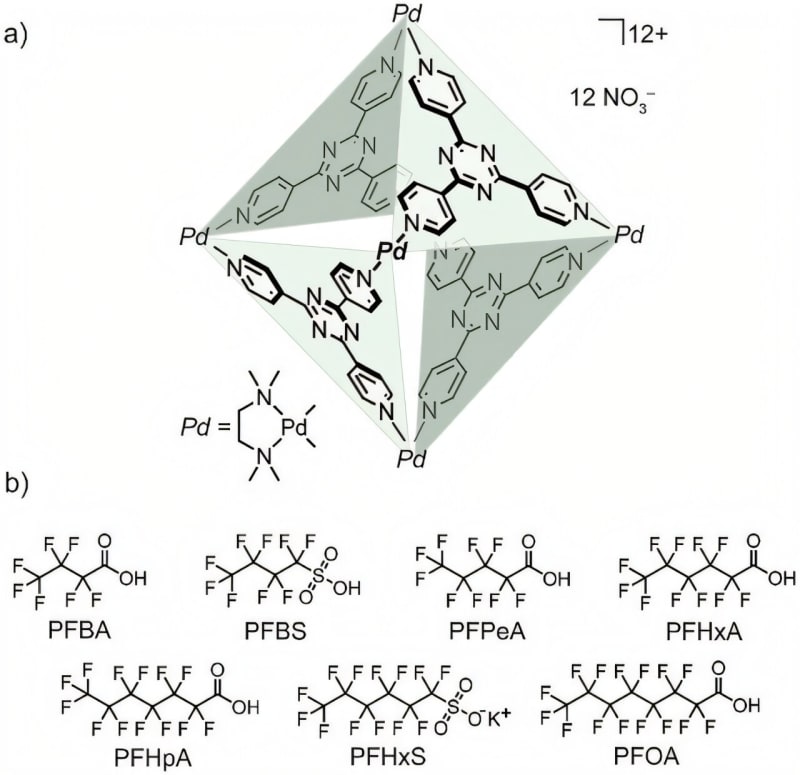
Australian scientists have created a microscopic "cage" that captures the toughest water pollutants on Earth, removing up to 98% of PFAS chemicals from drinking water. The reusable technology could finally tackle forever chemicals that existing filters can't catch.

Phys.org2 min read
Forever Chemicals Drop 70% in Seabirds After Regulations
Planet WinsMay 27

Forever Chemicals Drop 70% in Seabirds After Regulations

Toxic "forever chemicals" in seabird eggs have plummeted up to 74% over 55 years, proving that environmental regulations actually work. The dramatic decline tracks directly with government action to restrict PFAS production across North America.

Good News Network2 min read
Berlin Scientists Break Down Forever Chemicals With Electrons
SolutionsJan 22

Berlin Scientists Break Down Forever Chemicals With Electrons

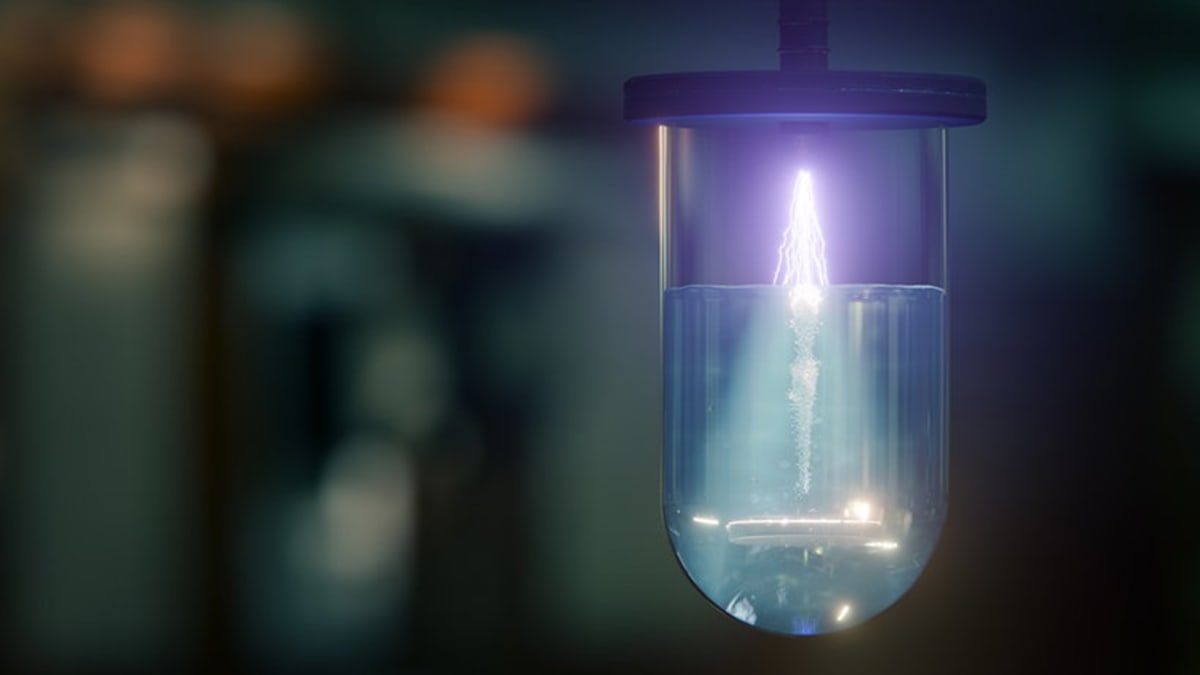
German researchers have developed a container-sized electron accelerator that destroys PFAS "forever chemicals" in contaminated water, offering a cost-competitive alternative to traditional filters. The technology could soon be deployed at pollution hotspots like Berlin's former Tegel Airport.

Phys.org - Earth3 min read
Olympics Bans Toxic 'Forever Chemicals' in Snow Sports
SolutionsFeb 13

Olympics Bans Toxic 'Forever Chemicals' in Snow Sports

The 2026 Winter Olympics just enforced its first ban on toxic PFAS chemicals in ski wax, protecting athletes and the environment. Three competitors were disqualified after routine testing found the banned substances on their equipment.

Grist3 min read
New Filter Traps 98% of Forever Chemicals in Water
InnovationApr 9

New Filter Traps 98% of Forever Chemicals in Water

Australian scientists created a nano-sized "cage" that captures the toughest forever chemicals in drinking water, removing 98% of PFAS pollutants. The breakthrough could transform how we clean contaminated water supplies worldwide.

Health Daily3 min read
Japan Mandates Water Testing for Cancer-Linked Chemicals
Planet WinsMar 23

Japan Mandates Water Testing for Cancer-Linked Chemicals

Starting in April, Japan will require all water utilities to regularly test for PFAS, potentially harmful chemicals linked to cancer. The move transforms voluntary testing into mandatory monitoring, protecting millions from invisible health risks.

Japan Times2 min read
Rice Filter Removes Forever Chemicals 1,000x Better
Health & WellnessFeb 15

Rice Filter Removes Forever Chemicals 1,000x Better

Scientists created a new water filter that removes dangerous PFAS chemicals more than 1,000 times better than current filters, offering hope for cleaning up contaminated water supplies. The breakthrough technology works in minutes instead of hours.

Google News - Researchers Find2 min read
EU Plan Could Save €1.7 Trillion by Banning Forever Chemicals
SolutionsFeb 4

EU Plan Could Save €1.7 Trillion by Banning Forever Chemicals

A gradual phase-out of toxic PFAS chemicals by 2040 could eliminate billions in annual healthcare costs while protecting water and food across Europe. New EU limits are already in force, and alternatives exist for many everyday uses.

DW News2 min read
Olympics Bans Forever Chemicals in Ski Wax
Planet WinsFeb 11

Olympics Bans Forever Chemicals in Ski Wax

The 2026 Winter Olympics just became the first Games to ban toxic "forever chemicals" from ski wax, protecting both athletes and mountain environments. Denmark's family support programs are also helping close the motherhood wage gap.

Reasons to be Cheerful2 min read
AI Designs Materials to Remove Forever Chemicals in 6 Months
SolutionsMay 25

AI Designs Materials to Remove Forever Chemicals in 6 Months

A breakthrough partnership used artificial intelligence to design new materials that can remove toxic PFAS chemicals from drinking water in just six months, a process that traditionally takes years. The technology could transform how we clean our water and protect communities from dangerous contaminants.

Google News - AI Breakthrough2 min read
Netherlands Tackles PFAS Crisis With Legal Framework Intact
SolutionsFeb 12

Netherlands Tackles PFAS Crisis With Legal Framework Intact

A Dutch court ruled the government's approach to managing PFAS pollution is legally sound, even as environmental groups push for faster action. The decision validates current cleanup efforts while acknowledging the massive complexity of addressing forever chemicals nationwide.

Dutch News2 min read
Maine Volunteers Hunt Toxic PFAS Products in Stores
Planet WinsMay 9

Maine Volunteers Hunt Toxic PFAS Products in Stores

A Maine nonprofit is recruiting volunteers to protect shoppers from banned toxic chemicals still lurking on store shelves. The grassroots effort turns everyday citizens into watchdogs for public health.

Google: volunteers help2 min read
UK MPs Push Ban on 'Forever Chemicals' in School Uniforms
Planet WinsApr 23

UK MPs Push Ban on 'Forever Chemicals' in School Uniforms

British lawmakers are calling for a groundbreaking ban on harmful "forever chemicals" found in everyday items like school uniforms and cooking pans. The move could protect millions from substances that never break down in our environment or bodies.

BBC Science3 min read

Showing 20 of 1786