
Art-Science Partnerships Gain Recognition as Trust Tool
Scientists are calling for more collaborations between artists and researchers to rebuild public confidence in science. The strategy comes as funding cuts threaten research programs worldwide.
Find uplifting stories about heroes, innovations, and solutions
11085 results for "planetary science"
Scientists are calling for more collaborations between artists and researchers to rebuild public confidence in science. The strategy comes as funding cuts threaten research programs worldwide.

A major science organization is launching a digital series that shows how Earth science research translates into real solutions for communities worldwide. The series premiews in December 2026 and goes global in January 2027.

Over 900 Calgary students from Grade 5 to 12 are presenting their self-designed science experiments at the city's largest youth science fair this weekend. Two Grade 12 students developed a promising wound infection detector using red cabbage extract after a cooking accident sparked their curiosity.
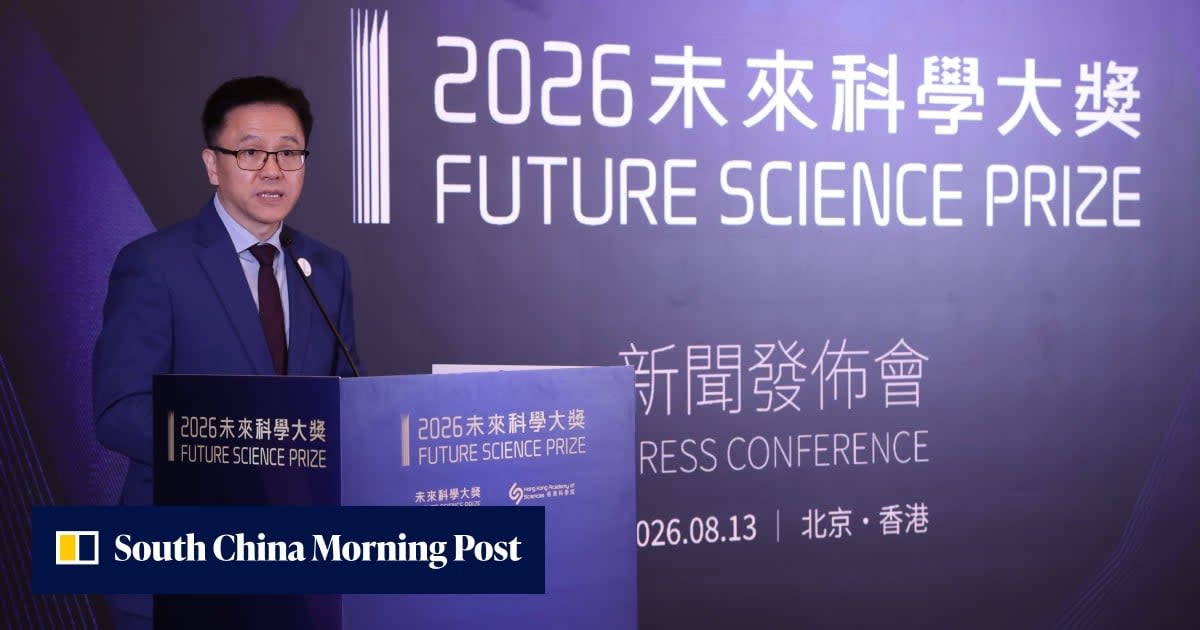
Three Chinese scientists won major awards for breakthrough research as Hong Kong cements its role as Asia's science hub. The Future Science Prize, China's first privately funded research award, chose the city for its fourth consecutive year.
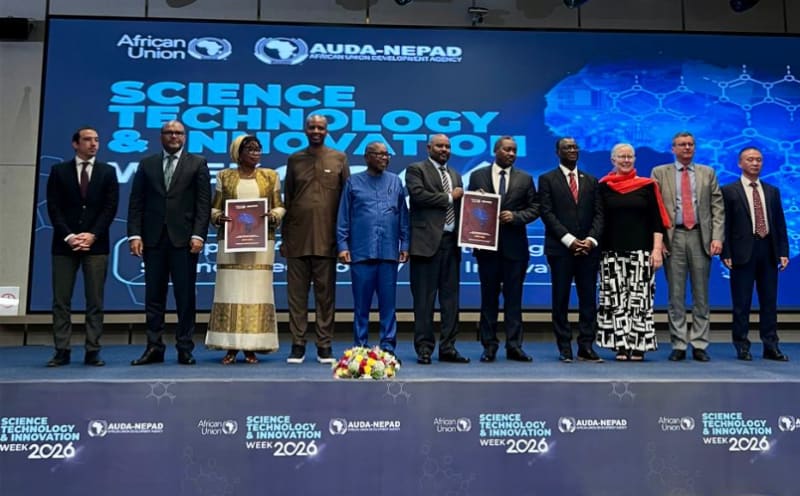
Six international partners just pledged $42 million to fuel Africa's ambitious 10-year science and innovation strategy. The funding will help African nations build stronger research systems and solve local challenges through homegrown science.

A public health professor is slashing his annual research output from 15 papers to just seven, betting that quality beats quantity in science. His radical move challenges a system where some researchers now pump out more than 60 papers yearly.
)
Trinity College just unveiled a privately funded plan to triple the Cambridge Science Park's size, creating 20,000 high-value jobs while opening a free public Park of Science to inspire local kids in STEM. The 50-year masterplan transforms Britain's oldest science park into a £3 billion innovation hub for life sciences, tech, and clean energy.
China's largest research institution is redirecting funds from expensive Western science journals to build its own publishing system. The move could reshape global science publishing and make research more accessible worldwide.
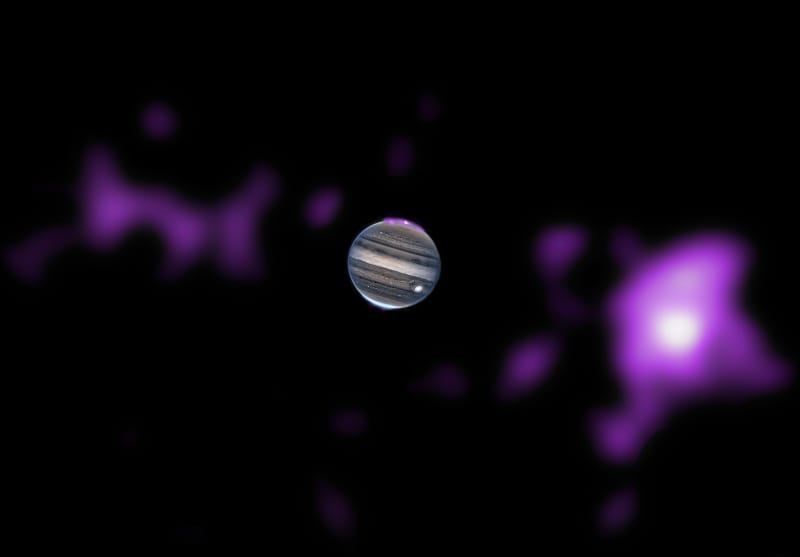
NASA just released sonifications that transform telescope data from Jupiter, Saturn, and Uranus into music, making this month's rare planetary alignment accessible to everyone. The sounds reveal X-ray and infrared data that human eyes can't see from Earth.
Directors Phil Lord and Christopher Miller are bringing optimistic science fiction back to the big screen with their adaptation of Andy Weir's beloved novel. The film premieres March 20, showing how science can solve humanity's biggest problems.

Three amateur astronomers in Queensland made history by becoming the first citizen scientists to discover a planetary ring, proving that world-changing discoveries can happen in your own backyard. Their finding helped solve a cosmic mystery that professional telescopes had missed.

The National Science Foundation just launched a $100 million program to transform existing scientific datasets into AI-ready tools that could accelerate breakthroughs across research fields. Instead of collecting new data, scientists will unlock hidden insights from decades of valuable research already sitting in databases.

A billionaire-backed vessel is revolutionizing marine research by pairing cutting-edge science with Hollywood-level storytelling. OceanXplorer partners with local scientists worldwide to explore the deep sea while sharing discoveries with millions online.
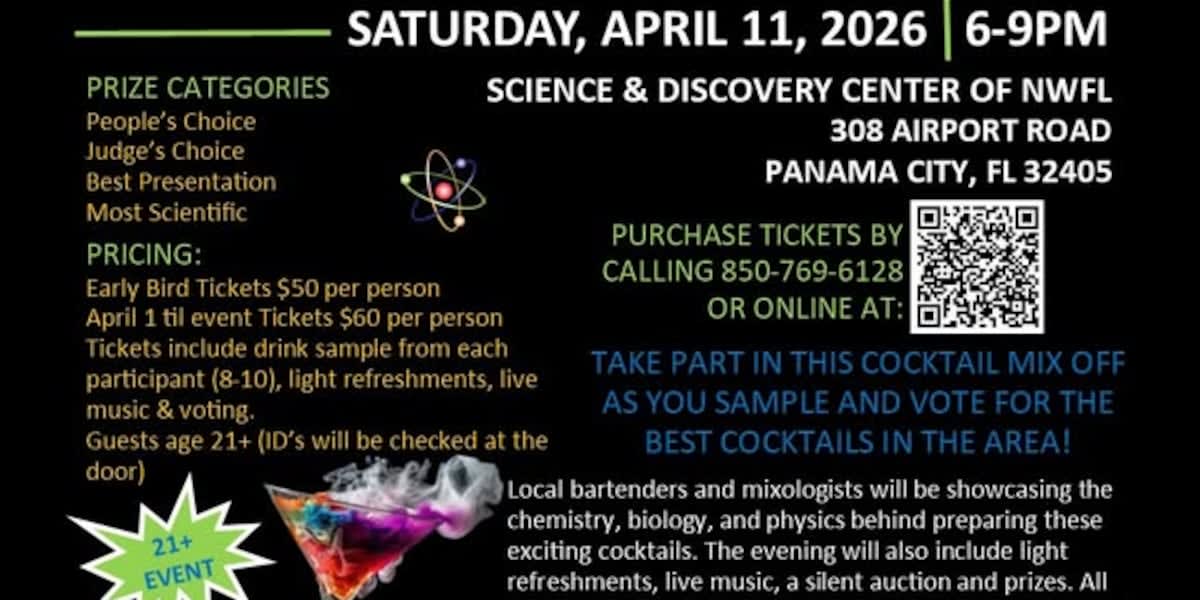
A Panama City science museum is turning cocktail hour into a chemistry lesson. Local bartenders will demonstrate the science behind mixology while guests vote for the best drinks.

Rebecca Maynard, a high school science teacher in Massachusetts, has earned one of just six national awards recognizing excellence in teaching. Her work includes bringing real-world climate science into the classroom through expeditions to Kenya and Alaska.
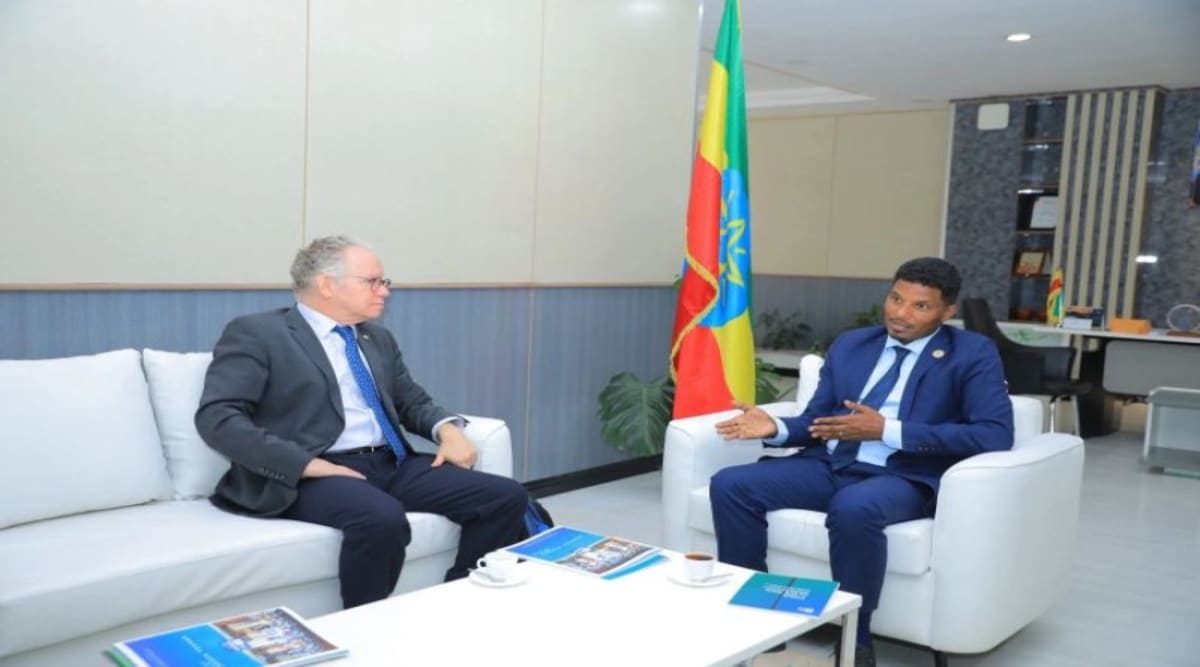
Ethiopia is teaming up with The World Academy of Sciences to supercharge its research ecosystem and train the next generation of African scientists. The partnership will focus on health, climate science, and digital technology while connecting Ethiopian researchers to global scientific networks.
South Africa just expanded its week-long science celebration into an entire month, bringing cutting-edge research and innovation to every corner of the nation. The new National Science Month proves that groundbreaking discoveries belong to everyone, not just lab coats and textbooks.

South Korea climbed to 7th place among 30 developed nations for science and technology innovation, closing the gap with global leaders. The country's investment in research shows how steady commitment to science is paying off.
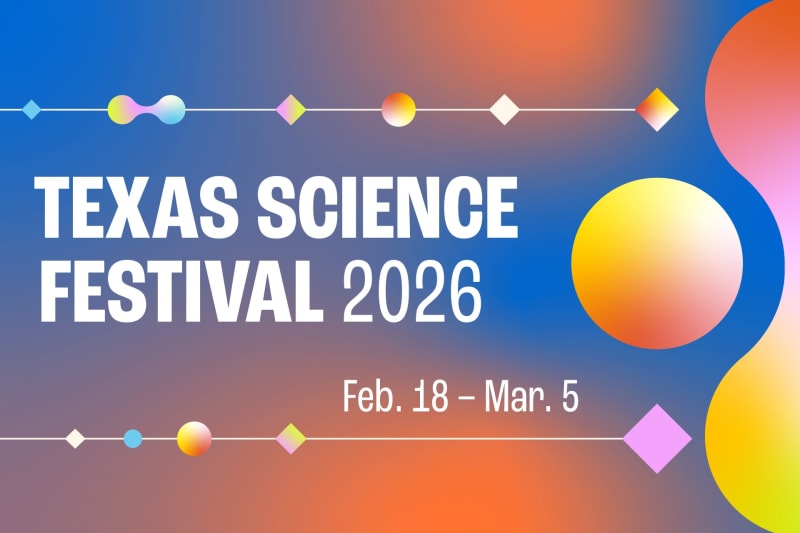
The University of Texas is throwing a massive two-week science party with over 40 free events, including the nation's largest STEM Girl Day where 10,000 children will explore hands-on science activities. From citizen scientist training to neuroscience talks about social media's impact on our brains, this festival proves learning can be exciting for all ages.
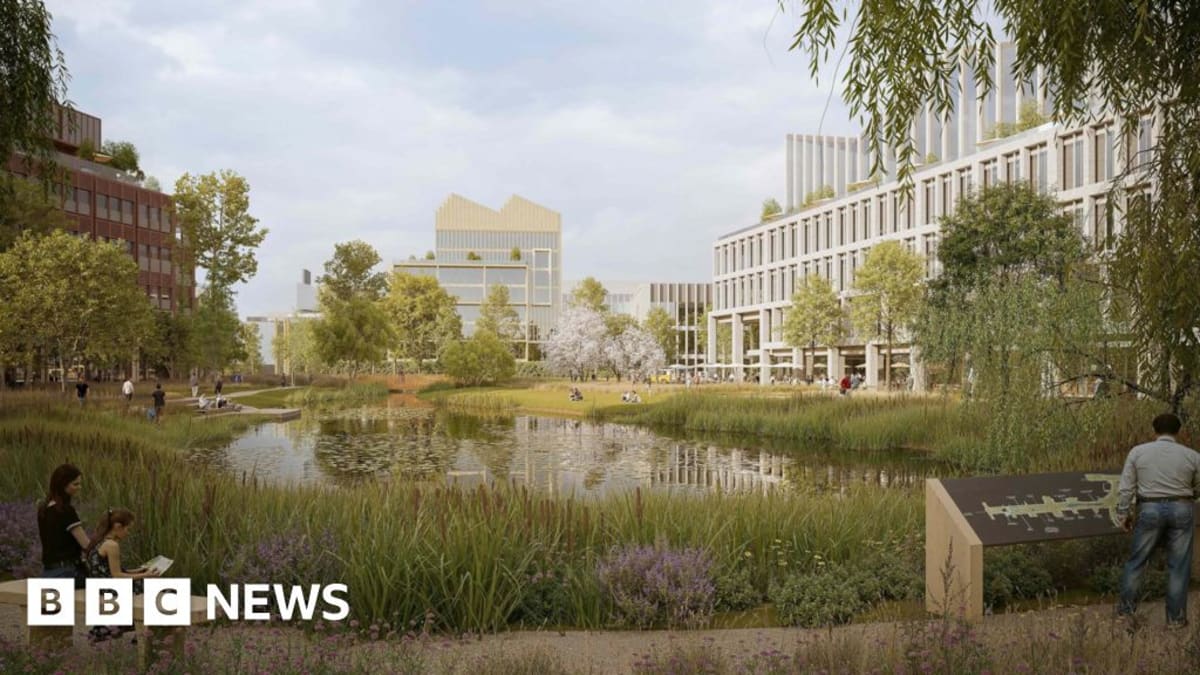
Europe's oldest science park is tripling in size, bringing 20,000 new jobs and £3 billion in annual economic output to Cambridge. The redevelopment will open green spaces, outdoor science exhibits, and educational facilities to families across the region.
Showing 20 of 11085