
Pope Leo XIV Apologizes for Church's Slavery Silence
Pope Leo XIV issued a historic apology for the Catholic Church's centuries-long delay in condemning slavery, calling it "a wound in Christian memory" that requires acknowledgment and healing.
Find uplifting stories about heroes, innovations, and solutions
4388 results for "slavery recognition"
Pope Leo XIV issued a historic apology for the Catholic Church's centuries-long delay in condemning slavery, calling it "a wound in Christian memory" that requires acknowledgment and healing.
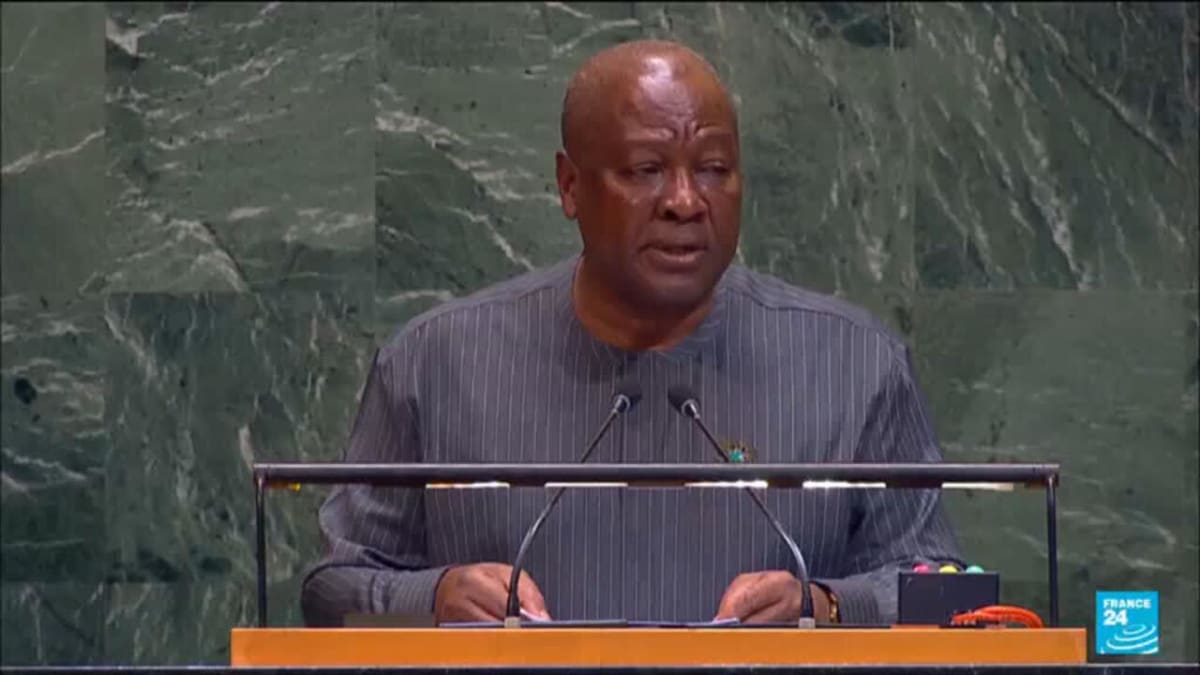
A groundbreaking UN resolution recognizing transatlantic slavery as a grave crime against humanity has passed with overwhelming support from 123 nations. Ghana's proposal calling for reparations marks a historic step toward global acknowledgment and healing.
Mexico has achieved historic constitutional recognition of Afro-Mexican peoples, marking a major first step toward addressing centuries of systemic inequality. UN experts are now calling for concrete action to turn this progress into real change for these communities.
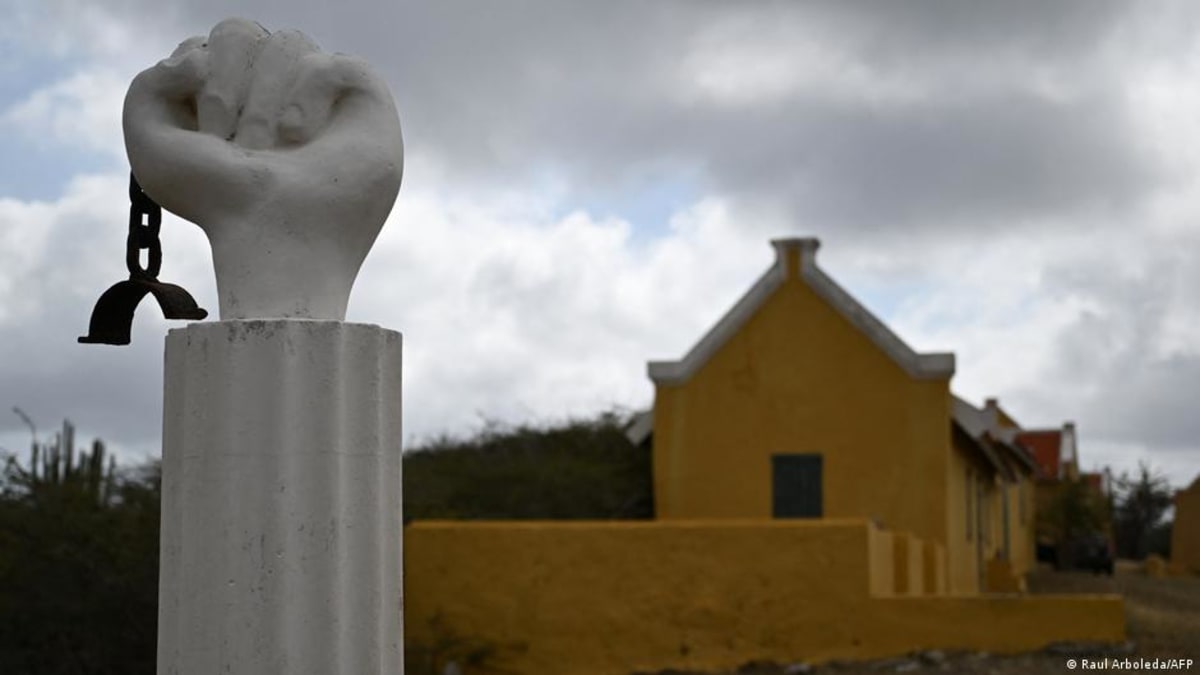
Jamaica is making history by pursuing the first legal petition for slavery reparations through the Commonwealth system, asking Britain's highest court to rule on the legality of centuries of enslavement. The bold move could open new pathways for restorative justice across the Caribbean.
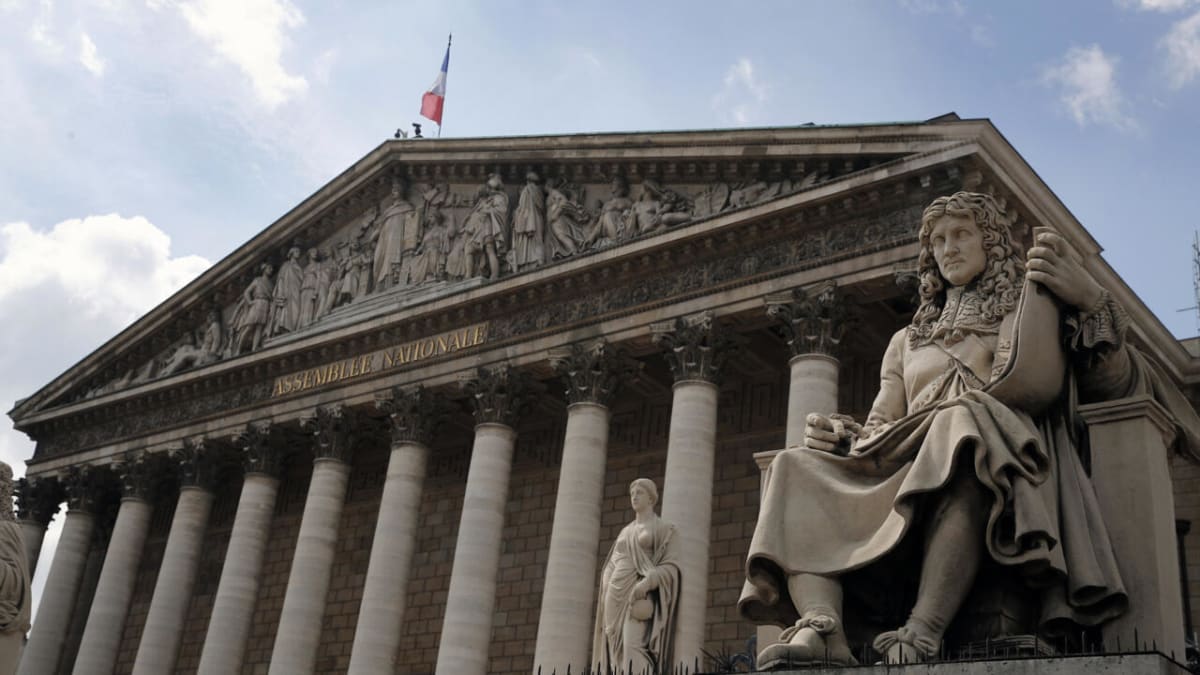
French lawmakers are voting to formally repeal Code Noir, a 1685 law that classified enslaved people as property and remained in France's legal code for 178 years after slavery was abolished. The move marks a historic step toward acknowledging France's colonial past.

Following investigative reporting, Meta quietly deleted controversial facial recognition code from its smart glasses app within 24 hours. The swift removal shows how public accountability can protect consumer privacy when tech companies push boundaries.

Two Aboriginal family groups are asking Australia's Federal Court to recognize them as traditional owners of the Northern Territory's Cobourg Peninsula, a fight spanning nearly 50 years. The case represents a crucial step toward healing and recognition for families who say their ancestors have always belonged to this land.
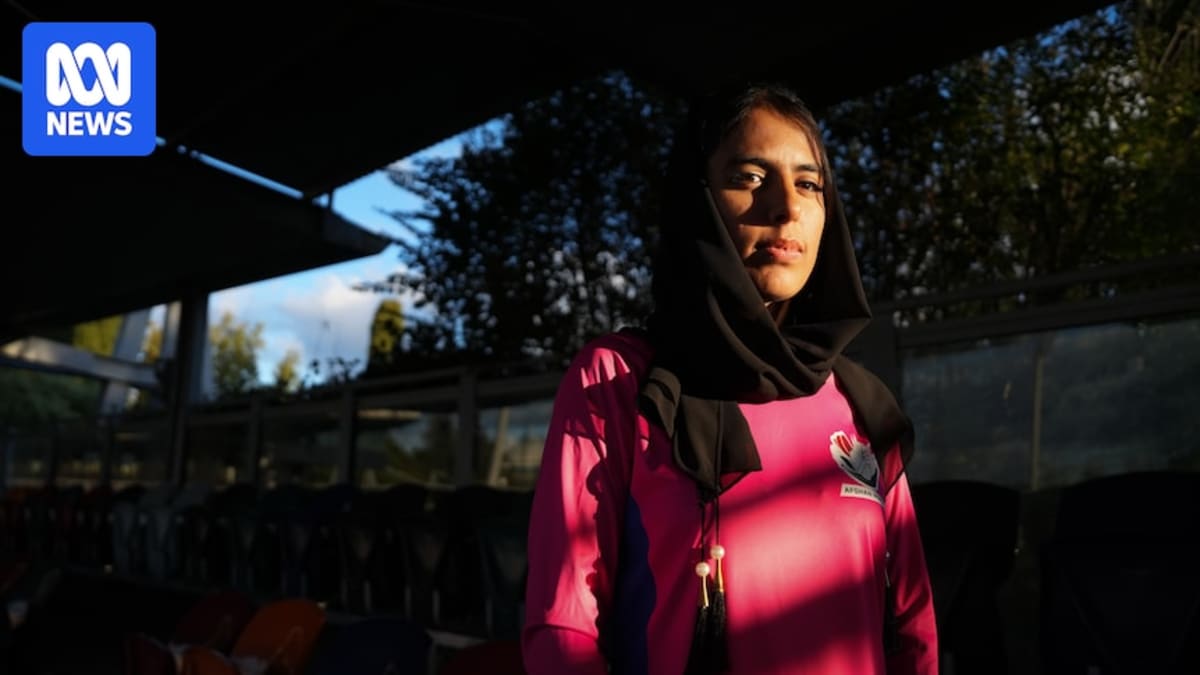
Five years after fleeing the Taliban, Afghanistan's women's cricket team is heading to England with one goal: official recognition from cricket's governing body. Their tour during the Women's World Cup could change everything for girls back home.
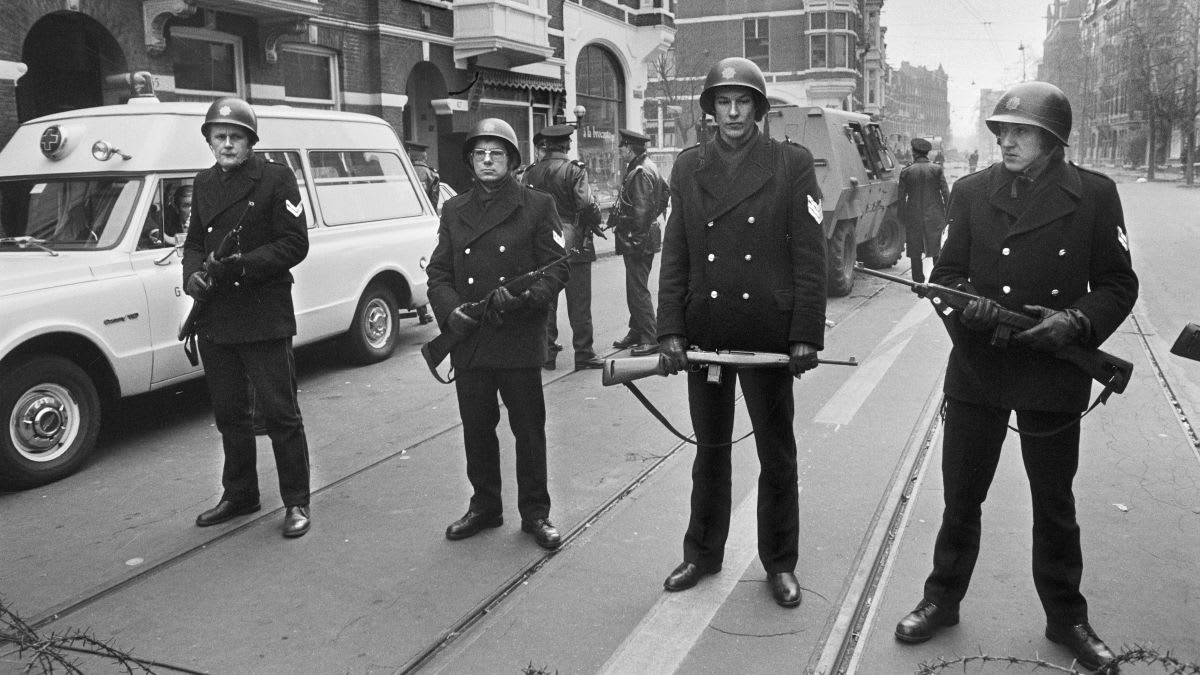
A month after the Netherlands apologized to the Moluccan community for decades of mistreatment, 100 former police officers are asking for recognition too. They say they were ordered to enforce harsh policies that hurt everyone involved.
New Zealand has taken a groundbreaking step in fighting modern slavery, with Parliament passing a bill that unites political rivals in protecting vulnerable workers worldwide. Companies earning over $100 million will now need to prove their supply chains are free from exploitation.
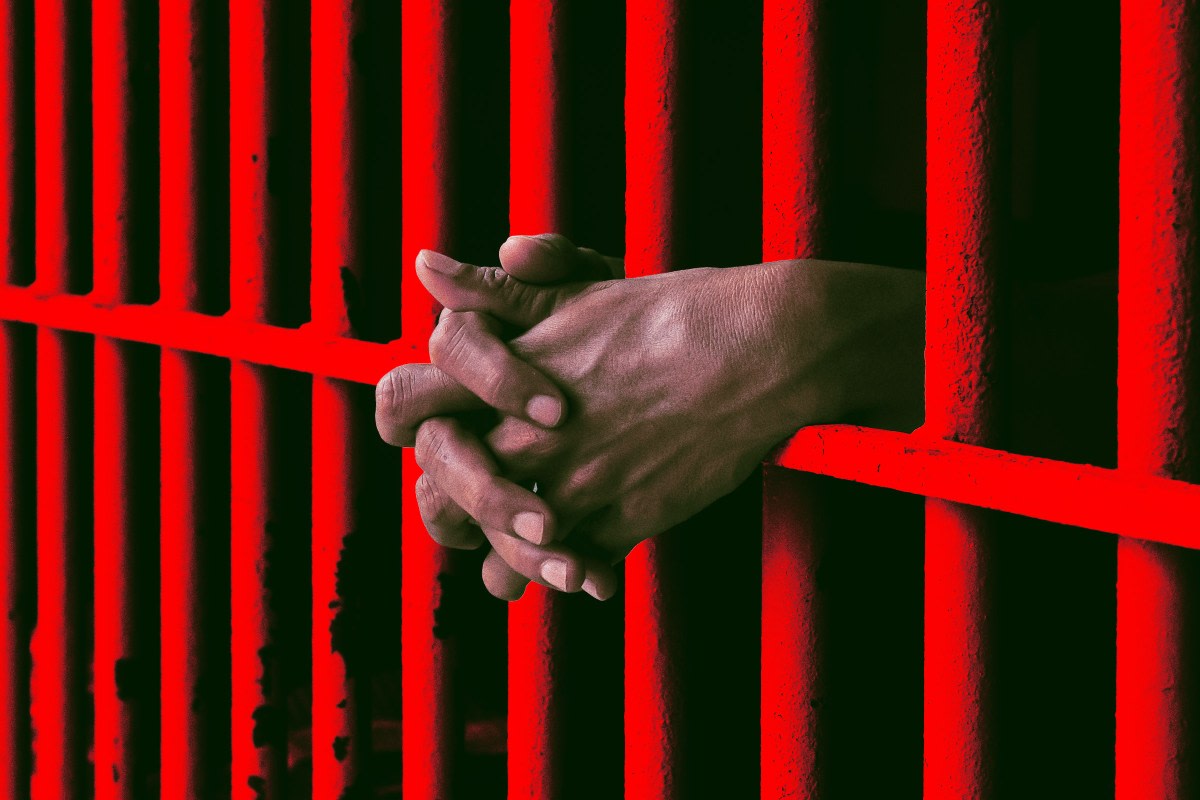
Jalil Richardson spent over 50 days in jail after flawed AI facial recognition wrongly identified him as a criminal, despite being at work hundreds of miles away. His case led prosecutors to drop charges and highlights the urgent need for better safeguards in law enforcement technology.
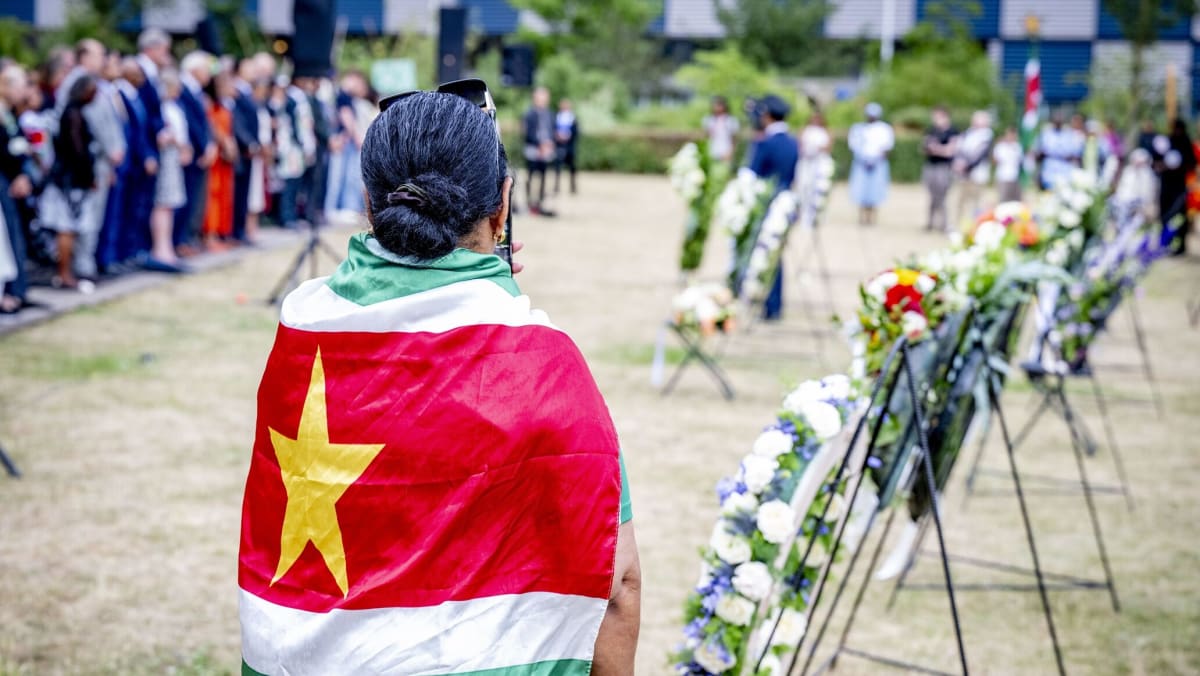
Thousands gathered across Dutch cities to celebrate Keti Koti, marking 163 years since slavery officially ended in the Netherlands' former colonies. The growing movement aims to make this day of remembrance and healing a national holiday.
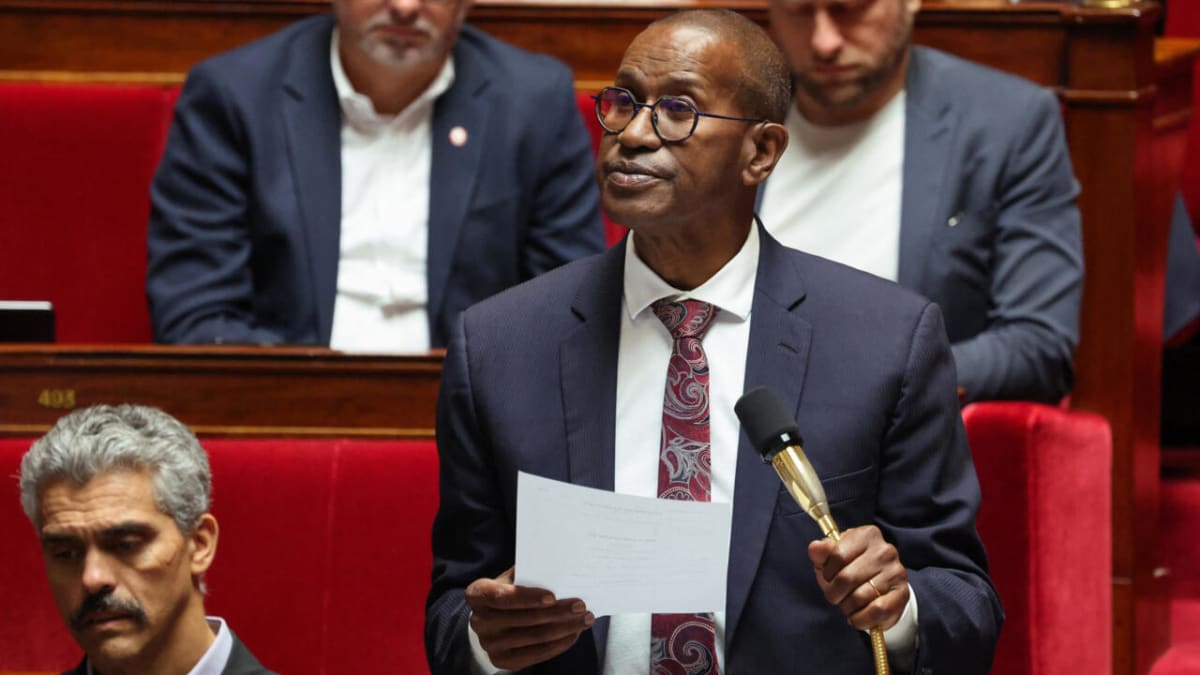
French lawmakers voted 254-0 to finally repeal the Code Noir, a 1685 law that classified enslaved people as property and had survived 176 years after slavery ended. The unanimous decision marks a symbolic step toward confronting France's colonial past. ##
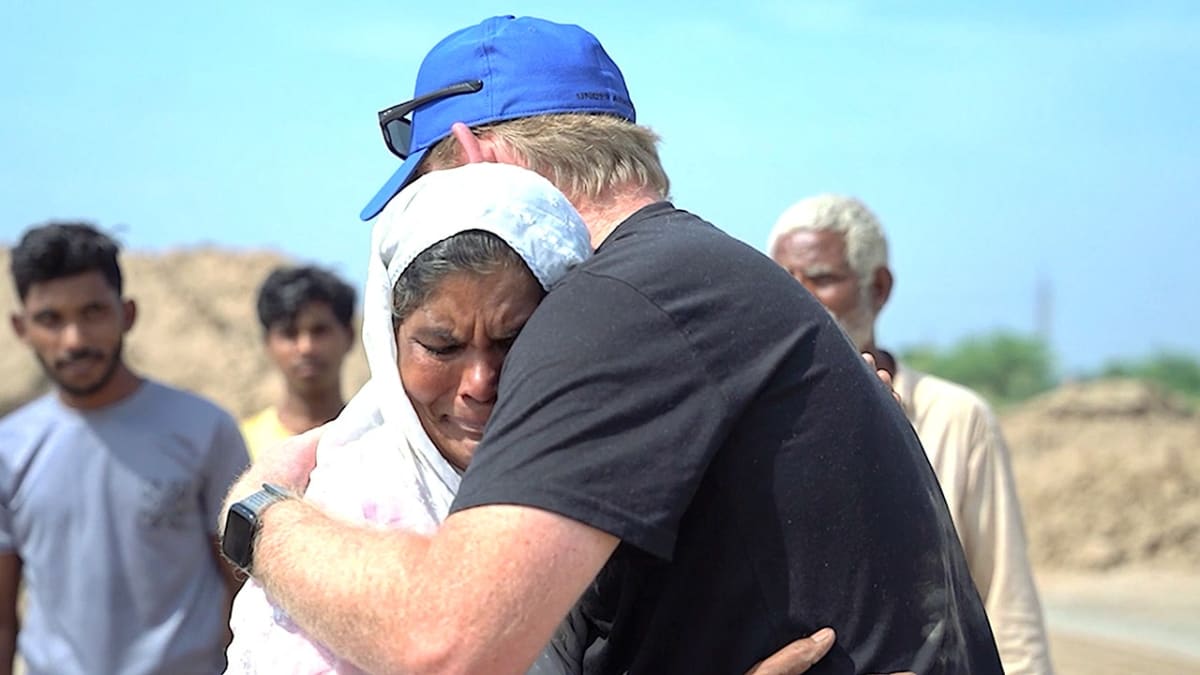
Two Americans are breaking modern slavery chains in Pakistan, freeing hundreds of Christian families trapped in generational debt bondage at brick factories. Their grassroots rescue missions give families not just freedom, but a real path forward.
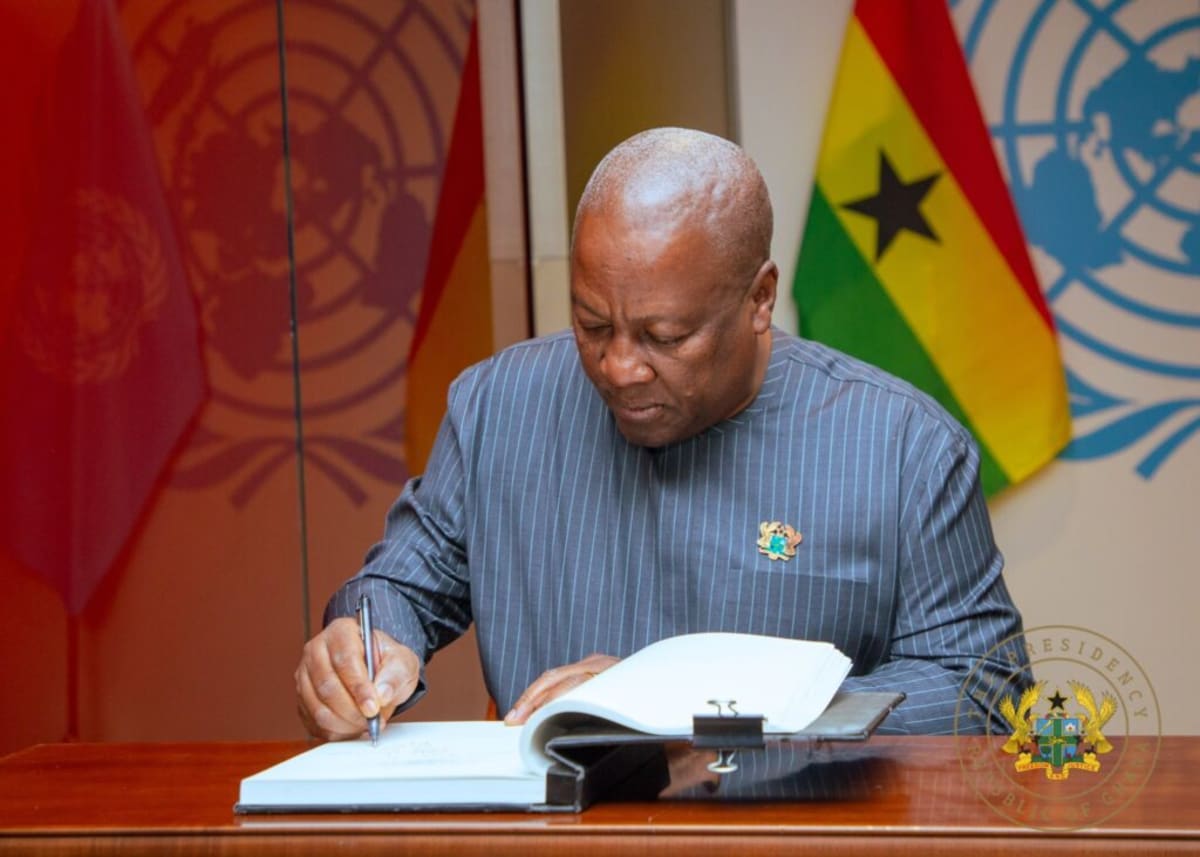
The United Nations General Assembly just passed a historic resolution declaring the transatlantic slave trade the gravest crime against humanity. Ghana's President John Mahama calls it a powerful way to honor millions of enslaved Africans.
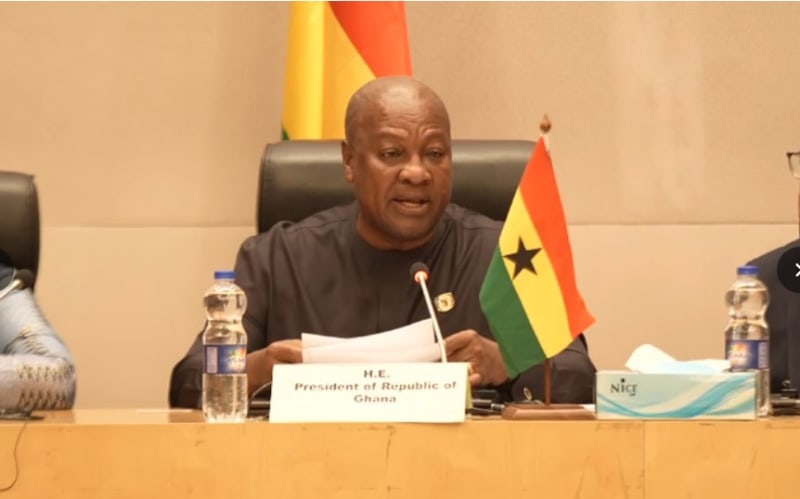
The African Union unanimously adopted Ghana's resolution recognizing the transatlantic slave trade as a crime against humanity. President Mahama now takes this historic consensus to the United Nations for global recognition and reconciliation.

A Nigerian startup just launched speech recognition technology that understands 57 languages and 500 African accents, finally giving people the chance to use tech in the way they actually speak. The platform is already helping doctors, lawyers, and businesses across six African countries work faster and serve people better.
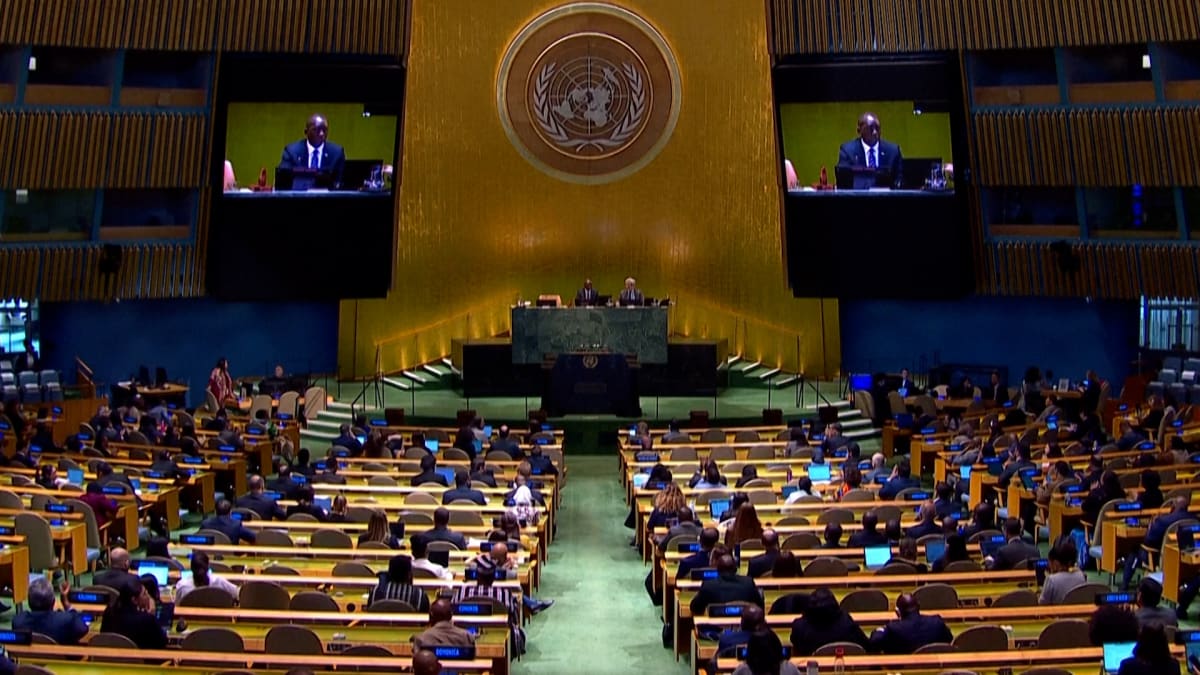
The United Nations General Assembly just adopted a historic resolution recognizing transatlantic slavery as the "gravest crime against humanity." Ghana led the effort that brought global attention to one of history's darkest chapters.

The researchers who collect specimens, prepare fossils, and build software that power breakthrough discoveries are stepping out of the shadows. A new movement is celebrating these essential contributors who make modern science possible.
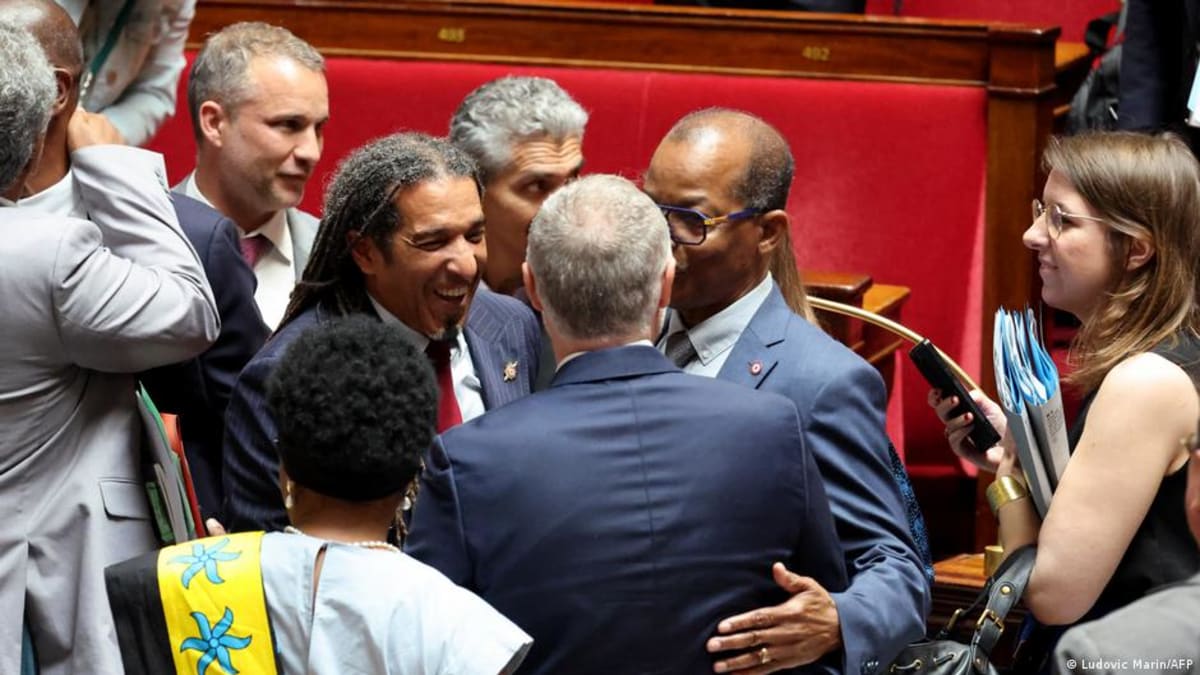
French lawmakers unanimously voted to officially erase slavery-era laws that defined enslaved people as property, taking a historic step toward acknowledging colonial wrongs. While the laws were superseded over 170 years ago, the formal repeal represents meaningful progress in confronting France's past.
Showing 20 of 4388