
Museum Visits Slow Aging by 4%, Study Finds
People who enjoy museums, concerts, and reading may be aging more slowly at a biological level. Scientists found that weekly arts activities slow aging at the same rate as regular exercise.
Find uplifting stories about heroes, innovations, and solutions
8991 results for "** aging"
People who enjoy museums, concerts, and reading may be aging more slowly at a biological level. Scientists found that weekly arts activities slow aging at the same rate as regular exercise.

Scientists discovered that restoring a declining brain protein called Menin reversed memory loss, bone thinning, and inflammation in aging mice. A simple amino acid supplement also improved brain function, offering new hope for treating age-related decline.
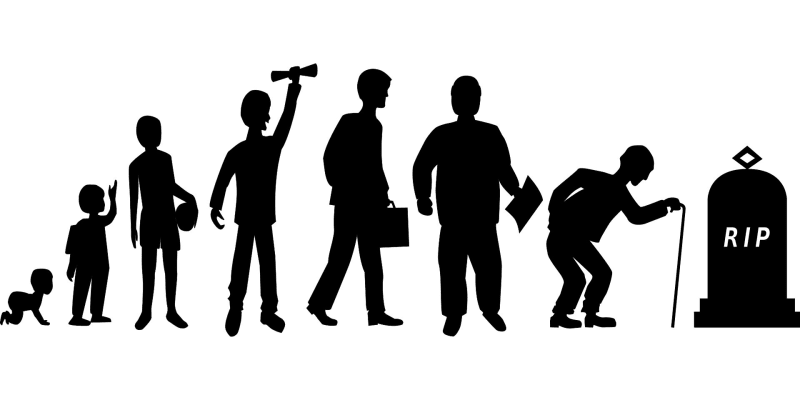
Over 50 leading researchers worldwide just published a groundbreaking vision for aging science that focuses on keeping people healthier longer, not just living more years. The shift from studying "how long" to "how well" people age could transform how we approach health throughout our lives.

Lawrence Tech is launching a Healthy Aging Innovation Center to help seniors live independently at home through smart technology and human-centered design. The free April 10 event will showcase innovations that make aging safer and more dignified.
Researchers discovered biological aging markers shared by humans, mice, rats, and monkeys, opening doors to treatments that could extend human lifespan. The team built a free online tool so scientists worldwide can test anti-aging therapies faster.
Aging cells once thought to be harmful may actually protect your body, leading to smarter anti-aging treatments. Researchers are now developing precision therapies that target only the bad cells while keeping the helpful ones alive.
Researchers discovered shared genetic patterns of aging in humans, mice, rats, and monkeys that could predict lifespan and help develop treatments to extend healthy years. The breakthrough offers hope for tackling age-related diseases like dementia and heart disease.
A new United Nations report reveals how shifting the narrative around aging could unlock trillion-dollar economic opportunities and improve wellbeing for millions. The way we talk about getting older shapes everything from public policy to how people view their own futures.
A groundbreaking study shows that taking a daily multivitamin for two years slowed biological aging by about four months in older adults. The effect was even stronger in people whose bodies were aging faster than their actual age.
Scientists discovered the aging brain doesn't just decline—it actively remodels itself between ages 50 and 75. This breakthrough reveals why age is the biggest risk factor for Alzheimer's and opens doors to new treatments.
Researchers discovered that cells actively remodel themselves as we age, opening new possibilities for preventing age-related diseases like Alzheimer's and diabetes. This breakthrough reveals a previously unknown piece of the aging puzzle that could help us all stay healthier longer.

Researchers have discovered that RNA molecules in sperm change as men age, potentially explaining why older fathers face higher health risks for their children. This breakthrough could lead to new ways to improve fertility outcomes for aging men.
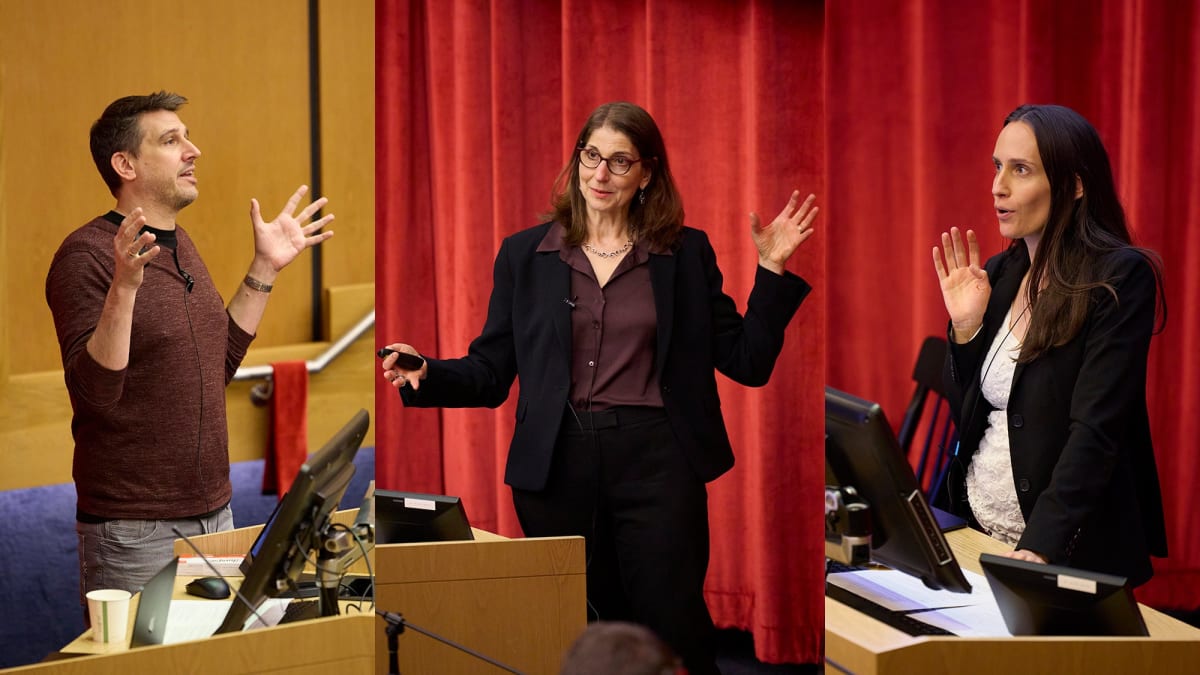
Scientists at Harvard are uncovering real ways to help people stay healthier as they age, from intermittent fasting to social connection. The research could transform how we experience our later years.
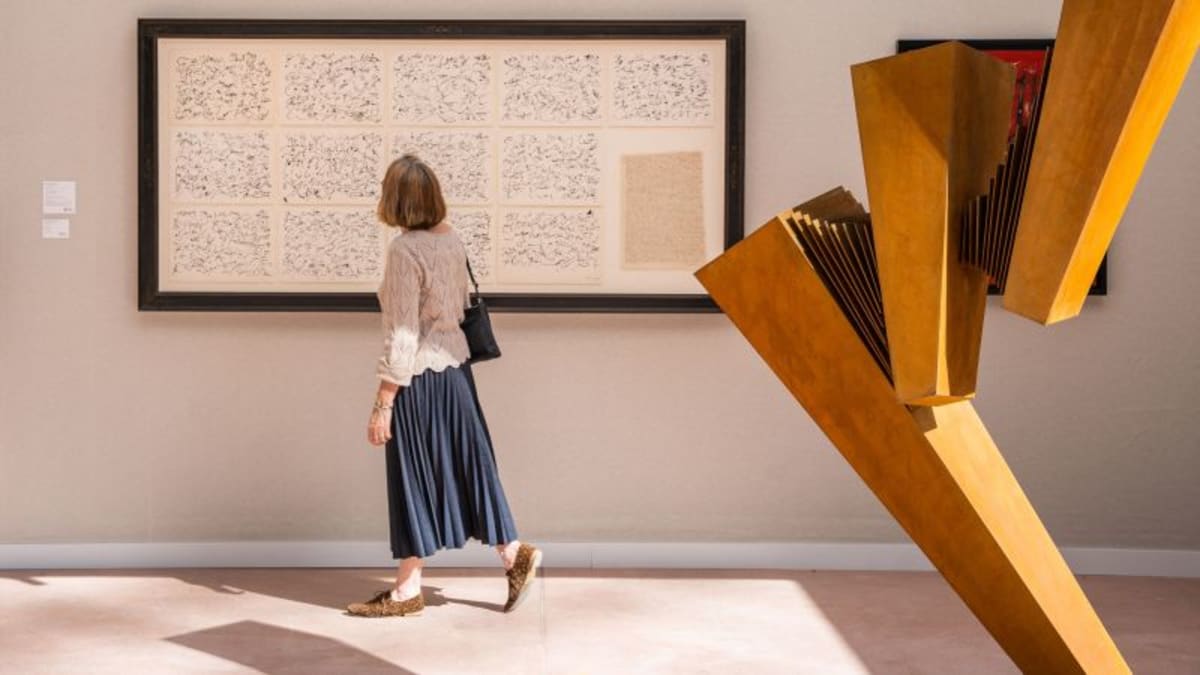
Visiting museums and engaging with the arts could slow your biological aging just as much as hitting the gym, according to groundbreaking new research. Scientists found that both how often and how many ways people enjoy cultural activities actually impact aging at the molecular level.
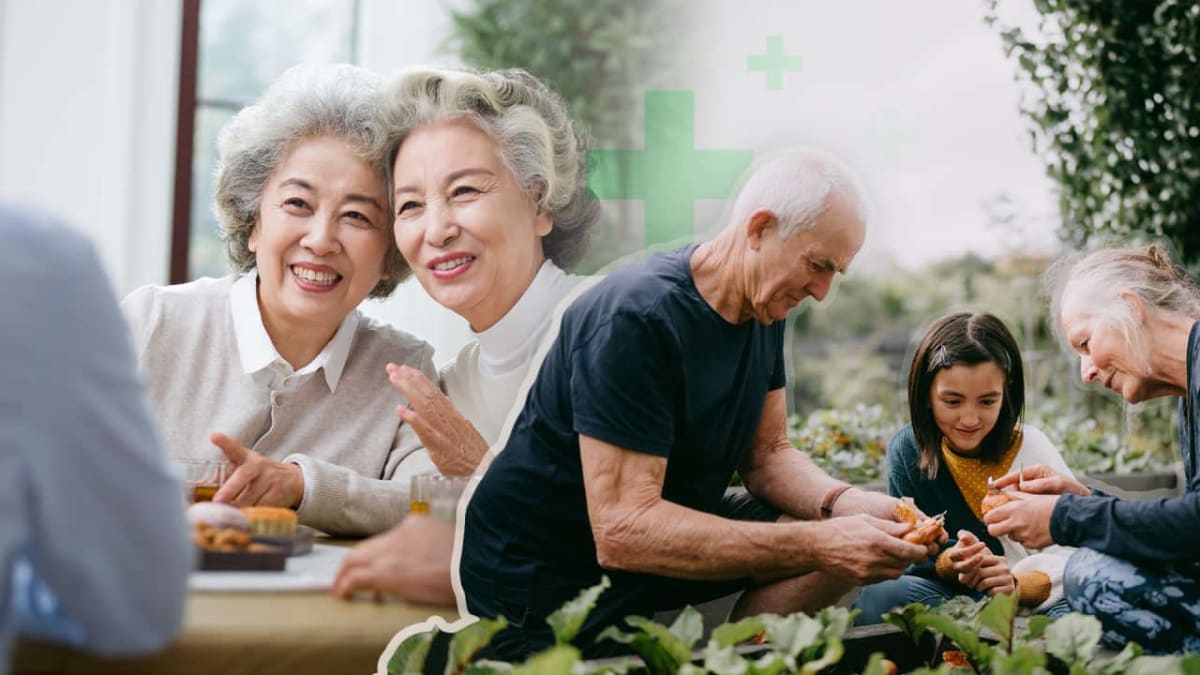
New research reveals that purpose and connection matter just as much as diet and exercise for healthy aging. Even with health conditions, 70% of seniors surveyed say they're thriving.
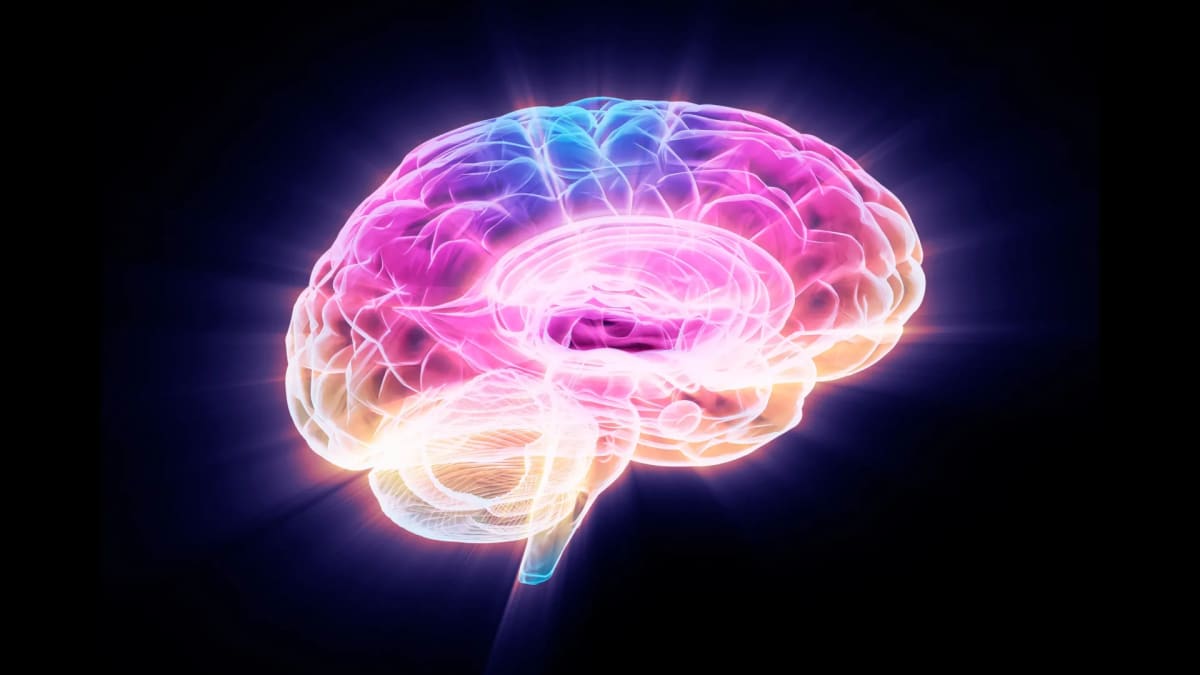
Researchers at UC San Francisco discovered a protein called FTL1 that drives brain aging and memory loss. When they reduced it in older mice, lost brain connections grew back and memory improved.
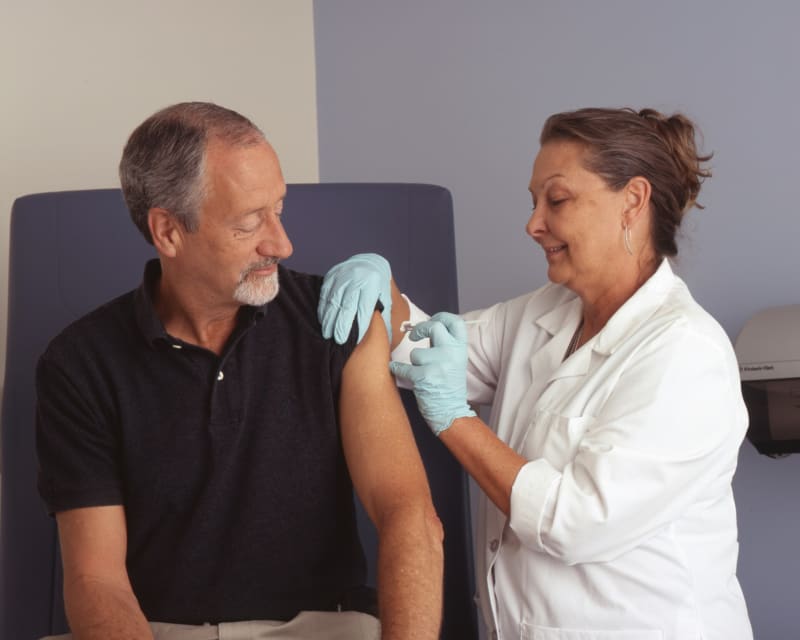
A USC study of 3,800 older adults found that the shingles vaccine doesn't just prevent disease—it may actually slow biological aging. Vaccinated seniors showed lower inflammation and younger biological profiles than unvaccinated peers.

Scientists discovered that keeping consistent daily patterns of rest and activity might help you age more slowly at a biological level. The research suggests that getting the same amount of rest each day without interruption could be as important as how much rest you get.

Scientists at Mayo Clinic have cracked major mysteries about why our bodies age, discovering new ways to identify and potentially neutralize harmful "zombie cells" that drive inflammation and disease. The breakthrough research could pave the way for therapies that help people live healthier, longer lives.
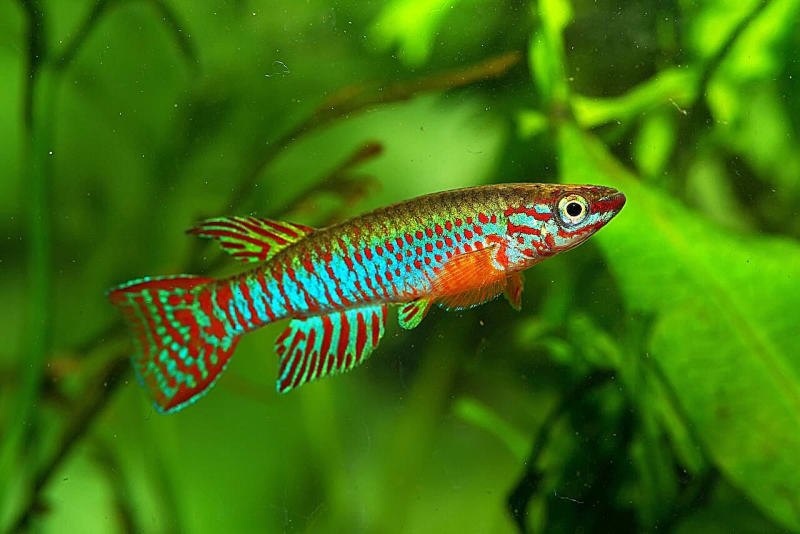
Scientists discovered that a common diabetes medication protects aging kidneys by keeping blood vessels healthy and reducing inflammation. The breakthrough came from studying tiny fish that age in just months, letting researchers witness decades of organ aging in weeks.
Showing 20 of 8991