
Northern England Eyes 2040s Olympics Bid
The UK government has launched a study to bring the Olympics to northern England for the first time. Culture Secretary Lisa Nandy says it's time to show the world what the north can offer.
Find uplifting stories about heroes, innovations, and solutions
28 results for "2040s"
The UK government has launched a study to bring the Olympics to northern England for the first time. Culture Secretary Lisa Nandy says it's time to show the world what the north can offer.
The UK government has launched a study to bring the Olympics north for the first time, with Manchester and Liverpool ready to showcase world-class venues. After decades of London-focused bids, northern England is finally getting its chance to shine on the global stage.

England's proposed smokefree generation law could push smoking rates below 5% among young people decades earlier than expected, potentially saving 88,000 years of healthy life by 2075. The bold policy would progressively raise the legal age for tobacco sales, ensuring anyone born in 2009 or later can never legally buy cigarettes.
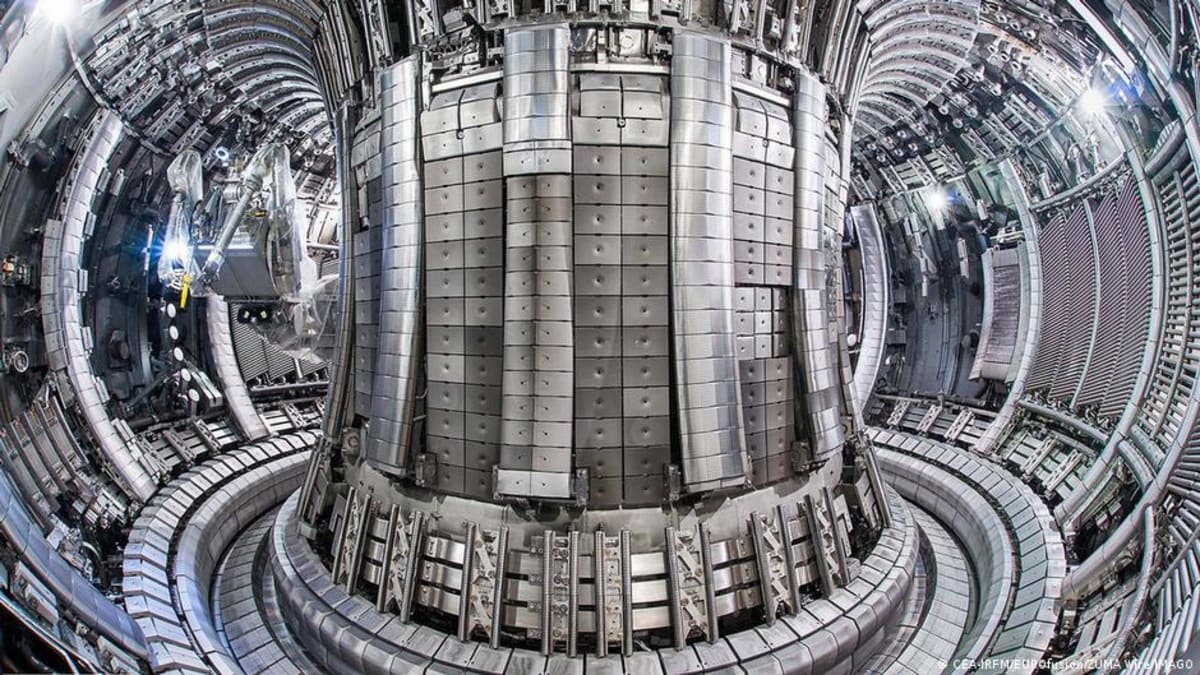
Clean, safe nuclear fusion energy could power the world without fossil fuels or radioactive waste. Four German startups are now competing to make it reality, with the first fusion reactor expected in the early 2040s.
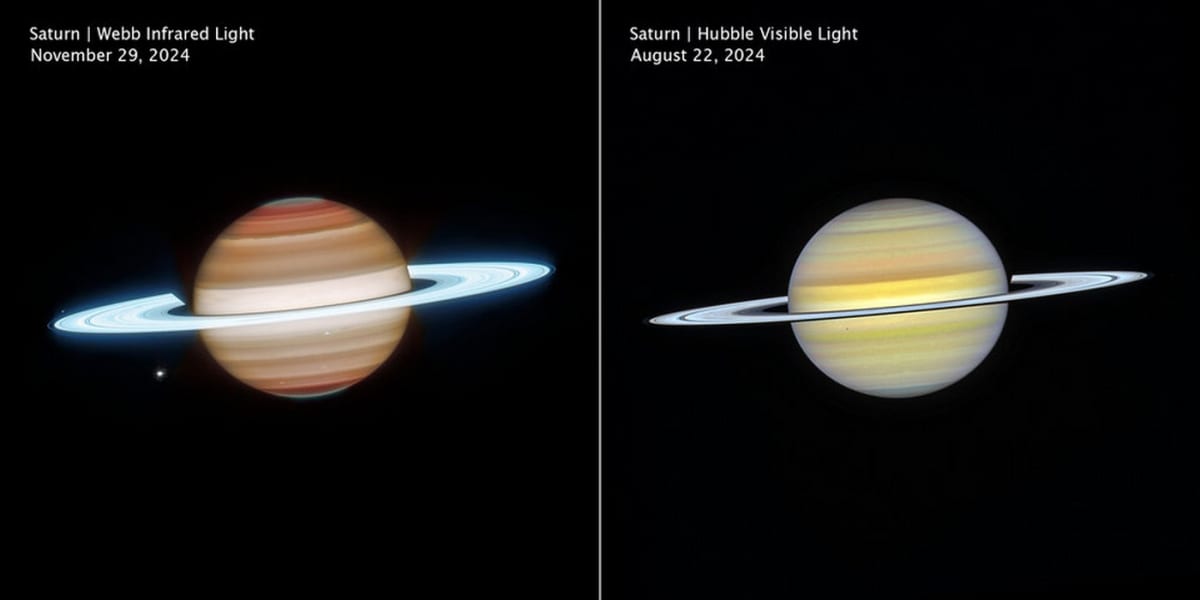
NASA's most powerful telescopes just captured Saturn like you've never seen it before, showing electric blue rings and hidden storms that help scientists understand how giant planets work. These images might be our last detailed look at Saturn's mysterious hexagon storm until the 2040s.
Scientists have solved the technical challenges that could make the 2040s Habitable Worlds Observatory twelve times more powerful than James Webb at detecting signs of life on distant planets. Two breakthrough technologies finally make it possible to spot critical molecules like carbon dioxide in alien atmospheres.

Poland is opening a nuclear training center to prepare workers for a fleet of small modular reactors that will replace coal plants. The country plans to build up to 24 clean energy reactors by the 2030s and 2040s.

A global team of scientists has created the world's most detailed roadmap yet for removing carbon dioxide directly from the air. Their plan shows how scaling existing technologies could help reverse temperature rises within our lifetime.
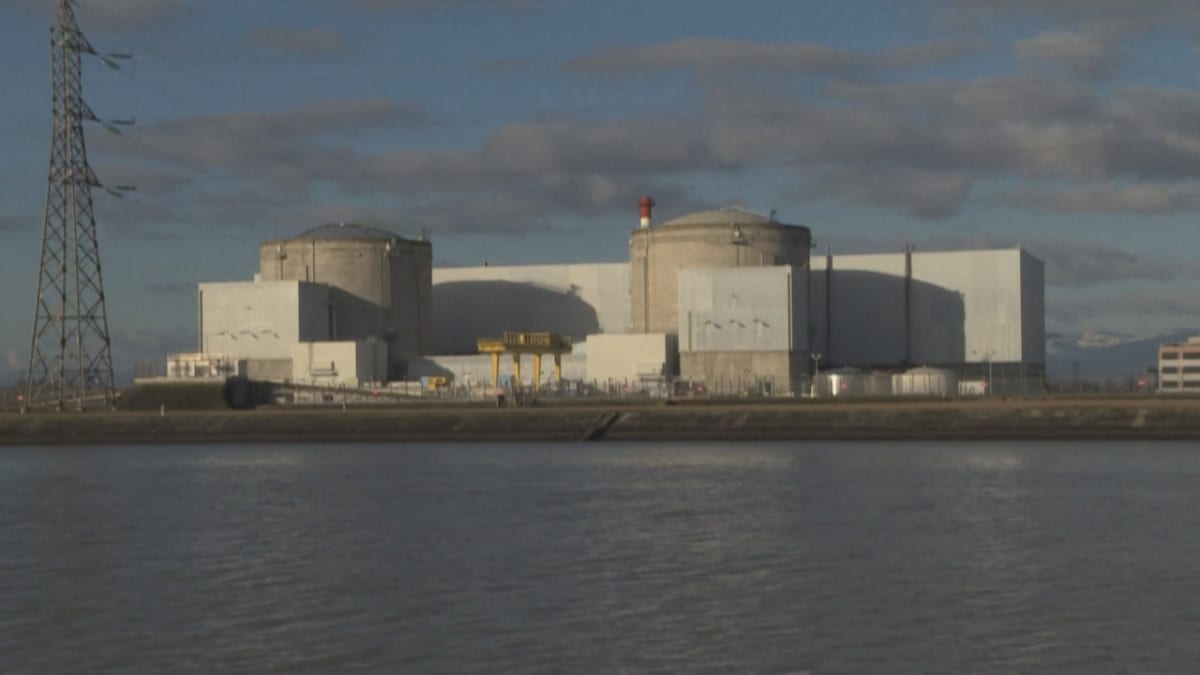
France is transforming its oldest nuclear plant into a model for safe decommissioning, turning 43 years of energy history into hope for the future. The 22-year project will safely dismantle Fessenheim while paving the way for next-generation clean energy.
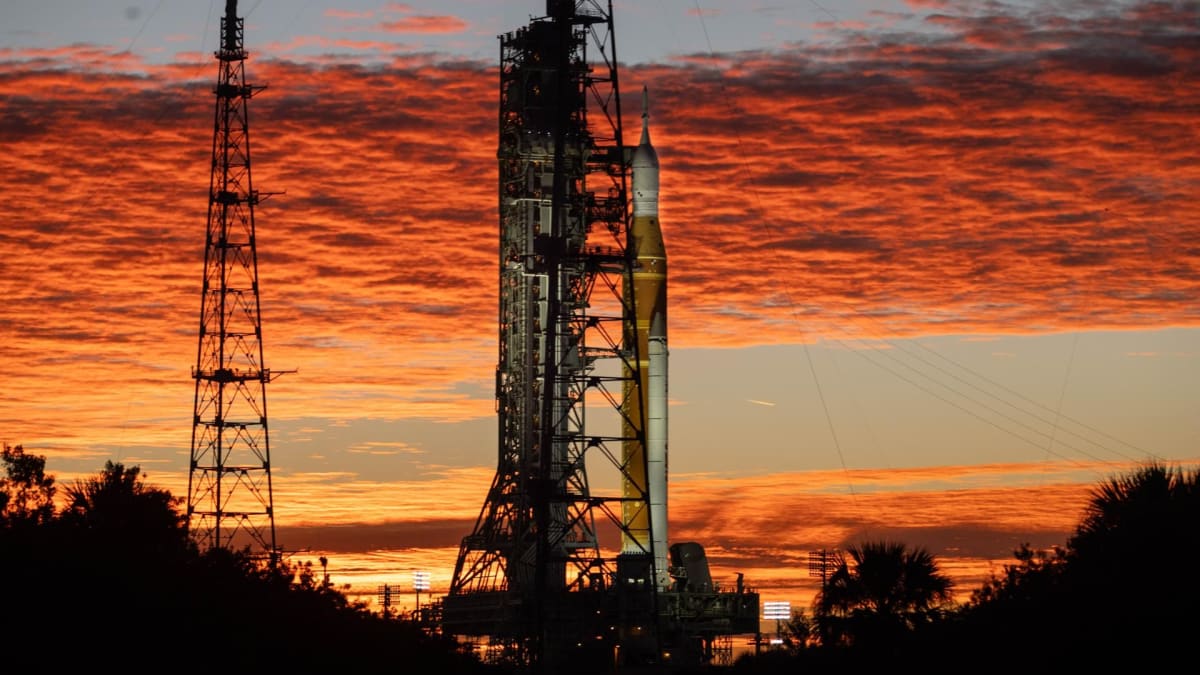
For the first time since 1972, humans are heading beyond Earth's orbit to the moon. NASA's Artemis 2 mission launched today, sending four astronauts on a journey that marks the beginning of humanity's return to deep space.
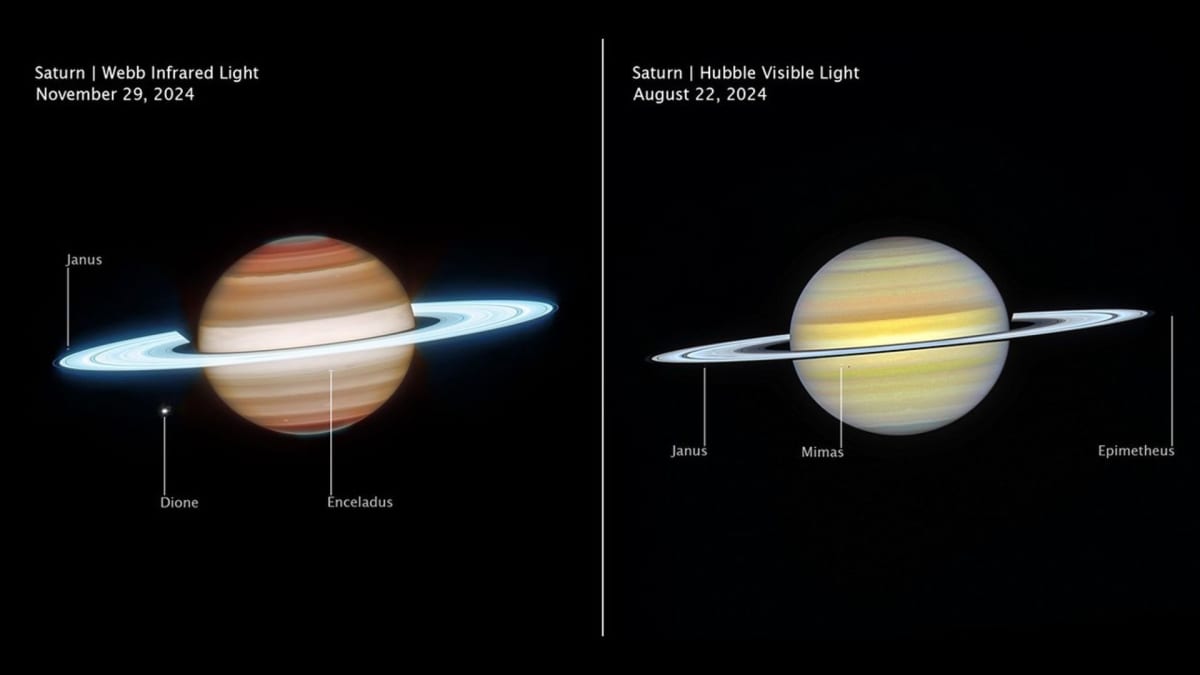
Two powerful space telescopes just captured Saturn's atmosphere in unprecedented detail, revealing the ringed planet's mysterious hexagon and glowing ice rings. Scientists say these combined views give us the most complete picture of Saturn ever taken.

Singapore celebrated 179 new citizens from diverse backgrounds at its annual National Citizenship Ceremony, emphasizing how differences strengthen the nation's shared identity. The country is ramping up citizenship grants to address population challenges while preserving its multicultural harmony.

After JWST found several barren planets, astronomers aren't giving up. Two new missions launching by 2040 offer real hope for detecting life on distant worlds.
NASA's two most powerful space telescopes teamed up to capture Saturn like never before, revealing hidden storms, atmospheric layers, and stunning details of the ringed giant. The combined images give scientists a three-dimensional view of the planet and may remain the best look we get for decades.

The shipping industry's push toward zero-emission fuels just cleared a major hurdle, despite opposition from fossil fuel interests. A global framework that would transform how the world's cargo ships are powered remains alive after tense international negotiations.

Scientists at the University of Central Florida are developing breakthrough technology that could help astronomers finally spot Earth-like planets capable of supporting life. The new system solves a major problem that has kept potentially habitable worlds hidden from view.

The United Kingdom just passed groundbreaking legislation that will permanently ban tobacco sales to anyone born on or after January 1, 2009. This bold move could prevent tens of thousands of early deaths and create the country's first truly smoke-free generation.
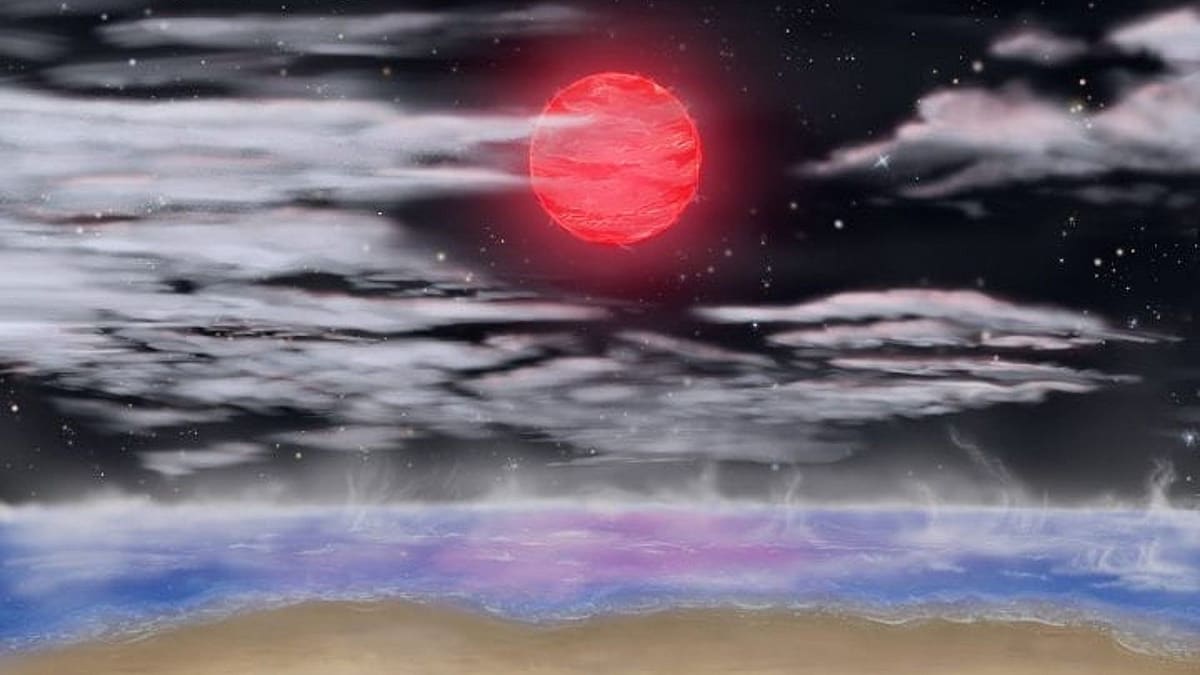
Scientists have discovered a rocky planet in the habitable zone just 25 light-years away, making it one of our closest cosmic neighbors. The super-Earth receives similar radiation to our own planet and could potentially harbor liquid water and life.
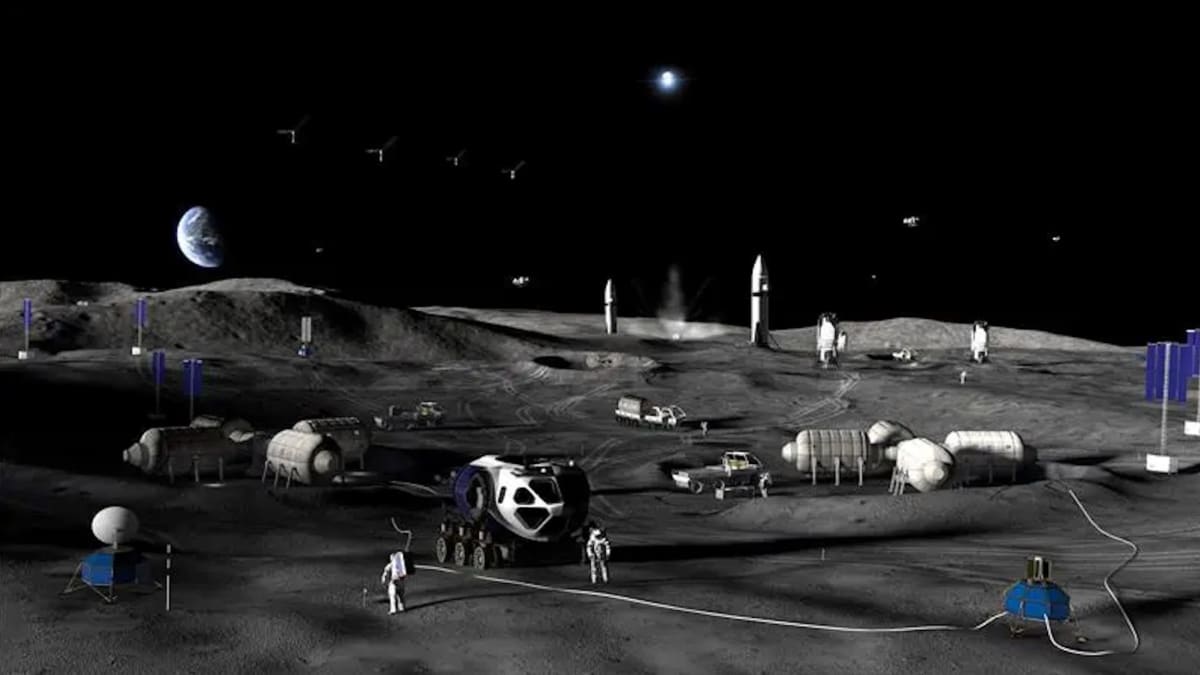
The United States has formally invited India to help build a permanent lunar base near the moon's south pole, marking a major milestone in space cooperation between the two nations. NASA plans to establish a sprawling base by 2032 that could support continuous human presence on the moon.

Astrophysicists created the highest resolution map ever of dark matter, the invisible substance that makes up 27% of the Universe and holds galaxies together. Using the James Webb Space Telescope, they can now see cosmic structures we've never glimpsed before.
Showing 20 of 28