%2Fhttps%3A%2F%2Ftf-cmsv2-smithsonianmag-media.s3.amazonaws.com%2Faccounts%2Fheadshot%2FSarahKuta.png)
Scientists Discover Sharks May Not All Share Common Ancestry
A groundbreaking genetic study suggests the shark family tree might need a major rewrite. Some ancient shark species may belong to their own separate branch of evolution.
Find uplifting stories about heroes, innovations, and solutions
93 results for "ancestry"
A groundbreaking genetic study suggests the shark family tree might need a major rewrite. Some ancient shark species may belong to their own separate branch of evolution.
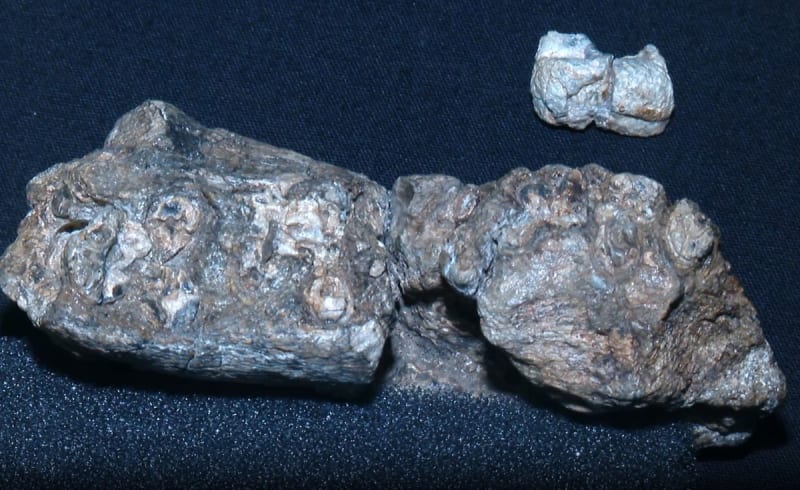
Scientists in Ethiopia discovered a 2.6-million-year-old fossil that solves a longstanding mystery about early human evolution in East Africa. The find fills a crucial gap in understanding how our ancient ancestors spread across the continent.
%2Fhttps%3A%2F%2Ftf-cmsv2-smithsonianmag-media.s3.amazonaws.com%2Ffiler_public%2Fdf%2F98%2Fdf98b734-864a-4e02-8833-16dadedb682d%2Fsmithsonian_feature_images_21.png)
A forgotten fossil in a museum drawer just rewrote the history of spiders, scorpions, and their ancient relatives. The 500-million-year-old creature with massive claws pushes back the evolutionary timeline by millions of years.

Researchers discovered over 100 new genes linked to schizophrenia by studying African ancestry populations for the first time. The breakthrough could help doctors spot warning signs earlier and develop better treatments.

After five decades of searching for her biological father, Debbie finally found answers through a Christmas DNA test. The unexpected gift connected her with family she never knew existed.

Norfolk Island's 2,100 residents will complete Australia's census this month with a meaningful upgrade. For the first time, they can fully express their unique Pitcairn heritage through improved ancestry questions.

Small businesses across Victoria are discovering that cultural diversity isn't just good for communities—it's great for their bottom line. With over 290 languages spoken and 314 ancestries represented, Victorian businesses are turning multicultural connections into real competitive advantages.
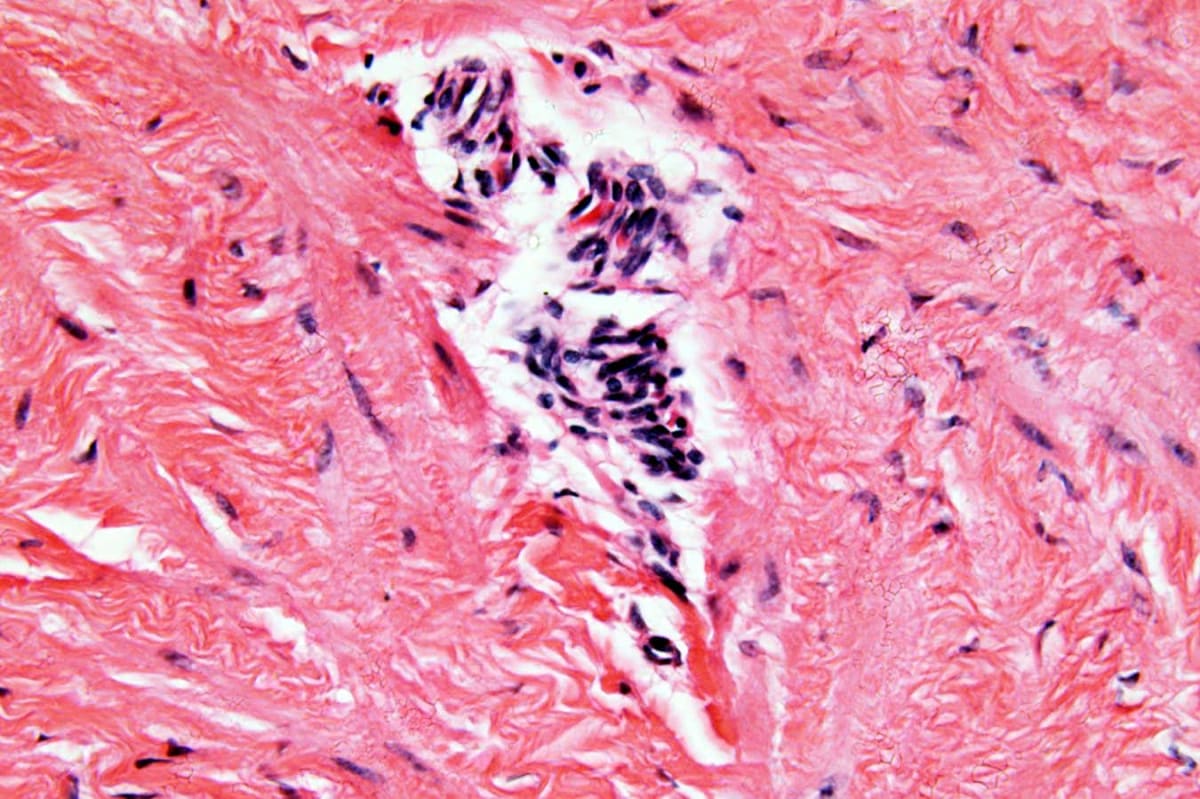
A groundbreaking study analyzing data from over one million women has uncovered 300 genes linked to endometriosis, offering new hope for better treatments. For the first time, researchers identified specific genes in African ancestry populations, addressing a critical gap in women's health research.
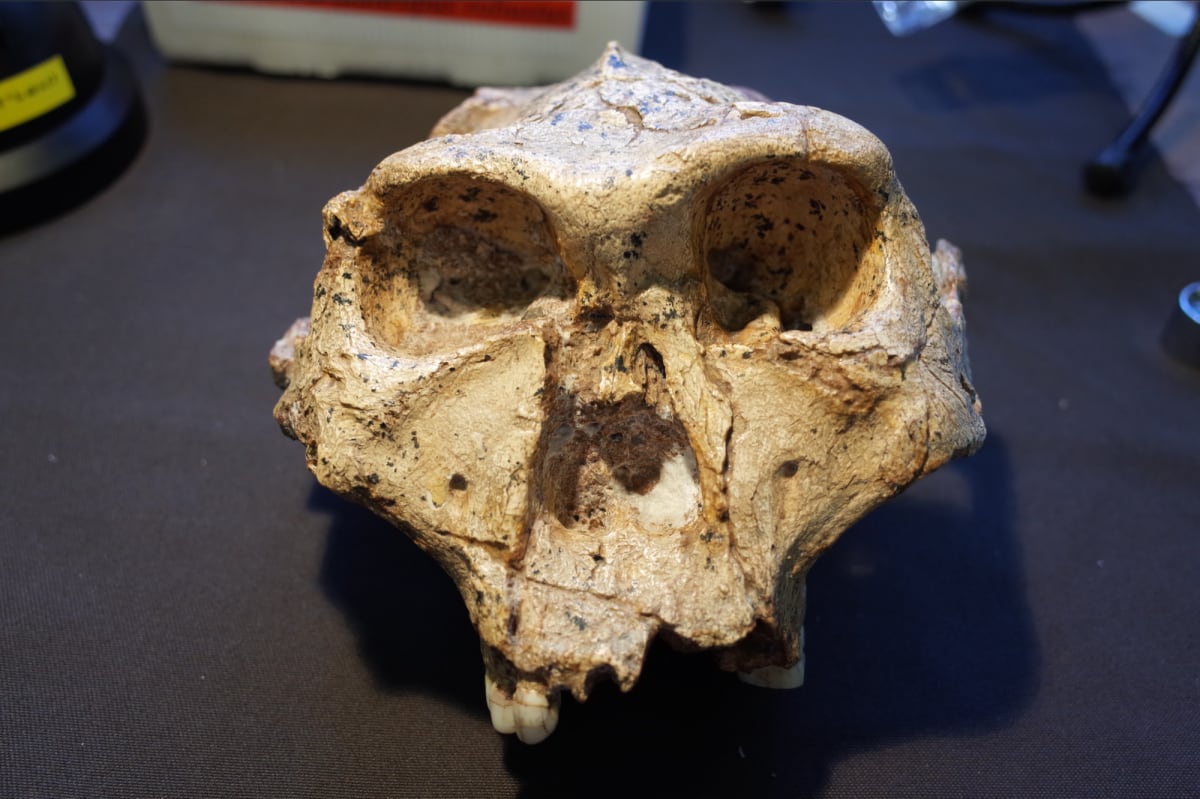
New research suggests our ancient relatives like Australopithecus and Paranthropus should be reclassified as part of the Homo genus, potentially uniting 4 to 5 million years of human evolution under one family name. The proposal aims to fix outdated labels that no longer match what fossils actually reveal about our ancestry.
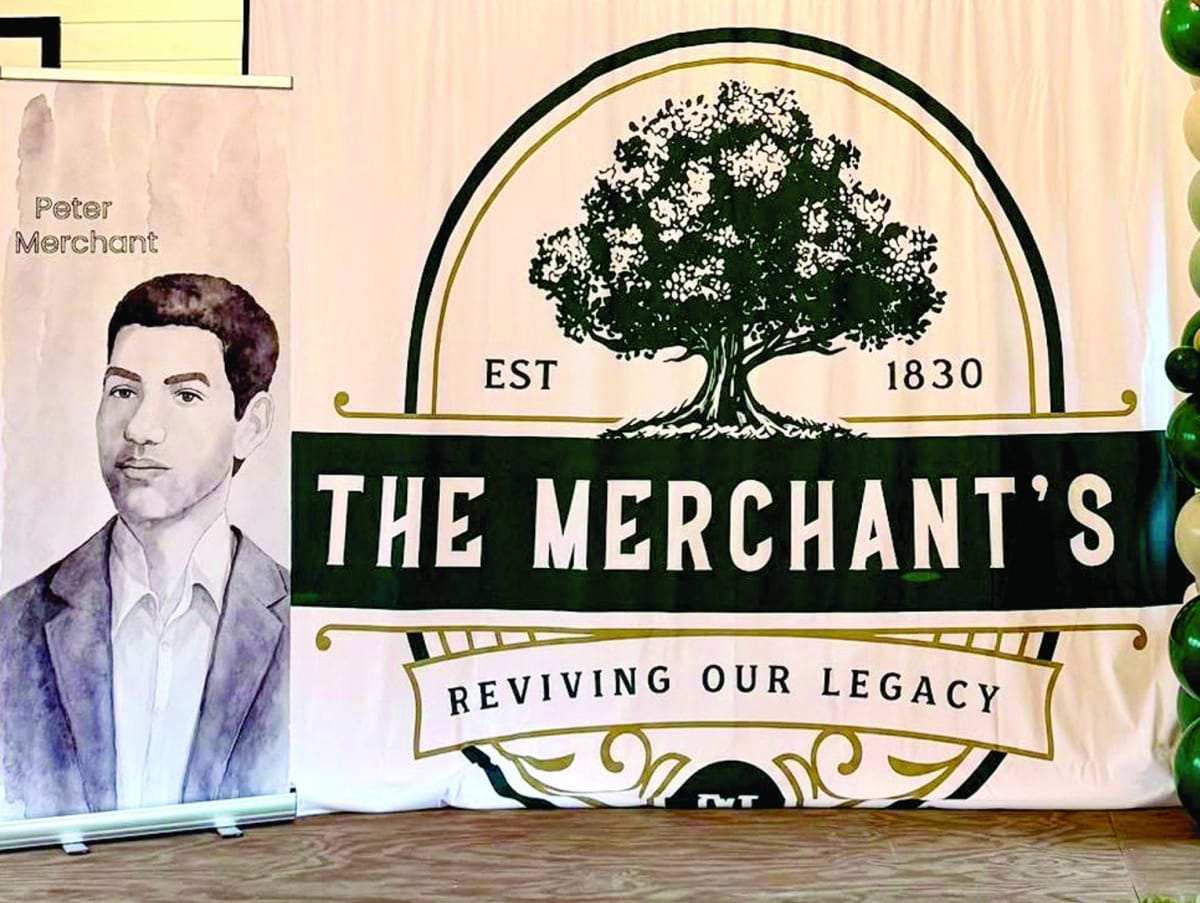
Over 200 relatives traveled across the country to celebrate their shared heritage at the first-ever Merchant Family Reunion, honoring an ancestor who was enslaved in Georgia before building a new life after emancipation. The historic gathering brought together generations to preserve their family story and create a lasting tradition.
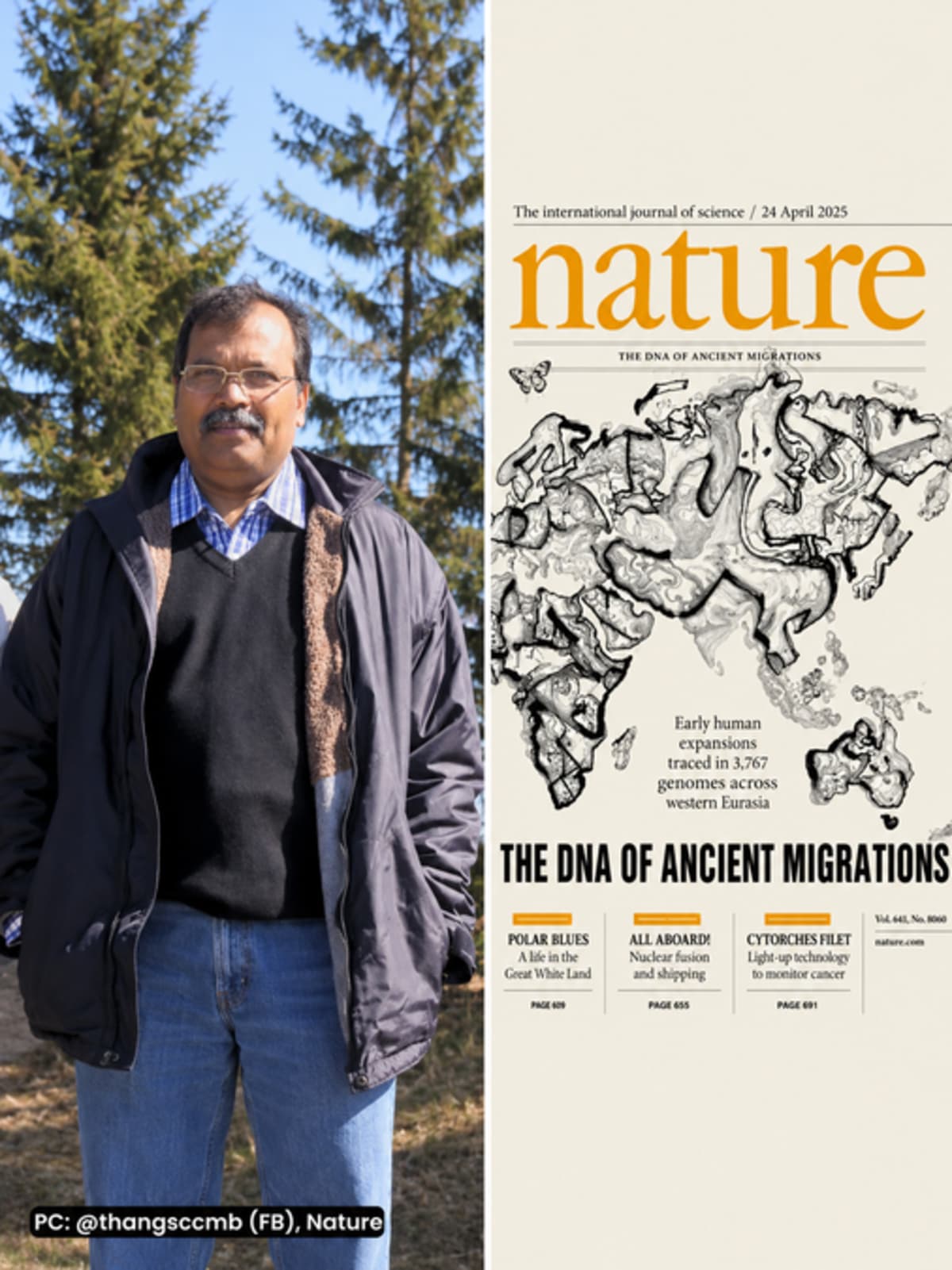
Dr Kumarasamy Thangaraj journeyed to remote islands and collected blood samples that revealed India's earliest human story. His work traced ancestry back 65,000 years and now helps prevent genetic diseases.
A new method has revealed that all living humans carry DNA from a mysterious extinct human group that interbred with our ancestors before they left Africa. The discovery rewrites our understanding of human evolution and proves we're connected to relatives we've never even found fossils for.
A decade-long mystery about a Roman-era skeleton just got solved with cutting-edge science. The woman once thought to have African or Mediterranean roots was actually a local Briton.
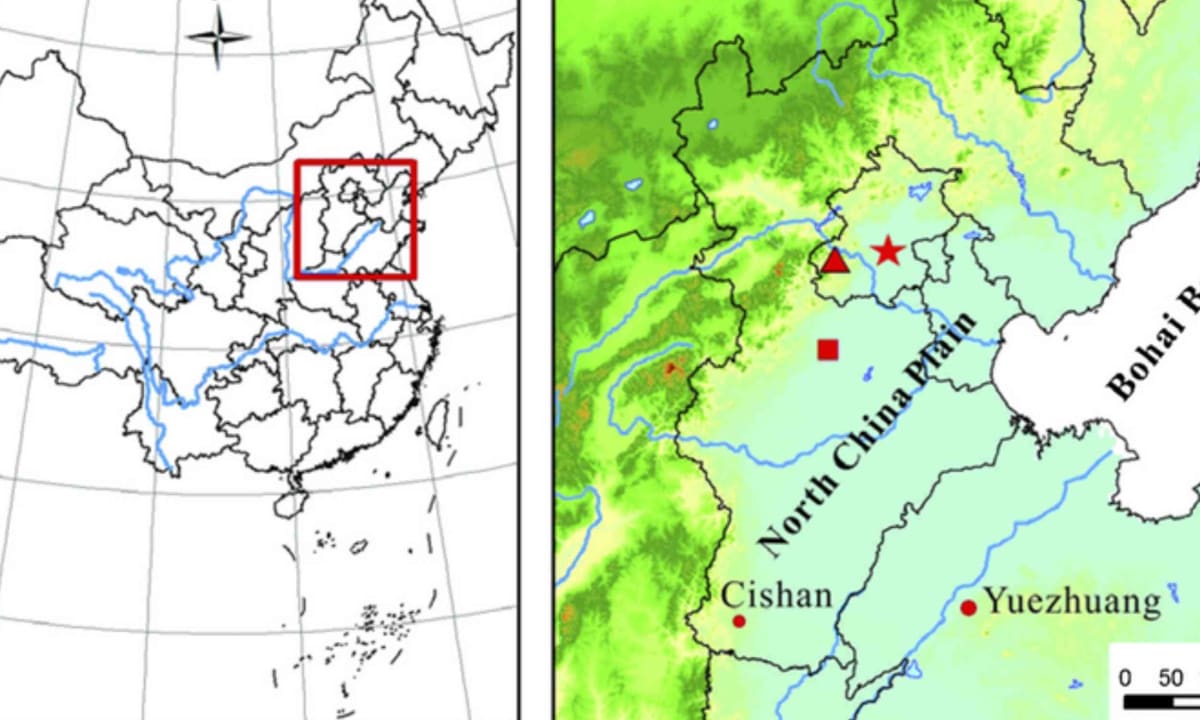
Scientists uncovered DNA from a previously unknown human branch that lived through the end of the last ice age in northern East Asia, rewriting what we know about ancient survival. The discovery shows human diversity persisted far longer than expected, even as cultures transformed.

Most medical research has studied only European DNA, leaving African populations invisible in health databases despite having the world's greatest genetic diversity. Scientists across nine African countries just sequenced over 1,000 genomes from underrepresented groups, potentially unlocking millions of new genetic discoveries.
A groundbreaking UCLA study of nearly 94,000 diverse patients discovered how genetics predict who responds best to popular weight loss medications like Ozempic. This breakthrough could transform how doctors prescribe treatments, ensuring medications work better for everyone.
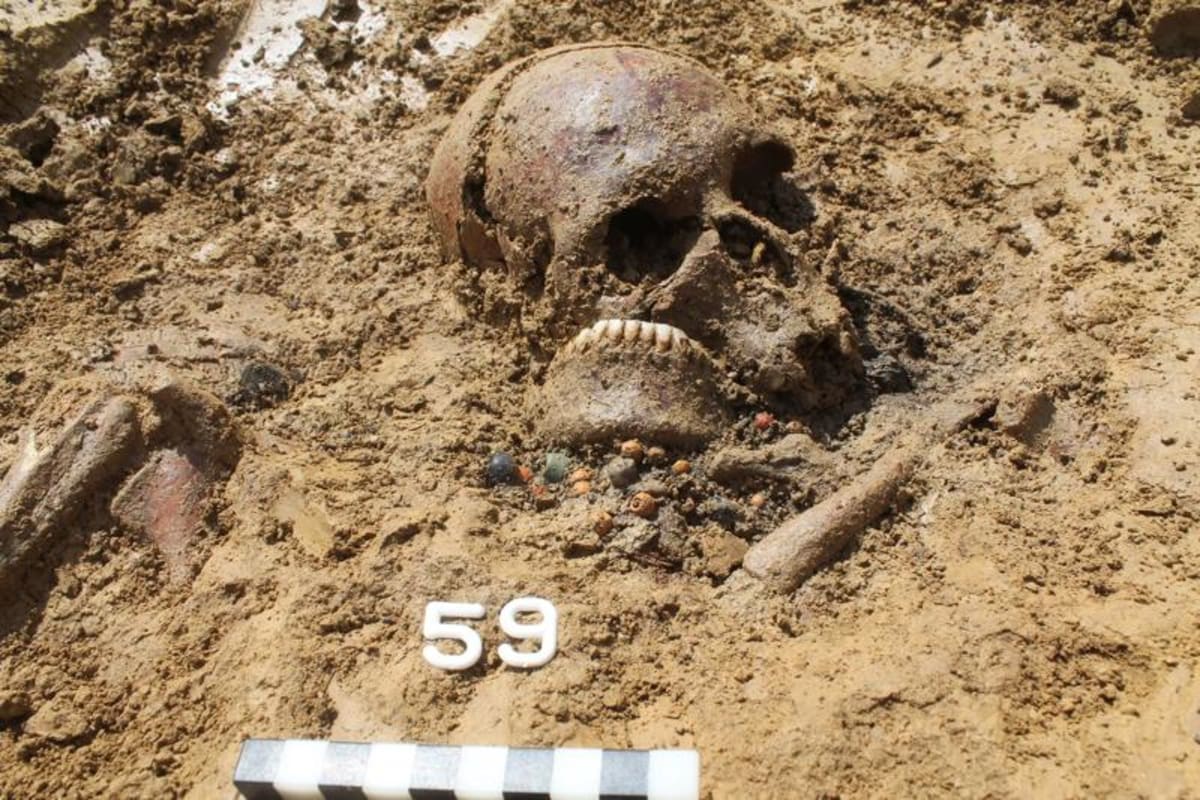
New genetic evidence reveals that when the Roman Empire collapsed, two distinct groups peacefully blended together rather than clashing. The discovery challenges centuries of assumptions about the "fall" of Rome being a violent catastrophe.

A Roman-era skeleton that sparked worldwide debate about ancient migration has revealed her true identity through cutting-edge DNA analysis. The Beachy Head Woman was actually a local Briton, not an African or Mediterranean traveler as scientists once believed.
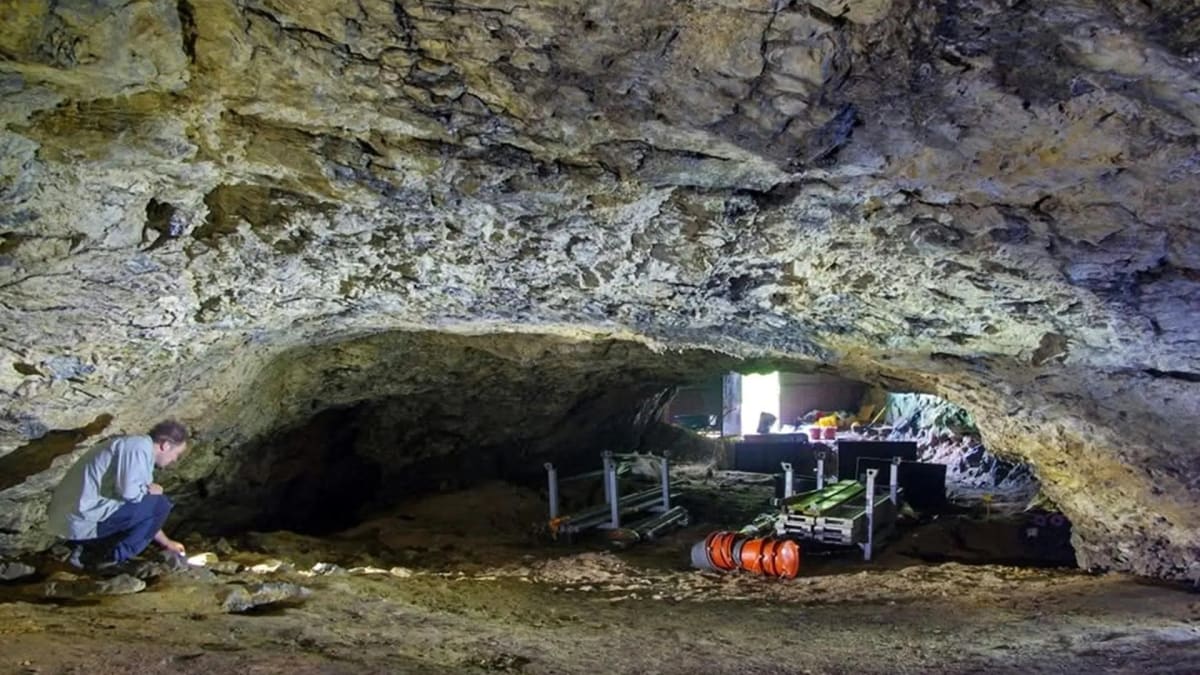
New DNA evidence shows prehistoric women carried farming knowledge into hunter-gatherer communities through marriage, reshaping Europe's history. Scientists traced genetic patterns across 7,000 years to reveal how cultures blended through family bonds, not conquest.
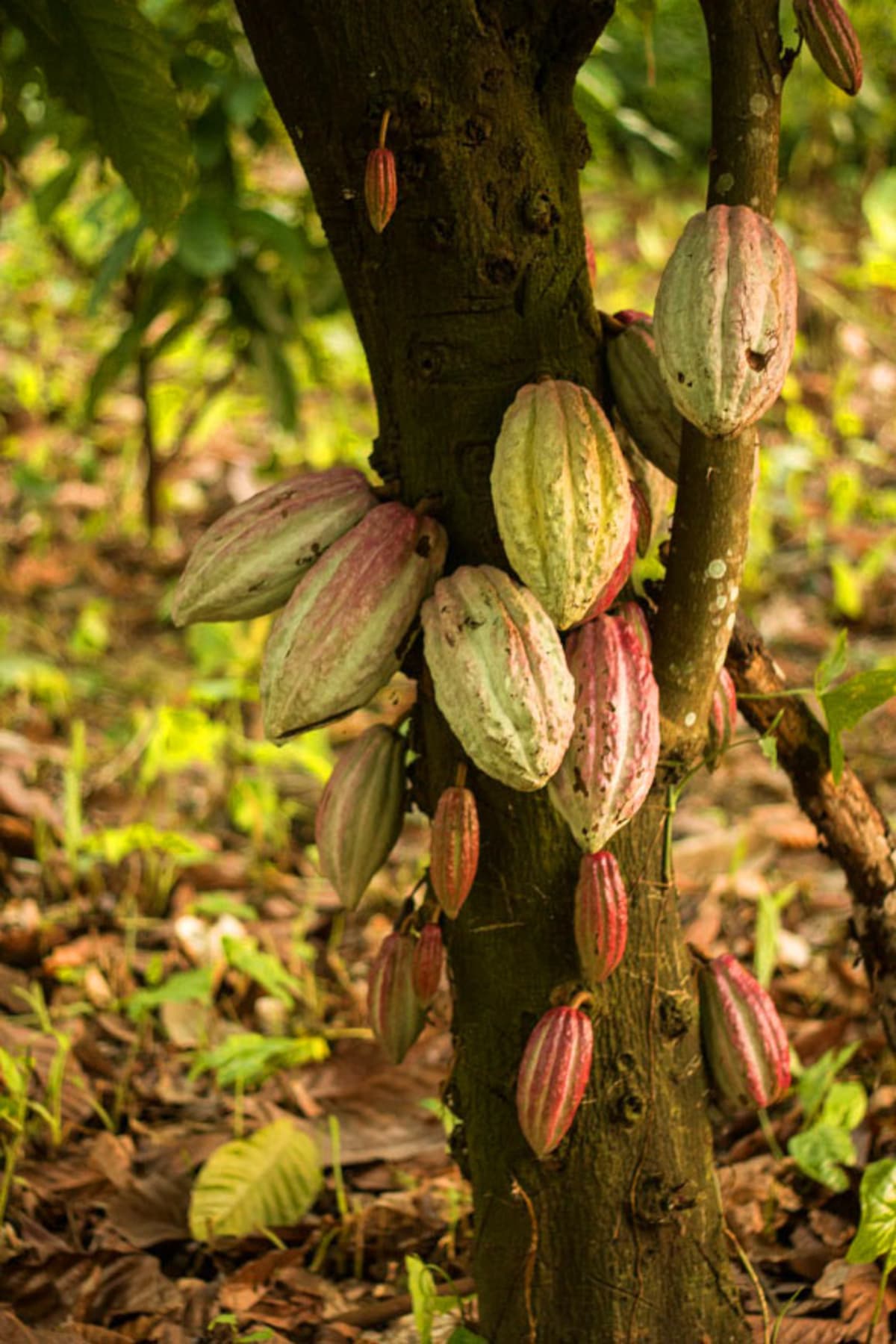
Scientists discovered four new genetic varieties of cacao trees growing in Peruvian farmers' backyards, with two showing potential for exceptional chocolate flavor. The find could boost income for over 80,000 farming families while expanding options for premium chocolate makers worldwide.
Showing 20 of 93