Singapore Launches Smart Drone Traffic System by 2026
Singapore is building a cutting-edge platform to safely manage all drone flights in one place. The system will speed up approvals and track drones in real time across the nation.
Find uplifting stories about heroes, innovations, and solutions
21 results for "aviation technology"

Singapore is building a cutting-edge platform to safely manage all drone flights in one place. The system will speed up approvals and track drones in real time across the nation.

Singapore is creating a cutting-edge system to safely manage its growing drone traffic, opening doors for delivery services, emergency response, and urban mobility. The collaboration between French aerospace leader Thales and local tech company Deeeplabs will streamline how drones share the skies across the island nation.

Pegasus Airlines is transforming aviation safety and efficiency with an AI platform that helps pilots and crew instantly access critical flight information. The Turkish carrier's innovation supports 30,000 flight operations worldwide each month.
Japanese researchers just flipped an 80-year-old aviation rule on its head: rougher surfaces can actually reduce drag better than smooth ones. This breakthrough could revolutionize how we build planes, trains, and cars.

A Boston company has developed an AI system that could fly large cargo planes without human pilots, offering a solution to the aviation industry's severe pilot shortage. After years of testing on commercial routes, the technology is now ready for large aircraft like the Hercules.

A small island nation just showcased aviation technology that could reshape how planes fight climate change. Scientists from around the world are taking notice.

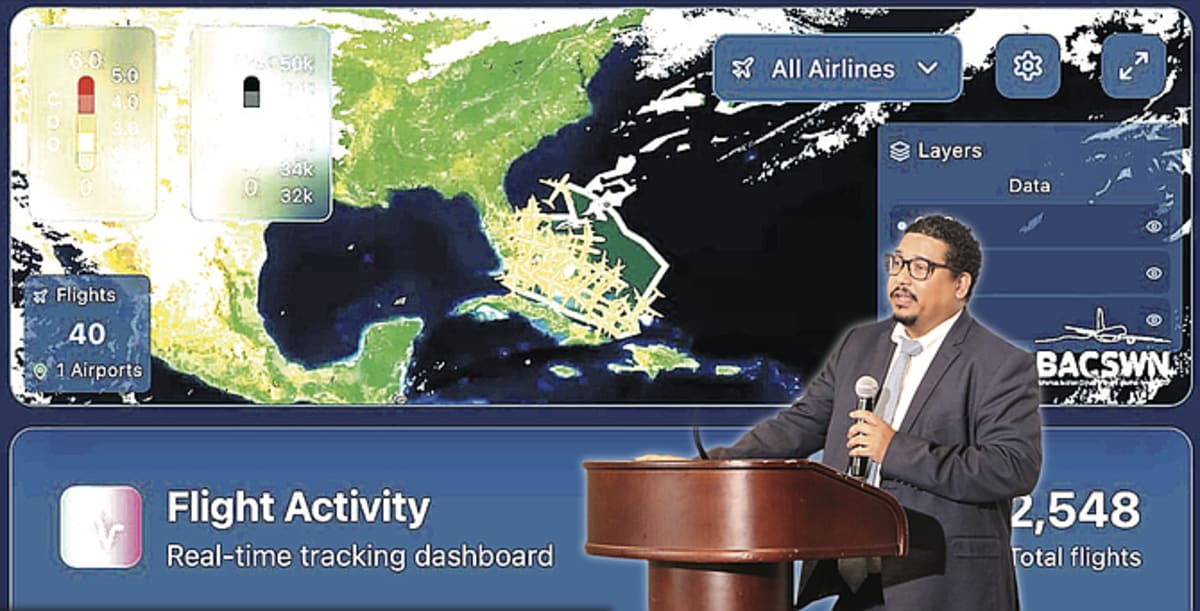
A Bahamian aviation technology is turning climate scientists' heads with a world-first platform that helps airlines reduce carbon emissions while planes are still in the air. The system uses live weather data and 3D mapping to optimize flight paths, proving small island nations can lead big climate solutions.
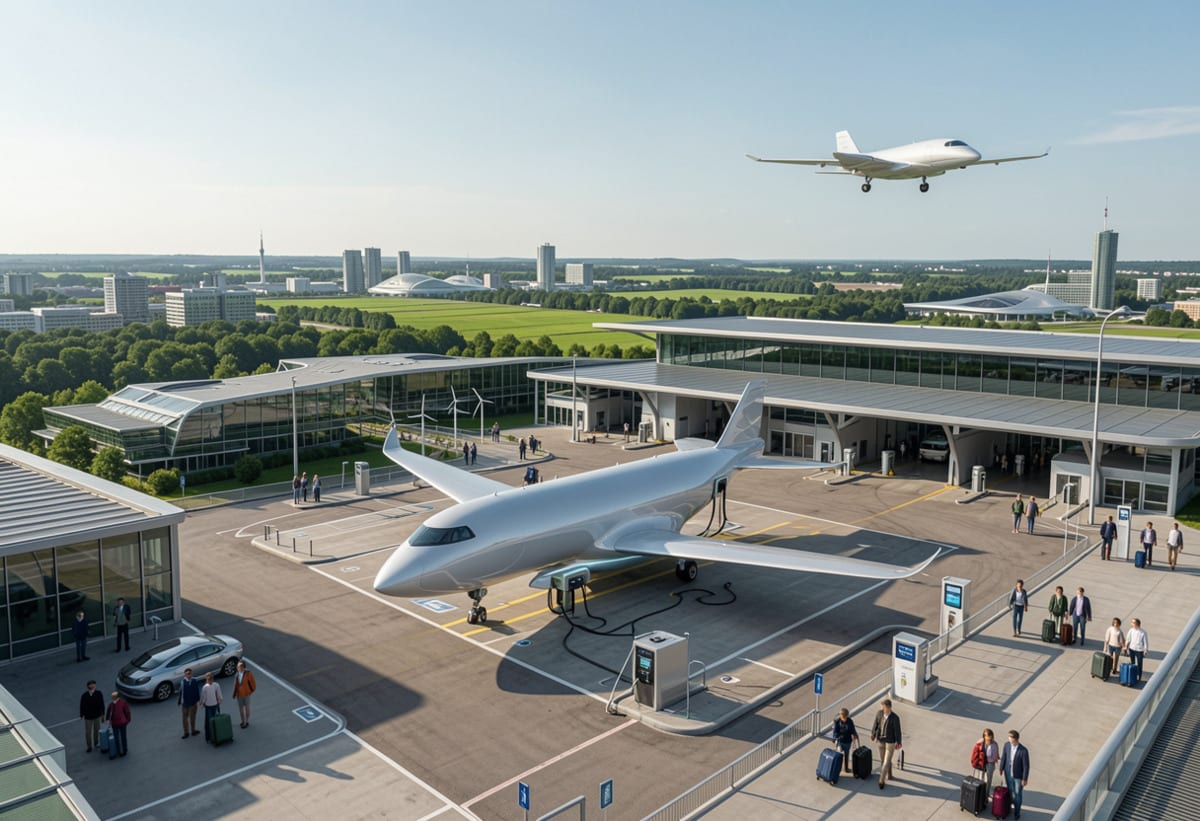
Cornell students are solving one of NASA's biggest challenges: how to safely manage thousands of drones flying together in crowded skies. Their breakthrough approach teaches drones to avoid collisions on their own, just like cars navigate roads.

The UAE's aviation authority just released an artificial intelligence platform that opens its data to innovators worldwide. The move could accelerate breakthrough solutions in flight safety, efficiency, and passenger experience.

EgyptAir just became the first major Middle Eastern carrier to offer completely free Wi-Fi across its entire modern fleet. Passengers can now message, call, and browse at no cost for up to two hours on every flight.

Australian scientists have cracked a major hydrogen fuel cell problem that could make clean-powered planes a reality. Their microscopic channel design prevents water buildup and delivers 75% more power than standard cells.

The future of transportation just got a launch date. The US Department of Transportation announced that electric aircraft that take off like helicopters and fly like planes will start operating in American airspace as early as June.

A new generation of female innovation leaders is transforming how passengers experience air travel, with women now leading robotics and digital transformation at some of the world's busiest airports. Their visibility is opening doors for the next wave of talent in aviation technology.

A South African company is helping African airports work smarter without building new terminals. Their AI-powered tools predict crowds, optimize gate assignments, and turn aging infrastructure into efficient hubs.

NASA just successfully tested a system that could make high-altitude airspace safer and more accessible for aircraft bringing internet to remote areas and monitoring disasters. The breakthrough could open the door to life-saving humanitarian missions above 50,000 feet.

Singapore and Airbus just certified a groundbreaking system that lets military aircraft refuel in mid-air automatically, making dangerous manual operations safer and easier. The technology marks a world first in aviation and could transform how air forces around the globe keep their planes flying longer.

Fighter pilots in the Netherlands are learning to fly with AI technology that reads their brainwaves and adjusts training difficulty in real time. The system creates personalized training that keeps pilots challenged without overwhelming them.

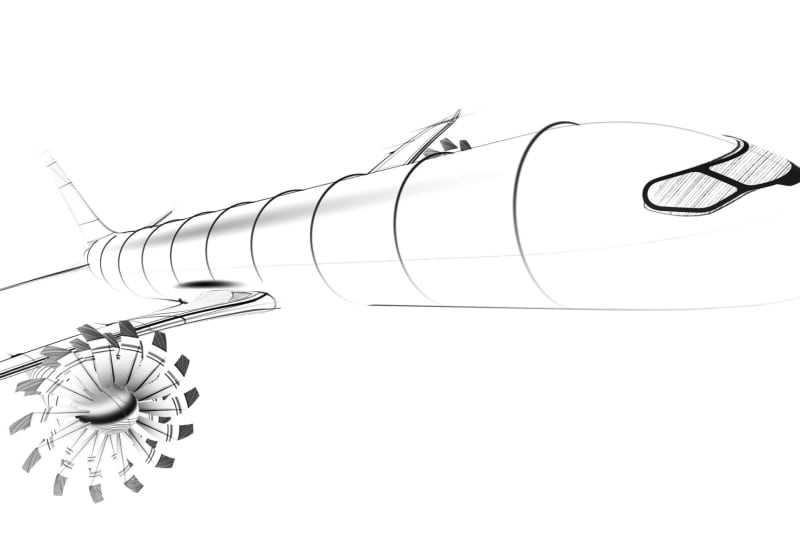
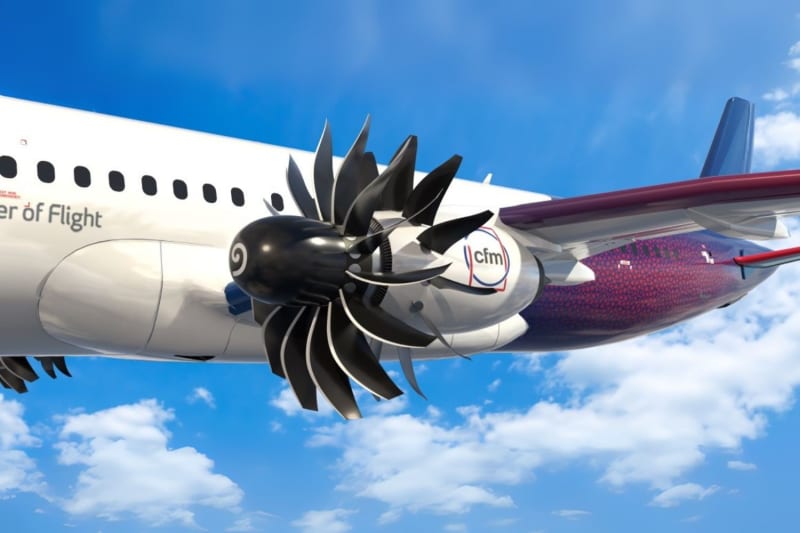
Singapore will become the world's first active airport to test revolutionary open fan aircraft engines that could slash aviation emissions. Changi or Seletar Airport will host real-world trials of technology that could transform how planes fly within a decade.

As global air travel surges to 10.2 billion passengers this year, airports worldwide are turning to artificial intelligence to keep operations smooth and travelers happy. From instant immigration processing to tracking lost luggage, AI is transforming how airports handle the growing crowds. #

NASA just successfully tested a revolutionary wing design that could save airlines millions per plane each year while dramatically reducing emissions. The breakthrough technology makes air flow smoother over wings, cutting fuel consumption on flights worldwide.
Showing 20 of 21