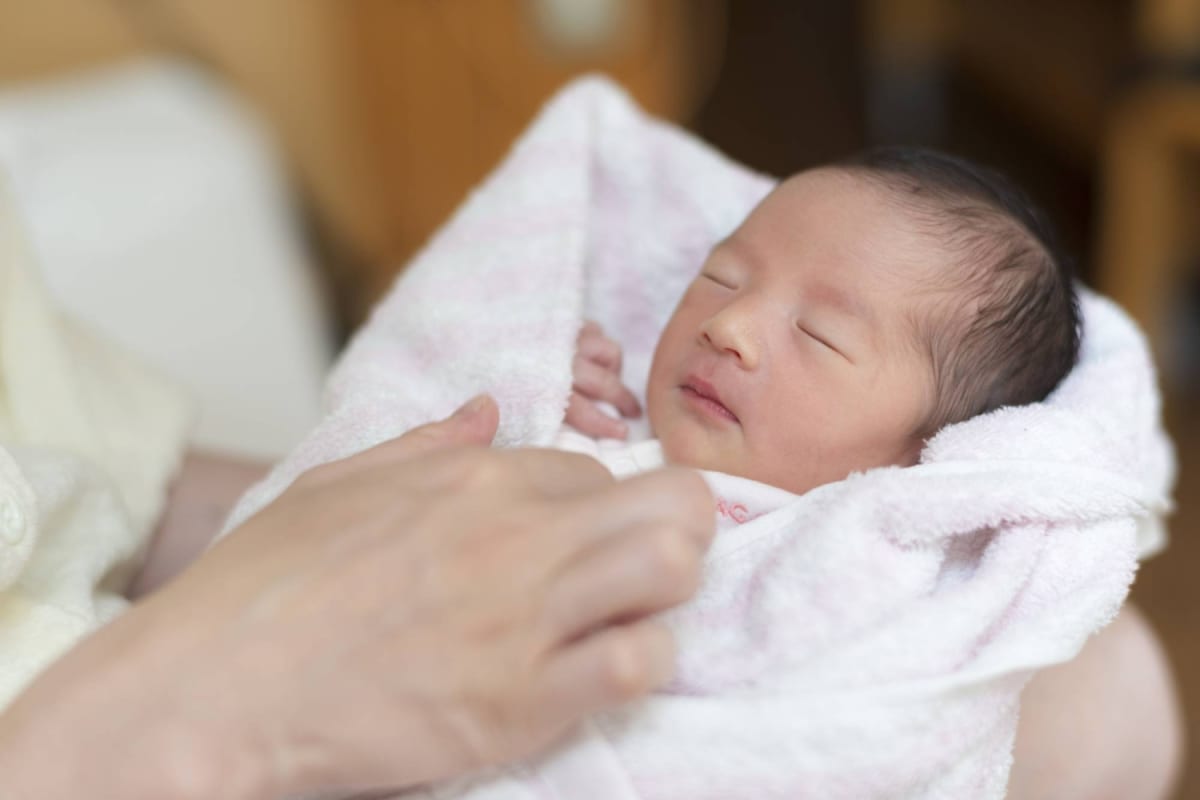
Japan's Birth Decline Slows to 2.2%, Births Rise in 30s
After years of steep population drops, Japan's birth rate decline has slowed dramatically. Even better, births among women in their thirties are actually rising for the first time in years.
Find uplifting stories about heroes, innovations, and solutions
2293 results for "birth trauma"
After years of steep population drops, Japan's birth rate decline has slowed dramatically. Even better, births among women in their thirties are actually rising for the first time in years.

A culturally focused health program in Australia is helping Indigenous mothers give birth to healthier babies through personalized support and care. The Birthing on Country initiative keeps families together and communities strong during one of life's most important moments.

A Maryland clinic specializing in trauma treatment has moved to a larger space, doubling its capacity to help survivors heal. The new facility will also train therapists across the region in cutting-edge trauma care techniques.
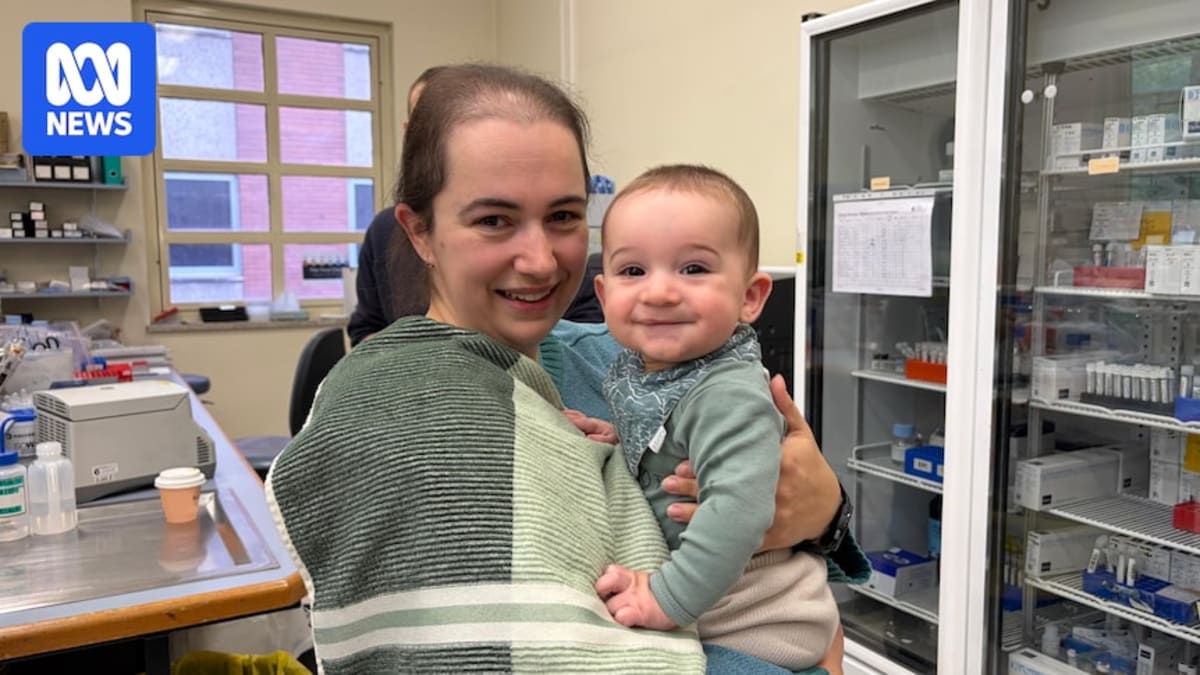
South Australian pregnant women will get free omega-3 blood tests starting June 1, a world-first program that could prevent early births for one in six mothers. Twenty years of research proved low omega-3 levels directly increase preterm birth risk.
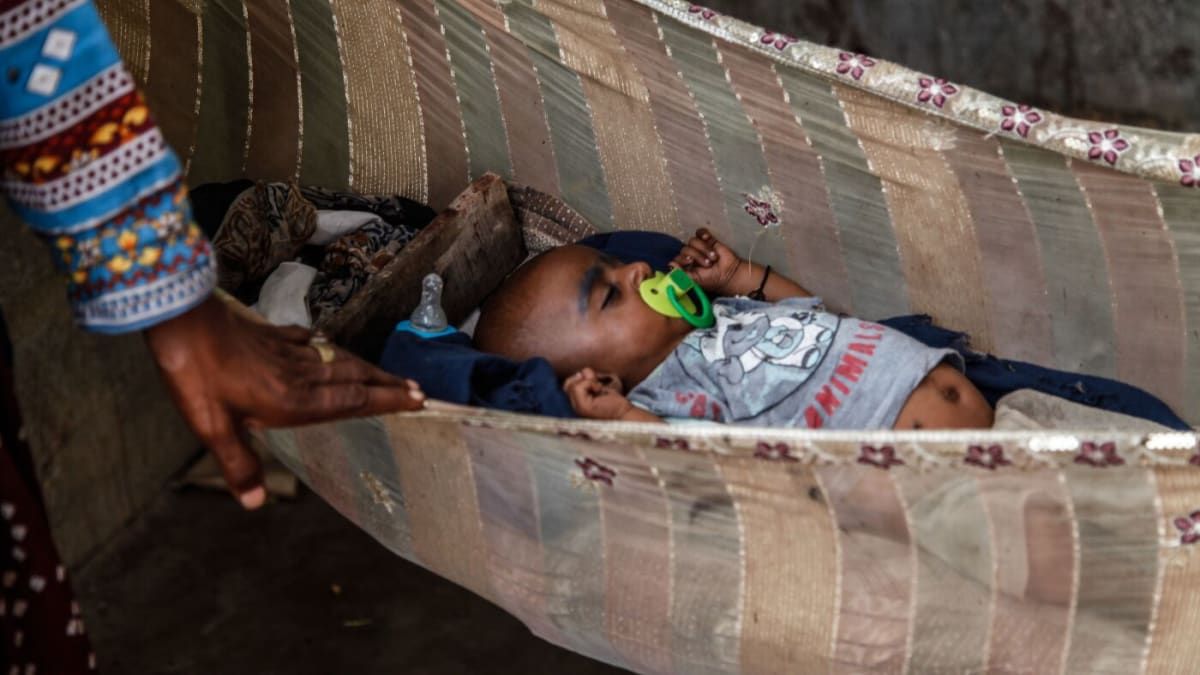
Scientists in Pakistan discovered a single bacteria that can predict premature birth risk in pregnant women. The breakthrough could help save countless newborns in a country where premature birth is a leading cause of infant death.

A massive US study tracking over 11 million births across two decades finds no link between fluoridated drinking water and birth weight, putting to rest safety concerns for pregnant women. The research offers reassurance about one of America's most widespread public health practices.

A viral video showed a father drinking water while his partner gave birth, sparking harsh criticism online. A labor and delivery nurse revealed the truth behind the moment that changed everything.

A viral video showed a father-to-be sitting and drinking water while his partner gave birth, sparking outrage online. A labor and delivery nurse explained why this moment actually showed he was a caring partner, not a careless one.
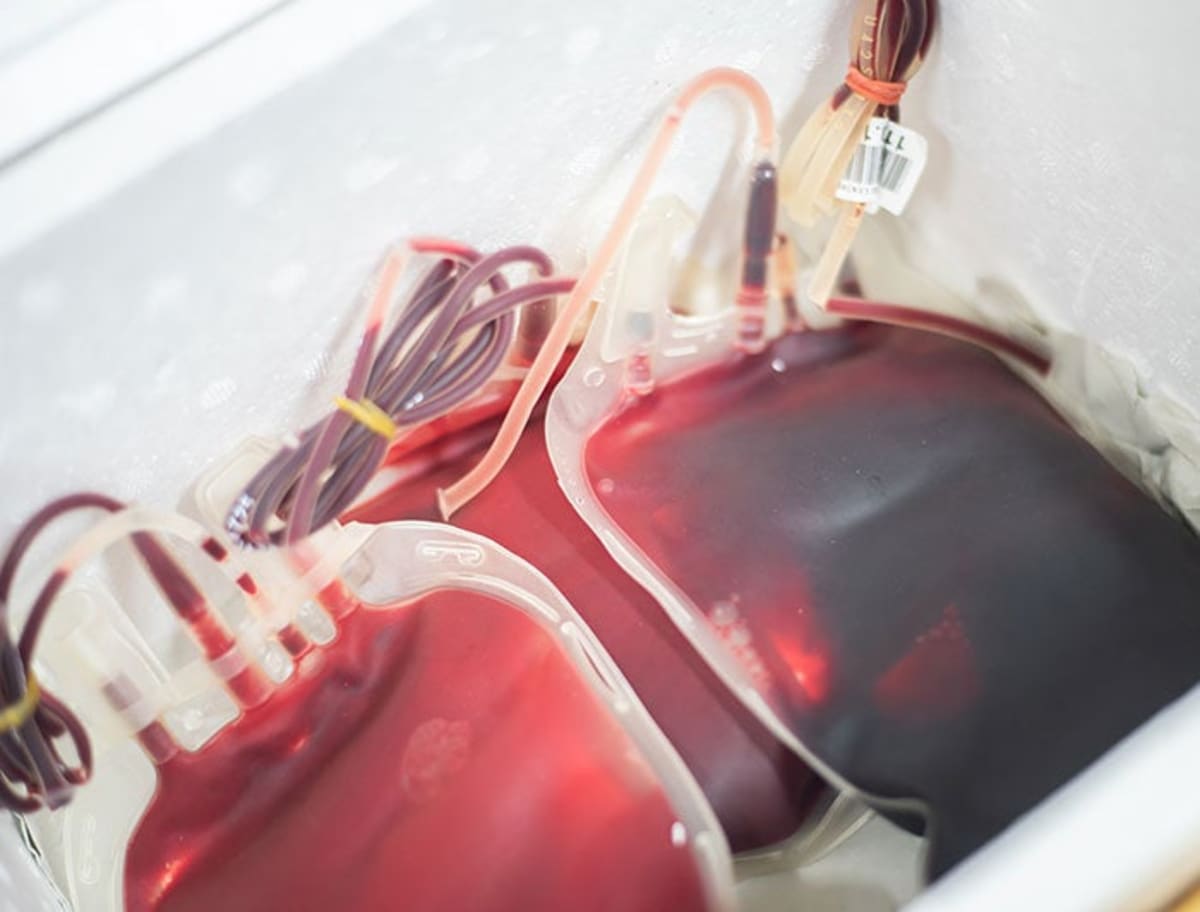
AtlantiCare paramedics in southeastern New Jersey can now perform blood transfusions directly at emergency scenes, bringing hospital-level trauma care to patients within minutes of injury. The breakthrough program addresses severe hemorrhage, the leading preventable cause of death after trauma.

Nigeria just made it possible for parents to register births and deaths from their phones, ending the need for long trips to government offices. The new digital system went live July 1st across all 36 states.
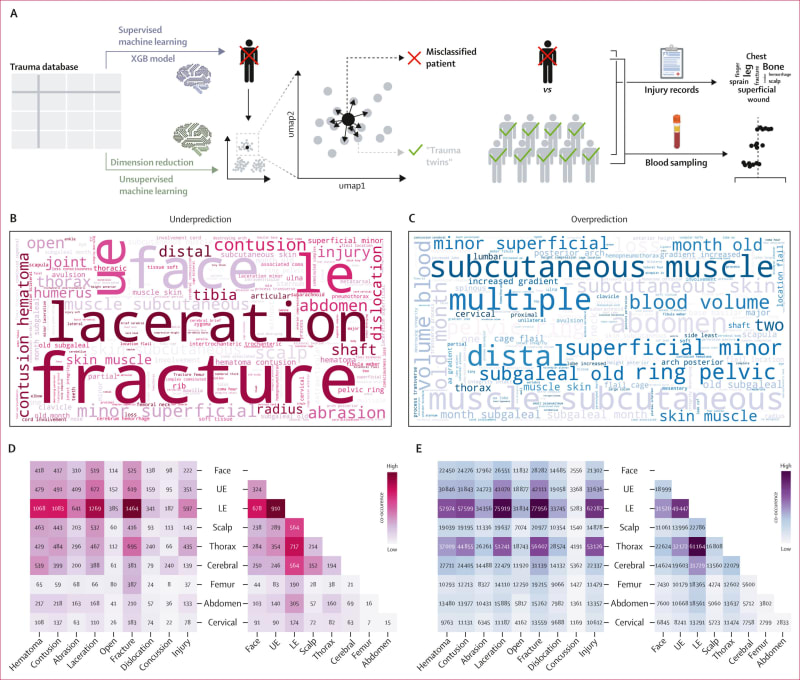
A new artificial intelligence tool can predict which trauma patients need life-saving blood transfusions before they even reach the emergency room. The breakthrough could help medical teams prepare faster when every second counts.
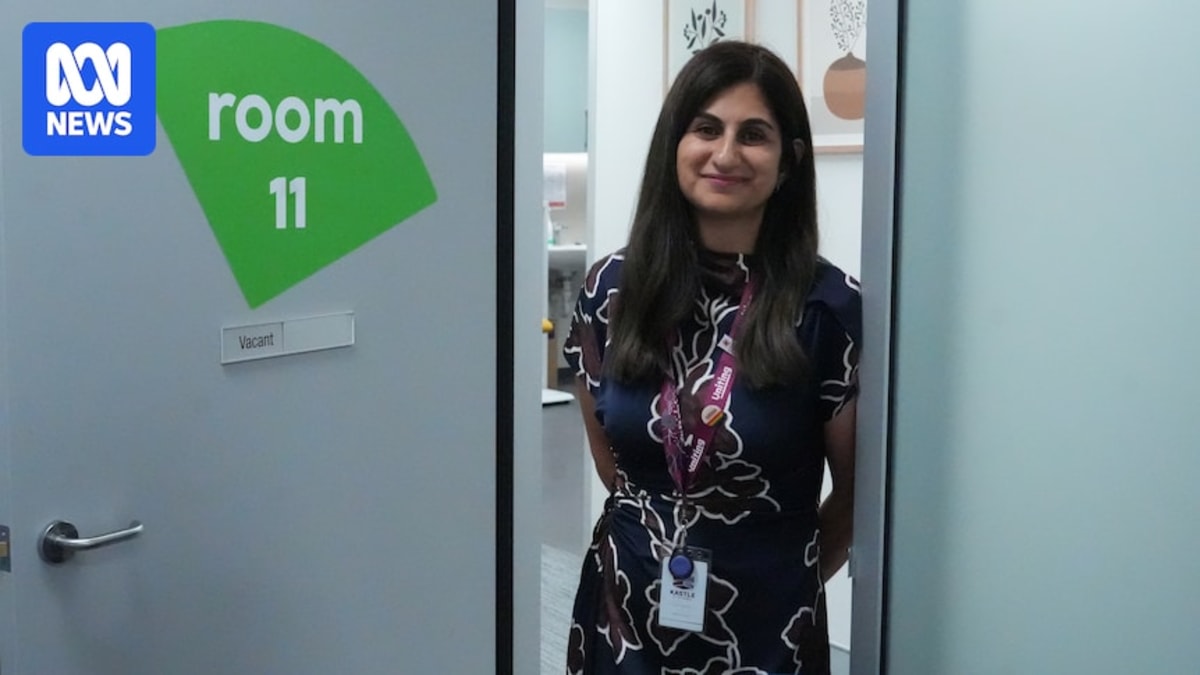
Teenagers in Canberra now have access to Australia's first free trauma-focused mental health service designed by young people who've been through it themselves. The program combines therapy, peer support, and family care in one safe space.

A Tulsa woman kidnapped at age 8 in a 2014 Amber Alert case is now sharing her story of survival to help others heal. Monserrat's journey from victim to survivor shows the power of turning trauma into hope.

Dori Laub survived the Holocaust, then spent 40 years recording other survivors' stories and discovered something powerful: listening itself can heal. His pioneering work created the world's first video testimony archive and transformed how we help trauma survivors recover.

Researchers captured the first detailed footage of a sperm whale birth and discovered something remarkable: 11 whales worked together to help deliver and support the newborn, including half who weren't even related to the mother. This rare glimpse into whale society suggests humans aren't the only species where mothers receive help during childbirth.

For thousands of years, women gave birth upright—until 300 years ago when French physicians convinced them to lie down. Now research proves upright positions reduce caesareans, pain, and labour time.

Health workers in Uganda's Ibanda District just gained crucial skills to catch birth defects right after delivery, a change that could save hundreds of babies' lives. Early detection means simpler treatments and better outcomes for newborns facing conditions that become dangerous when missed.
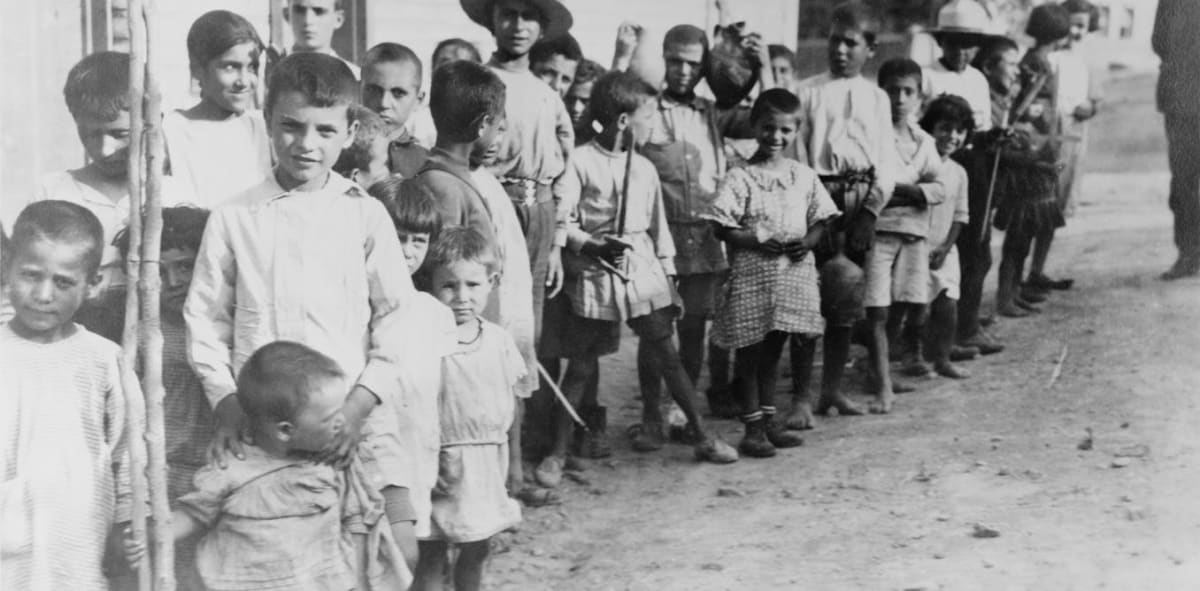
Three elderly women on a Greek island who helped Syrian refugees in 2015 were themselves descendants of refugees who fled Turkey nearly a century ago. Their act of kindness represents healing across four generations of trauma.
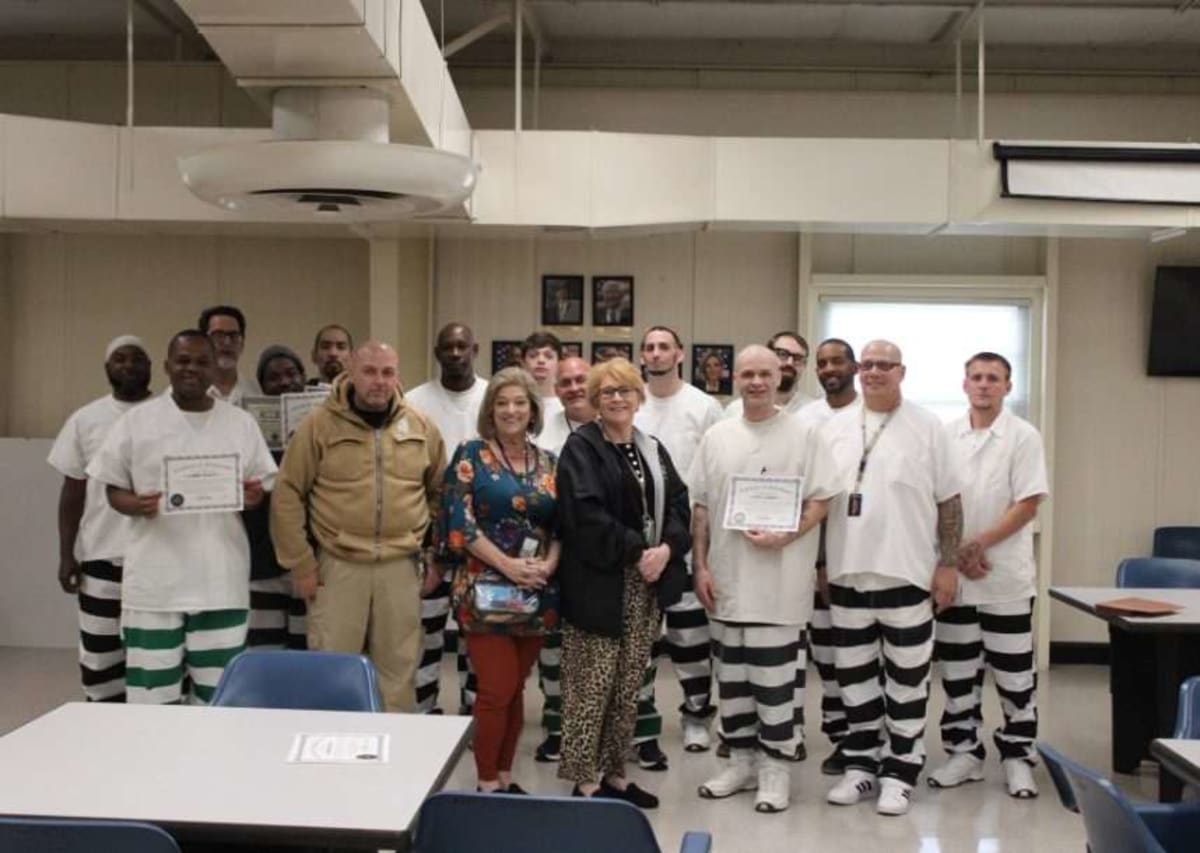
Incarcerated men at South Mississippi Correctional Institution completed a groundbreaking 16-part trauma recovery program designed to break cycles of violence. The graduation marks a shift toward rehabilitation in a prison system once known only for punishment.
Groundbreaking research challenges the fear that fewer babies mean economic doom. Countries with lower birth rates are seeing higher GDP growth and more innovation than ever before. #
Showing 20 of 2293