Scientists Find Black Holes May Predate the Big Bang
What if the Big Bang wasn't the beginning of everything? Scientists now believe ancient black holes might be "cosmic fossils" from a universe that existed before ours.
Find uplifting stories about heroes, innovations, and solutions
48 results for "dark matter"

What if the Big Bang wasn't the beginning of everything? Scientists now believe ancient black holes might be "cosmic fossils" from a universe that existed before ours.

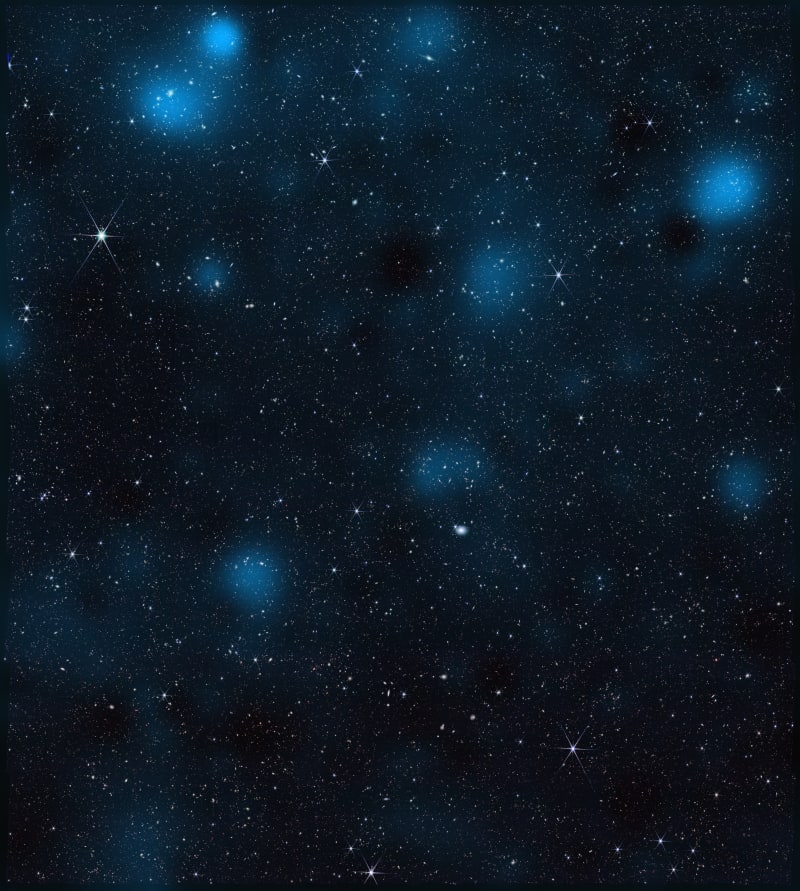
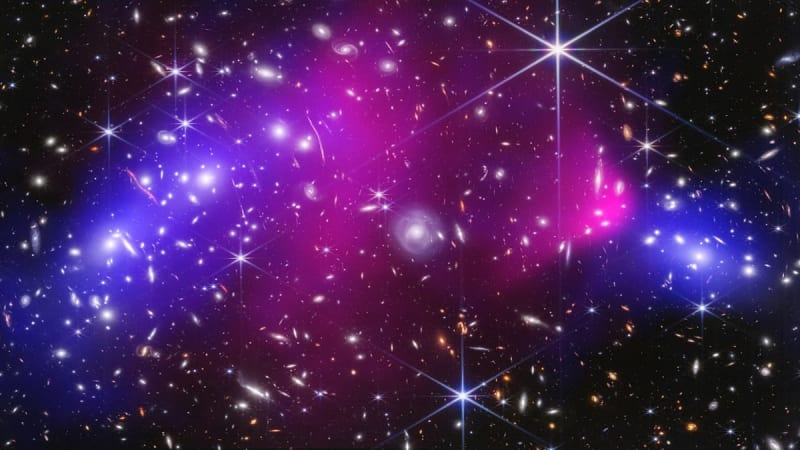
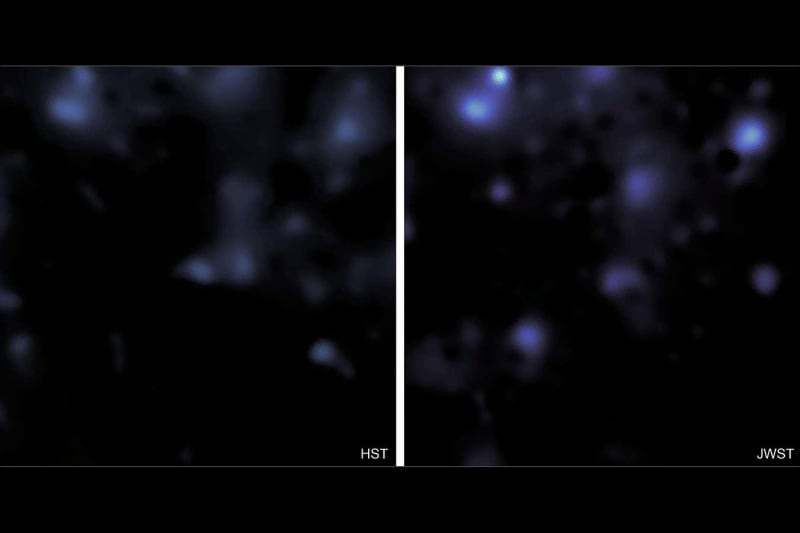
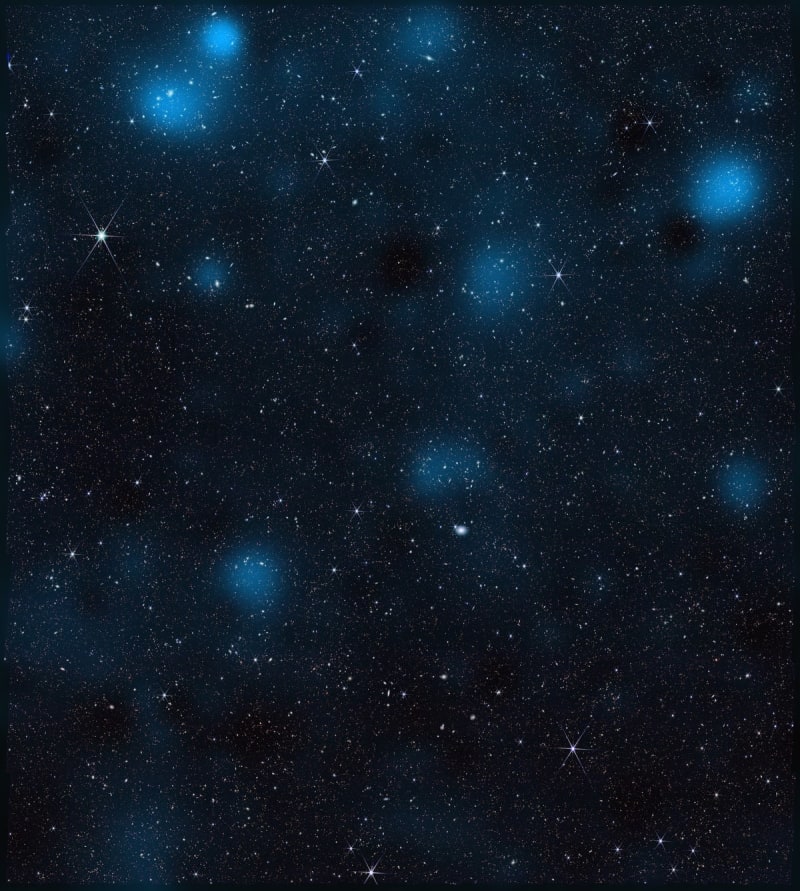
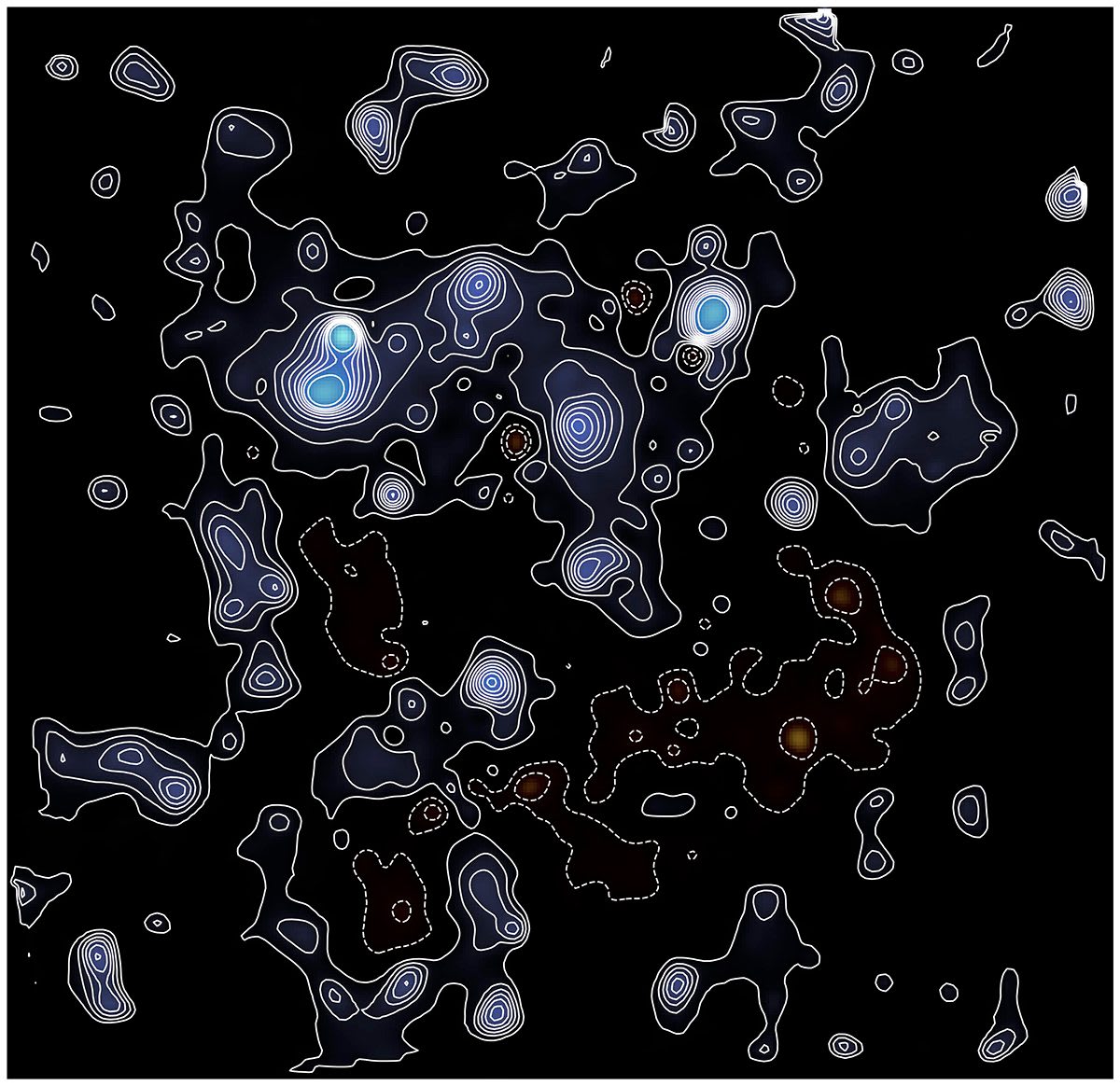
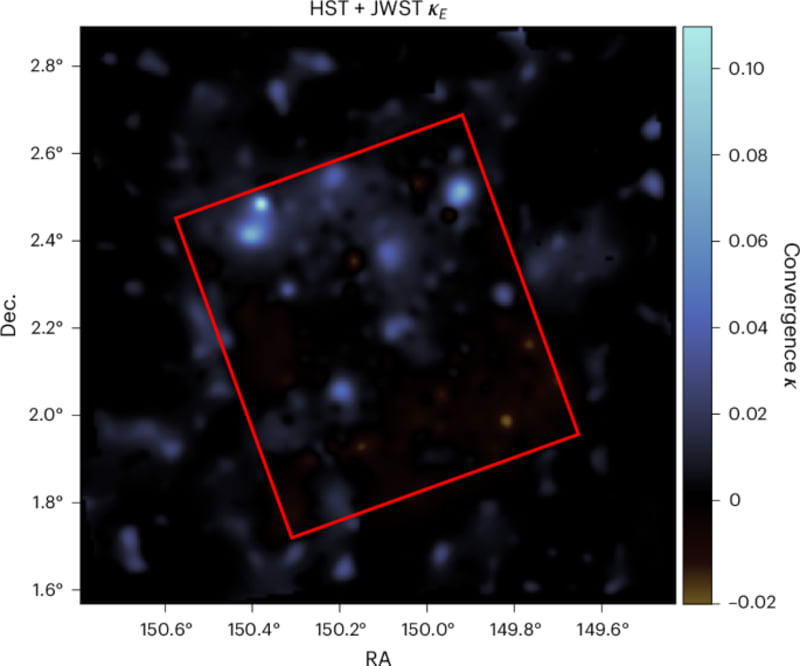
Astrophysicists created the highest resolution map ever of dark matter, the invisible substance that makes up 27% of the Universe and holds galaxies together. Using the James Webb Space Telescope, they can now see cosmic structures we've never glimpsed before.

Ripples in spacetime just gave us the first real hint that tiny black holes formed during the Big Bang, and they might solve the universe's biggest mystery. These primordial black holes could be the dark matter scientists have been searching for since the 1970s.

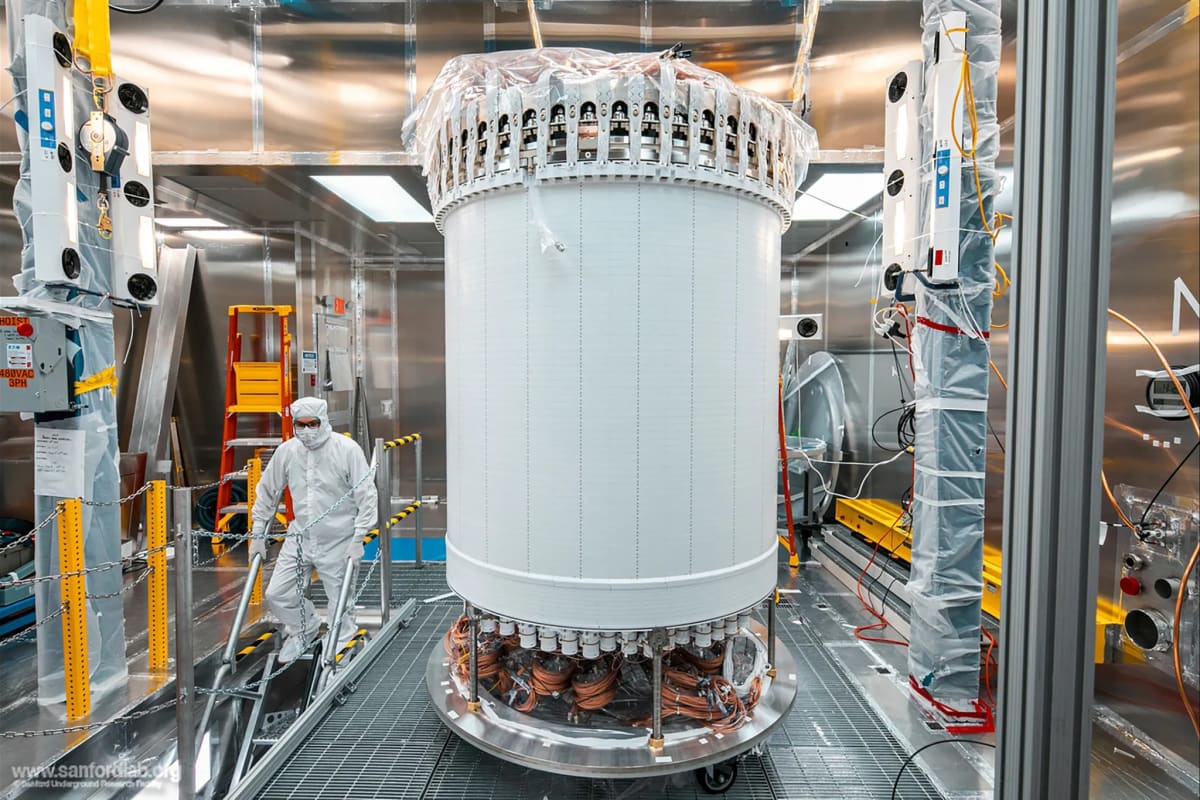
A spacecraft packed with cancer research, quantum computing experiments, and supplies for astronauts will launch to the International Space Station next week. The mission includes breakthrough technology that could help find dark matter and create better treatments for blood diseases.

A revolutionary telescope in Chile just flagged 800,000 cosmic discoveries in a single night, and scientists say that number will jump to 7 million nightly by year's end. This breakthrough will help us catch supernovas as they happen, track dangerous asteroids, and unlock mysteries about dark matter.

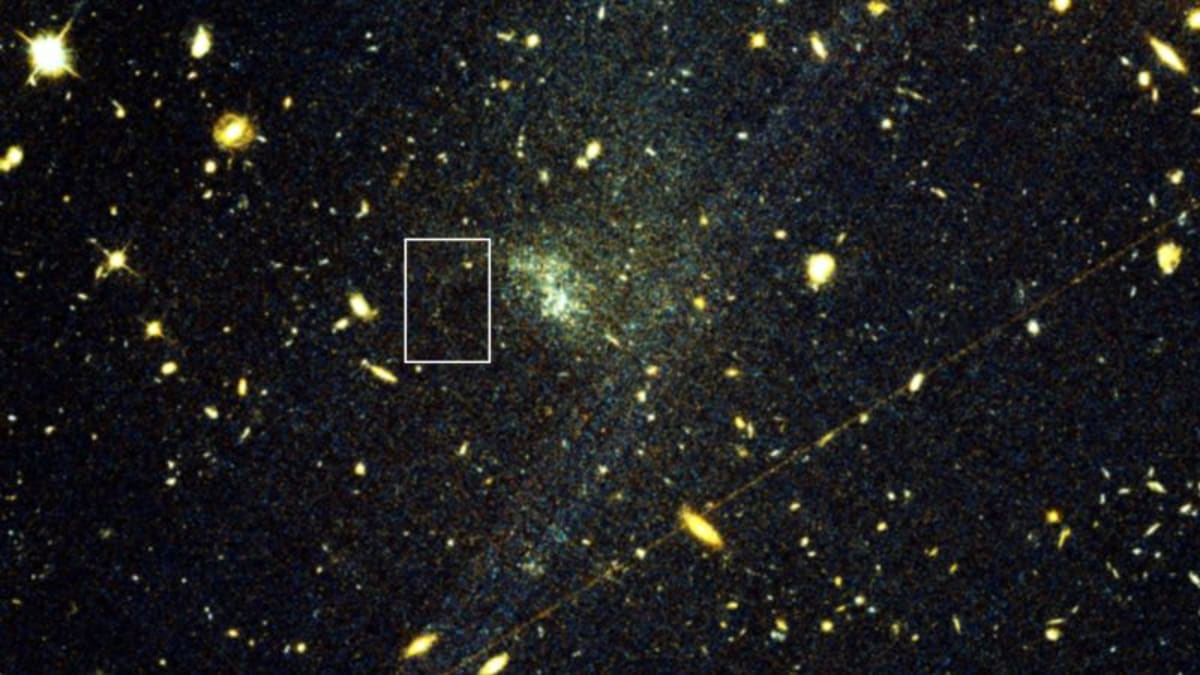
Astronomers discovered an almost invisible galaxy made nearly entirely of dark matter, using a clever new technique that tracks ancient star clusters instead of searching for starlight. The finding opens new doors to understanding the mysterious substance that makes up most of our universe.

Astronomers discovered a nearly invisible galaxy 300 million light-years away that's almost entirely dark matter, offering a rare glimpse into the universe's most mysterious substance. The breakthrough shows how new technology is revealing cosmic secrets once thought impossible to find.

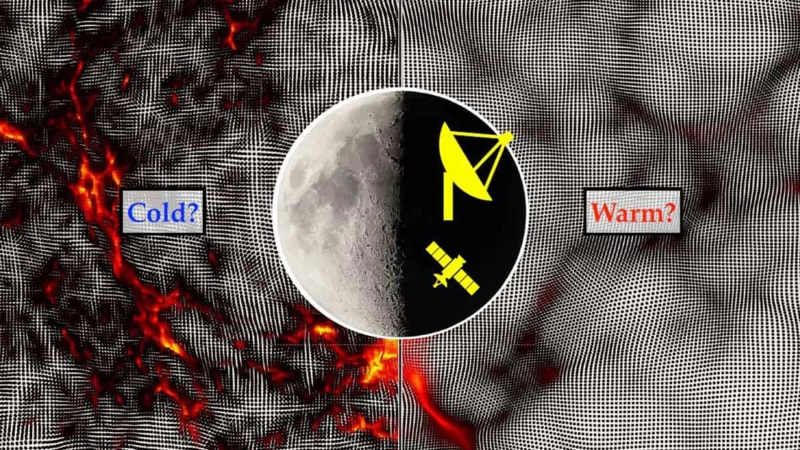
New telescope data suggests the mysterious invisible force holding galaxies together might be a quantum fog, not particles. This discovery could rewrite our understanding of how the universe actually works.

NASA's Nancy Grace Roman Space Telescope will launch this fall to photograph hundreds of millions of galaxies and unlock the mysteries of dark matter and dark energy. The mission will create the most detailed map of the cosmos ever made, covering 12% of the sky in just 18 months.

The James Webb Space Telescope just found the most distant galaxy ever detected, shining from just 300 million years after the universe began. Scientists are also uncovering secrets about the first black holes and mapping dark matter we've never seen before.

A mysterious cosmic particle that slammed into Earth in 2023 might be the first evidence that black holes can explode. The discovery could solve two of the universe's biggest mysteries at once.

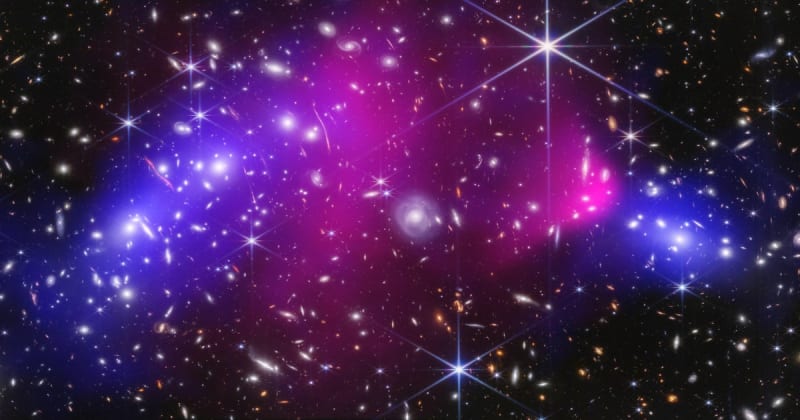
Scientists used the James Webb Space Telescope to create the most detailed map yet of dark matter, revealing the invisible structure that holds our universe together. The breakthrough shows nearly 800,000 galaxies and helps explain how the cosmos evolved into its current form.

Scientists used the James Webb Space Telescope to create the most detailed map yet of dark matter, the invisible force that shapes galaxies and makes life possible. The breakthrough reveals how this mysterious substance acts as the universe's "scaffolding."

Scientists using NASA's James Webb Space Telescope have created the sharpest map ever of dark matter, the invisible substance holding our universe together. The breakthrough reveals how this mysterious force shaped everything needed for life to exist.

Scientists used the James Webb Space Telescope to create the most detailed map of dark matter ever made, revealing this invisible cosmic force across 800,000 galaxies. The breakthrough offers new insights into how the universe's most mysterious substance shapes the galaxies we see today.

A mysterious ultra-powerful particle that struck Earth in 2023 could be the signature of an exploding black hole from the universe's first moments. This discovery might finally explain what dark matter really is.

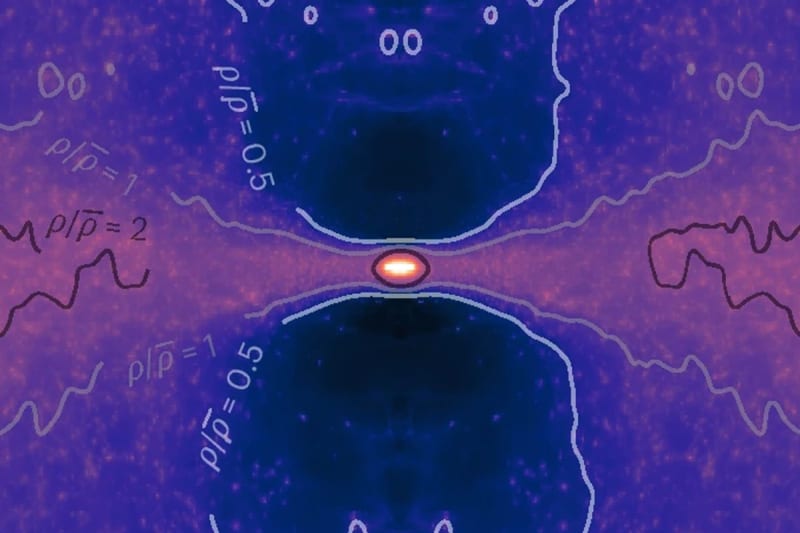
Scientists discovered our galaxy rests on a massive, flat sheet of dark matter stretching 30 million light-years across. The finding solves a decades-old puzzle about why nearby galaxies move differently than expected.
The James Webb Space Telescope just mapped dark matter in unprecedented detail, capturing 800,000 galaxies and revealing the invisible framework holding our universe together. Scientists can now see the cosmic "highways" that shaped everything we know.

For the first time, scientists have created the clearest map yet of dark matter, the mysterious substance that makes up most of our universe. This breakthrough helps us understand the invisible scaffolding that holds galaxies together.
Google's new AI can decode mysterious stretches of DNA that control our genes, while surgeons kept a patient breathing for two days without lungs. These breakthroughs could transform how we treat diseases like cancer.
Showing 20 of 48