Bowen Grad Uses DNA to Track Deadly Jellyfish
A small-town high school student turned scientist just solved a decade-old ocean mystery. Dr. Scott Morrissey developed a breakthrough method to detect deadly box jellyfish before they reach swimmers.
Find uplifting stories about heroes, innovations, and solutions
8 results for "environmental dna"

A small-town high school student turned scientist just solved a decade-old ocean mystery. Dr. Scott Morrissey developed a breakthrough method to detect deadly box jellyfish before they reach swimmers.

Scientists are combining environmental DNA analysis with artificial intelligence to monitor ecosystems as they change, turning luxury cruise ships into floating laboratories. This breakthrough could help us protect endangered species and adapt to environmental shifts faster than ever before.
Australian researchers turned bloodsucking mosquitoes into conservation heroes by using their DNA-filled blood meals to track elusive wildlife. In just two nights, they found twice as many animals as six weeks of traditional camera traps.

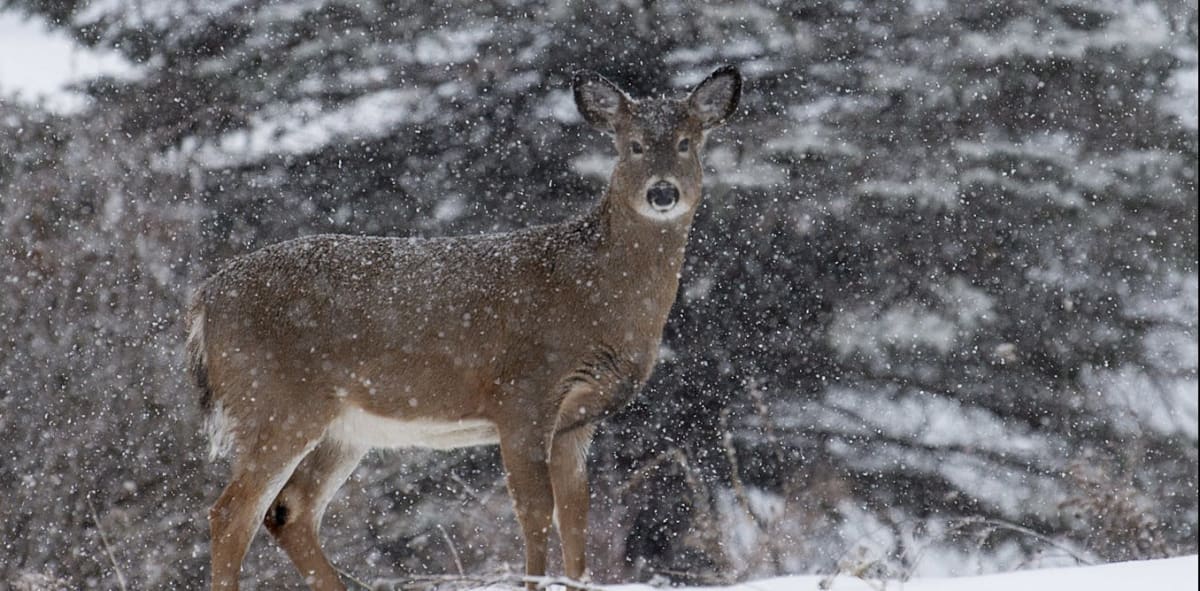
A Canadian First Nation partnered with researchers to develop a groundbreaking way to track moose, caribou, and deer without disturbing them. Snow samples proved 100% effective at detecting animal DNA.

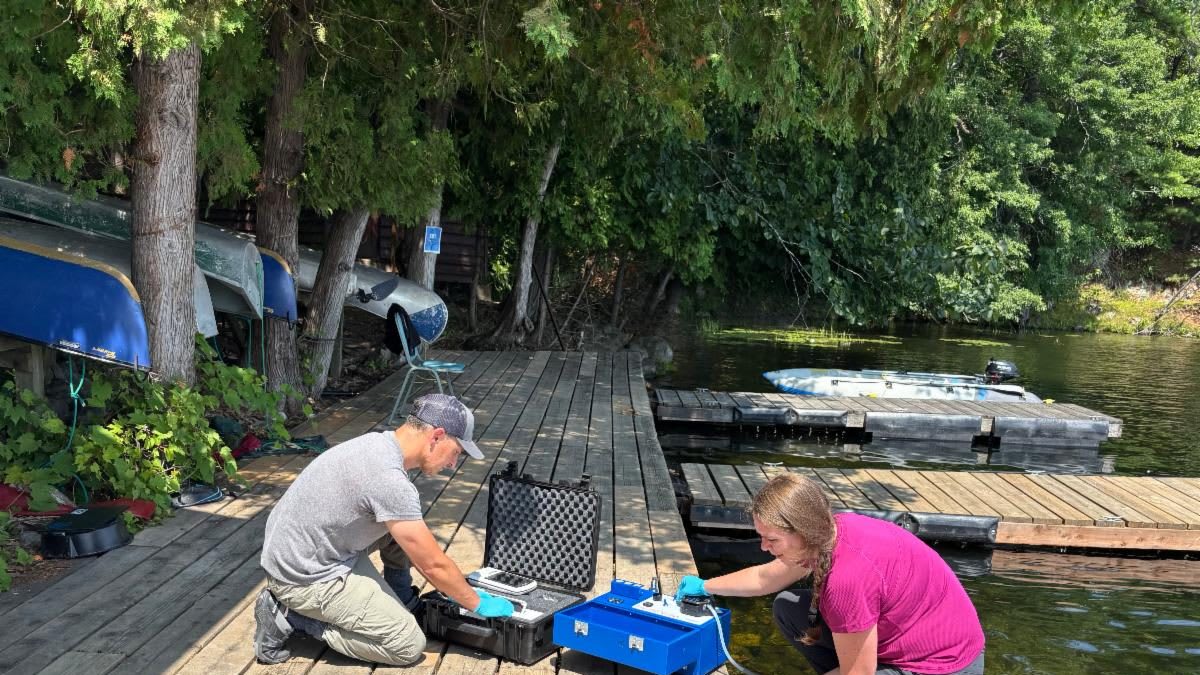
A new affordable robot named FIDO can detect harmful organisms in freshwater by analyzing environmental DNA, giving communities an early warning system to protect their waterways. The innovation makes cutting-edge ocean monitoring technology accessible for rivers, lakes, and streams across the country.

Scientists are using drones and DNA analysis to discover animals living high in the rainforest canopy that traditional methods miss. The breakthrough technology detected 257 species in Peru's Amazon, including creatures never found in water samples.

Only two Yangtze giant softshell turtles may remain alive after the last confirmed female died in 2023. Conservationists are using cutting-edge DNA technology to search for hidden survivors in Asia's rivers.

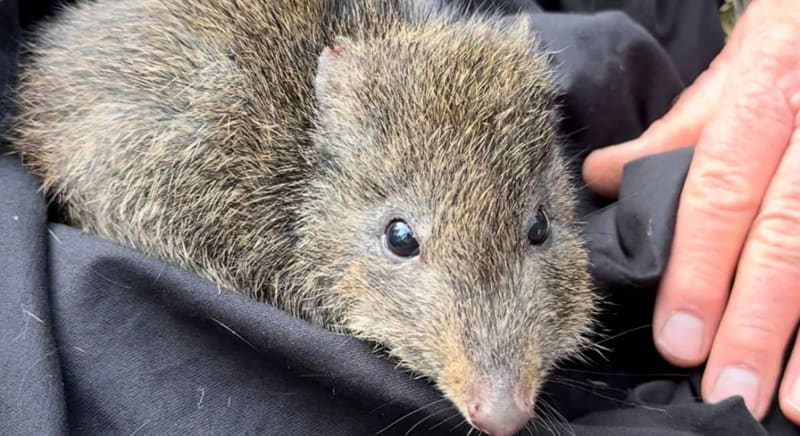
Scientists in Australia are using DNA from animal droppings to figure out what the critically endangered Gilbert's potoroo eats, a breakthrough that could save the species from extinction. With fewer than 150 individuals left in the wild, this research is helping experts find safe new homes for these picky eaters.