
Guardian Pays Kids to Write About Nature This Spring
The Guardian is inviting children ages 8 to 14 to submit nature writing for publication and payment. The deadline for spring entries is May 4, with four winners published in April and May.
Find uplifting stories about heroes, innovations, and solutions
15239 results for "nature writing"
The Guardian is inviting children ages 8 to 14 to submit nature writing for publication and payment. The deadline for spring entries is May 4, with four winners published in April and May.

An artificial intelligence called The AI Scientist just became the first AI to write and publish a complete research paper that passed human peer review in Nature. The breakthrough suggests scientific discovery could soon scale as fast as software development.
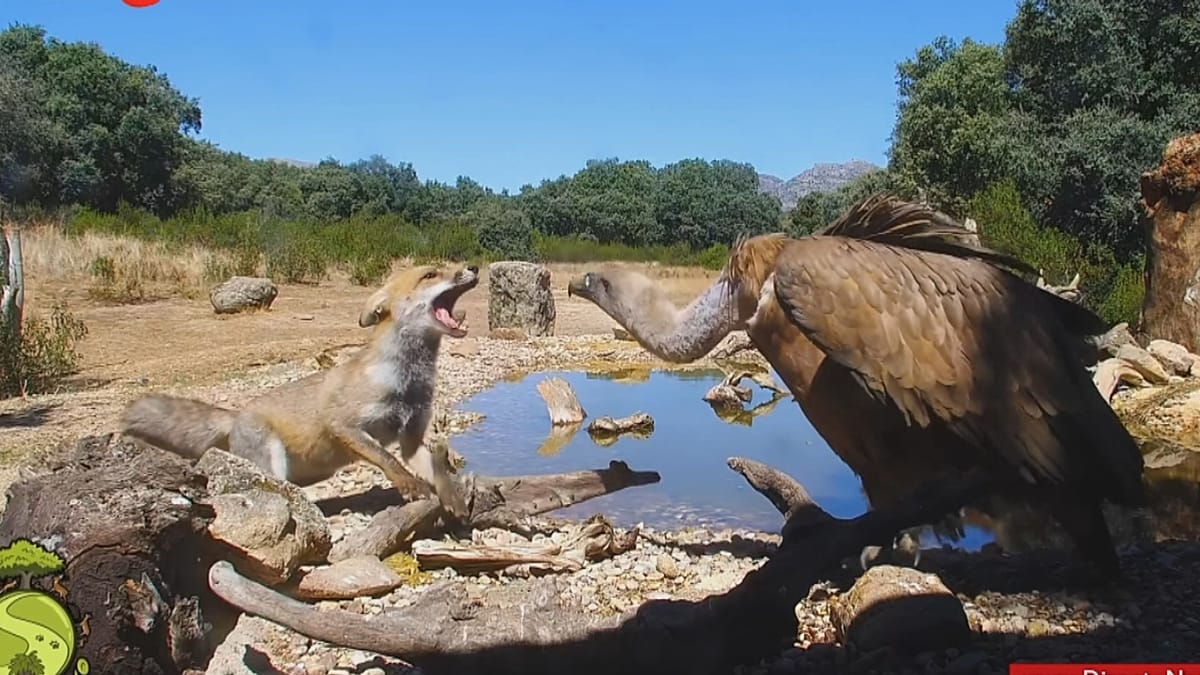
Millions of people across Spain are tuning into live webcams to watch Iberian lynx, peregrine falcons, and storks in their natural habitats. What started as a scientific tool has become a beloved form of digital leisure, connecting people with nature without leaving home.
Scientists have discovered massive reserves of naturally occurring hydrogen deep underground that could meet global energy needs for two centuries without producing carbon emissions. Unlike manufactured hydrogen, this "white gold" energy source forms naturally through geological processes and costs nothing to make.
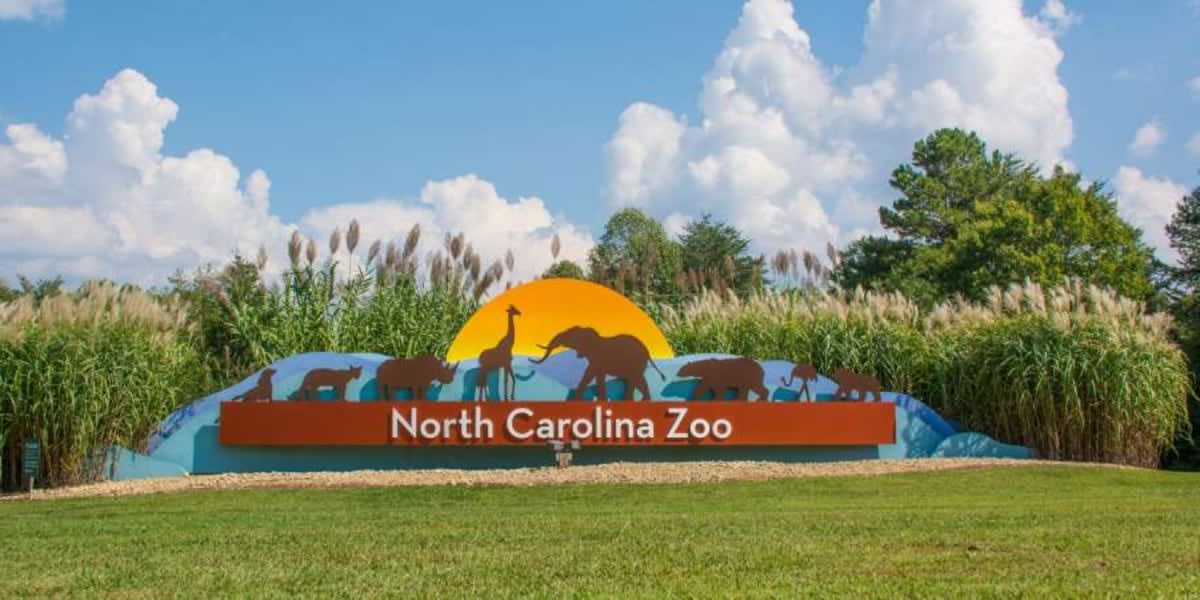
The North Carolina Zoo in Asheboro just earned the title of world's largest natural habitat zoo, giving 1,700 animals room to roam across sprawling, nature-inspired exhibits. Visitors can meet over 250 species living in spaces that mirror their wild homes.
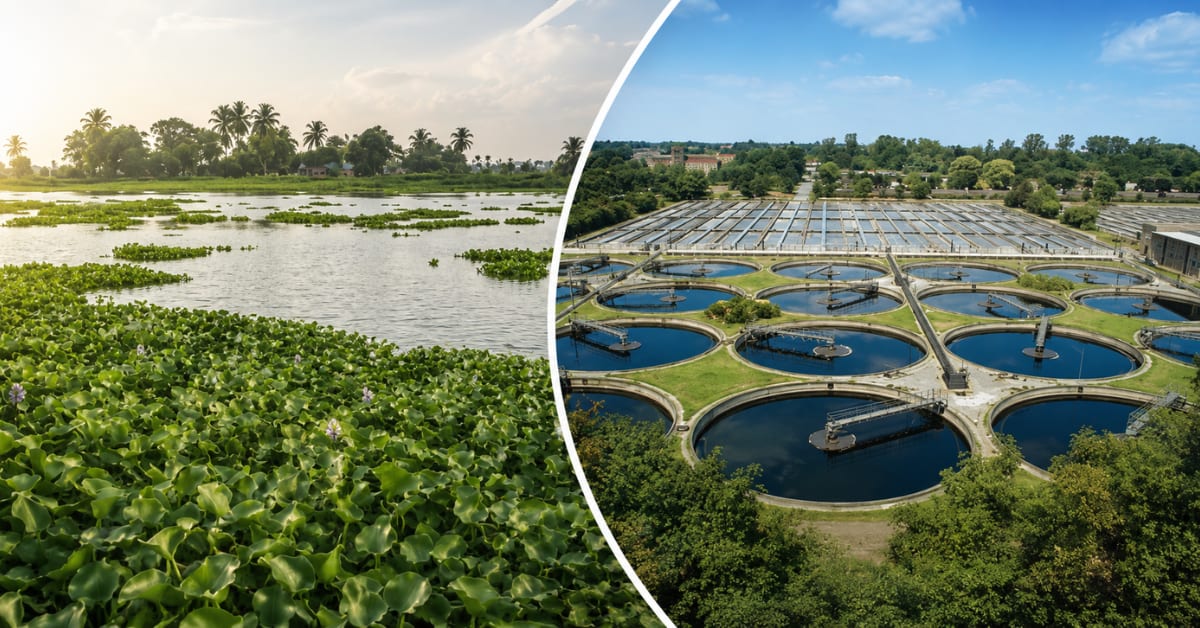
While Mumbai floods paralyzed the city this week, Kolkata stays protected by 12,500 hectares of wetlands that absorb rainwater, treat sewage, and support thousands of livelihoods. This natural "sponge" proves nature can outperform concrete in the climate crisis.
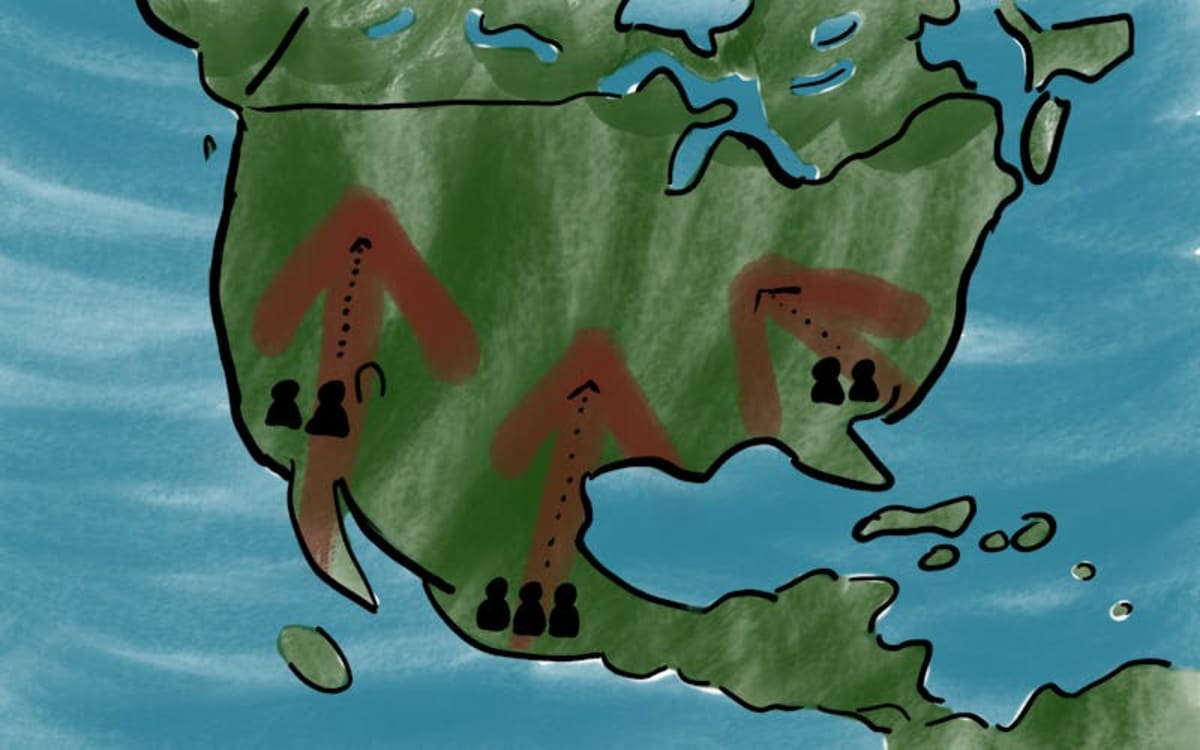
Scientists worldwide are turning to biomimicry, copying nature's billion-year-old designs to fight climate change with solutions that work with ecosystems instead of against them. From termite-inspired buildings to river systems that heal themselves, these nature-based approaches are proving both effective and sustainable.

Scientists studying how pythons survive on one massive meal per year discovered a natural molecule that helped obese mice lose 9% of their body weight. The finding could one day lead to new obesity treatments inspired by nature's most extreme eaters.
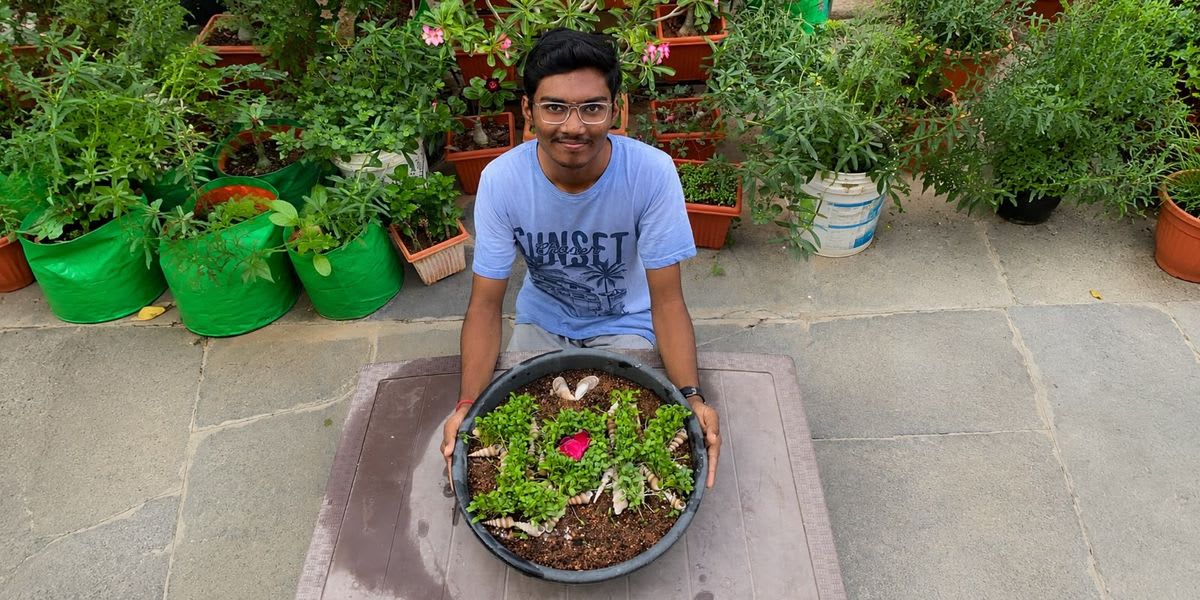
An Ananthapur gardener shares a simple three-ingredient natural spray that controls whiteflies, aphids, and thrips without harsh chemicals. The bio-pesticide mix uses beneficial fungi already found in nature.
While Mumbai and other Indian cities struggle with monsoon flooding, Kolkata's massive East Kolkata Wetlands quietly absorb excess rainwater, treat sewage, and protect millions without concrete infrastructure. This 12,500-hectare natural system proves that working with nature can outperform traditional engineering.

Wikipedia volunteers spent years cataloging AI writing patterns. Now their detective work is helping AI sound more human.

When her dream engineering lab turned into a nightmare, Ngozi Chukwu walked away from science and discovered she was meant to tell stories about it instead. Her path from writing songs on her balcony to covering Africa's tech revolution proves sometimes our natural talents are hiding in plain sight.
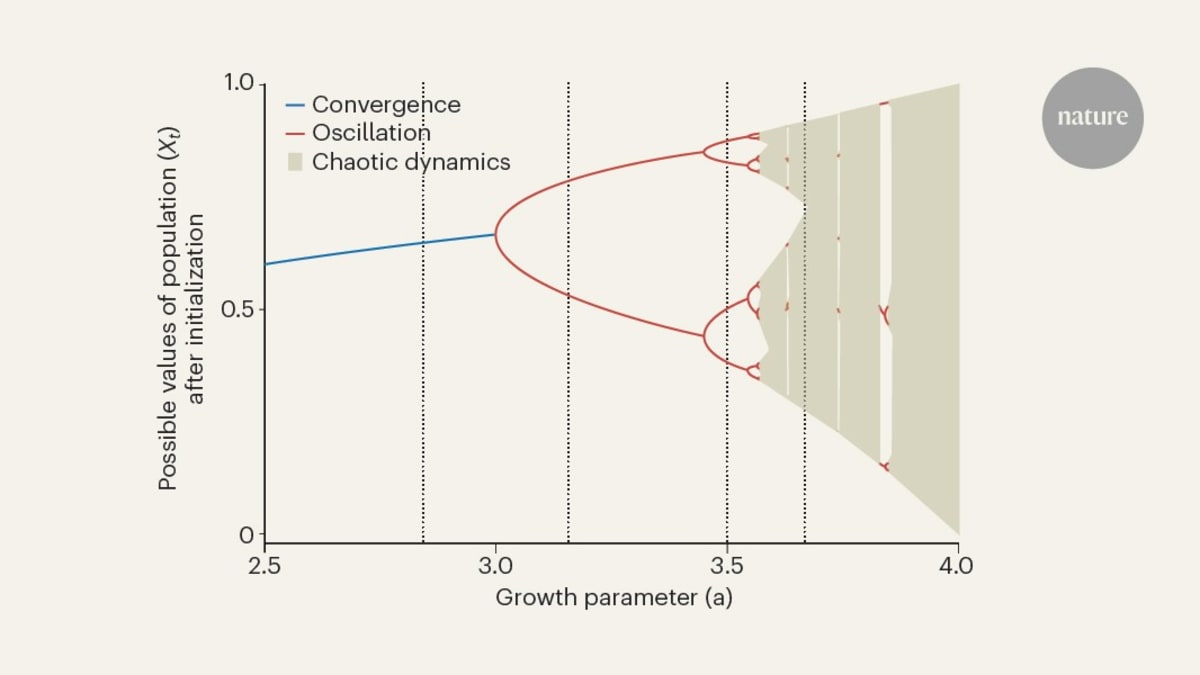
A groundbreaking 1976 paper proved that the messy, unpredictable patterns in nature follow beautifully simple mathematical rules. Half a century later, Robert May's chaos theory work continues inspiring everything from literature to financial systems.

A groundbreaking study of 38,000 people across 75 countries reveals that feeling emotionally bonded with nature consistently improves well-being, regardless of wealth or culture. The research shows this connection works everywhere from Nigeria to Japan.
At 84, Diego Villaseñor—ranked among the world's 100 best living architects—designs homes that celebrate nature as the star. His philosophy: beauty isn't decoration, it's essential to human wellbeing.
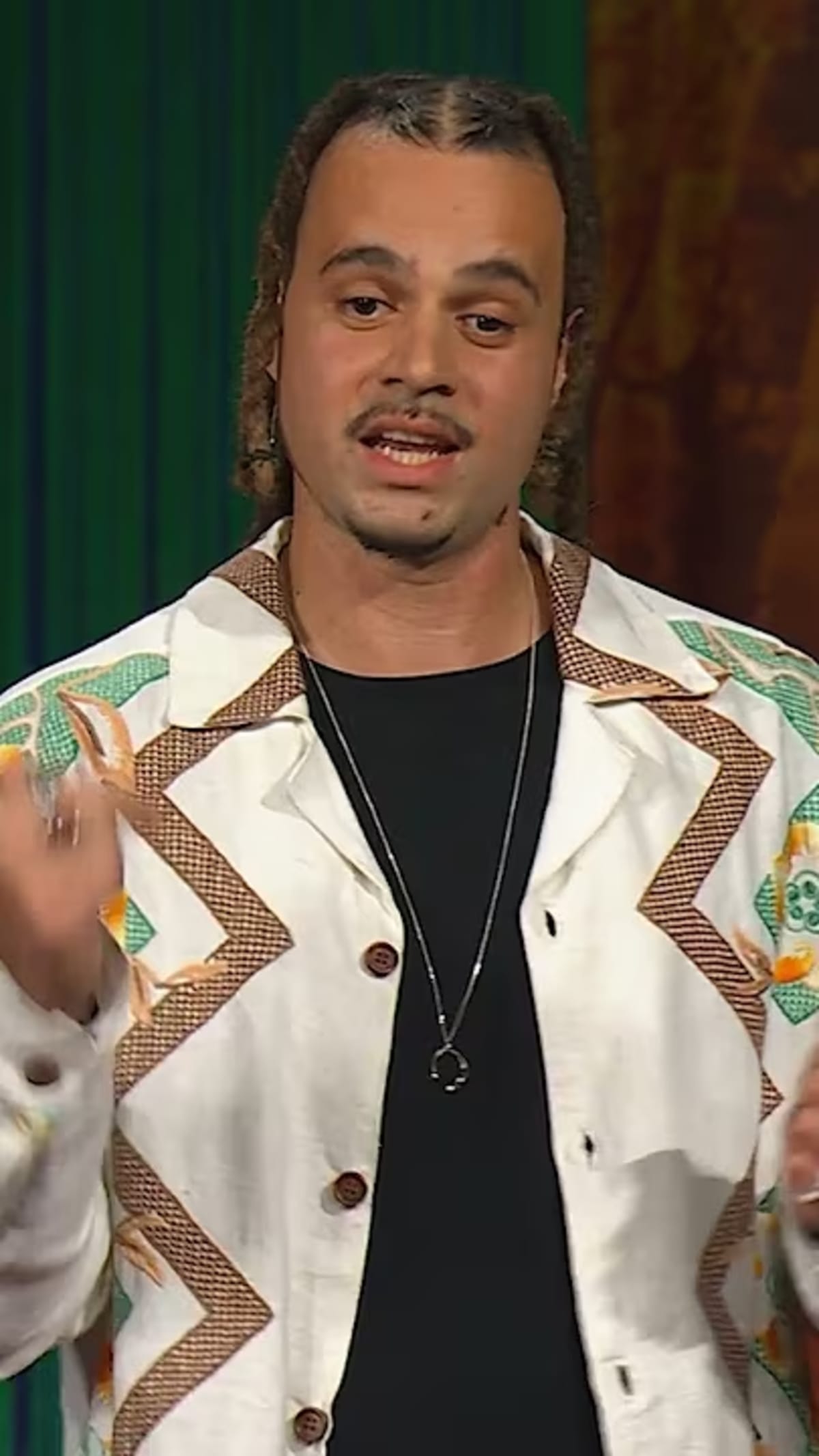
Musical ecologist Louis VI says humans are hardwired to understand nature's sounds, but modern life has drowned them out. In a new TED talk, he performs an original song synced with actual bird calls to help us hear the "ancient evolutionary wiring" we've forgotten.
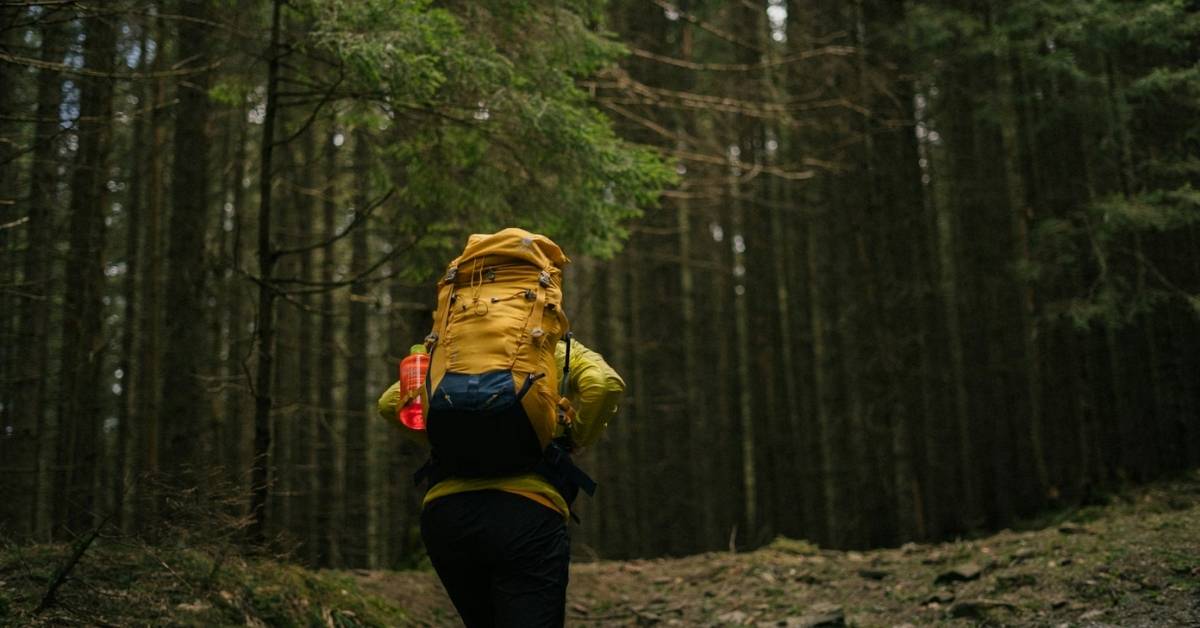
A groundbreaking study of 38,000 people across 75 countries found that feeling emotionally connected to nature consistently improves mental health and life satisfaction. The benefits hold true worldwide, regardless of wealth, culture, or environment.

A new study flips the script on AI in education: students using writing tools like ChatGPT actually need stronger judgment and more careful thinking, not less. The Iowa State research shows AI doesn't replace good writers; it creates better ones.
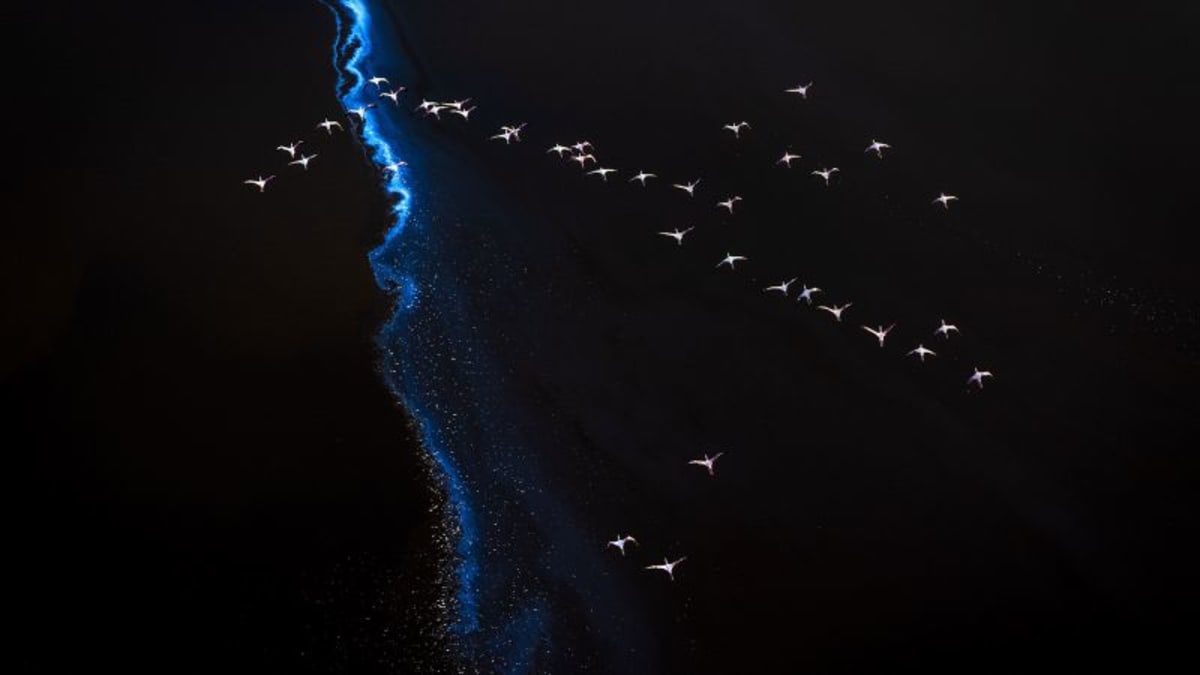
A photographer's nightly beach walks during COVID lockdown completely transformed his 40-year career, revealing hidden patterns in nature that now fill a new book designed to inspire anyone to protect our planet.
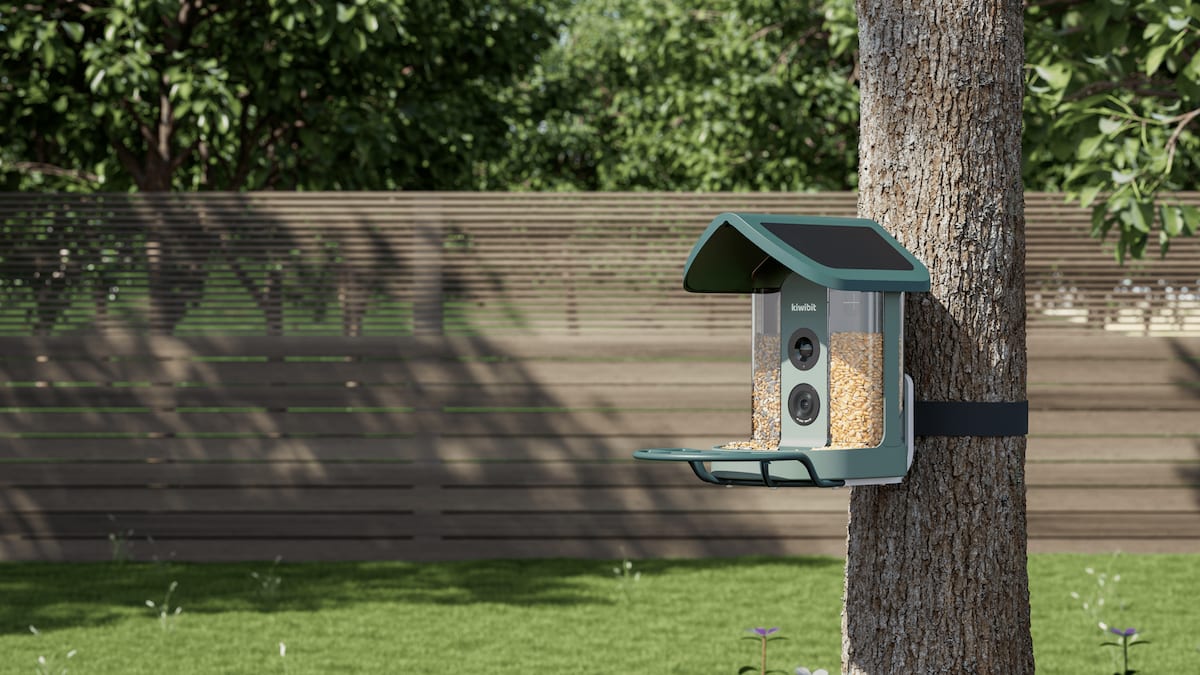
A new smart bird feeder with AI technology is helping people reconnect with nature from their own homes. The device identifies over 10,000 bird species and sends alerts when feathered visitors stop by for a snack.
Showing 20 of 15239