
Tucson Weightlifter Wins Gold 16 Months After Stroke
Lori Grijalva couldn't move her right side after a stroke at 64. Today, she's back on the competition platform winning gold medals and teaching others to recognize warning signs.
Find uplifting stories about heroes, innovations, and solutions
12700 results for "operation whirl stroke"
Lori Grijalva couldn't move her right side after a stroke at 64. Today, she's back on the competition platform winning gold medals and teaching others to recognize warning signs.
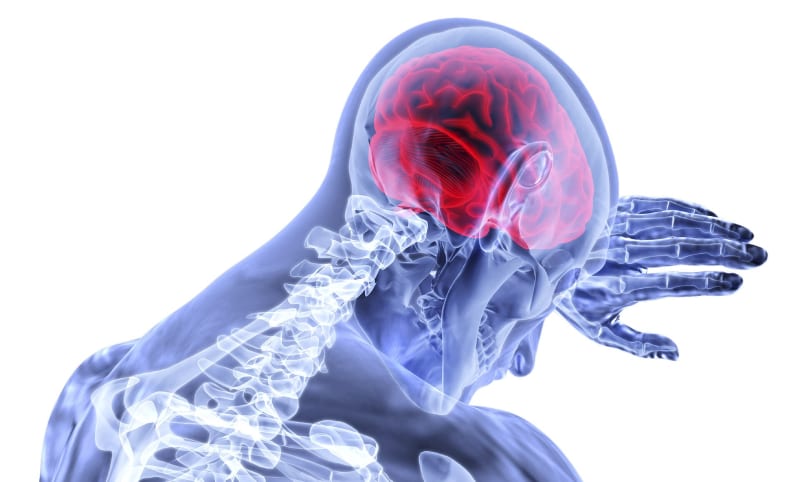
A breakthrough medication called asundexian reduces the chance of having another stroke by 26% without increasing dangerous bleeding risks. Nearly 1 in 4 stroke survivors faces another stroke, but this discovery could change their future.
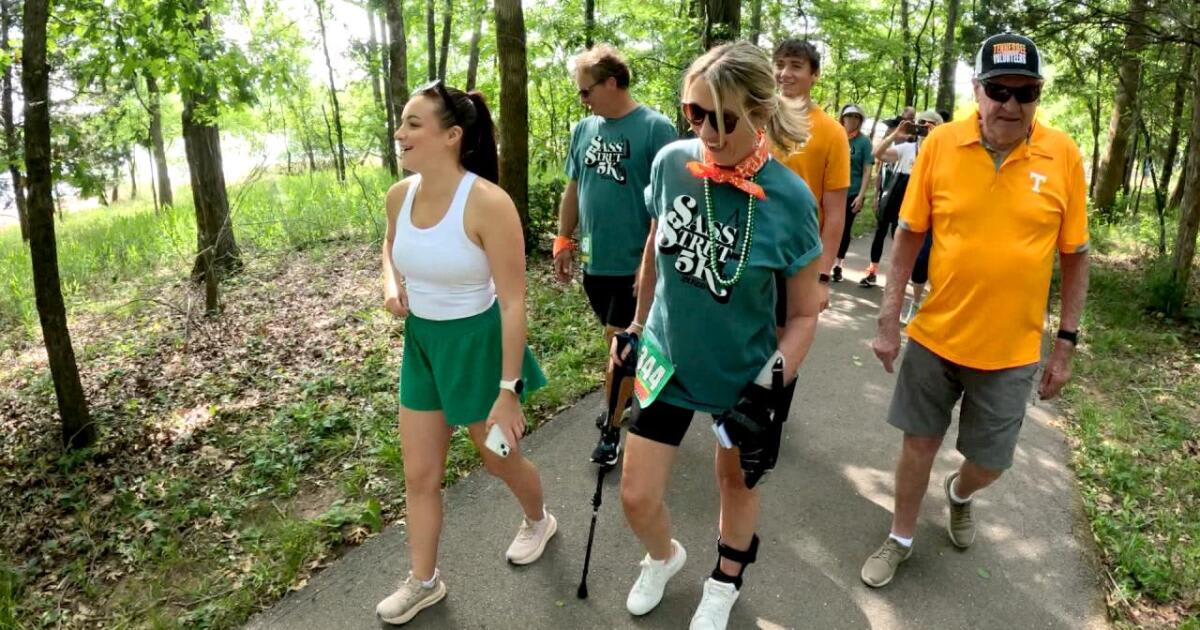
Tina Wittman collapsed seven years ago with a stroke that paralyzed her left side and stole her ability to say her own children's names. Last Saturday, she crossed the finish line of her dream 5K and now teaches other survivors how to cook with one hand.
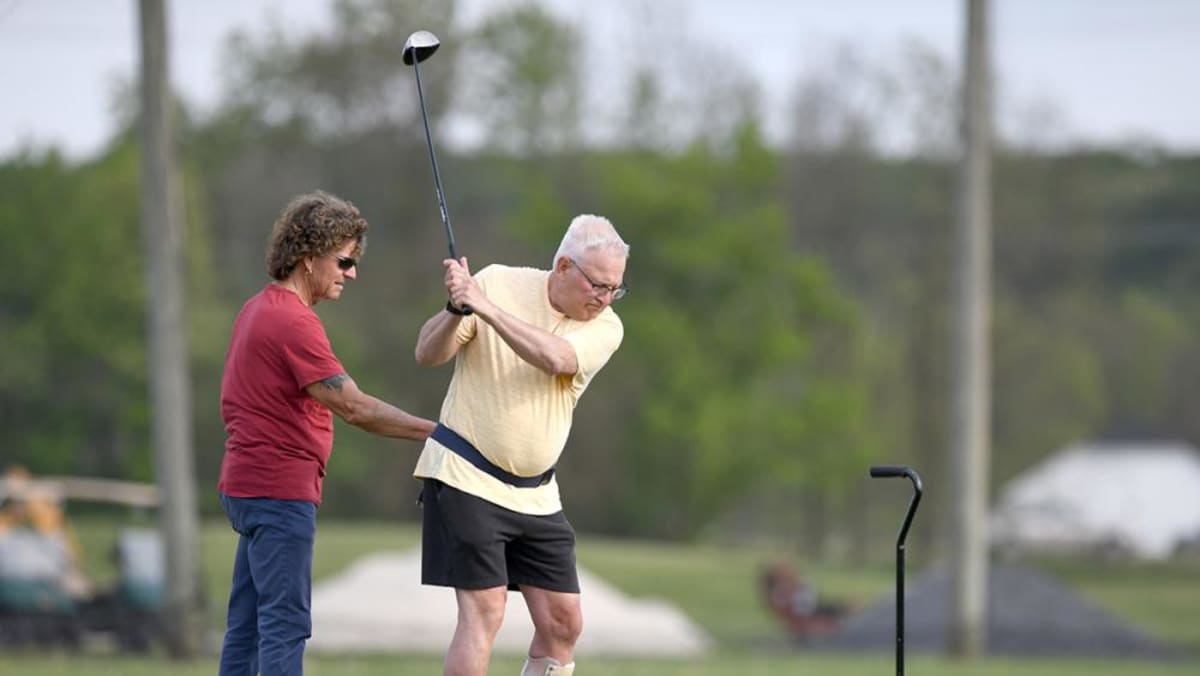
Stroke patients can now receive life-saving clot-busting medication up to 24 hours after symptoms begin, thanks to new American Stroke Association guidelines. The update especially helps people who have strokes while sleeping and can't get immediate help.
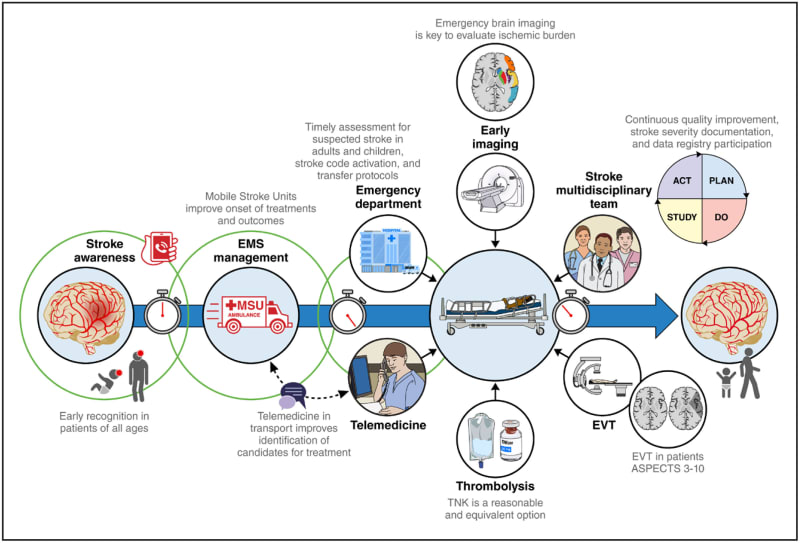
Stroke care just took its biggest leap forward in a decade, with new guidelines expanding who can receive advanced treatments and offering the first-ever recommendations for treating strokes in children. Nearly 800,000 Americans have a stroke each year, making this update potentially life-changing for thousands of families.
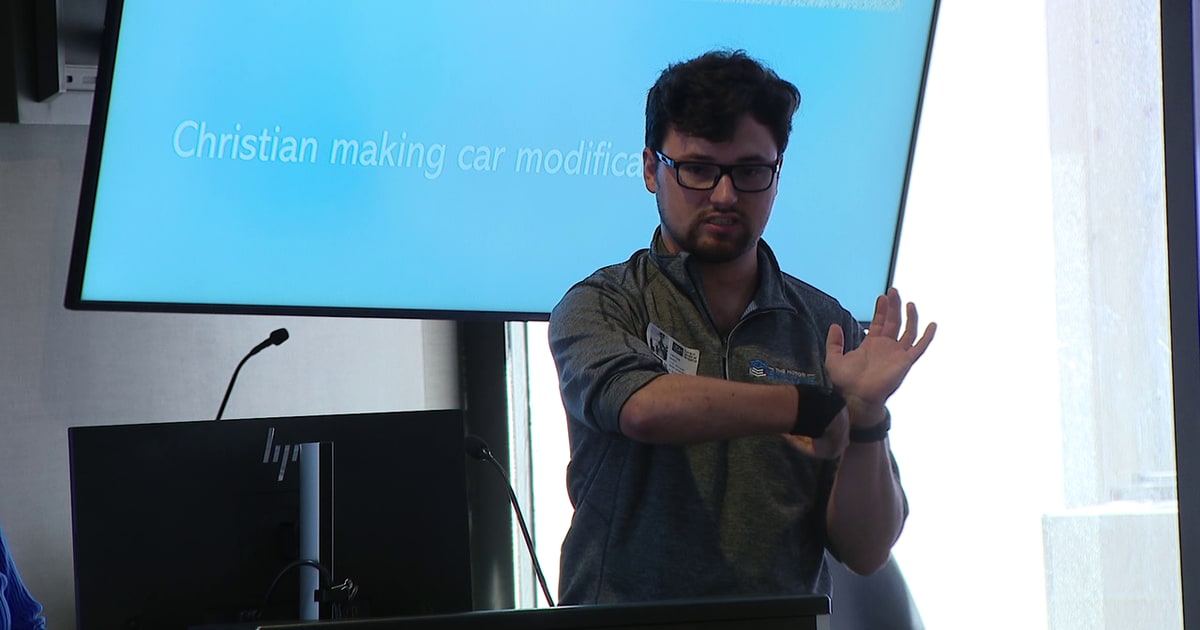
A Florida man who had a stroke at age seven can now move his paralyzed arm again, thanks to a tiny implanted device that reawakens dormant nerves. The FDA-approved technology is giving hope to patients who lost function decades ago.
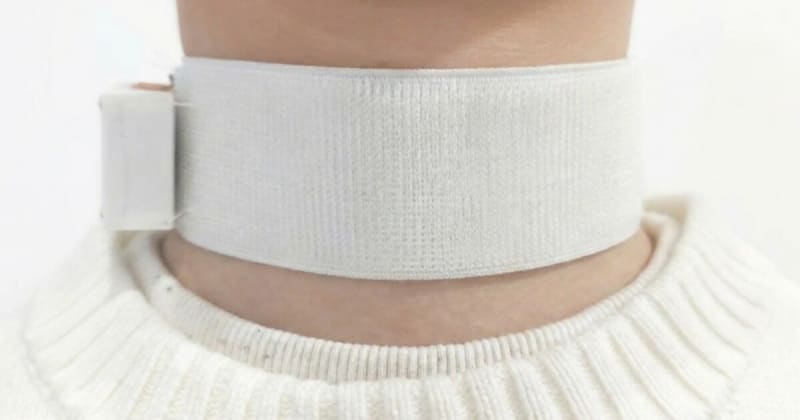
A wearable AI device called Revoice helps stroke survivors communicate naturally by reading throat movements and emotions, turning silently mouthed words into full sentences. Five patients tested it with 95% accuracy, reporting they could finally speak as fluently as before their strokes.
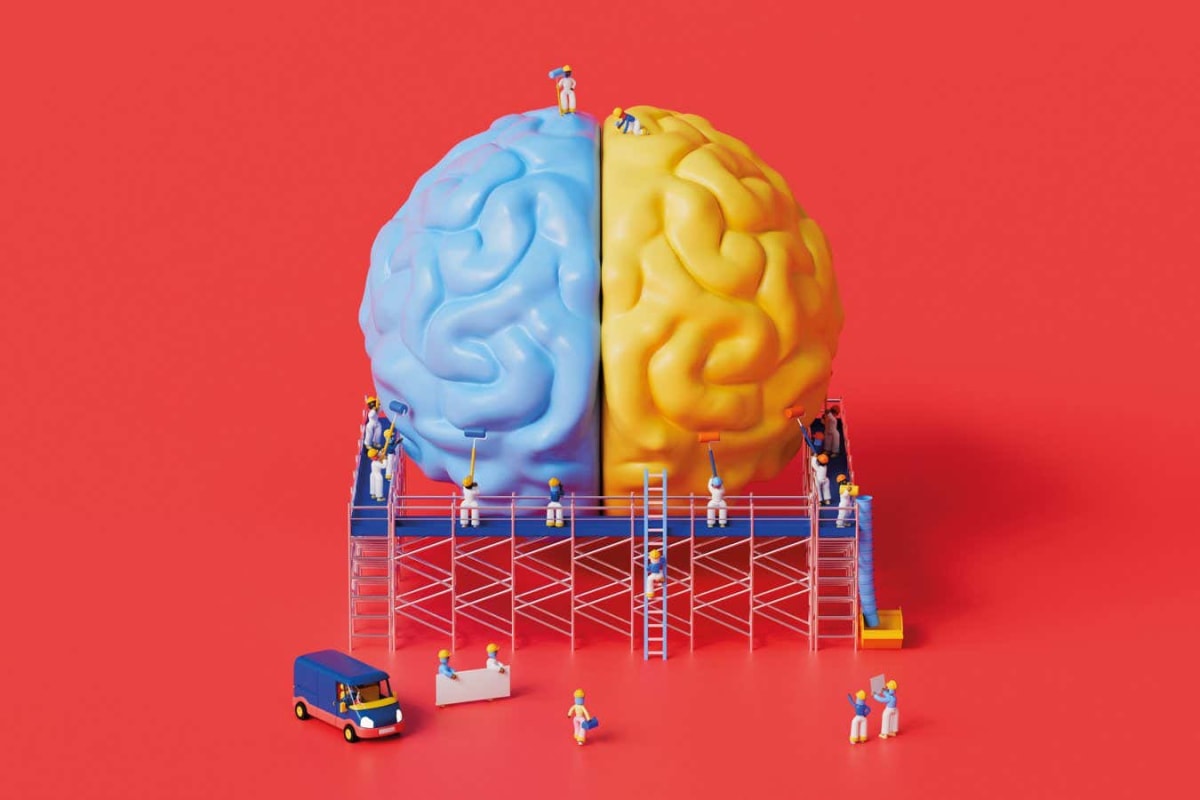
A Hungarian actor lost his ability to speak after a stroke but returned to live theatre within a year. Scientists are now discovering why some brains make extraordinary recoveries while others struggle, opening doors to new treatments for the 100 million people living with stroke effects worldwide.

Reality TV dermatologist Dr. Sandra Lee survived a stroke last fall and bounced back to filming within months. Her recovery story offers hope for stroke survivors everywhere.
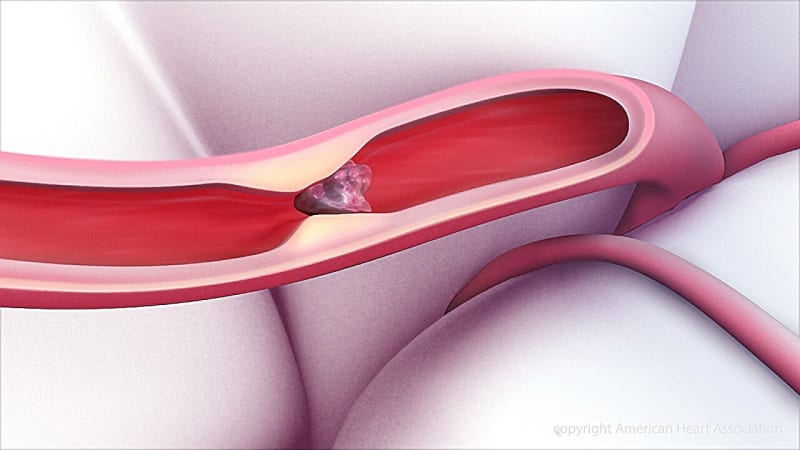
A breakthrough stroke treatment combining clot removal with medication helped 57% of patients fully recover, compared to just 42% with standard care. The simple addition could transform outcomes for thousands of stroke survivors worldwide.
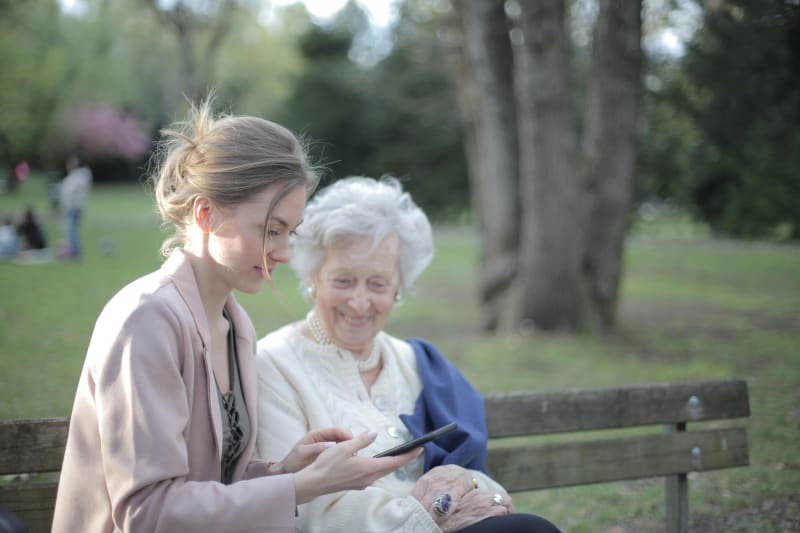
Stroke survivors who feel safe talking about their fears and emotions recover faster physically and mentally than those who keep feelings bottled up. A new study shows that emotional openness matters just as much as stroke severity for long-term recovery.
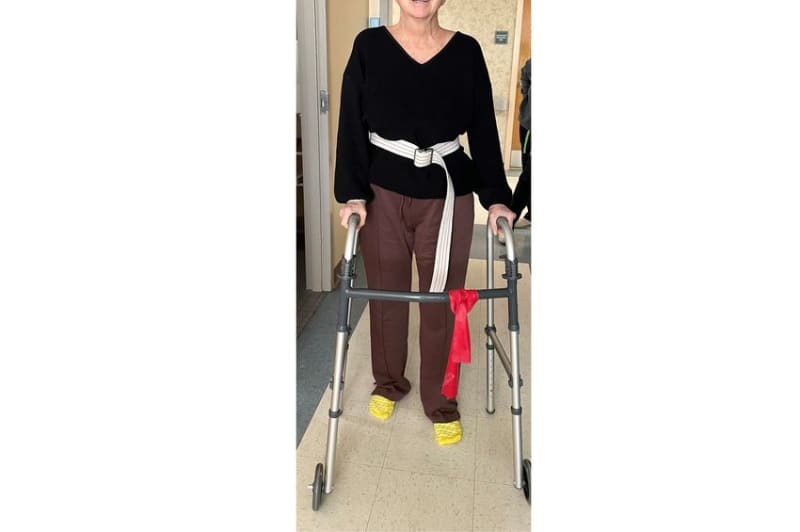
A groundbreaking medical guideline just expanded access to life-saving stroke treatments for adults and introduced the first-ever care standards for children. Nearly 800,000 Americans have strokes each year, and these updates could prevent lifelong disability for thousands of families.

A simple blood test that can rapidly detect the most common type of stroke just received breakthrough status from the FDA. The innovation could help prevent the one in six strokes that doctors initially miss.
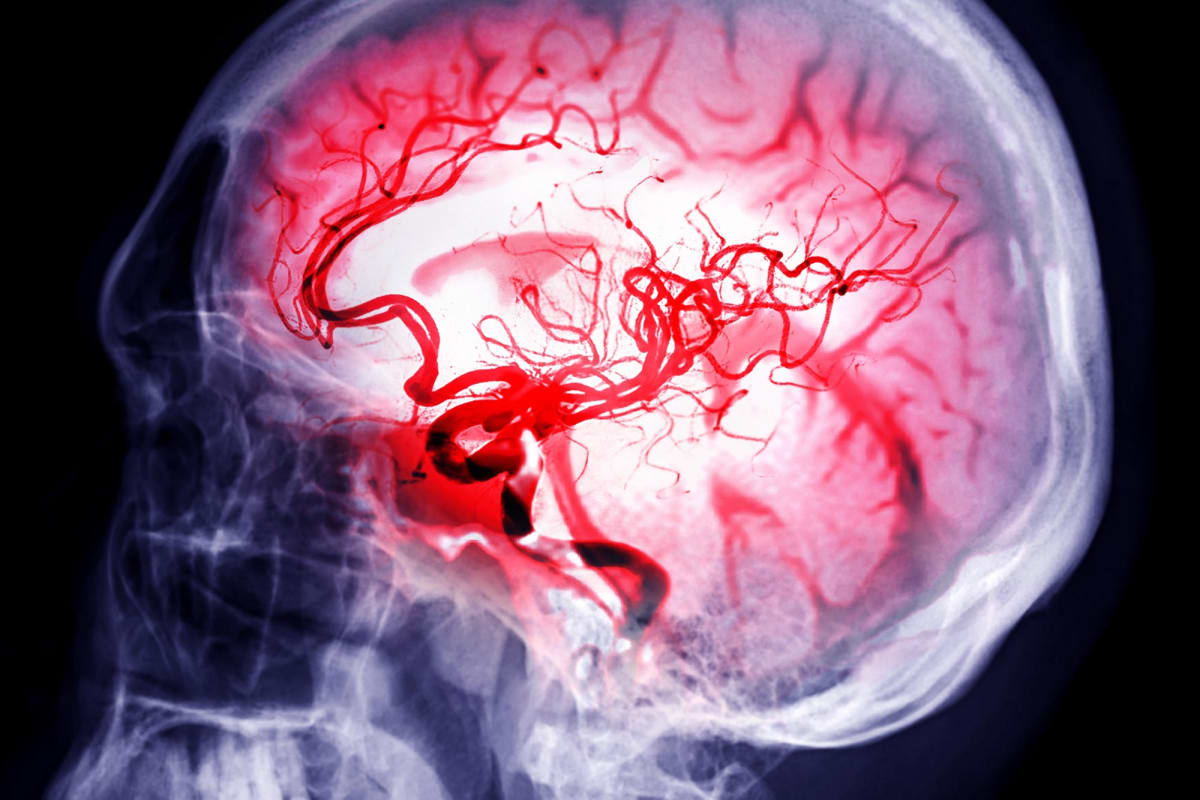
Researchers discovered that strengthening the body's natural daily rhythms helps stroke survivors recover even when treatment starts days after injury. The breakthrough could transform rehabilitation for millions of stroke survivors worldwide.
A groundbreaking stroke treatment that works differently than any medication created in three decades just dosed its first patient in Arizona. BB-031 could help thousands of stroke patients who miss the narrow treatment window for current therapies.
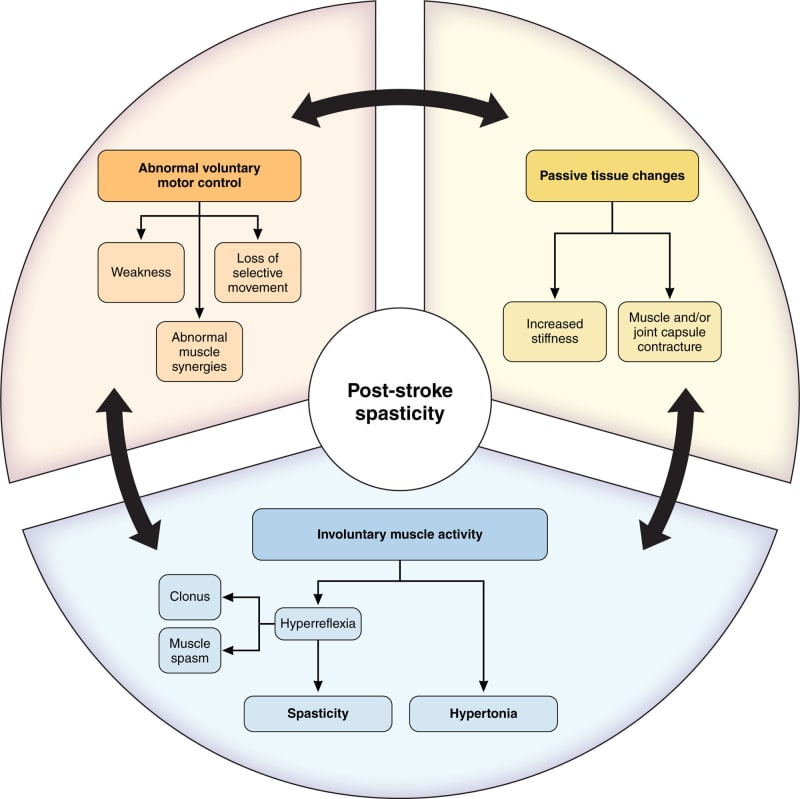
Researchers at UT Health San Antonio are revolutionizing stroke recovery by urging doctors to diagnose and treat painful muscle stiffness much earlier. This shift could help millions of stroke survivors walk, move, and reclaim their independence.
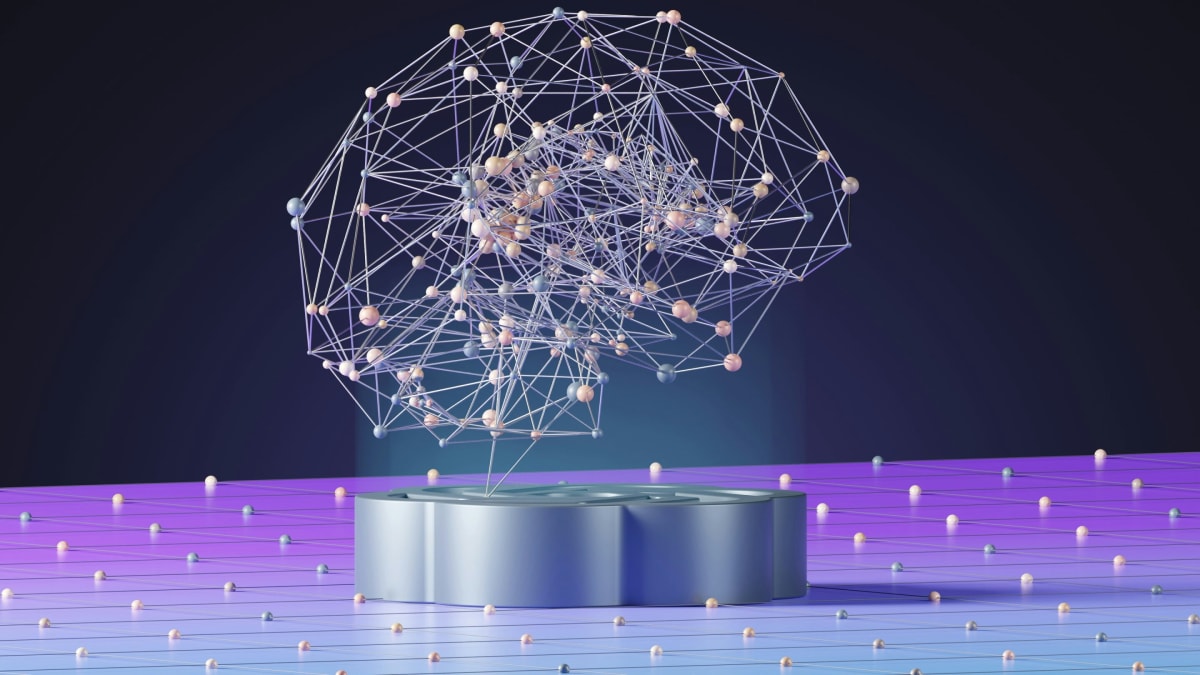
Researchers have released the world's first open dataset combining two brain imaging methods that track stroke recovery, allowing scientists everywhere to develop better rehabilitation tools. The free data could help millions of stroke survivors regain movement faster.
A groundbreaking clinical trial shows that training the less-impaired arm after stroke significantly improves motor skills, even years later. This discovery could transform daily life for millions of stroke survivors who rely on their "good" arm.
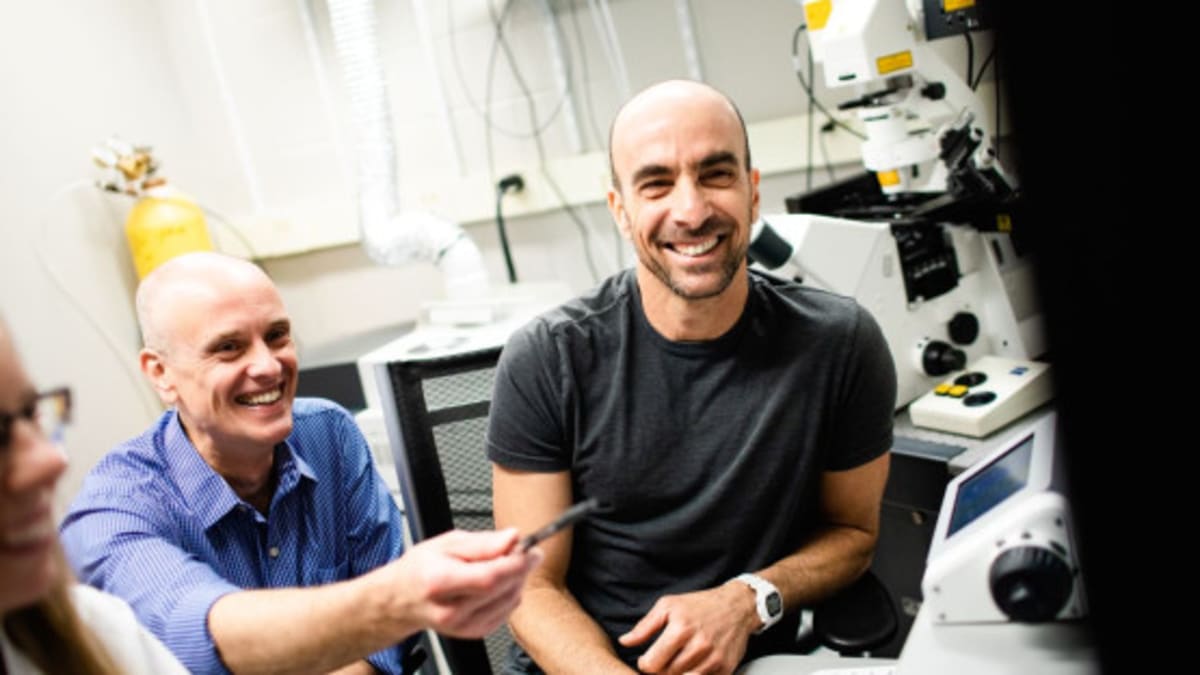
A simple blood test could soon help doctors diagnose strokes in minutes, potentially saving thousands from disability or death. The FDA just granted breakthrough status to the first rapid blood test for detecting the most common type of stroke.
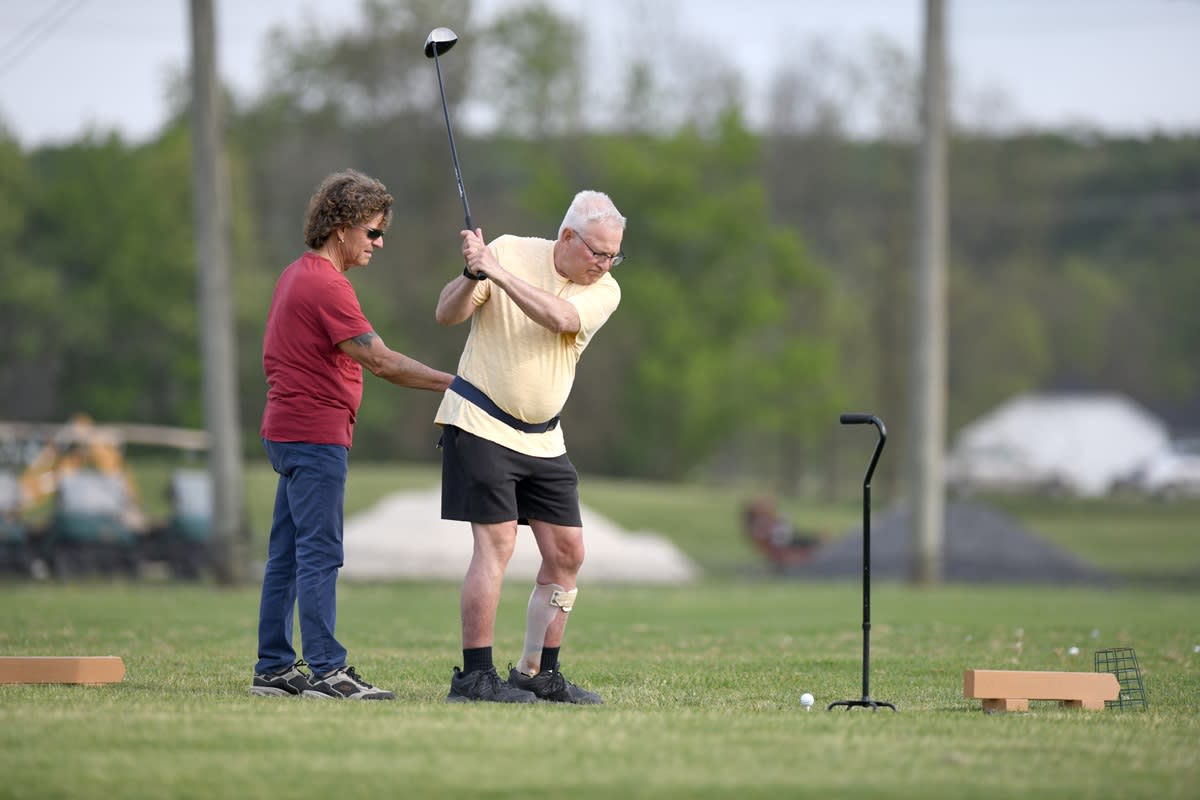
Thousands more stroke patients can now receive life-saving treatment thanks to updated guidelines that expand the window for clot-busting medication from 4.5 hours to 24 hours. The change especially helps people who have strokes while sleeping.
Showing 20 of 12700