
Art-Science Partnerships Gain Recognition as Trust Tool
Scientists are calling for more collaborations between artists and researchers to rebuild public confidence in science. The strategy comes as funding cuts threaten research programs worldwide.
Find uplifting stories about heroes, innovations, and solutions
9891 results for "polar science"
Scientists are calling for more collaborations between artists and researchers to rebuild public confidence in science. The strategy comes as funding cuts threaten research programs worldwide.

A major science organization is launching a digital series that shows how Earth science research translates into real solutions for communities worldwide. The series premiews in December 2026 and goes global in January 2027.

Over 900 Calgary students from Grade 5 to 12 are presenting their self-designed science experiments at the city's largest youth science fair this weekend. Two Grade 12 students developed a promising wound infection detector using red cabbage extract after a cooking accident sparked their curiosity.
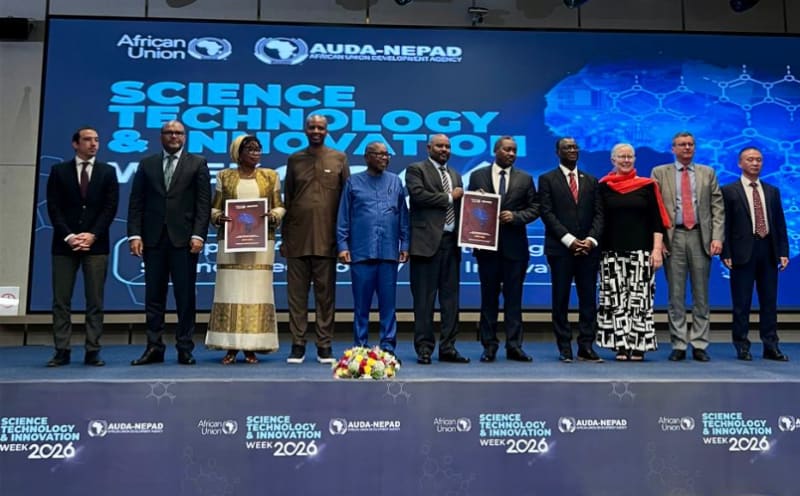
Six international partners just pledged $42 million to fuel Africa's ambitious 10-year science and innovation strategy. The funding will help African nations build stronger research systems and solve local challenges through homegrown science.

A public health professor is slashing his annual research output from 15 papers to just seven, betting that quality beats quantity in science. His radical move challenges a system where some researchers now pump out more than 60 papers yearly.

A new report from the Academy of Arts and Sciences shows how proportional representation, used in most established democracies, could help Americans feel more represented and reduce toxic political polarization. The system would allow multiple winners per district based on vote shares, ensuring more voices are heard.
)
Trinity College just unveiled a privately funded plan to triple the Cambridge Science Park's size, creating 20,000 high-value jobs while opening a free public Park of Science to inspire local kids in STEM. The 50-year masterplan transforms Britain's oldest science park into a £3 billion innovation hub for life sciences, tech, and clean energy.

Scientists have discovered that giant viruses in the Arctic and Antarctic act as invisible guardians, sustaining life in Earth's harshest environments. These microscopic engineers could help us understand how polar ecosystems might survive climate change.
China's largest research institution is redirecting funds from expensive Western science journals to build its own publishing system. The move could reshape global science publishing and make research more accessible worldwide.
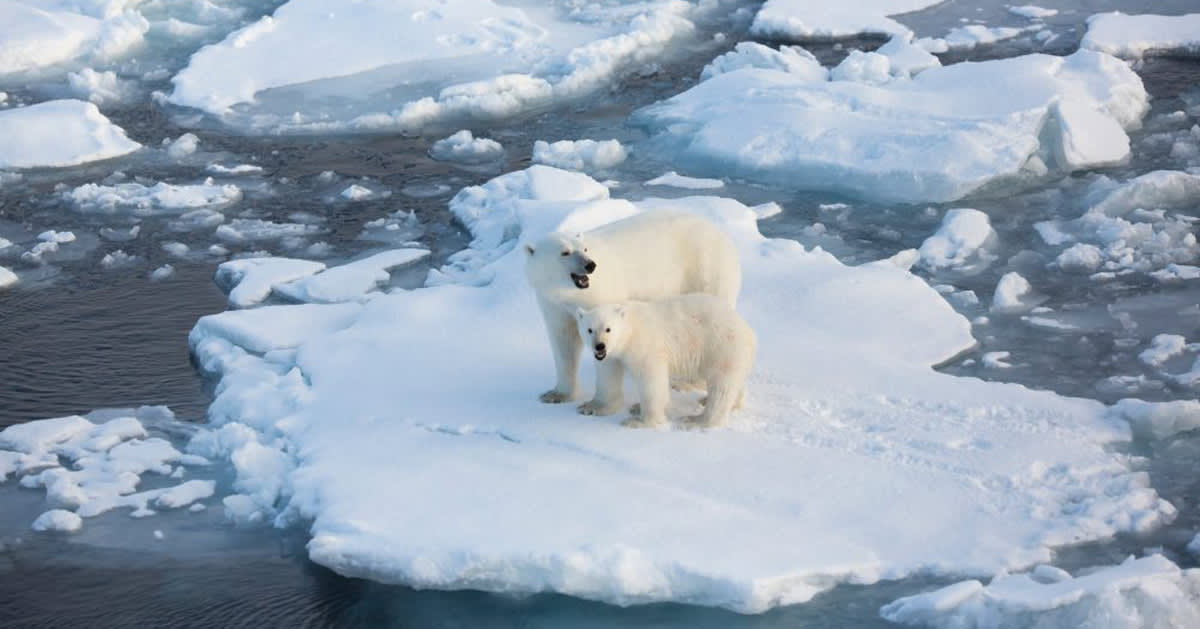
Scientists tracked 770 polar bears for 24 years in Norway's Svalbard archipelago and found something unexpected: despite rapidly melting sea ice, the bears maintained healthy body conditions. Their secret might be adapting their diet and hunting strategies.
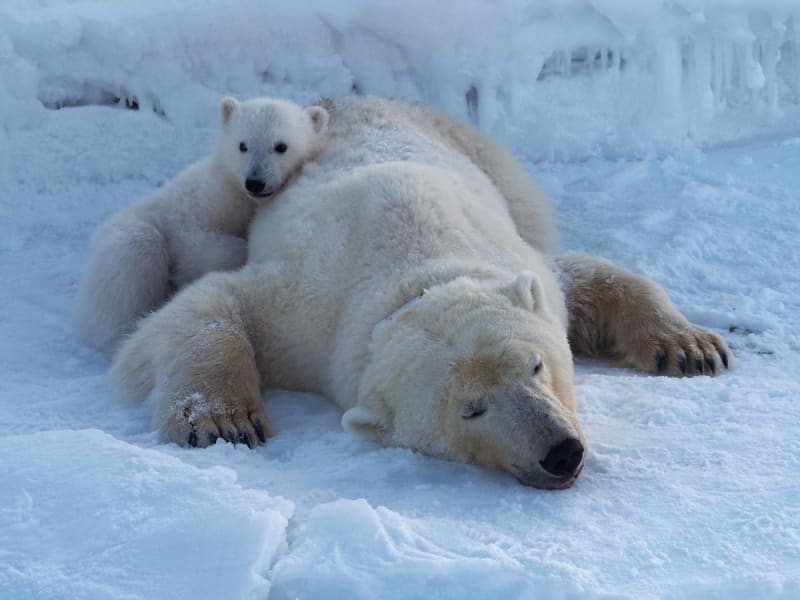
Scientists tracking 770 polar bears over 24 years discovered something unexpected: the animals are maintaining healthy body conditions even as their Arctic hunting grounds shrink by two months each year. The resilient bears may be adapting their hunting strategies to survive in a rapidly changing world.
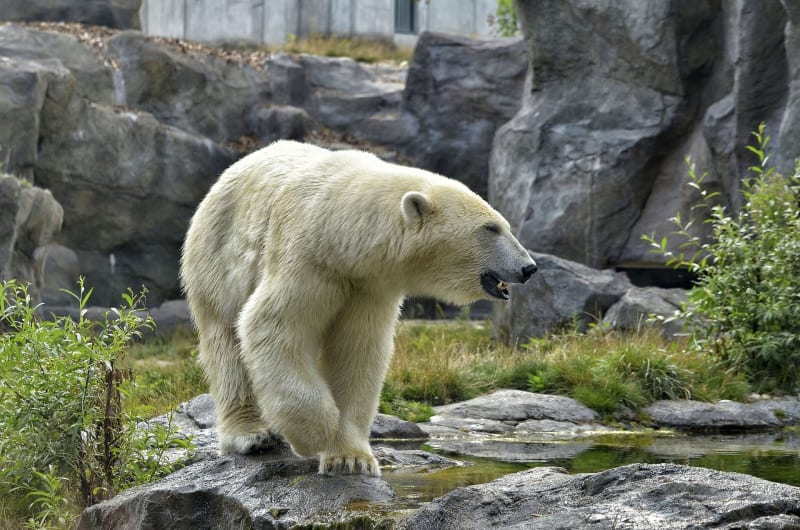
When polar bears Amelia Gray and Hudson touched noses at Brookfield Zoo last fall, their connection sparked hope for a groundbreaking research program. Scientists are racing to understand polar bear reproduction before climate change and habitat loss make it too late.
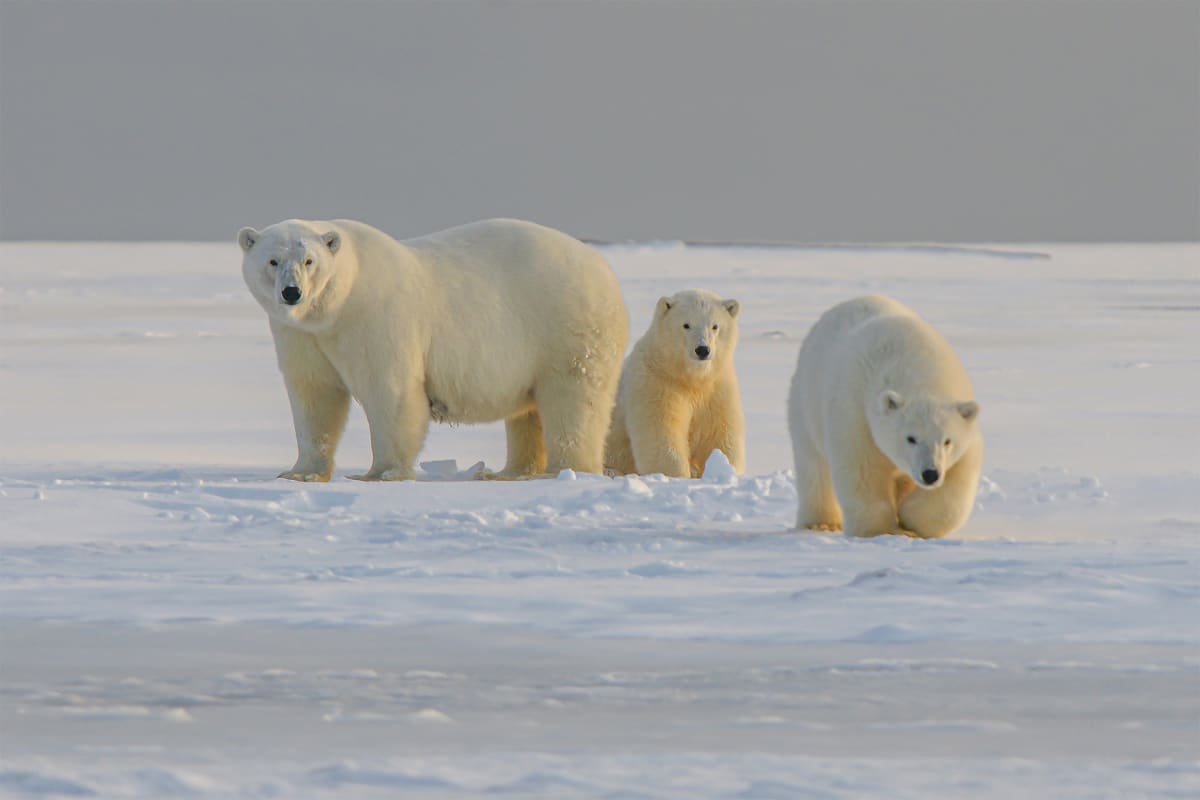
A groundbreaking radar system powered by AI is helping Arctic communities peacefully coexist with polar bears by detecting approaching animals before dangerous encounters occur. The technology has already guided a polar bear family safely back to sea ice after spotting them near a weather station.

The National Science Foundation just launched a $100 million program to transform existing scientific datasets into AI-ready tools that could accelerate breakthroughs across research fields. Instead of collecting new data, scientists will unlock hidden insights from decades of valuable research already sitting in databases.

A billionaire-backed vessel is revolutionizing marine research by pairing cutting-edge science with Hollywood-level storytelling. OceanXplorer partners with local scientists worldwide to explore the deep sea while sharing discoveries with millions online.
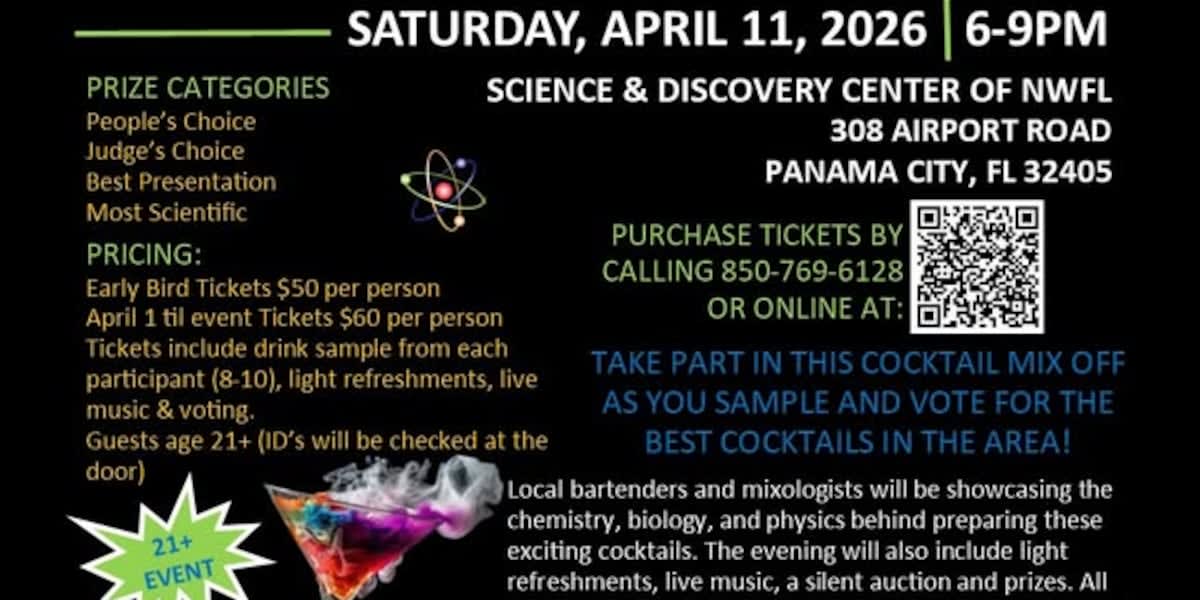
A Panama City science museum is turning cocktail hour into a chemistry lesson. Local bartenders will demonstrate the science behind mixology while guests vote for the best drinks.

Rebecca Maynard, a high school science teacher in Massachusetts, has earned one of just six national awards recognizing excellence in teaching. Her work includes bringing real-world climate science into the classroom through expeditions to Kenya and Alaska.
Directors Phil Lord and Christopher Miller are bringing optimistic science fiction back to the big screen with their adaptation of Andy Weir's beloved novel. The film premieres March 20, showing how science can solve humanity's biggest problems.

Ethiopia is teaming up with The World Academy of Sciences to supercharge its research ecosystem and train the next generation of African scientists. The partnership will focus on health, climate science, and digital technology while connecting Ethiopian researchers to global scientific networks.

South Africa just expanded its week-long science celebration into an entire month, bringing cutting-edge research and innovation to every corner of the nation. The new National Science Month proves that groundbreaking discoveries belong to everyone, not just lab coats and textbooks.
Showing 20 of 9891