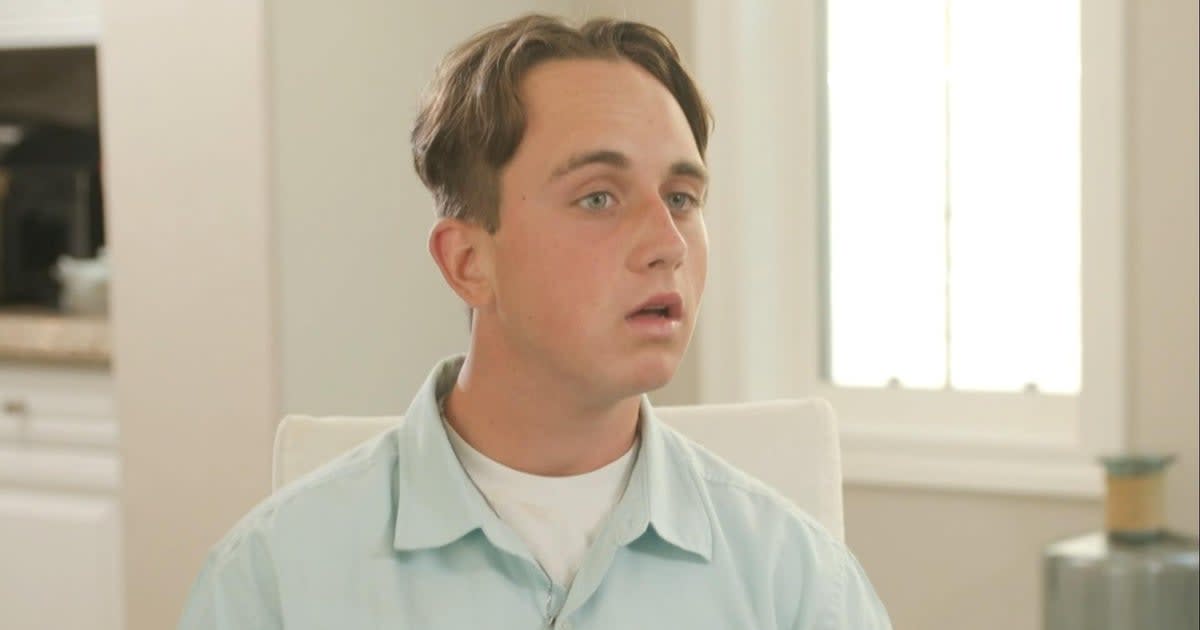
Teen Survives No Heartbeat, Stroke, Becomes Youth Pastor
Dylan Law had no heartbeat for 22 minutes at birth and wasn't expected to survive. After beating cerebral palsy and recovering from a teenage stroke, he's now helping others find hope.
Find uplifting stories about heroes, innovations, and solutions
7037 results for "stroke survival"
Dylan Law had no heartbeat for 22 minutes at birth and wasn't expected to survive. After beating cerebral palsy and recovering from a teenage stroke, he's now helping others find hope.
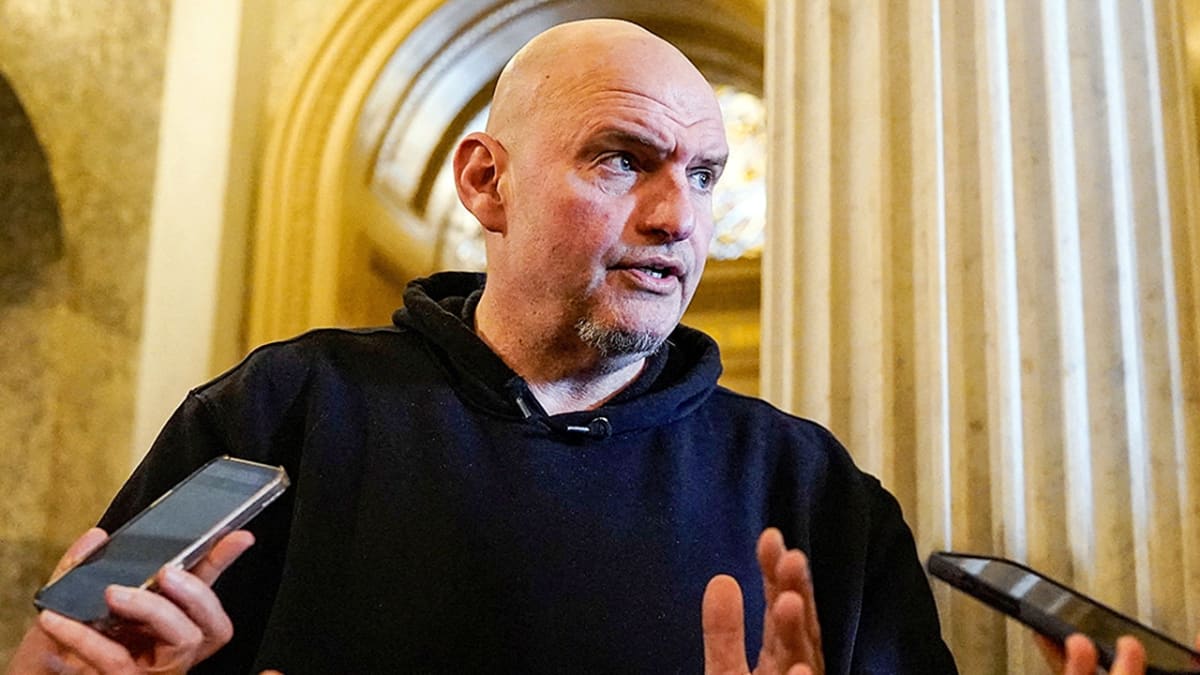
After his heart stopped during a 2022 stroke, Senator John Fetterman emerged with a new mission: choosing gratitude and conversation over political bitterness. His journey from near-death to renewed purpose shows how personal crisis can reshape how we engage with others.

Ethan Harbridge was just 20 when a rare brain bleed caused a stroke that changed everything. Now he's riding to raise awareness for the care that saved his life.
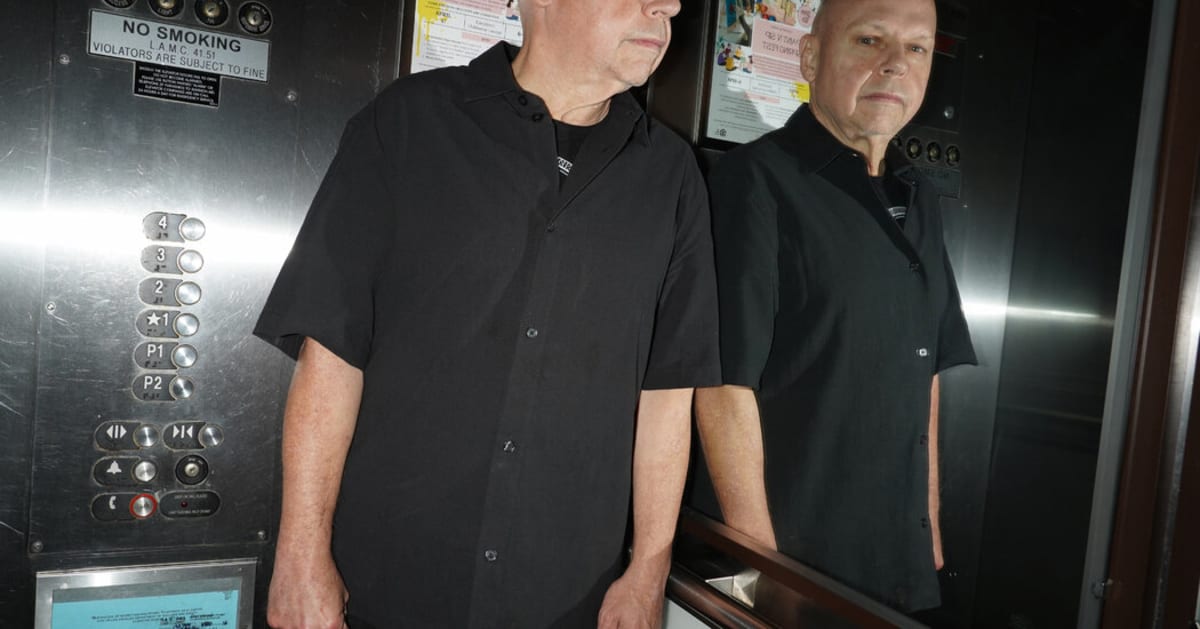
Music broadcaster Matt Pinfield survived a stroke and coma that doctors warned could end his 50-year career forever. Six months later, he's hiking, hosting radio shows, and talking about rock music like he never stopped.

Reality TV dermatologist Dr. Sandra Lee survived a stroke last fall and bounced back to filming within months. Her recovery story offers hope for stroke survivors everywhere.
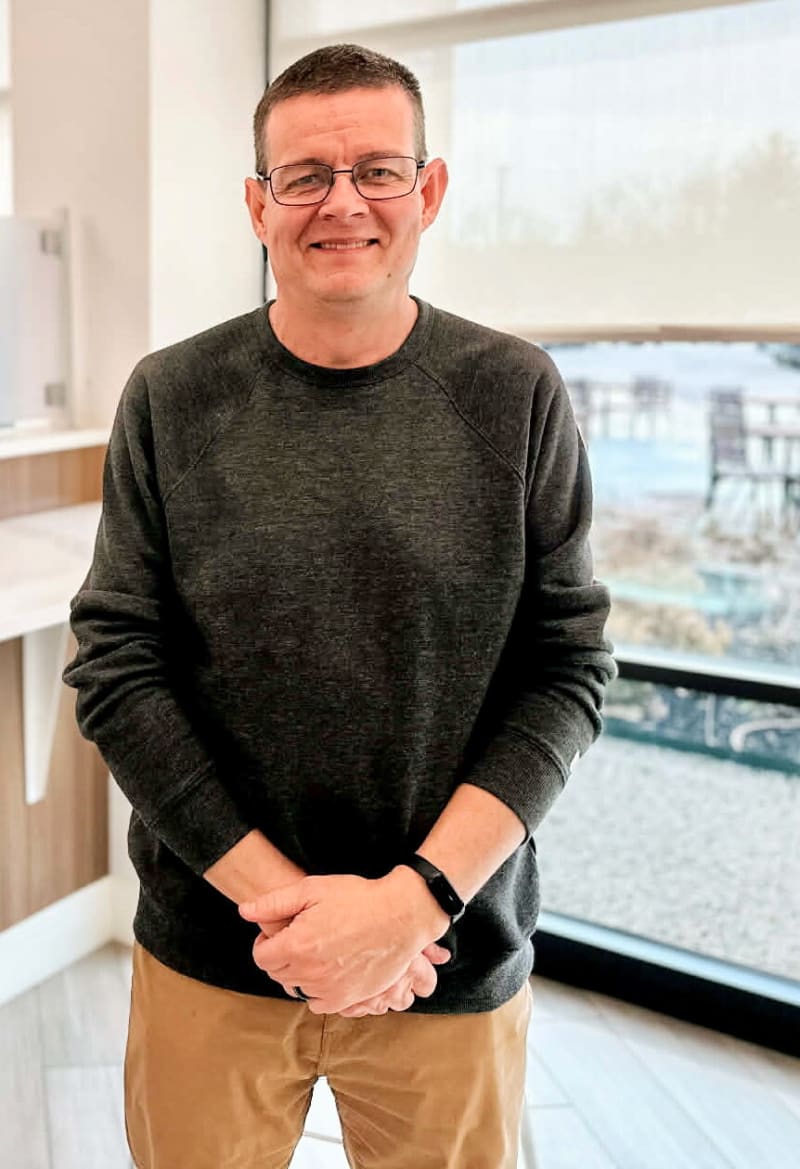
When Brad Hensley's arm went numb at work, his quick-thinking coworker saved his life. Thanks to rapid treatment, the 51-year-old father walked out of the hospital the very next day.
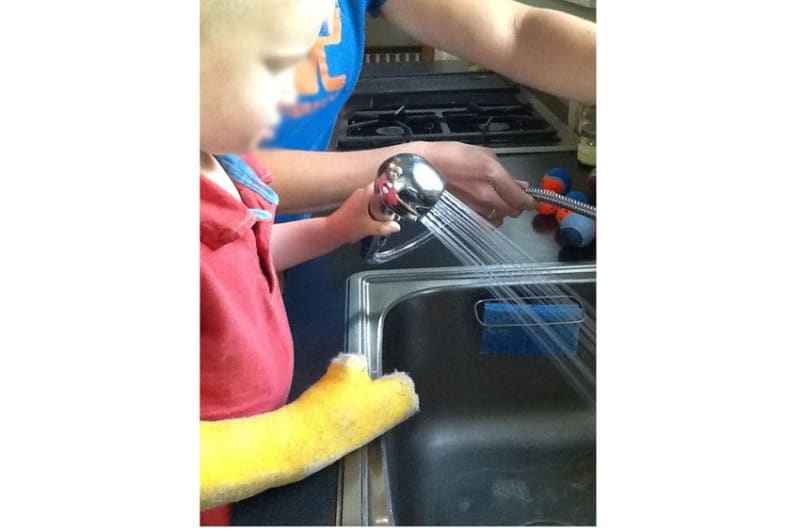
Babies who survived strokes before or shortly after birth showed remarkable improvement using a new high-dose therapy that helped them strengthen their weaker arm and hand. Six months after treatment, these tiny fighters gained significantly more skills than those receiving standard care.

Lori Grijalva couldn't move her right side after a stroke at 64. Today, she's back on the competition platform winning gold medals and teaching others to recognize warning signs.
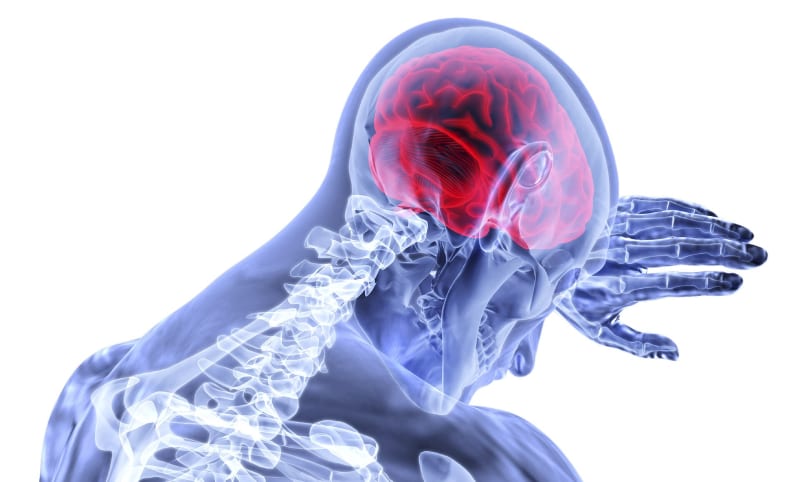
A breakthrough medication called asundexian reduces the chance of having another stroke by 26% without increasing dangerous bleeding risks. Nearly 1 in 4 stroke survivors faces another stroke, but this discovery could change their future.
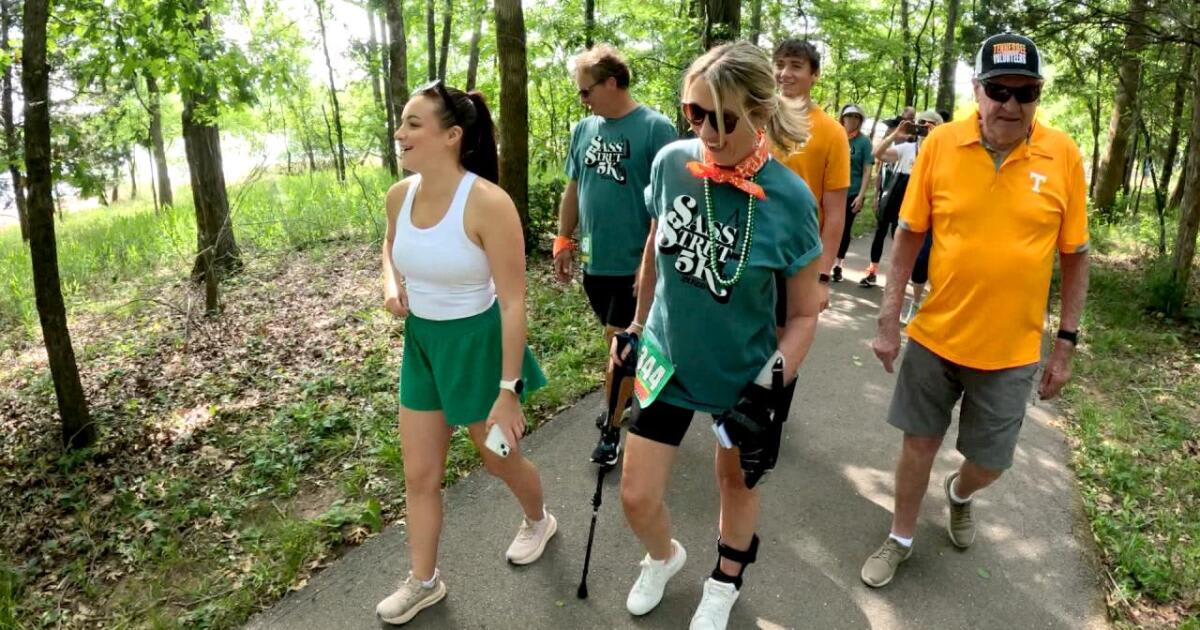
Tina Wittman collapsed seven years ago with a stroke that paralyzed her left side and stole her ability to say her own children's names. Last Saturday, she crossed the finish line of her dream 5K and now teaches other survivors how to cook with one hand.
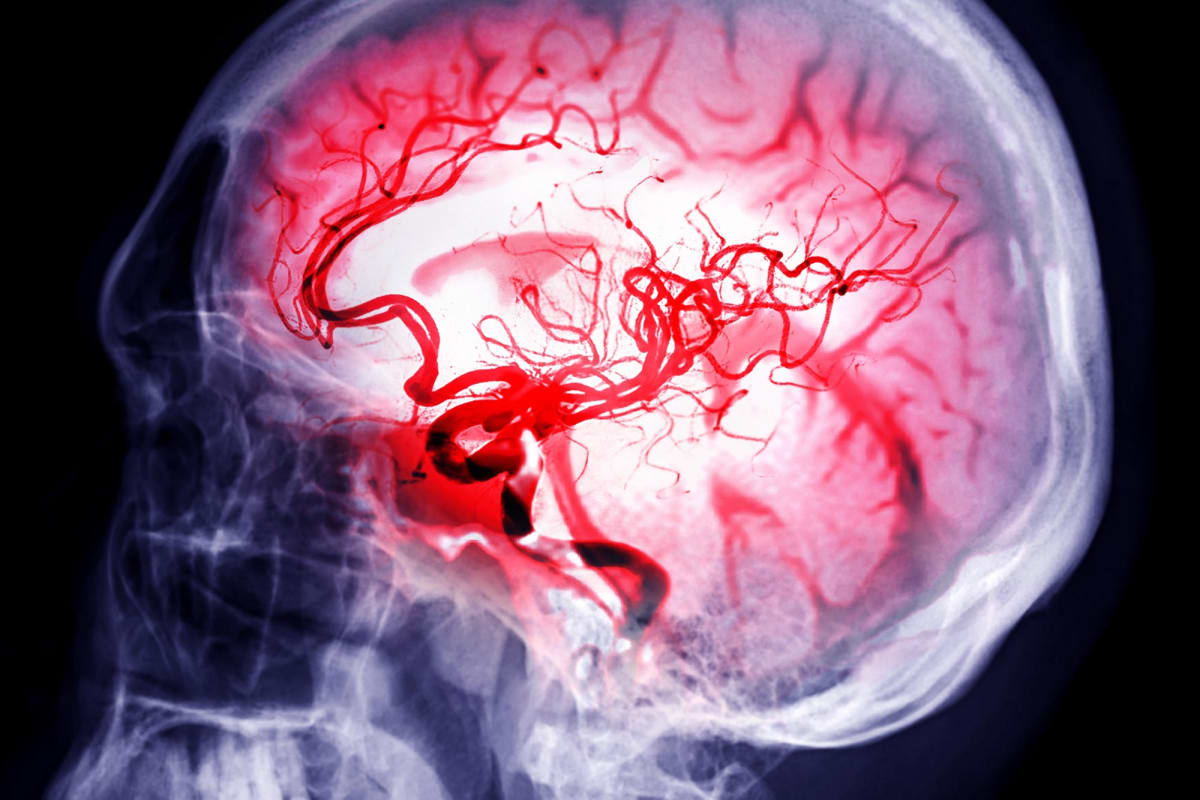
Researchers discovered that strengthening the body's natural daily rhythms helps stroke survivors recover even when treatment starts days after injury. The breakthrough could transform rehabilitation for millions of stroke survivors worldwide.
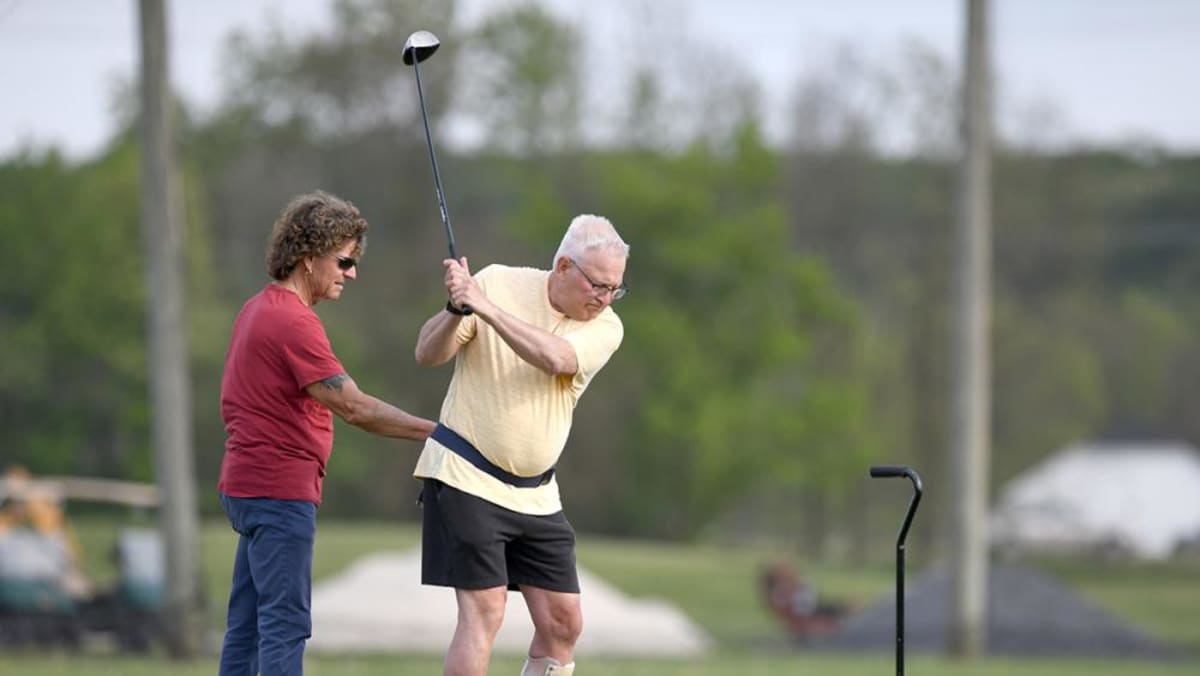
Stroke patients can now receive life-saving clot-busting medication up to 24 hours after symptoms begin, thanks to new American Stroke Association guidelines. The update especially helps people who have strokes while sleeping and can't get immediate help.
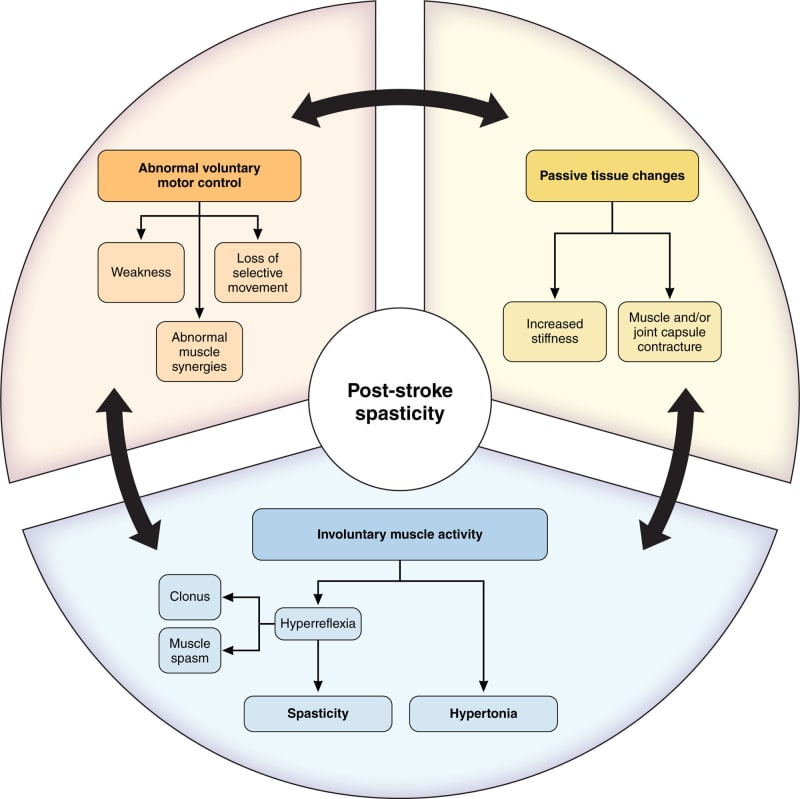
Researchers at UT Health San Antonio are revolutionizing stroke recovery by urging doctors to diagnose and treat painful muscle stiffness much earlier. This shift could help millions of stroke survivors walk, move, and reclaim their independence.
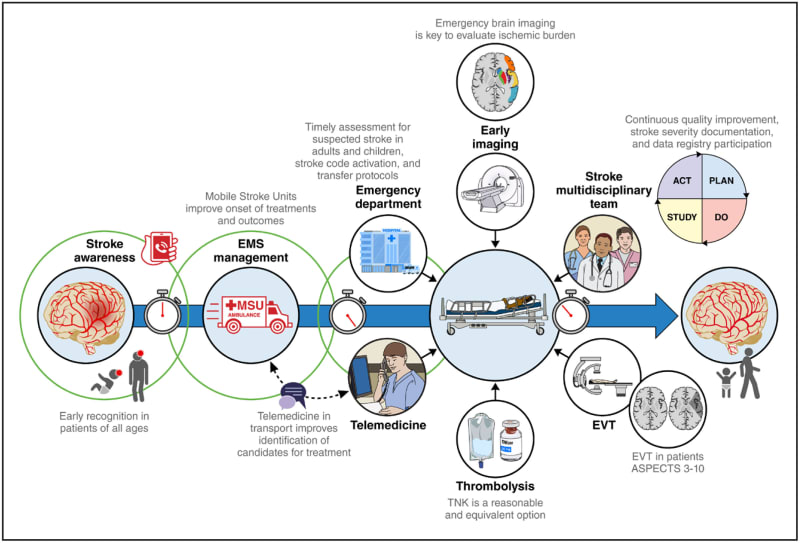
Stroke care just took its biggest leap forward in a decade, with new guidelines expanding who can receive advanced treatments and offering the first-ever recommendations for treating strokes in children. Nearly 800,000 Americans have a stroke each year, making this update potentially life-changing for thousands of families.
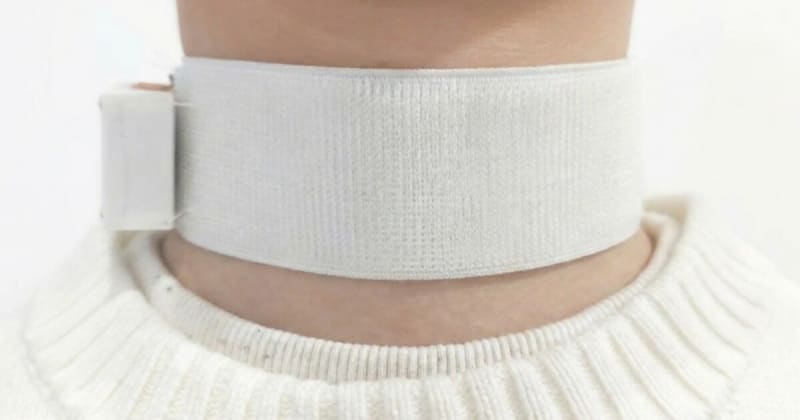
A wearable AI device called Revoice helps stroke survivors communicate naturally by reading throat movements and emotions, turning silently mouthed words into full sentences. Five patients tested it with 95% accuracy, reporting they could finally speak as fluently as before their strokes.
A Florida man who had a stroke at age seven can now move his paralyzed arm again, thanks to a tiny implanted device that reawakens dormant nerves. The FDA-approved technology is giving hope to patients who lost function decades ago.
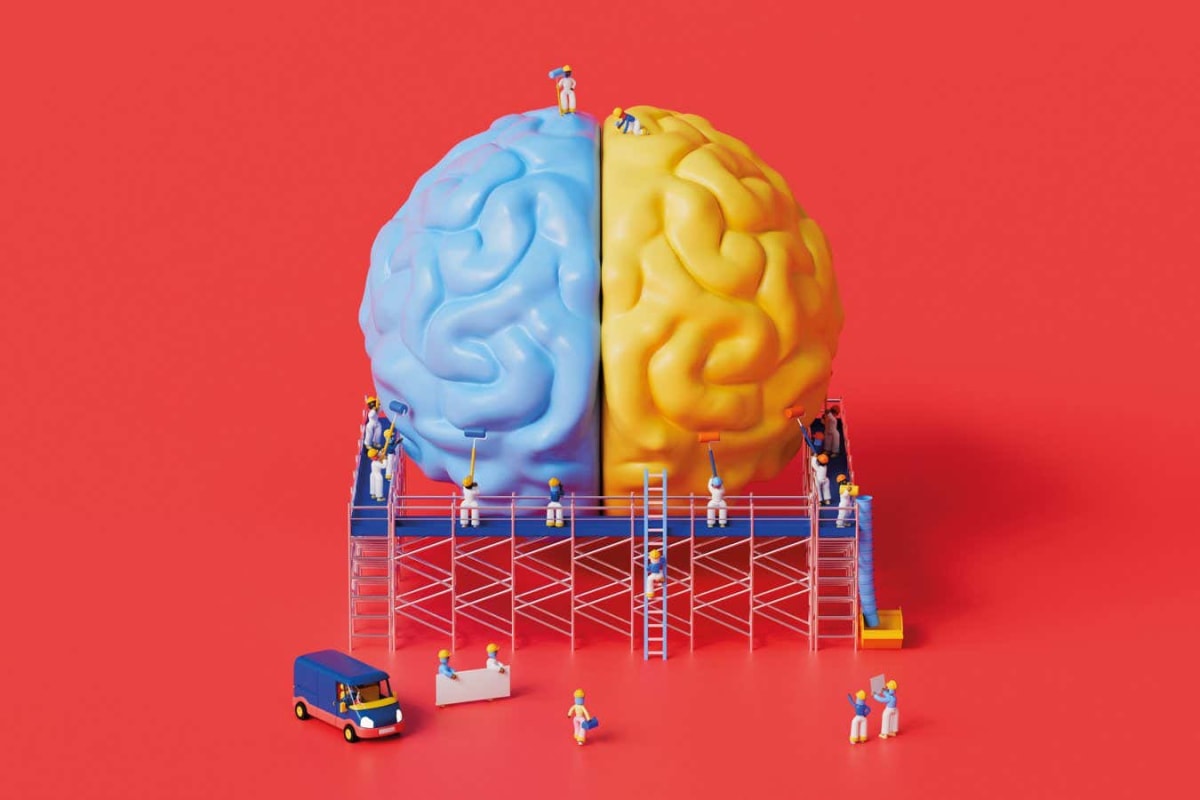
A Hungarian actor lost his ability to speak after a stroke but returned to live theatre within a year. Scientists are now discovering why some brains make extraordinary recoveries while others struggle, opening doors to new treatments for the 100 million people living with stroke effects worldwide.
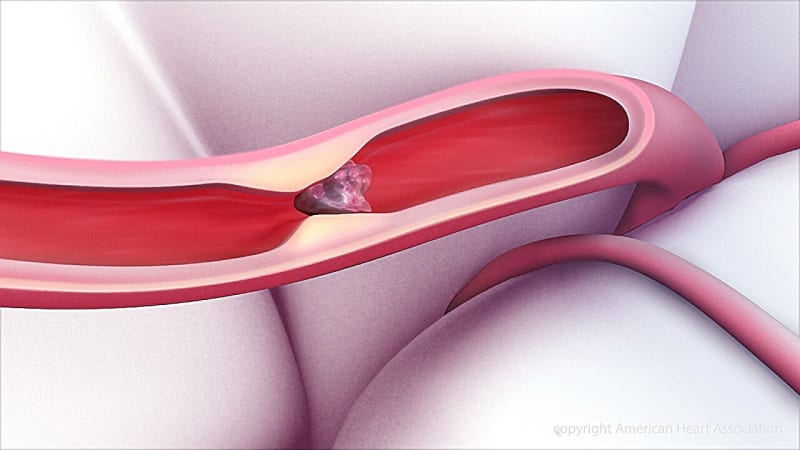
A breakthrough stroke treatment combining clot removal with medication helped 57% of patients fully recover, compared to just 42% with standard care. The simple addition could transform outcomes for thousands of stroke survivors worldwide.
Stroke survivors who feel safe talking about their fears and emotions recover faster physically and mentally than those who keep feelings bottled up. A new study shows that emotional openness matters just as much as stroke severity for long-term recovery.
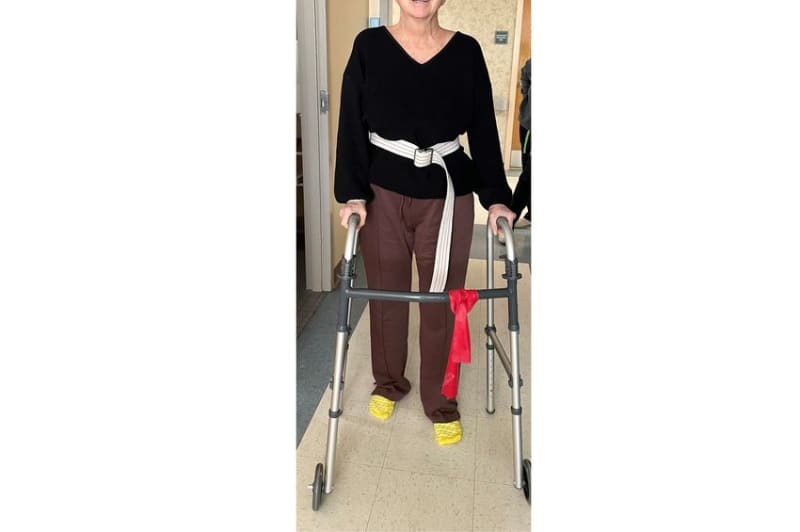
A groundbreaking medical guideline just expanded access to life-saving stroke treatments for adults and introduced the first-ever care standards for children. Nearly 800,000 Americans have strokes each year, and these updates could prevent lifelong disability for thousands of families.
Showing 20 of 7037