MIT Makes Pure Hydrogen Extraction Cheaper and Easier
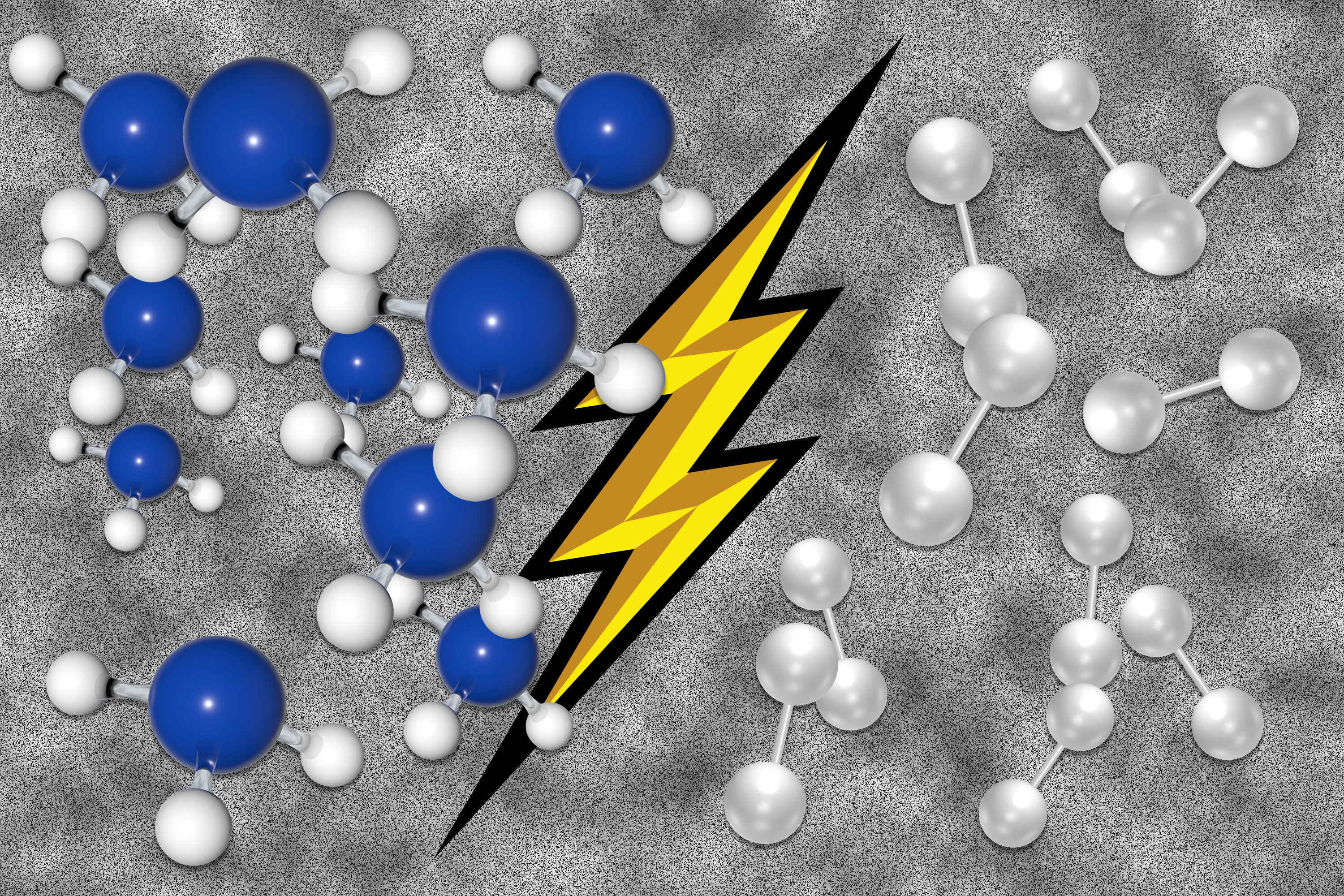
Scientists at MIT just cracked a major problem holding back clean hydrogen fuel. Their new method extracts pure hydrogen from ammonia using less energy and lower temperatures than ever before.
BrightWire's hybrid newsroom curates and verifies uplifting stories, breakthroughs, and community solutions from around the globe.
85,831 Published Articles

Scientists at MIT just cracked a major problem holding back clean hydrogen fuel. Their new method extracts pure hydrogen from ammonia using less energy and lower temperatures than ever before.

Matthew Brennan just became the youngest rider ever to win five stages at a single Grand Tour, sprinting to victory in his debut at Spain's Vuelta a Espana. The British newcomer is rewriting cycling history books while most his age are just starting their careers.

After fleeing war in Sudan, engineer Jamal Mubarak is heading home to help rebuild his country. He's one of 1,300 refugees choosing hope over safety through a UN voluntary return program.

Better internet access is cutting the time American women spend waiting for services, potentially reclaiming millions of hours each year. A 14-year study shows how digital infrastructure is reducing time poverty, especially for middle-income families.

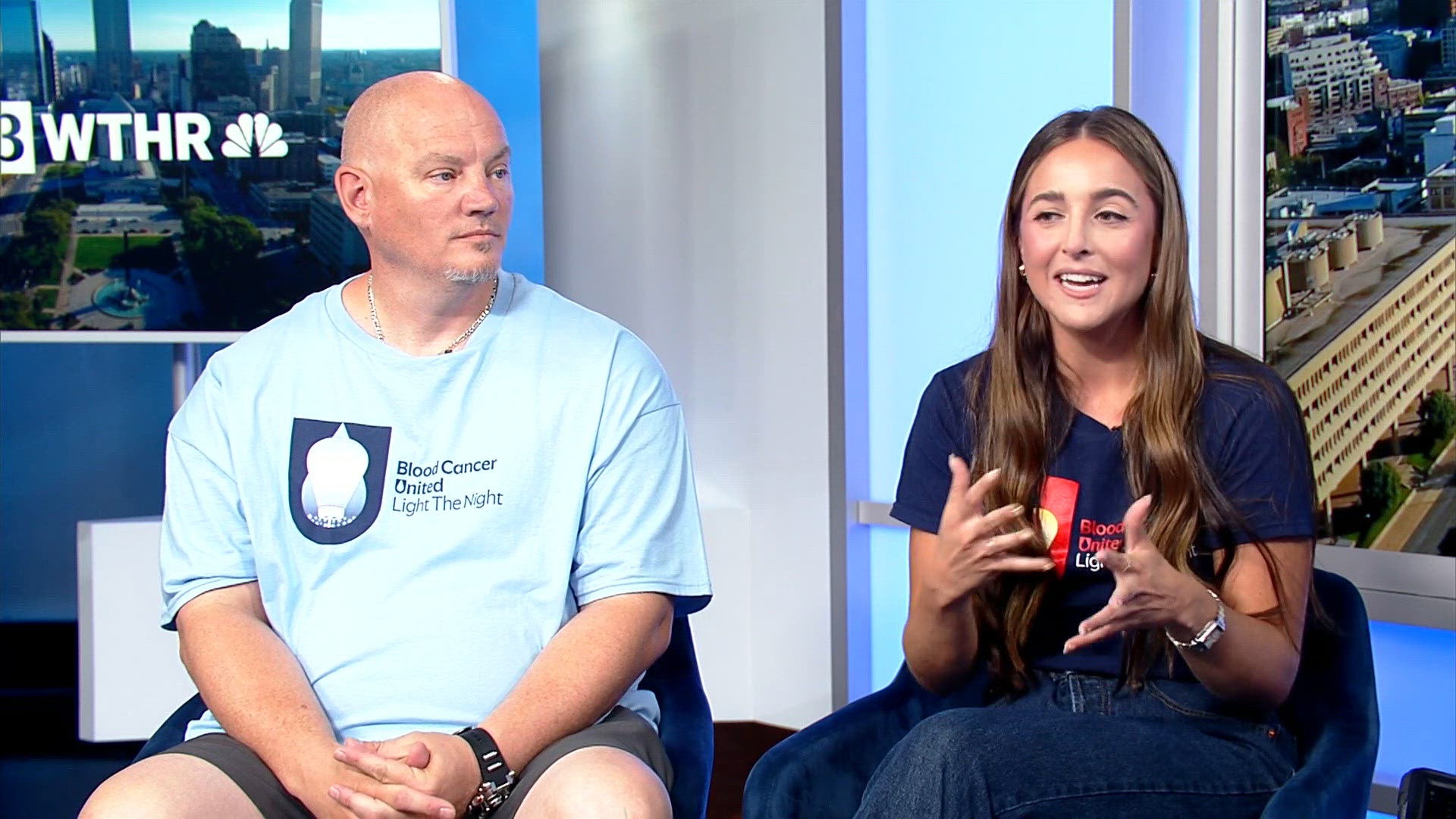
A blood cancer survivor partnered with Indianapolis station WTHR to support Blood Cancer United's mission to cure blood cancer. The collaboration highlights the organization's Light The Night fundraising event.

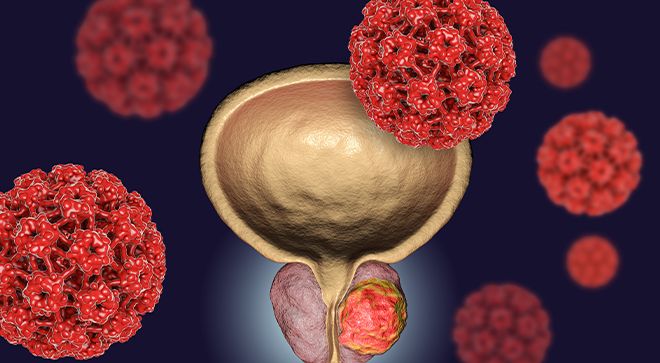
Bristol Myers Squibb reports encouraging results for a cutting-edge therapy helping multiple myeloma patients who've run out of options. The CAR T-cell treatment offers fresh hope for those battling this challenging blood cancer.

A legendary Cincinnati charity just made its biggest donation ever to help the tiniest patients at Good Samaritan Hospital. The Ruth Lyons Children's Fund gave $100,000 to support babies in the NICU and their families.

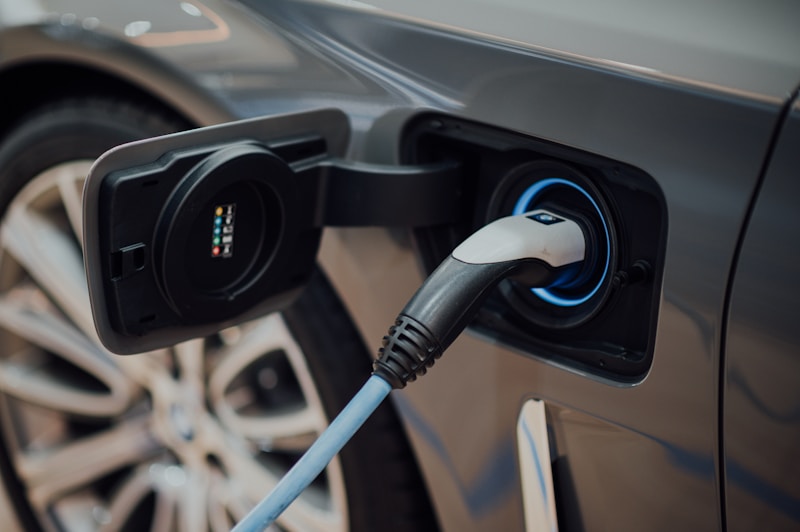
Tennessee just made it easier for apartment residents to charge electric vehicles at home. The state is offering rebates covering up to 60% of costs to install EV charging stations at multifamily housing properties.

New York City is expanding its electric vehicle charging network from 88 to nearly 700 stations over the next three years, with seven new chargers planned for Manhattan's Upper West Side. The neighborhood is already leading the city in EV adoption at twice the citywide average.

Door County, Wisconsin is getting a fast-charging electric vehicle station that will make the popular tourist destination more accessible to EV drivers. The $436,000 investment is part of a statewide network helping 43,200 electric vehicle owners travel freely across Wisconsin.

Google is pouring a record $15 billion into Finland, powering its AI expansion with nuclear energy and creating tens of thousands of jobs. The move marks Europe's largest single tech investment and shows how clean energy is fueling the AI revolution.

Turkey's women's volleyball team captured their second consecutive European Championship, defeating Italy in a thrilling five-set final. The victory has the nation's eyes set on Olympic gold in Los Angeles 2028.

National Geographic is releasing a documentary series about the 2010 rescue of 33 Chilean miners trapped underground for 69 days. The series features unseen footage and survivor interviews from one of history's most dramatic rescue operations.

Chinese researchers built a swimming robot powered by actual frog leg muscle that stayed functional for 11 days. The tiny manta ray represents a breakthrough in combining biology with robotics to create more efficient machines.
In Baghdad's historic Al-Mutanabbi Street, booksellers leave their books unguarded overnight, following an old saying: "The reader does not steal, and the thief does not read." This century-old tradition survived even a devastating car bombing in 2007.

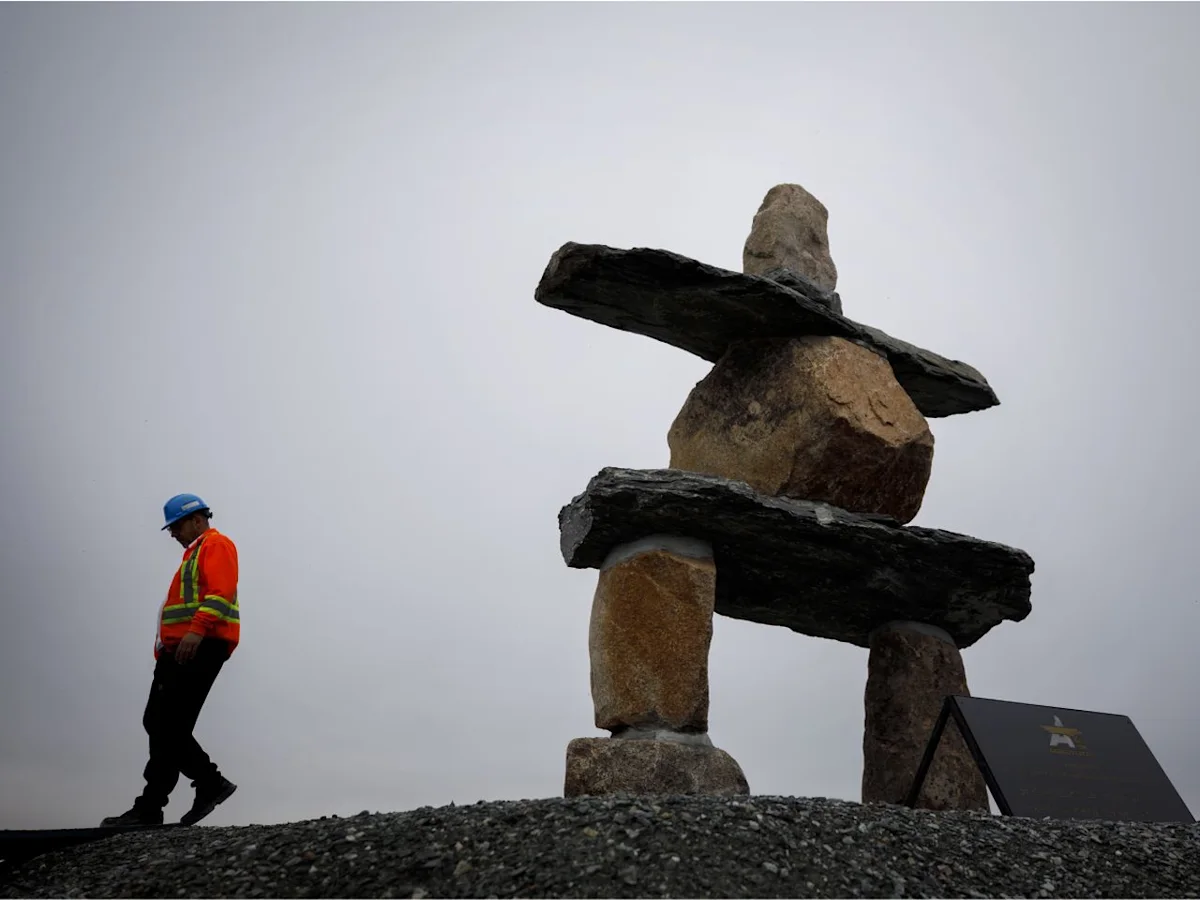
An Inuit-led wind farm in Canada's far north just secured $20 million to replace 3 million liters of diesel fuel annually with clean energy. The Hope Bay Wind Project will power one of the country's northernmost mines while creating jobs and lasting revenue for Indigenous communities.

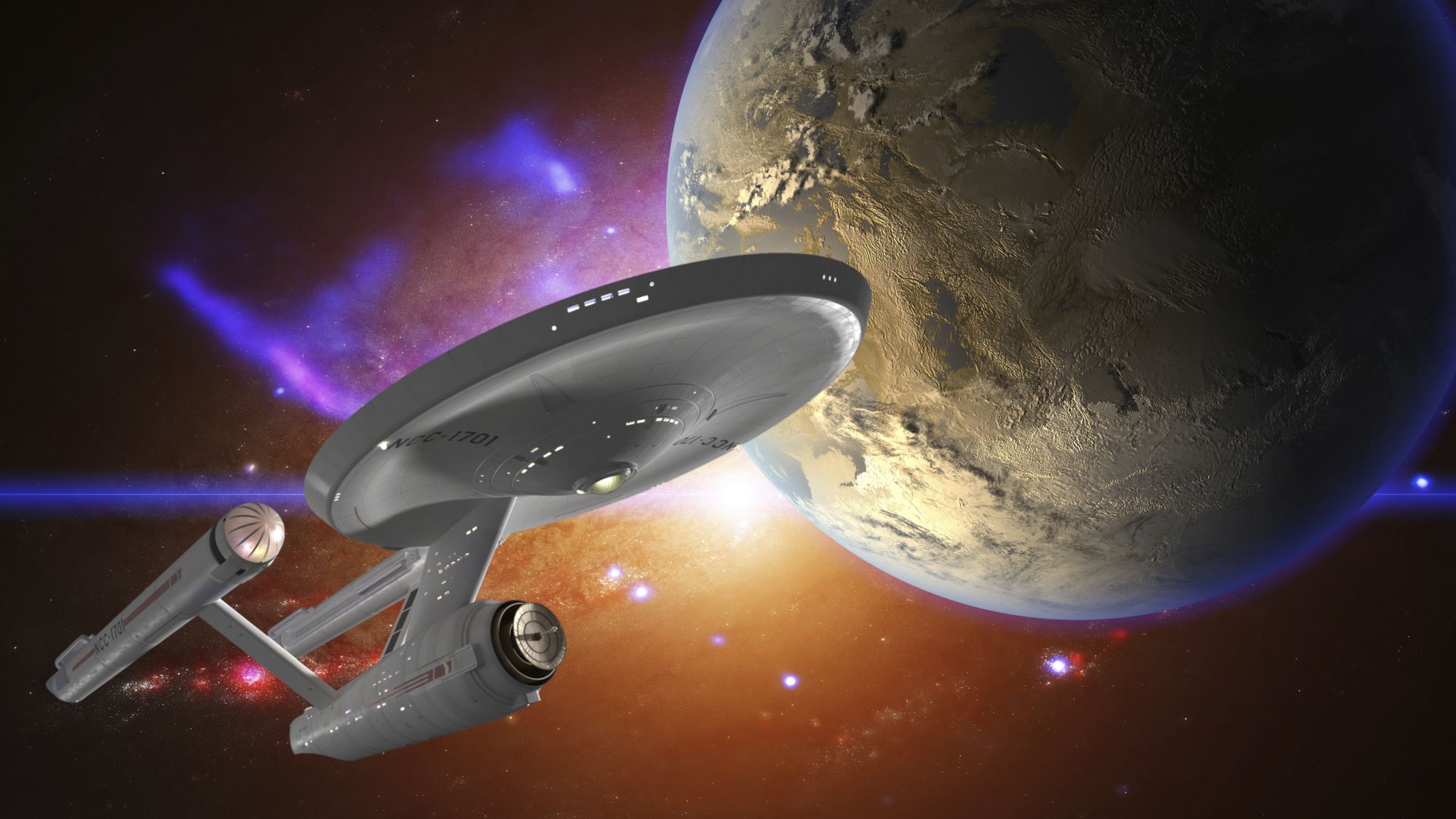
Sixty years after Star Trek introduced audiences to alien worlds, astronomers have discovered over 6,000 real planets that are even more bizarre than fiction. From iron rain to rogue planets wandering through space, reality has exceeded the wildest 1960s imagination.

A particle of light from the biggest cosmic explosion since the Big Bang traveled 2 billion light years to Earth when physics says it should have been destroyed. Scientists may have solved the mystery using new physics that could unlock secrets of the universe.