Seven Nations Unite on 6G Security Standards
Seven countries just took a major step toward making tomorrow's internet safer for everyone. Their new voluntary security principles could protect billions of future users before 6G networks even launch.
Find uplifting stories about heroes, innovations, and solutions
35 results for "** 6g"
Seven countries just took a major step toward making tomorrow's internet safer for everyone. Their new voluntary security principles could protect billions of future users before 6G networks even launch.


The Netherlands just secured €214 million to lead the global race toward 6G networks, technology that could transform everything from factories to emergency deliveries. The country already set a world record during testing, and over 100 small businesses are lining up to build the wireless future.

China's new 6G test facility is solving robotics' biggest problem: making AI-controlled robots work flawlessly in the real world. The breakthrough could slash costs and enable mass production by 2027.

A new laboratory in Singapore is working to bring us the next generation of wireless technology. MediaTek and Singapore University of Technology and Design joined forces to research 6G connectivity that could transform how our devices work together.

Australian researchers have cracked a major hurdle in developing 6G wireless technology that could deliver internet speeds 100 times faster than 5G. The team at Adelaide University is building devices using terahertz waves to enable data rates above one terabit per second.

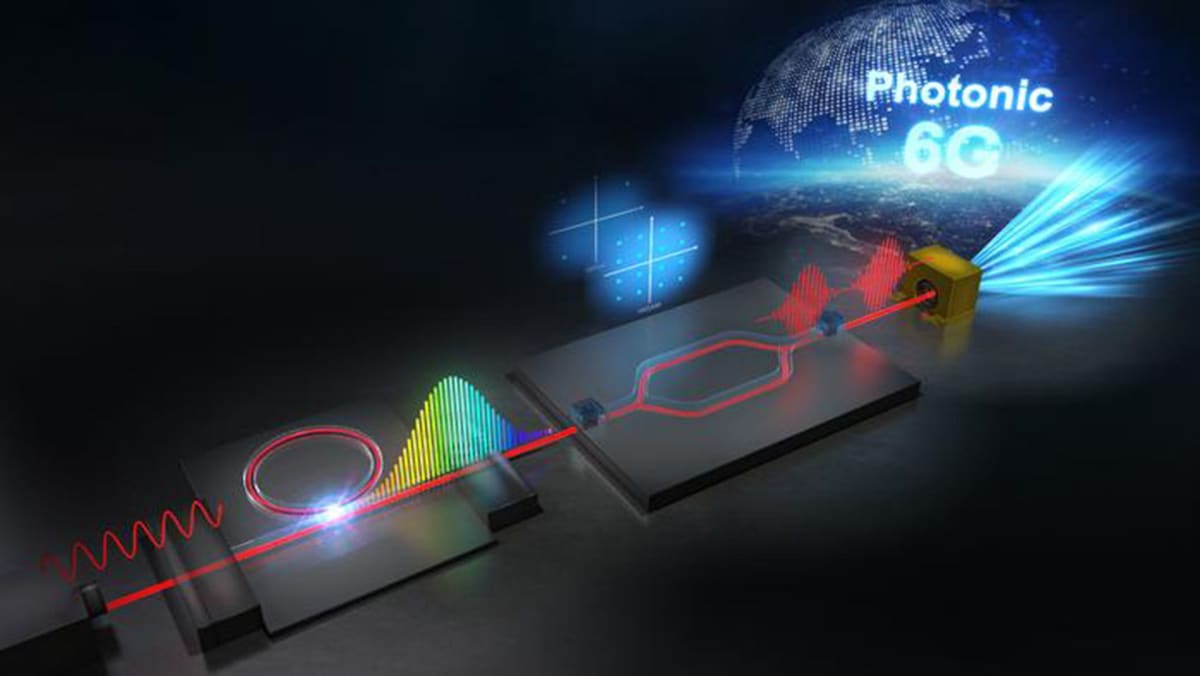
Scientists in Japan just transmitted data at 112 gigabits per second using a microchip-sized device, smashing through a major barrier blocking the path to lightning-fast 6G networks. The breakthrough could bring wireless speeds 3,000 times faster than today's average to your phone by 2030.

Australian scientists just cracked a major challenge on the road to 6G wireless networks that could deliver internet speeds 100 times faster than today. The breakthrough involves harnessing terahertz waves, an almost untapped slice of the electromagnetic spectrum.

University of Nebraska researchers are creating an AI system that designs next-generation wireless networks in days instead of months, helping sensors and robots stay connected anywhere. The breakthrough could power everything from scientific missions to everyday devices when 6G launches around 2030.

A researcher from Indonesia has cracked the code to make future 6G networks dramatically more efficient, allowing billions of devices to connect simultaneously without draining energy or causing congestion. His breakthrough could reduce traffic jams by up to 30 percent and help protect forests through real-time monitoring.

Engineers just solved one of the biggest problems blocking super-fast 6G internet with simple plastic tiles that cost $2 each. The breakthrough could bring speeds 3,000 times faster than 5G into homes and offices in the 2030s.

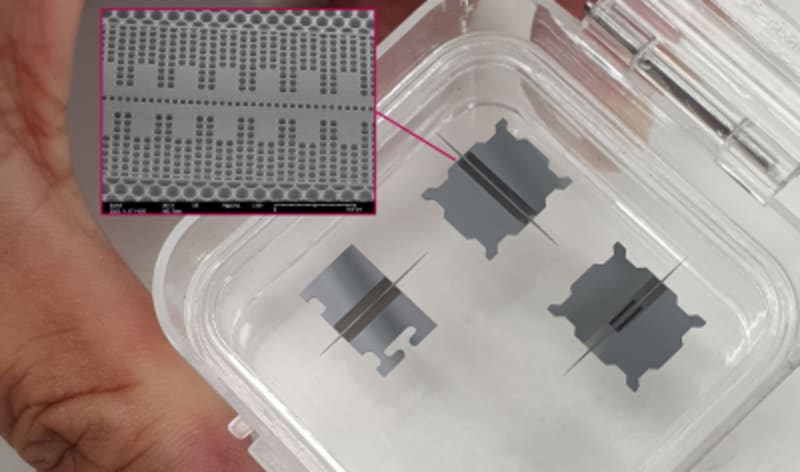
Scientists built a microchip the size of a rice grain that generates a stable rainbow of light, paving the way for ultra-fast 6G networks and precision quantum technologies. The breakthrough solves a major hurdle in creating the stable, high-frequency signals needed for next-generation communications.

Finnish researchers created affordable plastic panels that bend wireless signals around walls without power or electronics. The breakthrough could make ultra-fast 6G networks work in basements, tunnels, and crowded buildings.

South Korea just secured approval for 14 groundbreaking international tech standards that will shape how the world protects AI and 6G networks. The wins came at a major UN tech summit where 60 countries gathered to build safer digital systems for everyone.

South Korea and Finland are joining forces to lead the future of technology, combining their strengths in AI, quantum computing, and next-generation mobile networks. The partnership promises to accelerate breakthroughs that could shape how the world connects and innovates.

South Korean researchers just unveiled AI-powered network technology that slashes mobile base station energy use by more than 20 percent. The breakthrough could save the communications industry $85 million annually while paving the way for greener 6G networks. ##

The European Space Agency just committed $118 million to merge satellite and mobile networks, bringing reliable internet to every corner of the planet. The partnership with the mobile industry promises to deliver seamless connectivity whether you're in a city or the middle of nowhere.

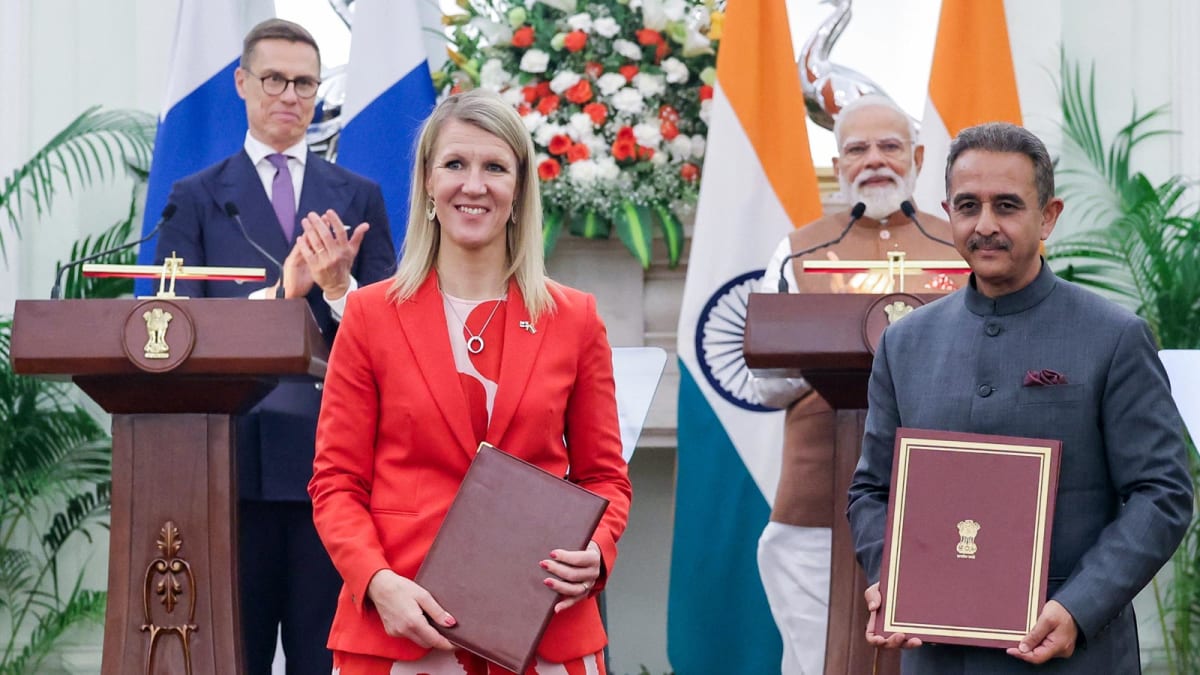
India and Finland just upgraded their relationship to a strategic partnership focused on next-generation technology and sustainability. The two nations agreed to double trade by 2030 and collaborate on everything from 6G networks to green energy solutions.

Finnish researchers created cheap, 3D-printed panels that bounce wireless signals around walls and obstacles without needing power or electronics. The innovation could solve one of 6G's biggest problems before the network even launches.

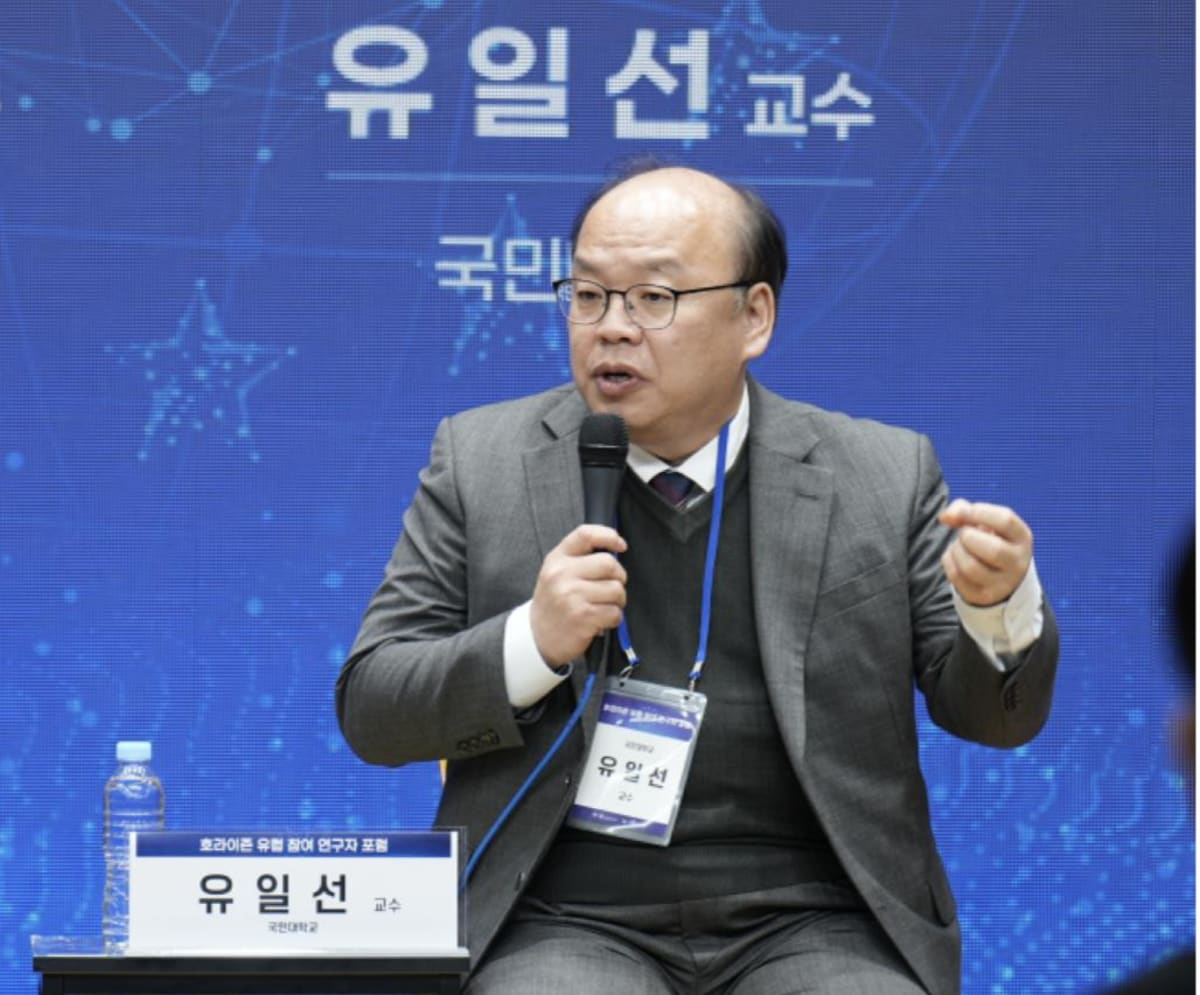
Kookmin University becomes one of the first Korean institutions to join the European Union's flagship research program for quantum technology and digital security. The collaboration brings together teams from Korea, Italy, Germany, and Finland to build the next generation of AI-powered cybersecurity.

Researchers discovered how to fuse silk fibers into a material as tough as Kevlar that could revolutionize medical implants and even help power future 6G networks. The breakthrough turns a natural fabric into a super-strong, body-friendly material without harsh chemicals.
Showing 20 of 35