Search

Find uplifting stories about heroes, innovations, and solutions

632 results for "agnikul cosmos"

India's Agnikul Prepares First Reusable Rocket Flight
InnovationJul 16

India's Agnikul Prepares First Reusable Rocket Flight

A Chennai space startup is about to attempt India's first recovery of an orbital rocket booster, guided by the former ISRO chief who landed on the Moon. The mission could make space launches more affordable for India and the world.


YourStory India3 min read
India Startup Launches World's First 3D-Printed Rocket
InnovationJun 8

India Startup Launches World's First 3D-Printed Rocket

A Chennai-based startup just proved that small satellite companies no longer have to wait months for a ride to space. Agnikul Cosmos built and launched the world's first rocket powered by a single-piece 3D-printed engine, opening the door to faster, more affordable space access.

YourStory India3 min read
Indian Singer's Voice Travels the Cosmos on NASA's Voyager
InnovationJul 21

Indian Singer's Voice Travels the Cosmos on NASA's Voyager

Kesarbai Kerkar's classical song was chosen as humanity's only Indian musical contribution to NASA's Golden Record in 1977. Her voice has been journeying through interstellar space for nearly 50 years.

The Better India2 min read
Space Travel Agent Makes Cosmos Bookable for the Wealthy
InnovationAug 15

Space Travel Agent Makes Cosmos Bookable for the Wealthy

A luxury lifestyle expert who booked superyachts and private islands now sells tickets to space, turning the final frontier into just another destination. His company bridges dreamers with reality, offering everything from balloon rides 15 miles up to multiday stays on the International Space Station.

MIT Technology Review2 min read
Rocket Lab Launches 80th Mission With Perfect Success
InnovationJan 22

Rocket Lab Launches 80th Mission With Perfect Success

Rocket Lab kicked off 2026 with its 80th flawless Electron launch, delivering two satellites into orbit for new customer Open Cosmos. The company continues its perfect track record after completing 21 missions with 100% success in 2025.

Google: space mission success2 min read
Climate Research Database Maps 1.8M Scientific Studies
Planet WinsJun 23

Climate Research Database Maps 1.8M Scientific Studies

A new free database called Project Cosmos has organized over 1.8 million climate science publications spanning more than a century of research. The tool helps researchers and the public understand how our knowledge of climate change has grown and where future studies are needed.

Carbon Brief2 min read
Webb Telescope Solves Mystery of Early Universe's Light
InnovationMay 13

Webb Telescope Solves Mystery of Early Universe's Light

Scientists using the James Webb Space Telescope discovered how massive newborn star clusters broke free from their cosmic nurseries in just 5 million years, solving a decades-old puzzle about what lit up the early universe. The finding reshapes our understanding of how the cosmos transformed from darkness into the bright, structured universe we see today.

Google: James Webb telescope3 min read
Scientists Map 47 Million Galaxies in Cosmic Breakthrough
InnovationApr 15

Scientists Map 47 Million Galaxies in Cosmic Breakthrough

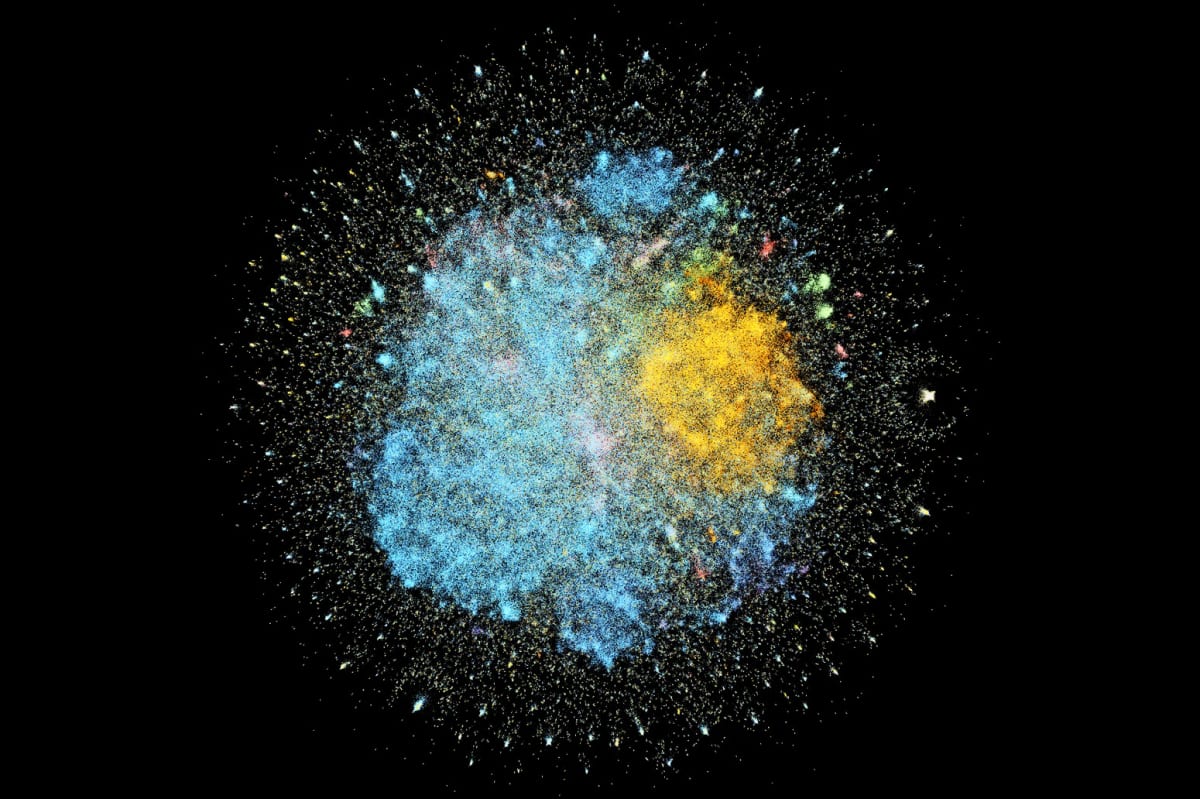
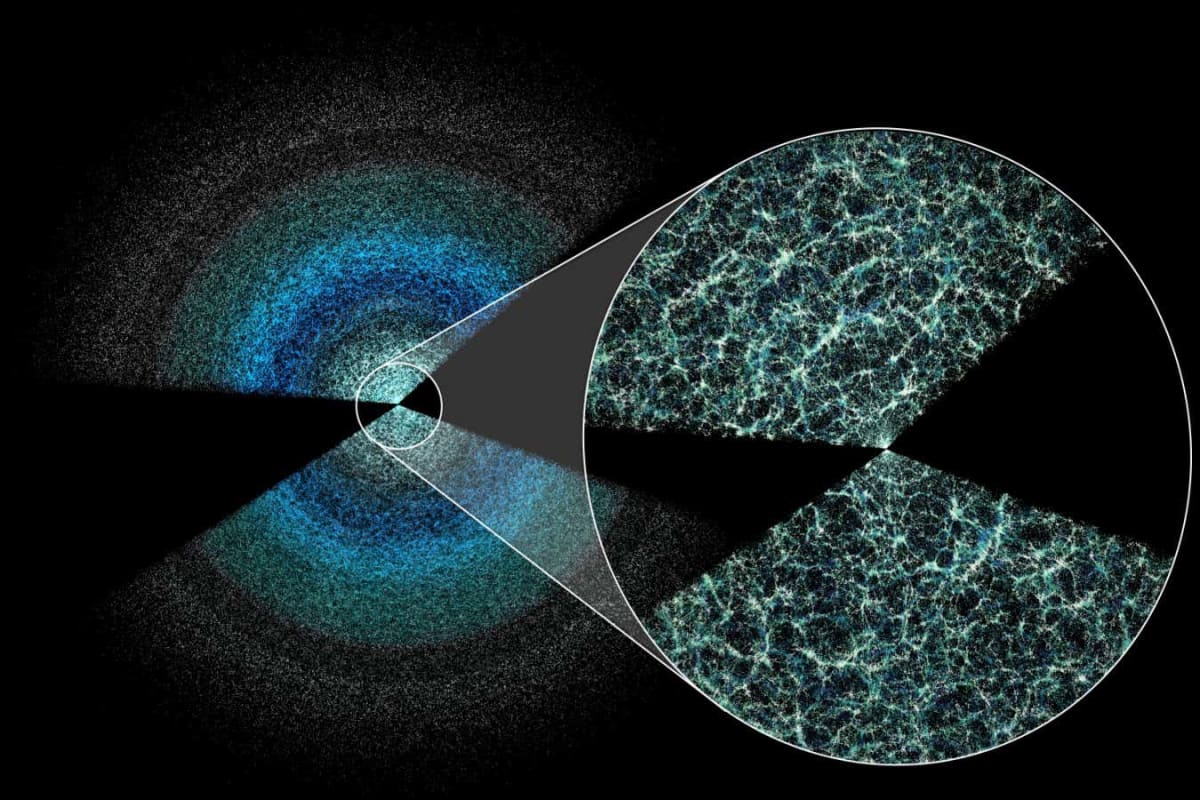
Astronomers just completed the largest map of the universe ever made, capturing 47 million galaxies and quasars. The breakthrough could solve mysteries about dark energy and reshape our understanding of the cosmos.

New Scientist2 min read
James Webb Telescope Finds Galaxy 280M Years After Big Bang
InnovationJan 30

James Webb Telescope Finds Galaxy 280M Years After Big Bang

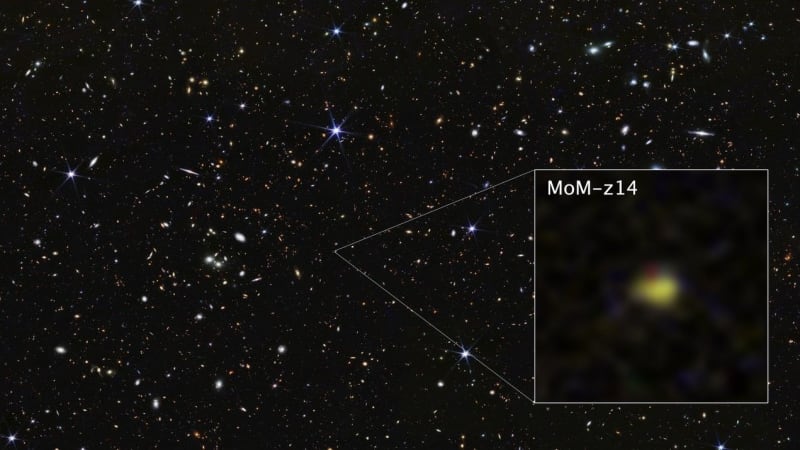
The James Webb Space Telescope just spotted the most distant galaxy ever observed, shining from when our universe was only 280 million years old. Scientists are rewriting what they thought possible about the early cosmos.

Live Science3 min read
Astronomers Map 47 Million Galaxies in 3D
InnovationApr 17

Astronomers Map 47 Million Galaxies in 3D

Scientists just completed the largest, sharpest 3D map of the universe ever made, capturing 47 million galaxies that could unlock the mystery of dark energy. The breakthrough survey offers humanity new clues about what the cosmos is made of and where it's headed.

Scientific American2 min read
Saudi Arabia's AlUla Gets Galaxy-Inspired Stargazing Hub
InnovationJun 21

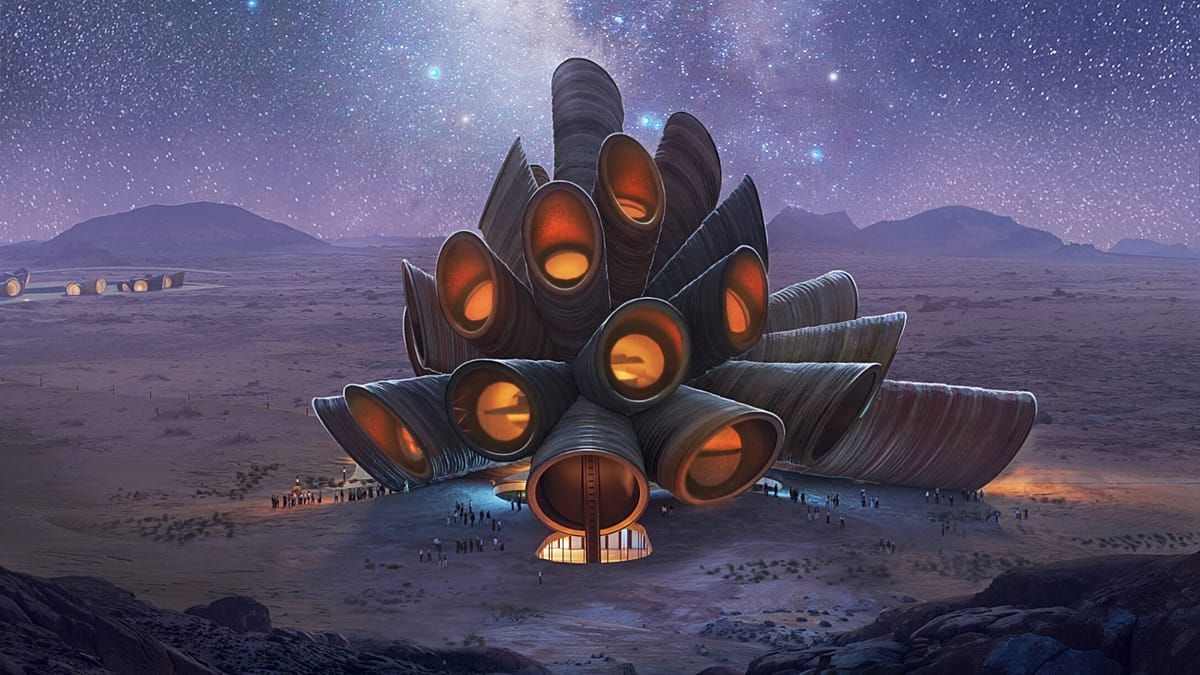
Saudi Arabia's AlUla Gets Galaxy-Inspired Stargazing Hub

A stunning new observatory designed like a spiraling galaxy is coming to Saudi Arabia's desert Dark Sky Park. AlUla Manara will feature some of the world's largest telescopes and welcome visitors to explore the cosmos alongside cutting-edge research.

Euronews2 min read
NASA's Roman Telescope Launches to Solve Dark Energy Mystery
Innovation5d ago

NASA's Roman Telescope Launches to Solve Dark Energy Mystery

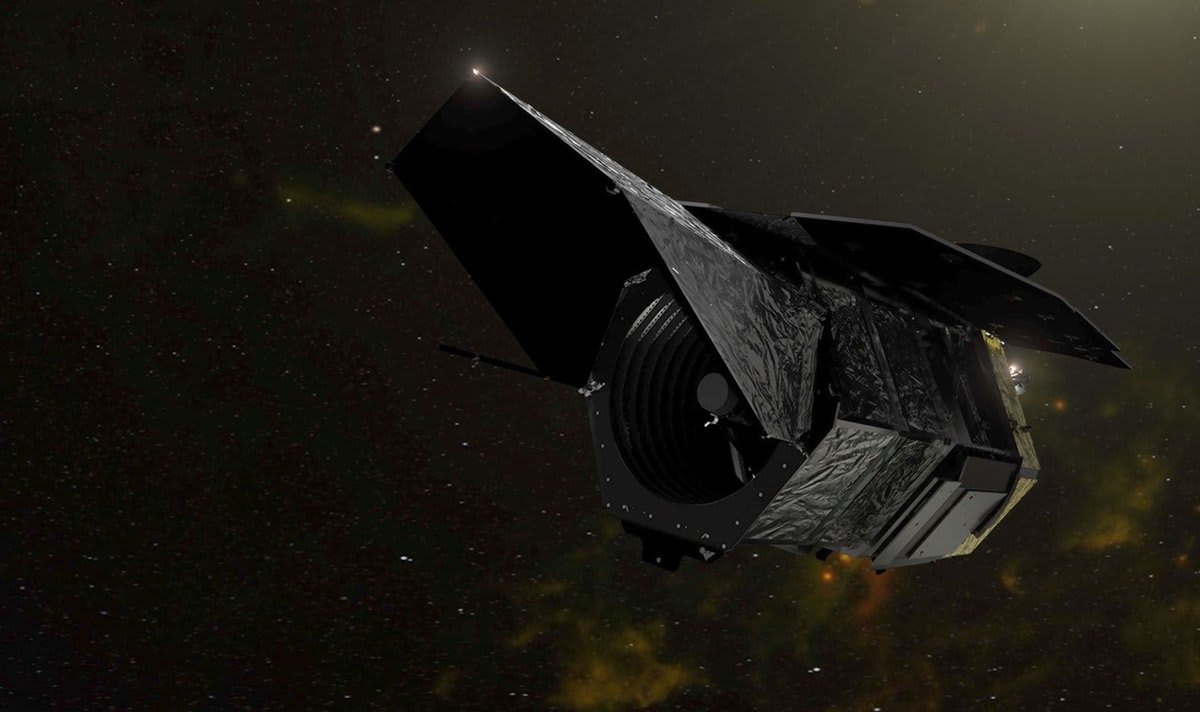
NASA's newest space telescope, launching August 30, could finally crack the universe's biggest puzzle: the mysterious force making space expand faster every year. Scientists are calling it our best shot yet at understanding dark energy, which makes up most of the cosmos.

Scientific American3 min read
Scientists Complete Largest 2D Map of Universe
InnovationAug 12

Scientists Complete Largest 2D Map of Universe

After 13 years and 263,407 photographs, scientists have mapped three-quarters of the night sky, capturing nearly four billion celestial objects. The massive project gives everyone free access to explore galaxies, stars, and black holes across 75 percent of the cosmos.

Google News - Science2 min read
Saudi Arabia Unveils Stargazing Hub in World's Darkest Skies
Planet WinsJun 19

Saudi Arabia Unveils Stargazing Hub in World's Darkest Skies

AlUla, home to the world's third-largest Dark Sky Park, just revealed plans for a stunning observatory that will let visitors experience the cosmos like never before. The facility combines cutting-edge astronomy research with immersive experiences under some of Earth's clearest night skies.

Google: scientific discovery3 min read
Scientists May Have Found Black Hole Stars in Early Universe
Global NewsAug 14

Scientists May Have Found Black Hole Stars in Early Universe

NASA's James Webb Space Telescope discovered mysterious "little red dots" that turned out to be something never seen before: black holes wrapped in star-like clouds of glowing gas. One of these objects, spotted from 660 million years after the Big Bang, is rewriting what we thought was possible in the cosmos.

Smithsonian3 min read
Cosmic Rose Blooms 5,000 Light-Years From Earth
Global NewsFeb 15

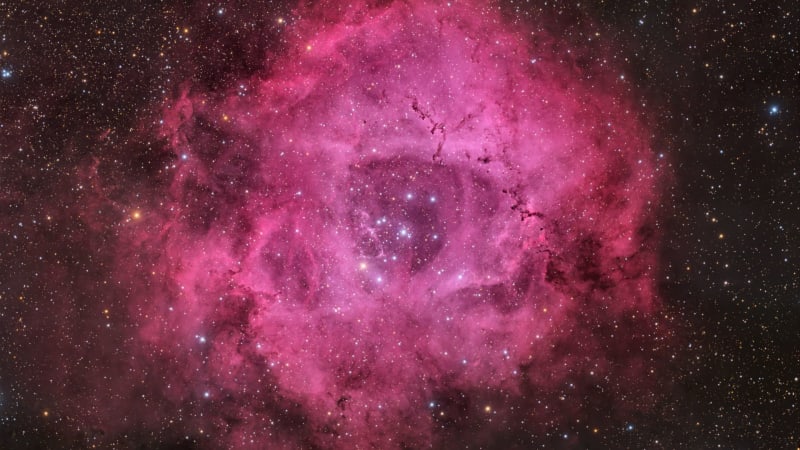
Cosmic Rose Blooms 5,000 Light-Years From Earth

A stunning photograph captures the Rosette Nebula, a 100-light-year-wide flower of stars and gas glowing in deep space. Astrophotographer Ronald Brecher transformed 10 hours of observation into a breathtaking Valentine from the universe.

Space.com2 min read
Scientists Find Ancient Star With 1,500x More Carbon Than Sun
InnovationMar 19

Scientists Find Ancient Star With 1,500x More Carbon Than Sun

Astronomers discovered one of the universe's oldest stars, a rare fossil from the second generation of stars ever born. The finding reveals how the first stars shaped the cosmos we see today.

Space.com2 min read
Scientists Narrow Search for Alien Life to 45 Best Targets
InnovationMay 8

Scientists Narrow Search for Alien Life to 45 Best Targets

Astronomers have pinpointed the 45 most promising places to search for extraterrestrial life, combining cutting-edge telescope data with decades of research. The breakthrough could transform how we explore the cosmos for signs of intelligent civilizations.

Google: scientific discovery3 min read
Scientists Map 47 Million Galaxies in Historic Survey
InnovationApr 15

Scientists Map 47 Million Galaxies in Historic Survey

An international team has created the largest 3D map of the universe ever made, charting 47 million galaxies across billions of years. The breakthrough helps us understand where the cosmos came from and where it's headed.

Google: James Webb telescope2 min read
Scientists Complete Largest 3D Map of the Universe Ever Made
InnovationApr 16

Scientists Complete Largest 3D Map of the Universe Ever Made

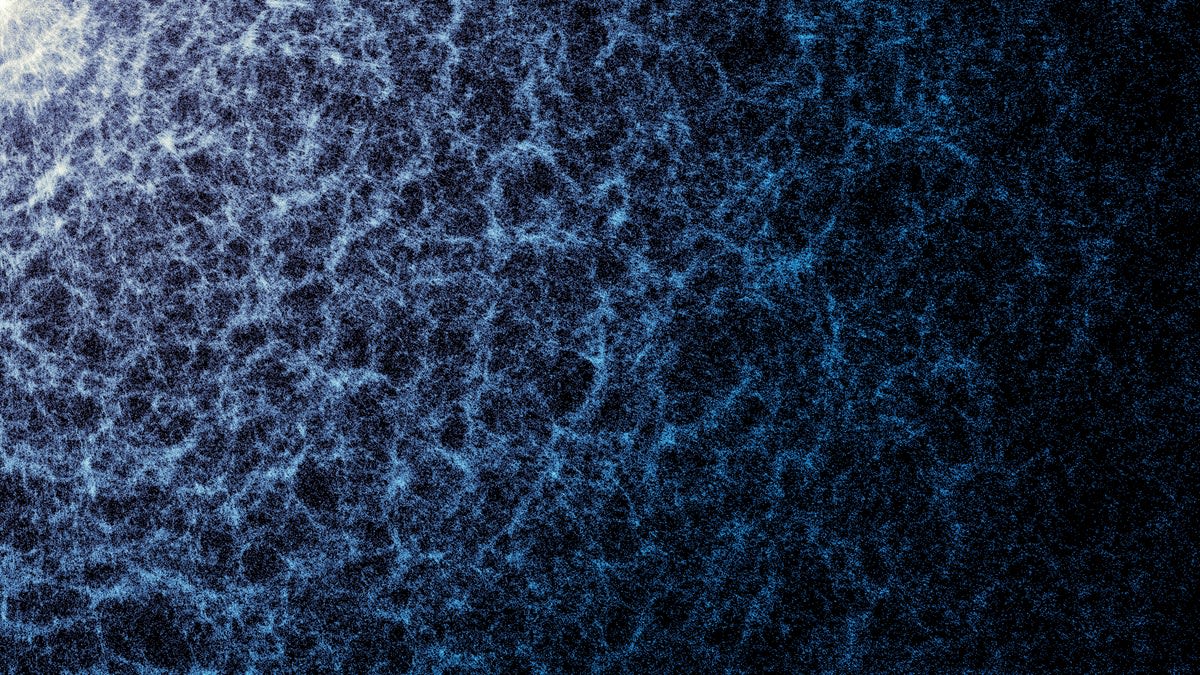
A telescope in Arizona just finished mapping 47 million galaxies and quasars, creating the most detailed view of our universe ever captured. The findings could completely change what we know about the mysterious force expanding our cosmos.

Space.com3 min read

Showing 20 of 632