Search

Find uplifting stories about heroes, innovations, and solutions

10 results for "apophis"

Europe and Japan Team Up to Study Asteroid Apophis in 2029
Planet WinsMay 10

Europe and Japan Team Up to Study Asteroid Apophis in 2029

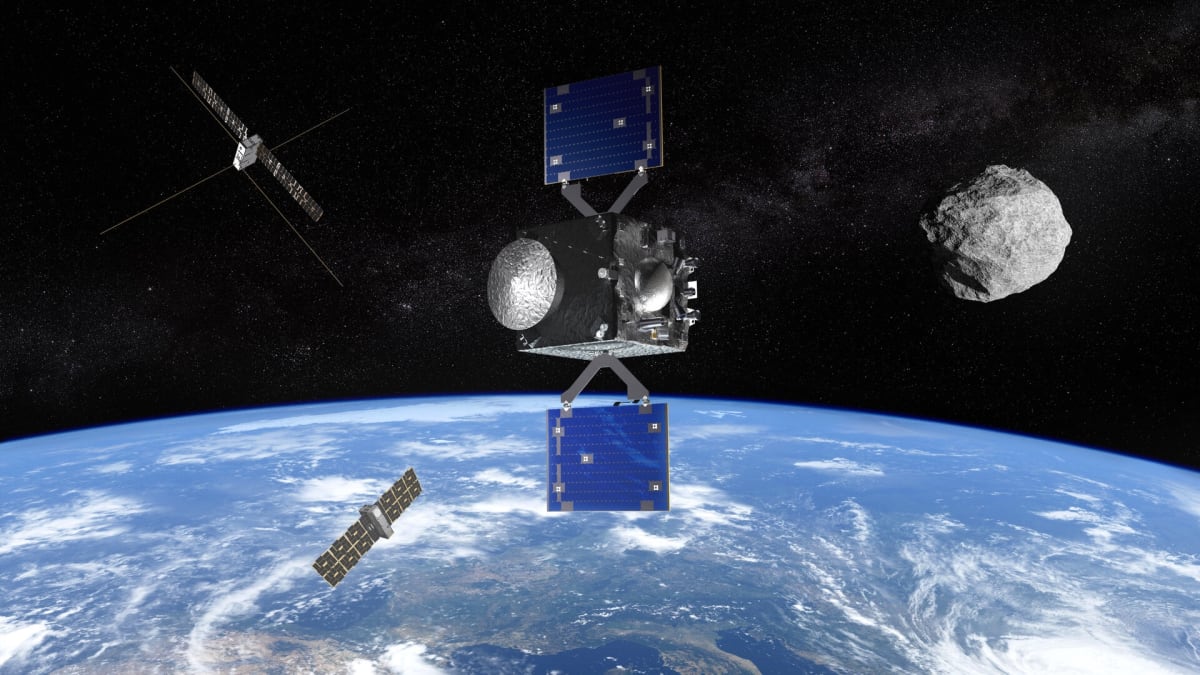
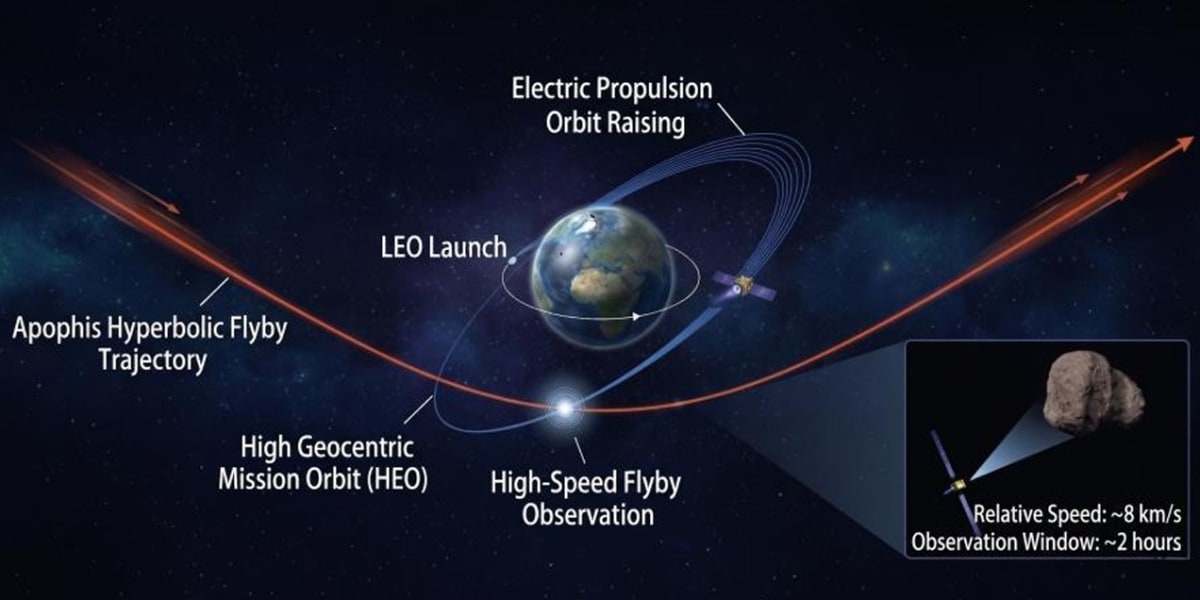
Two major space agencies just signed a historic agreement to send a spacecraft to asteroid Apophis during its rare close flyby of Earth. The mission will gather crucial data to help protect our planet from future asteroid threats.
Google News - Science2 min read
Private Landers Will Touch Down on Asteroid Apophis in 2029
InnovationMar 20

Private Landers Will Touch Down on Asteroid Apophis in 2029

In 2029, private company ExLabs will make history by landing spacecraft on asteroid Apophis as it passes closer to Earth than our satellites. Multiple nations are sending missions to study this once-in-thousands-of-years event that will be visible to the naked eye.

New Scientist3 min read
Europe's Apophis Mission Gets $177M Green Light for 2028
VideosFeb 20

Europe's Apophis Mission Gets $177M Green Light for 2028

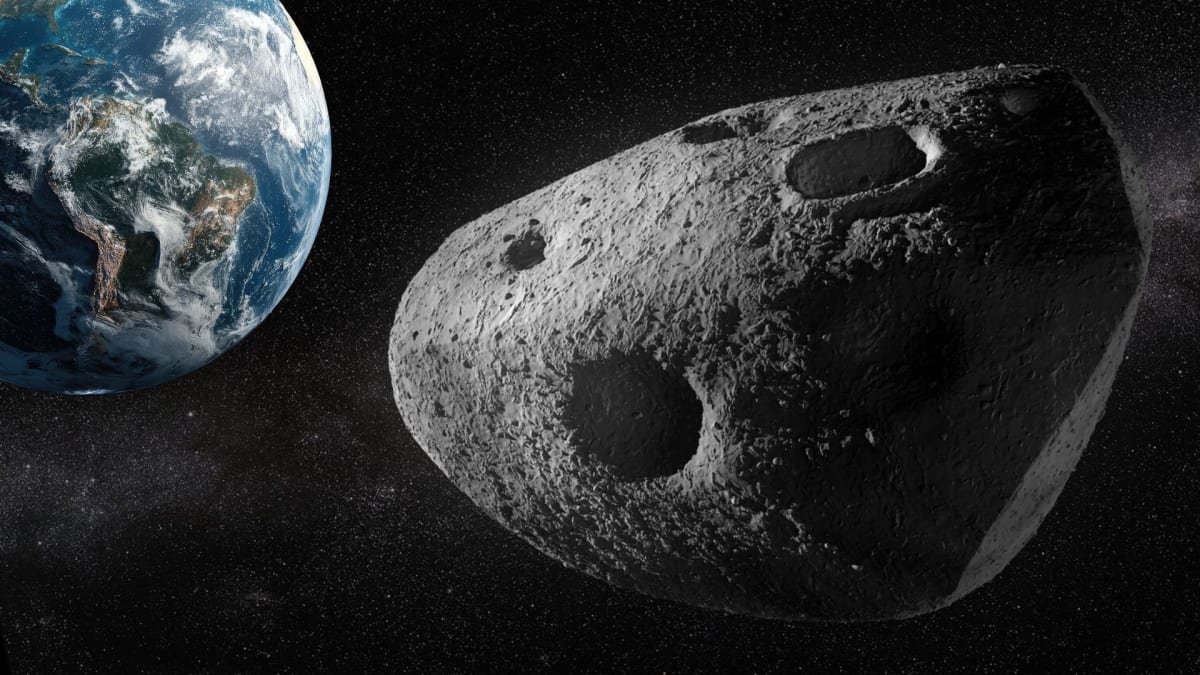
A space rock the size of five football fields will zip past Earth in 2029, closer than some satellites. Europe just approved a mission to meet it first and watch what happens when a massive asteroid gets up close and personal with our planet.

Sky & Telescope2 min read
Rare Asteroid Visible to Naked Eye in 2029
Planet WinsApr 14

Rare Asteroid Visible to Naked Eye in 2029

On April 13, 2029, asteroid Apophis will pass closer to Earth than satellites orbit, creating a once-in-millennia stargazing event visible without telescopes across Europe, Africa, and Asia. Scientists are launching multiple missions to study this harmless space rock that will offer unprecedented insights into our solar system.

Space.com2 min read
Rare Asteroid Visible to Naked Eye in 2029 NASA Says
Planet WinsApr 15

Rare Asteroid Visible to Naked Eye in 2029 NASA Says

A stadium-sized asteroid will pass closer to Earth than many satellites in 2029, giving millions a once-in-a-lifetime chance to watch it streak across the sky. NASA confirms it poses zero danger and offers scientists a rare opportunity to study a 4.6-billion-year-old piece of our solar system's history.

Google: NASA discovery2 min read
Europe and Japan Team Up for 2029 Asteroid Mission
Global NewsMay 11

Europe and Japan Team Up for 2029 Asteroid Mission

Two space agencies are joining forces to study asteroid Apophis when it zooms past Earth in 2029, offering scientists a once-in-a-lifetime chance to learn how gravity reshapes space rocks. The mission shows international cooperation reaching new heights in planetary defense.

SpaceNews2 min read
Students Build $2.8M Asteroid Mission for 2029 Flyby
InnovationJun 19

Students Build $2.8M Asteroid Mission for 2029 Flyby

A team of 20 undergraduates at China's Tsinghua University is building a spacecraft to study asteroid Apophis when it passes closer to Earth than some satellites in 2029. Their $2.8 million mission proves cutting-edge space science doesn't need a billion-dollar budget.

SpaceNews2 min read
California Startup Plans First Commercial Asteroid Mission
InnovationApr 30

California Startup Plans First Commercial Asteroid Mission

A Southern California company is launching the first commercial deep space mission to study asteroid Apophis during its 2029 Earth flyby, making planetary defense faster and more affordable. The mission could attract more viewers than the Super Bowl while helping protect our planet from future threats.

Space.com3 min read
Japan and Europe Team Up to Study Asteroid for Earth Safety
InnovationMay 8

Japan and Europe Team Up to Study Asteroid for Earth Safety

Japan and Europe just signed a historic agreement to study an asteroid that will fly closer to Earth than satellites in 2029. The mission will help protect our planet from future space rocks.

Google: cooperation international2 min read
Scientists Track 34,000 Asteroids to Keep Earth Safe
Planet WinsMay 15

Scientists Track 34,000 Asteroids to Keep Earth Safe

Space agencies have discovered 95% of large asteroids that could threaten Earth, and none are heading our way. New telescopes launching soon will help scientists find and track the smaller ones even faster.

DW News2 min read