
Audacity 4 Launches With Biggest Free Audio Update Ever
After 26 years, the world's most popular free audio editor just got a massive upgrade. Audacity 4 brings modern features to hundreds of millions of users without charging a penny.
Find uplifting stories about heroes, innovations, and solutions
1026 results for "audio editing"
After 26 years, the world's most popular free audio editor just got a massive upgrade. Audacity 4 brings modern features to hundreds of millions of users without charging a penny.

A 19-year-old from British Columbia became the first person ever cured using "prime editing," a breakthrough gene therapy that fixed a fatal immune disorder. The treatment freed him from daily medication and the constant fear of life-threatening infections.
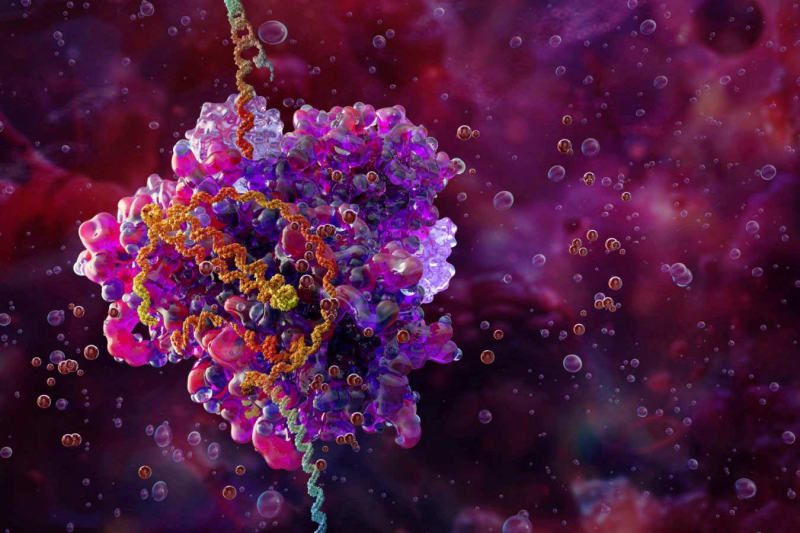
Scientists have developed a new gene editing approach that spreads healing changes from cell to cell, dramatically increasing its reach in the body. This breakthrough could transform treatment for countless genetic diseases that were previously too difficult to address.
Scientists are developing a breakthrough gene editing approach that spreads between cells like neighbors sharing flyers. This could treat far more diseases by reaching dramatically more cells in the body.
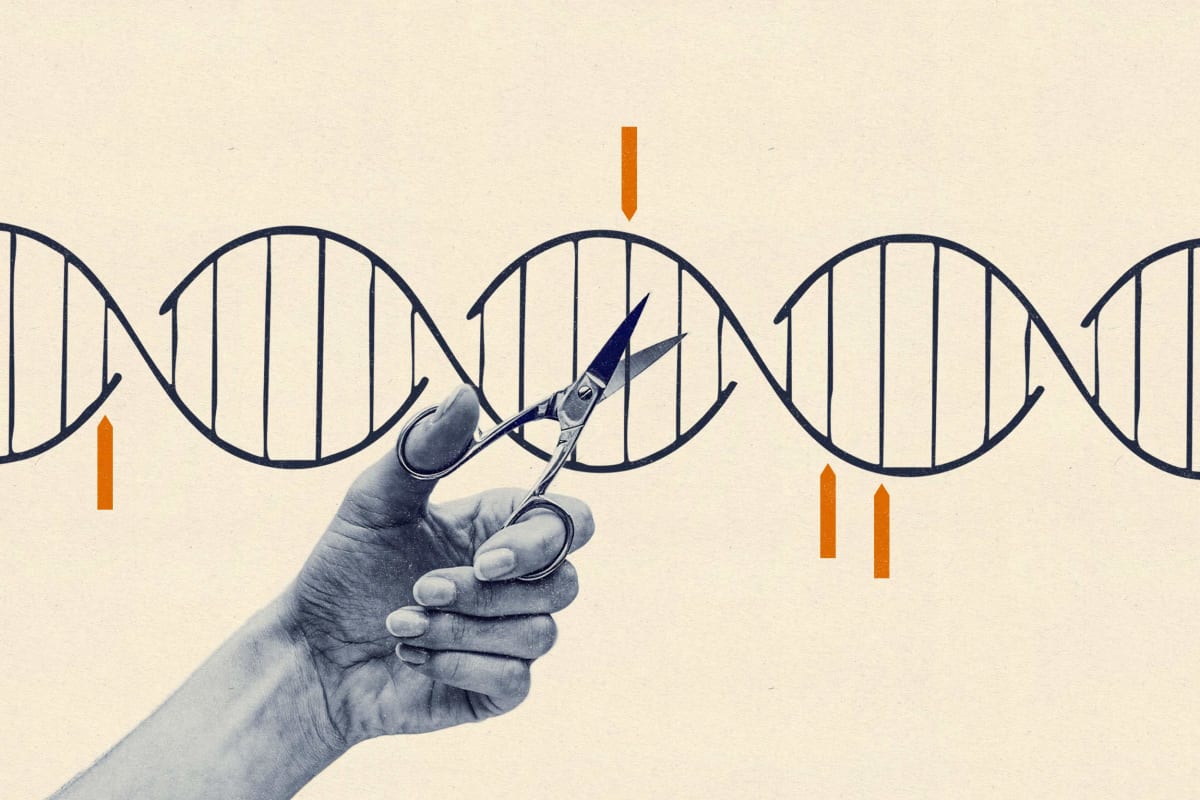
University of Virginia researchers used gene editing to fix the DNA mutation causing a deadly form of epilepsy, potentially opening the door to cures for inherited brain disorders. The technique eliminated seizures in lab mice and improved their movement and cognitive function.
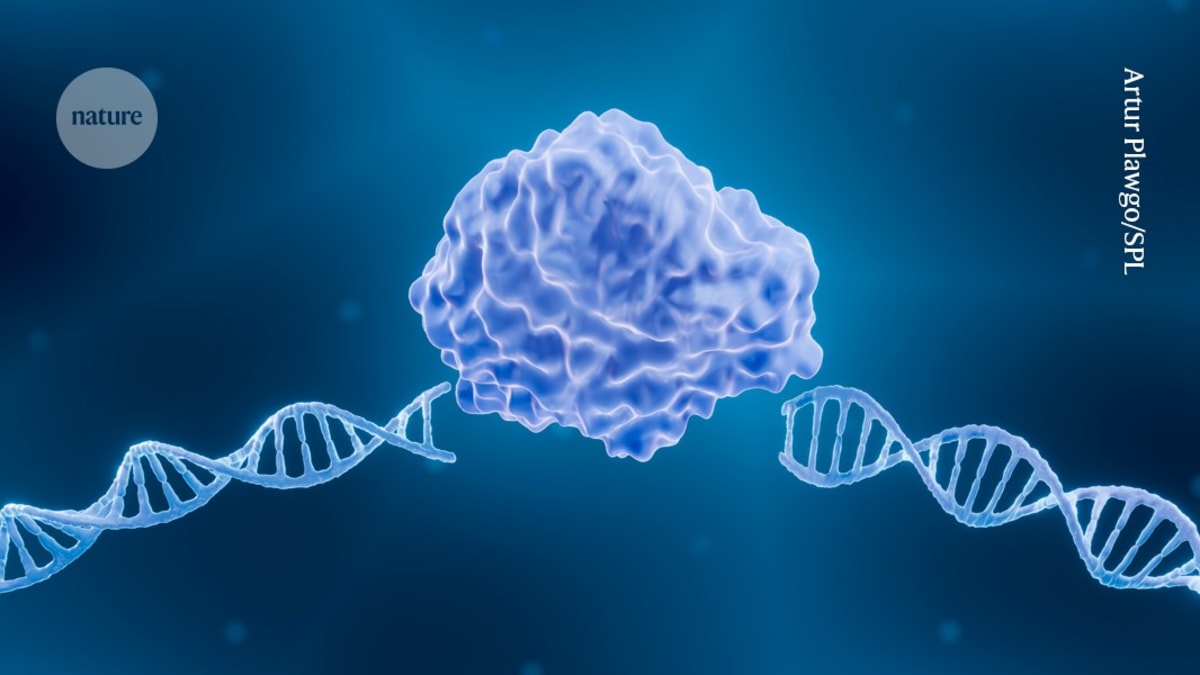
Scientists used artificial intelligence to design brand new gene-editing proteins that work better than anything found in nature. This breakthrough could speed up medical discoveries and help feed the world.

Australian researchers developed an AI system that makes gene editing safer by protecting healthy genes during treatment. The breakthrough could transform how doctors treat genetic diseases like cystic fibrosis.
Scientists are calling new gene editing treatments a potential "functional cure" for sickle cell disease, offering hope to millions. Early results show patients living pain-free after a single treatment.
%2Fhttps%3A%2F%2Ftf-cmsv2-smithsonianmag-media.s3.amazonaws.com%2Ffiler_public%2Ffb%2F52%2Ffb525a8a-314b-41a6-84c6-3c2b09ca1ae1%2Fsmithmag-synthetic_biology-v2.jpg)
After a deadly fungus wiped out billions of American chestnut trees, scientists are using gene editing to bring them back. Three new approaches could also save coral reefs, black-footed ferrets, and other threatened species.
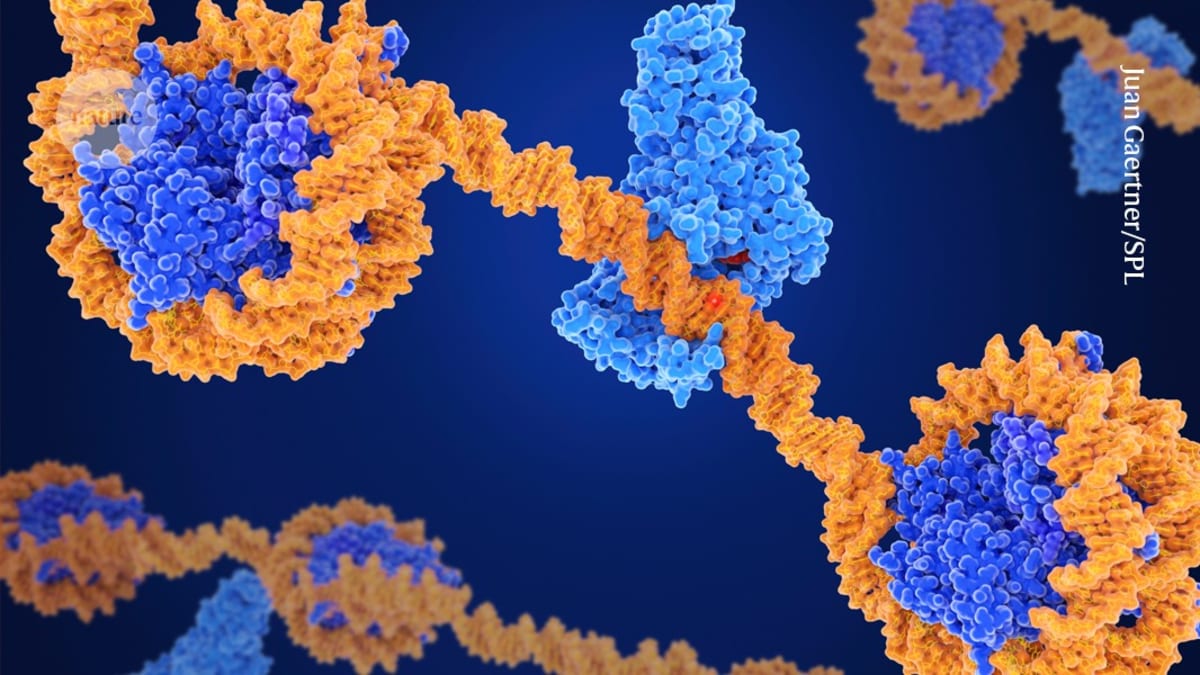
After decades of skepticism, researchers have perfected a gentler way to control genes using epigenetic editing. This breakthrough lets them dial gene expression up or down without changing DNA itself, opening doors to safer treatments and smarter crops.
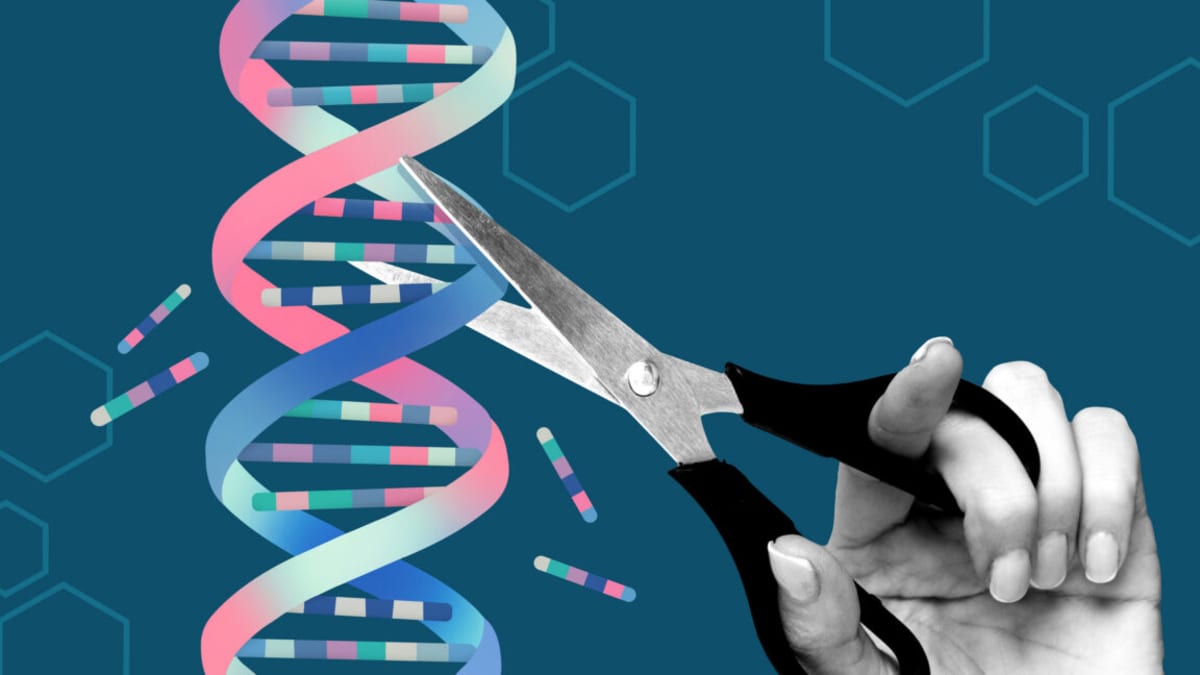
Scientists used AlphaFold AI to redesign gene-editing proteins, making them dramatically safer by nearly eliminating unwanted DNA changes. This breakthrough could help life-saving gene therapies reach more patients with fewer risks.

Yale research reveals poor audio quality makes speakers seem less intelligent and trustworthy in virtual meetings. New AI-powered technology now lets anyone achieve broadcast-quality sound from home.

Scientists created wheat that produces up to 93% less of a toxic compound when toasted, potentially making your morning toast much safer. The breakthrough uses precise gene editing without reducing crop yields.
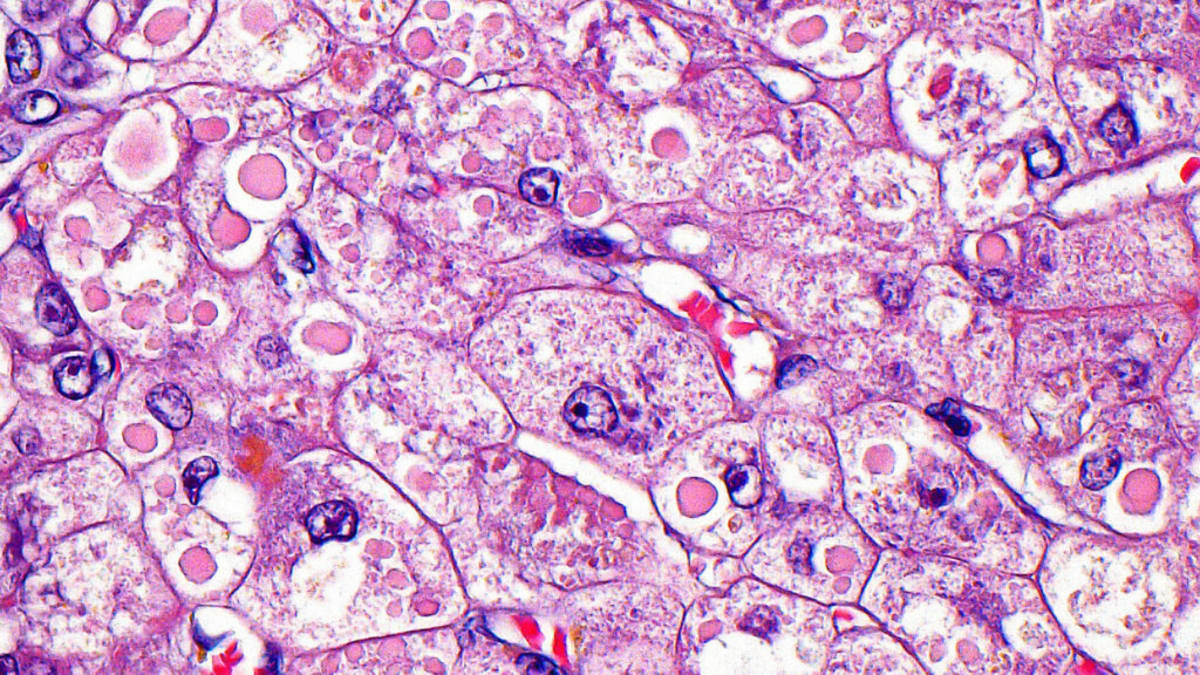
A new biotech company just launched with $230 million to develop a one-time cure for a genetic disease affecting thousands. Serapha Bio aims to fix the root cause of Alpha-1 Antitrypsin Deficiency using cutting-edge gene editing.

An 18-year-old patient with a once-incurable immune disease now shows no symptoms after Montreal doctors used groundbreaking "prime editing" gene therapy. A year after treatment, he's living a normal life with three-quarters of his diseased cells permanently corrected.
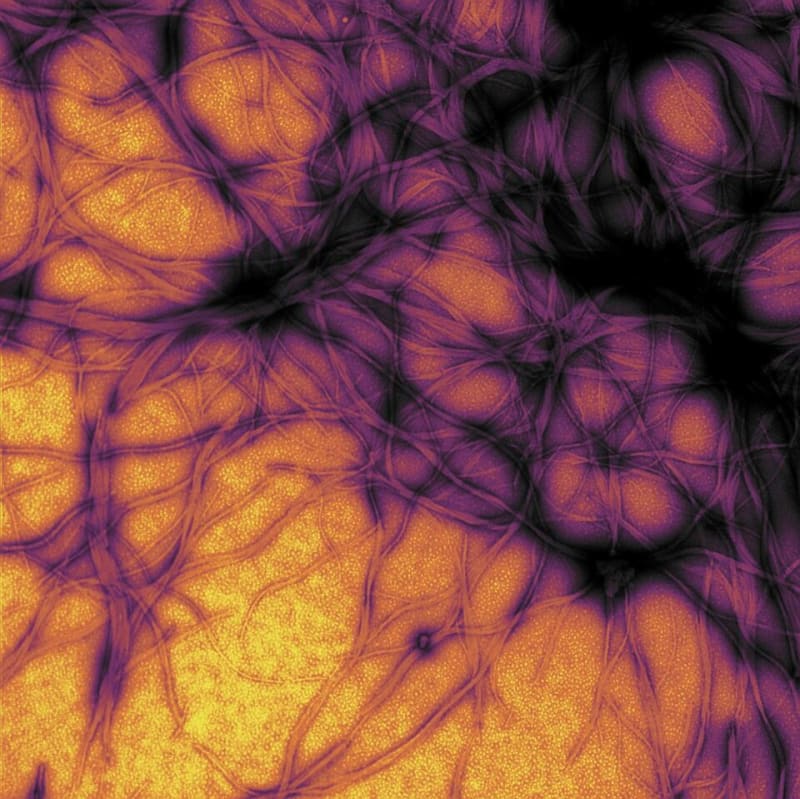
Scientists from Harvard, MIT, and Case Western used CRISPR gene editing to extend the lives of mice with deadly prion diseases by 60%. While the treatment isn't ready for humans yet, it marks a breakthrough against diseases that currently have no cure.
A bacterial defense system discovered in 2012 has transformed into life-saving treatments for cancer and rare diseases. Scientists refined CRISPR gene editing from crude molecular scissors into precision medicine that's curing patients today.

Researchers at St. Jude Children's Research Hospital just received $28.5 million to develop a breakthrough gene-editing treatment that could replace invasive bone marrow transplants for children with rare inherited diseases. Instead of weeks in isolation and chemotherapy, kids might one day receive a simple IV infusion that corrects the genetic mutation causing their disease.

A one-time gene-editing treatment slashed bad cholesterol by 62% in early human trials, offering hope for millions who struggle with heart disease prevention. Eli Lilly's breakthrough therapy showed no serious side effects in the study.
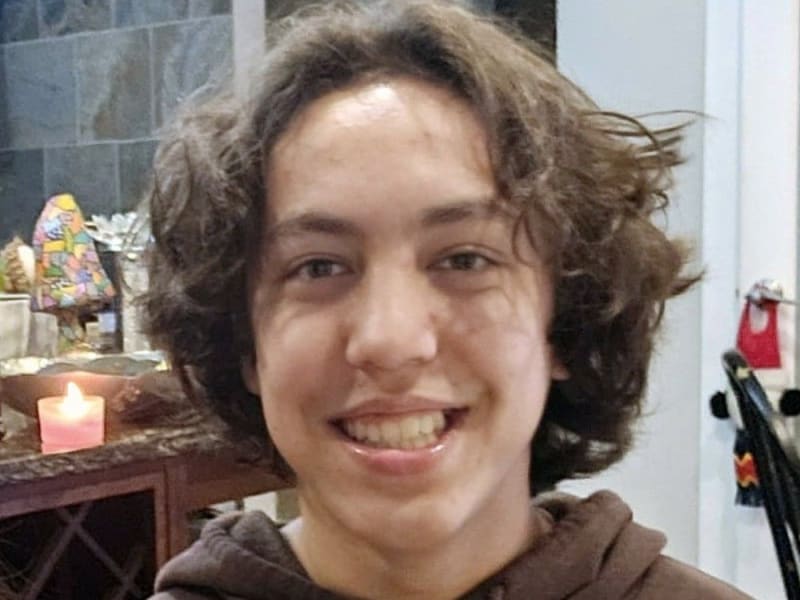
Ty Sperle, 18, became the first person in the world cured of chronic granulomatous disease through groundbreaking gene editing treatment. His success opens the door for curing countless other rare genetic diseases affecting children everywhere.
Showing 20 of 1026