
Art-Science Partnerships Gain Recognition as Trust Tool
Scientists are calling for more collaborations between artists and researchers to rebuild public confidence in science. The strategy comes as funding cuts threaten research programs worldwide.
Find uplifting stories about heroes, innovations, and solutions
12031 results for "bacteria science"
Scientists are calling for more collaborations between artists and researchers to rebuild public confidence in science. The strategy comes as funding cuts threaten research programs worldwide.
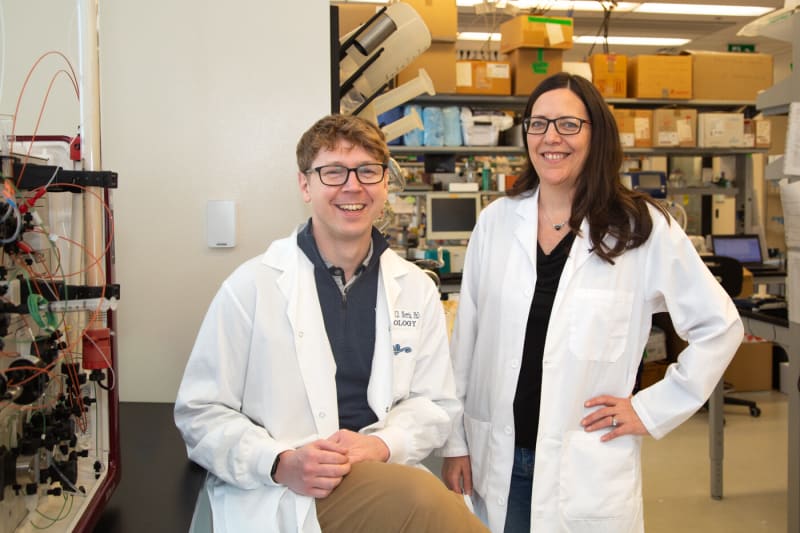
University of Toronto researchers discovered a single protein that both detects and destroys viruses infecting bacteria, potentially revolutionizing how we fight infections. This compact defender could help develop safer treatments for antibiotic-resistant diseases.
German scientists discovered three bacteria species working together to digest toxic plastic chemicals that single microbes couldn't handle. The cooperative "consortium" breaks down harmful phthalates found in everyday products, opening new doors for cleaning up plastic pollution.

A major science organization is launching a digital series that shows how Earth science research translates into real solutions for communities worldwide. The series premiews in December 2026 and goes global in January 2027.

Over 900 Calgary students from Grade 5 to 12 are presenting their self-designed science experiments at the city's largest youth science fair this weekend. Two Grade 12 students developed a promising wound infection detector using red cabbage extract after a cooking accident sparked their curiosity.

Scientists just proved that hardy bacteria can survive the crushing forces of asteroid impacts, bringing us closer to understanding whether life on Earth came from space. The findings could reshape how we think about life's origins and where to search for it in the universe.
Scientists discovered millions of bacteria living in fog droplets that actively grow, multiply, and consume pollutants like formaldehyde. This microscopic ecosystem could be quietly improving air quality in ways we never understood before.
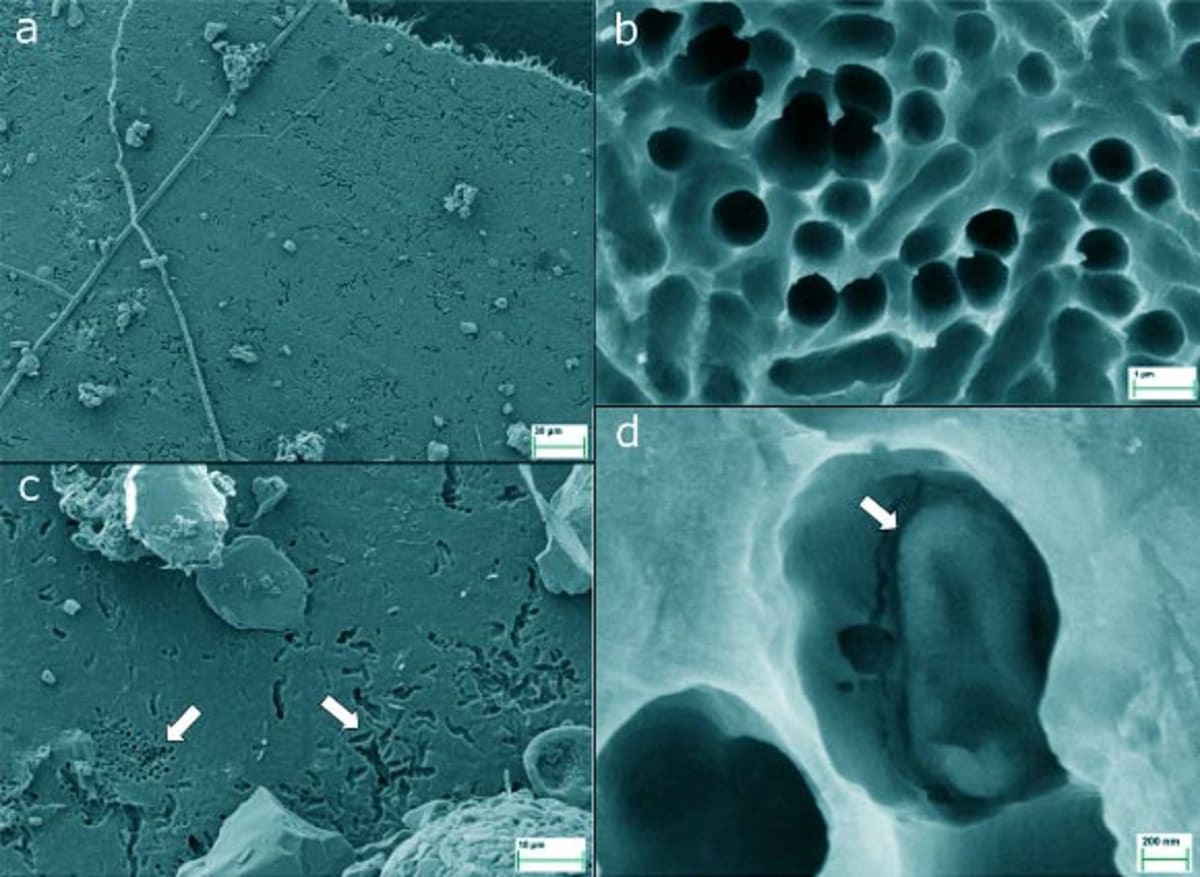
Scientists discovered a powerful enzyme in forest soil bacteria that can dismantle both plant-based plastic and penicillin-type antibiotics. The breakthrough suggests nature is adapting faster than expected to help solve our plastic pollution crisis.
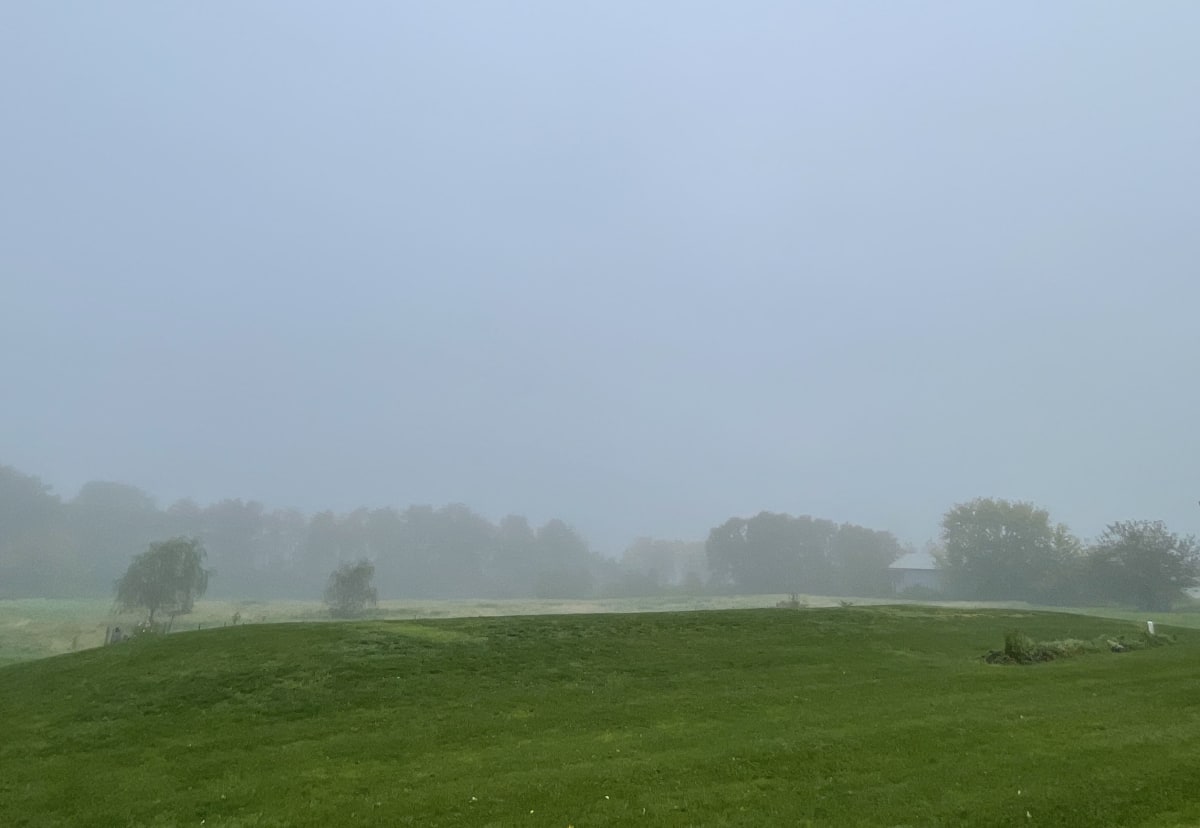
Scientists discovered that living bacteria inside fog droplets actively break down air pollutants like formaldehyde, transforming our understanding of fog from sterile mist to a helpful ecosystem. These tiny air cleaners grow and multiply while purifying the air we breathe.
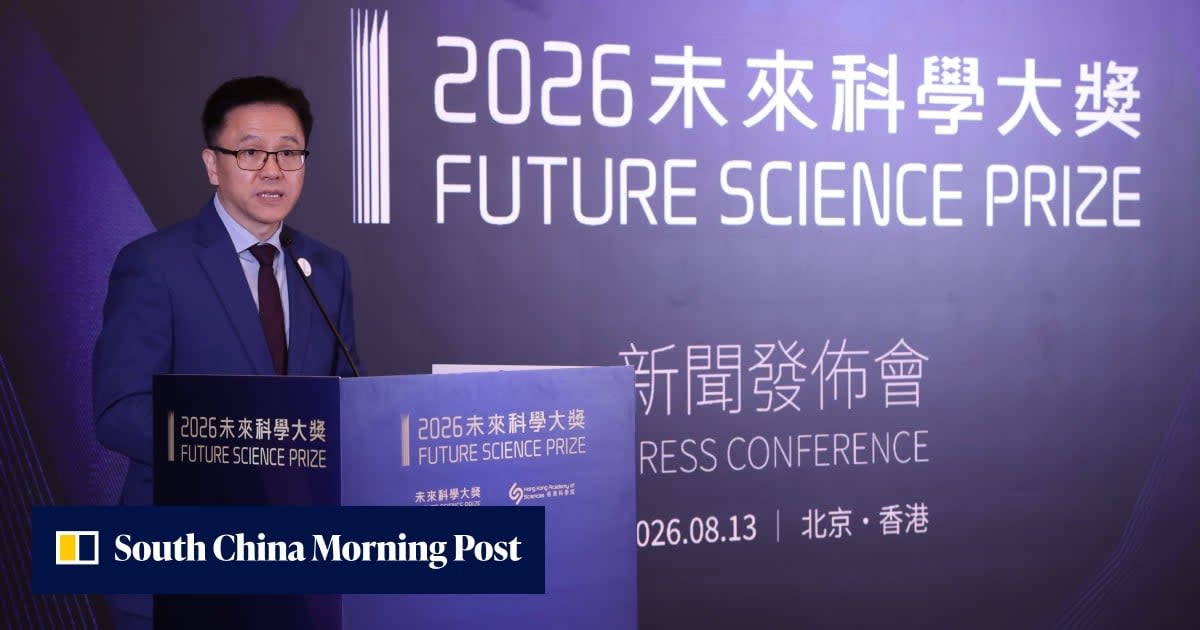
Three Chinese scientists won major awards for breakthrough research as Hong Kong cements its role as Asia's science hub. The Future Science Prize, China's first privately funded research award, chose the city for its fourth consecutive year.
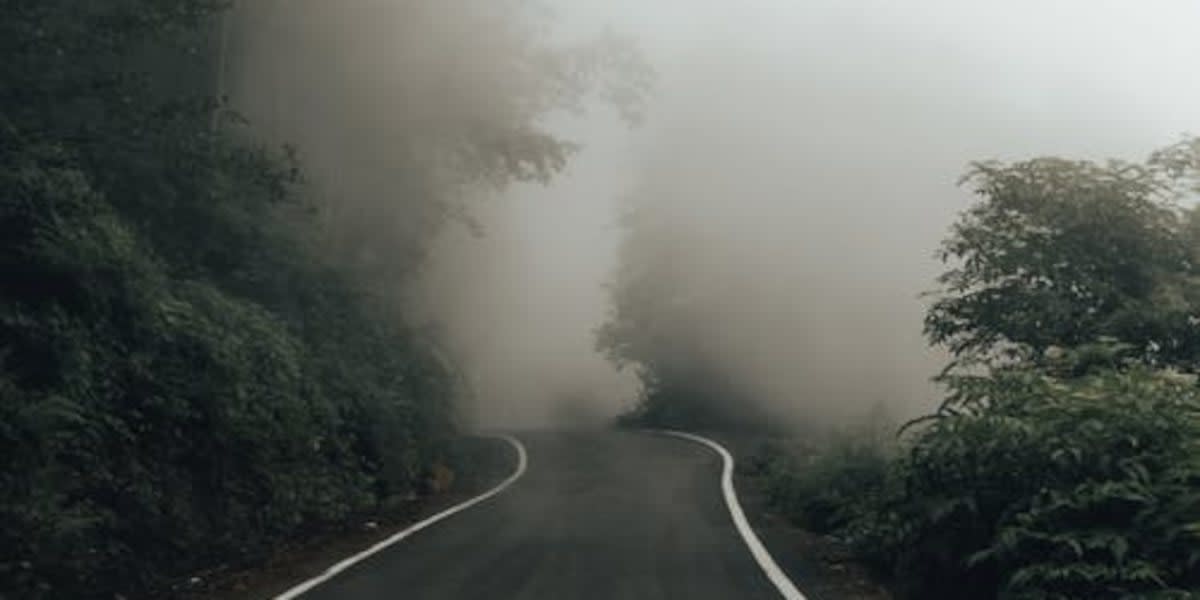
Scientists discovered living bacteria inside fog droplets that actively eat formaldehyde and other air pollutants while floating in the atmosphere. Nature might have its own microscopic air purification system working above our heads.
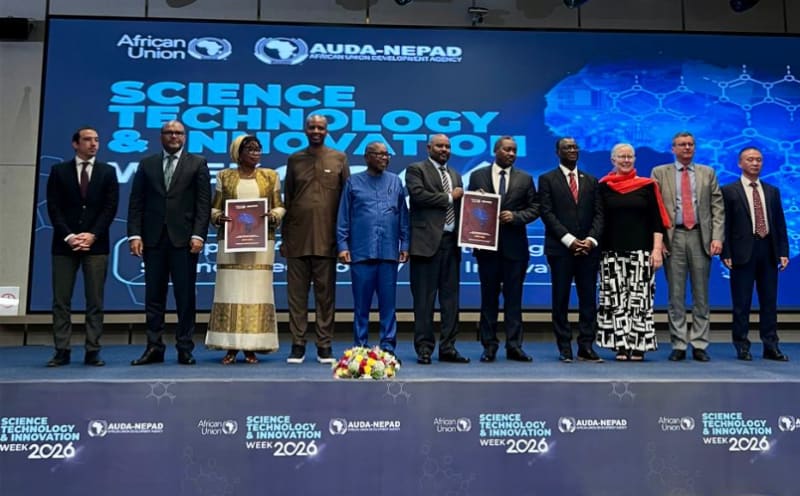
Six international partners just pledged $42 million to fuel Africa's ambitious 10-year science and innovation strategy. The funding will help African nations build stronger research systems and solve local challenges through homegrown science.
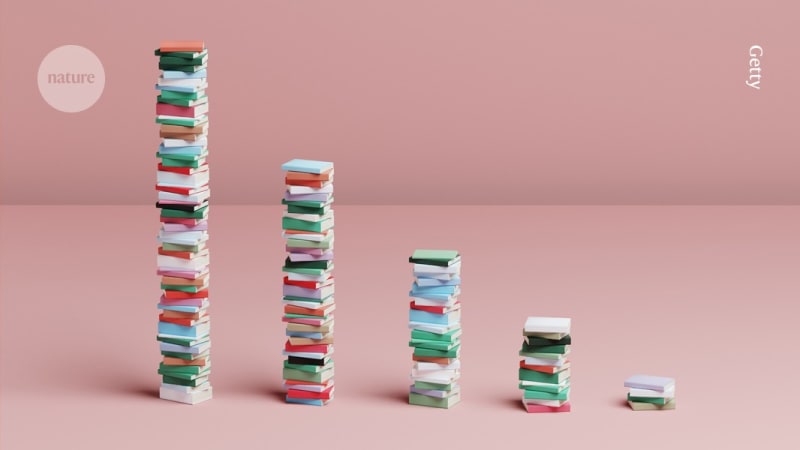
A public health professor is slashing his annual research output from 15 papers to just seven, betting that quality beats quantity in science. His radical move challenges a system where some researchers now pump out more than 60 papers yearly.
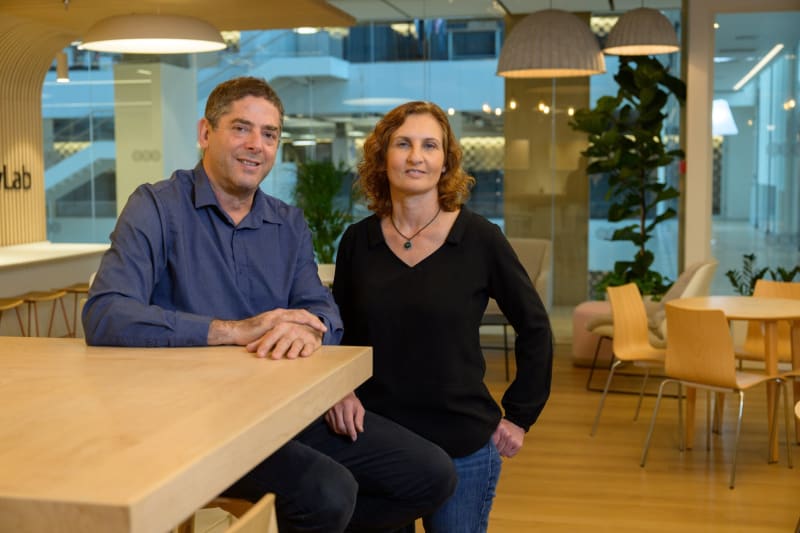
A groundbreaking study from Israel reveals how gut bacteria actively strengthen immune defenses in people with HIV, opening doors to new treatments. Despite war and missile attacks threatening the research, a husband-wife team persevered to publish findings that could help 40 million people worldwide.
Scientists created a smartphone tool that spots harmful bacteria in just five minutes, no lab needed. The breakthrough could help hospitals, restaurants, and gyms keep people safer.
)
Trinity College just unveiled a privately funded plan to triple the Cambridge Science Park's size, creating 20,000 high-value jobs while opening a free public Park of Science to inspire local kids in STEM. The 50-year masterplan transforms Britain's oldest science park into a £3 billion innovation hub for life sciences, tech, and clean energy.
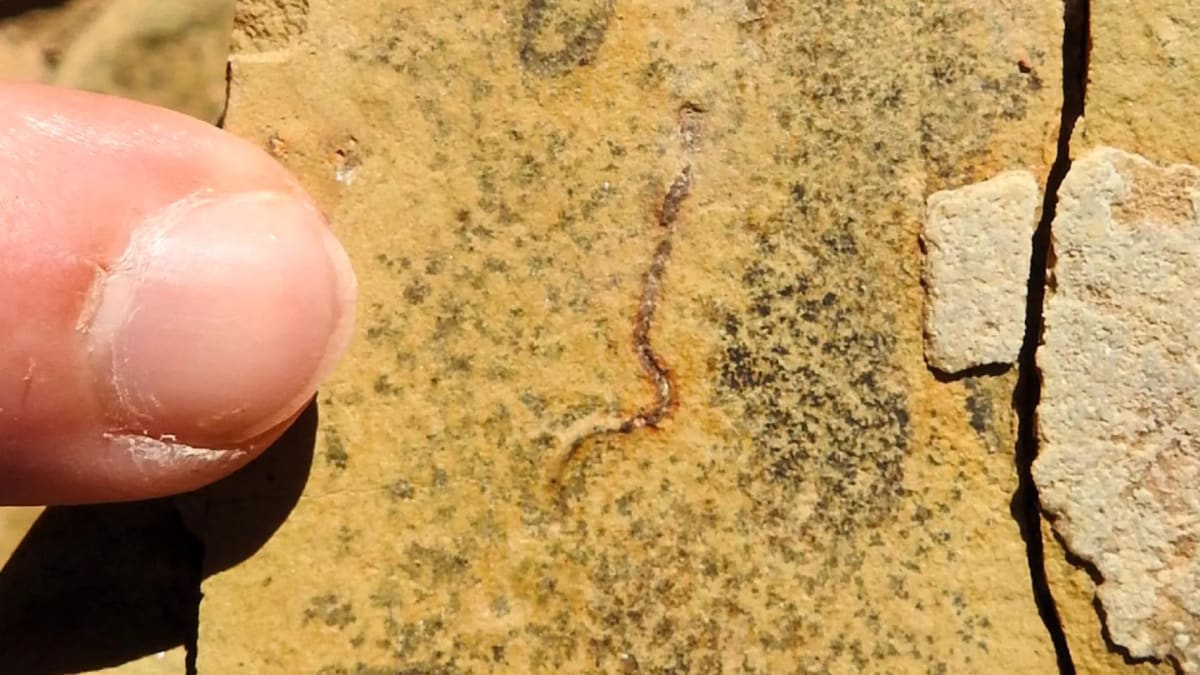
Scientists in Brazil discovered that 540-million-year-old fossils once thought to be traces of early animals were actually preserved communities of bacteria and algae. The finding reshapes our understanding of when complex life first emerged on Earth.

Scientists in Japan created a treatment that destroys gum disease bacteria while keeping helpful mouth microbes alive. The breakthrough could prevent tooth loss without disrupting your oral health.

Scientists in Egypt have discovered bacteria that can degrade one of the hardest plastics to recycle. The breakthrough could transform how we tackle toxic plastic pollution worldwide. #
China's largest research institution is redirecting funds from expensive Western science journals to build its own publishing system. The move could reshape global science publishing and make research more accessible worldwide.
Showing 20 of 12031