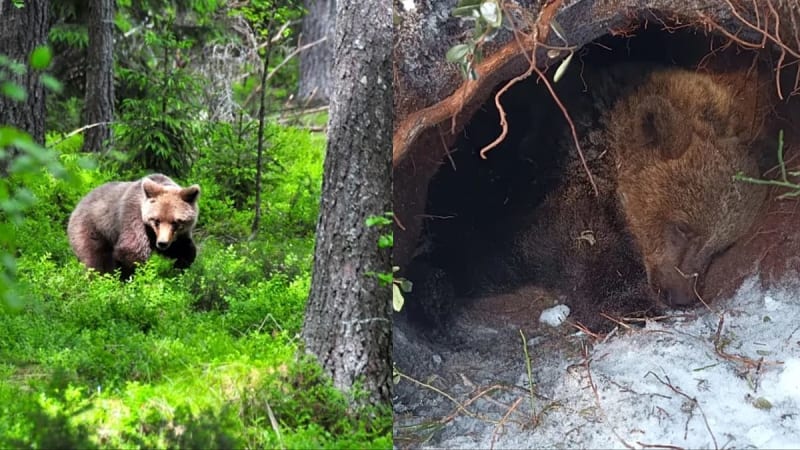
Sweden Volunteers Map Bear Dens to Protect Conservation Win
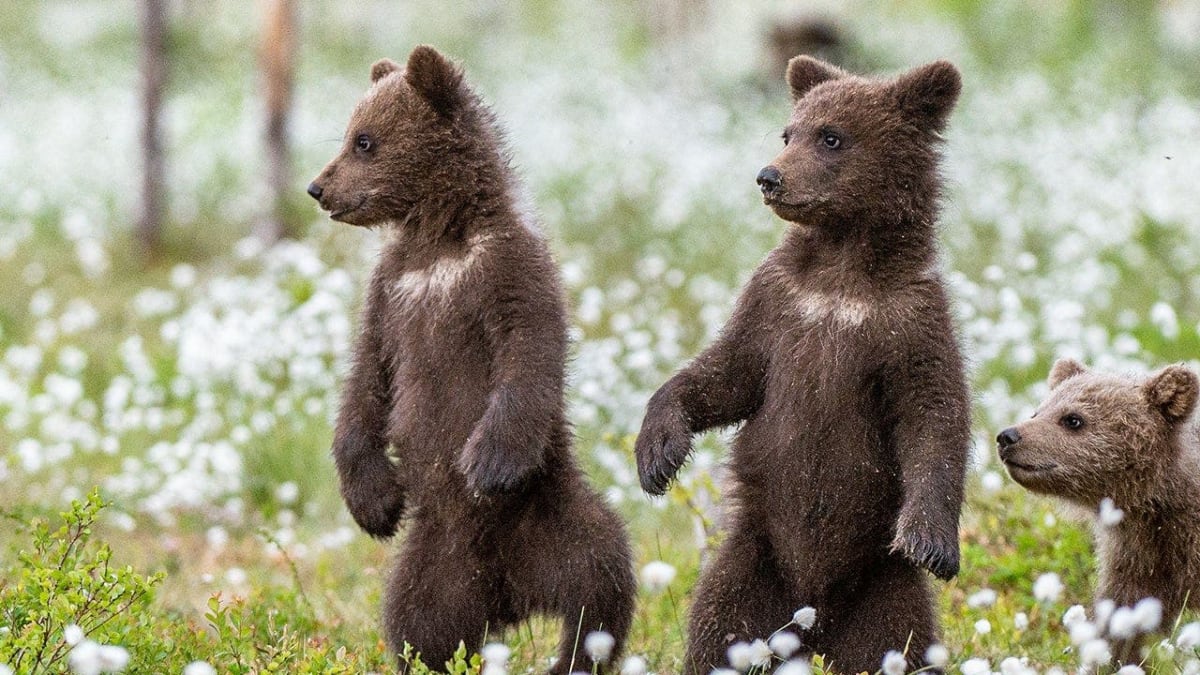
Sweden's brown bears rebounded from just 100 to over 3,000 after near-extinction. Now citizen scientists are joining researchers to protect breeding sites and ensure the recovery continues.
Find uplifting stories about heroes, innovations, and solutions
1408 results for "brown bears"

Sweden's brown bears rebounded from just 100 to over 3,000 after near-extinction. Now citizen scientists are joining researchers to protect breeding sites and ensure the recovery continues.

Brown bears once kept in cramped cages as status symbols in Armenia are now running free at a wildlife refuge in the country's highlands. Conservationists rescued these animals from wealthy owners who kept them in poor conditions with little food or proper care.

Brown University's sailing team just ended a 78-year championship drought with a commanding performance at nationals. The Bears sailed to victory in St. Petersburg, leaving defending champion Stanford 33 points behind.

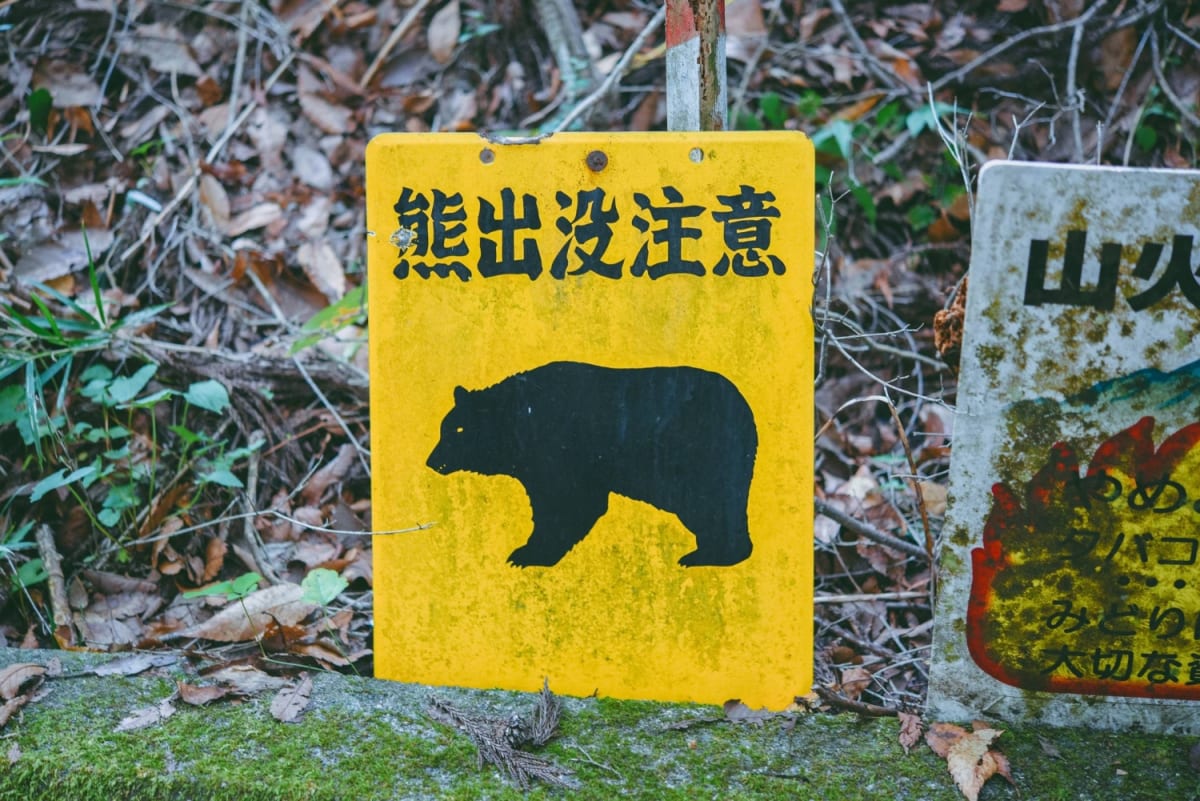
Japan's Environment Ministry is launching its first unified nationwide bear survey to better understand and safely manage human-wildlife interactions. Eight hundred automated cameras will track bear populations across northeastern Japan starting this month.

Montana's grizzly bear population has rebounded so successfully that the state hired its first prairie-based bear manager in 2017. Now, wildlife biologist Wesley Sarmento is using drones to protect both bears and humans from dangerous encounters.

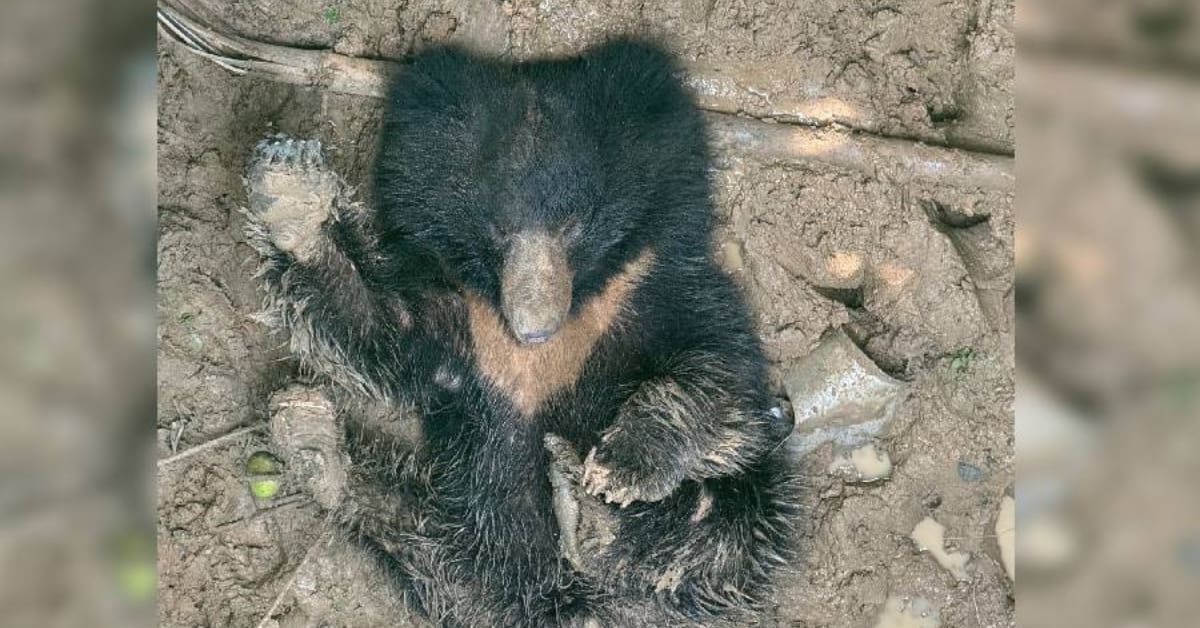
A young sloth bear tortured for street performances is now safe and healing, thanks to a rescue effort supported by a Sussex charity. Her recovery marks another step forward in India's fight against the cruel dancing bear trade.

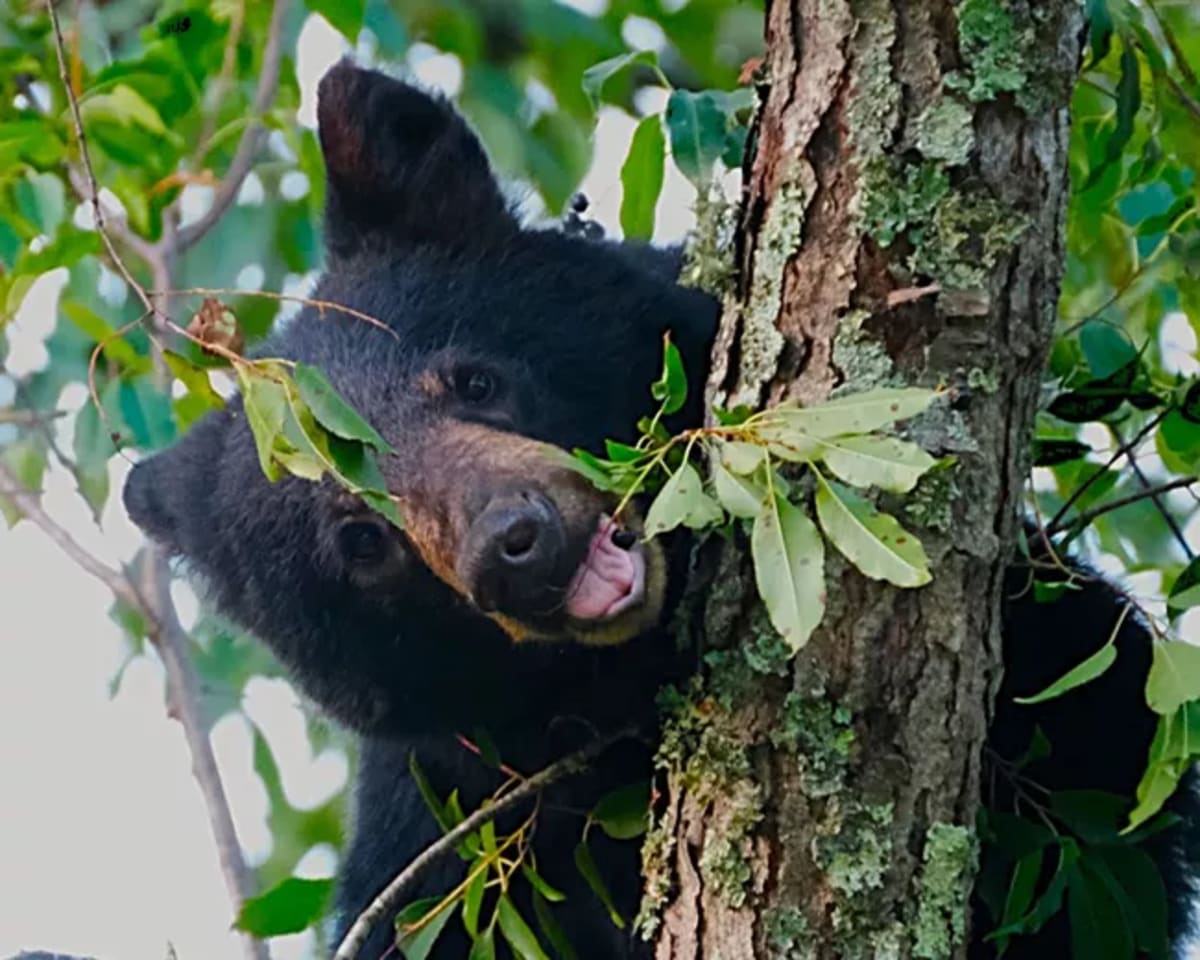
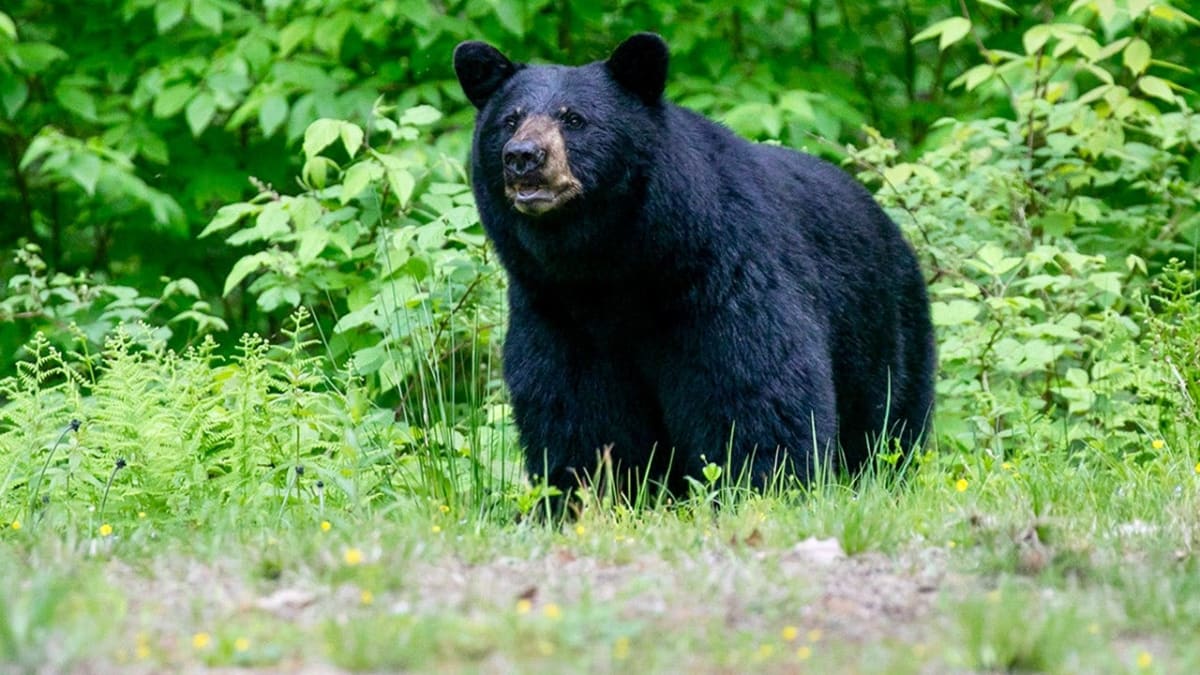
Kentucky's black bear population has surged from near extinction to as many as 1,500 bears, growing up to 7% annually thanks to decades of science-based conservation. The recovery shows how sustainable wildlife management brings species back while helping humans and bears coexist peacefully.

After disappearing from Kentucky, black bears are making a remarkable comeback thanks to decades of conservation work. The population has grown to up to 1,500 bears and continues expanding by 7% each year.

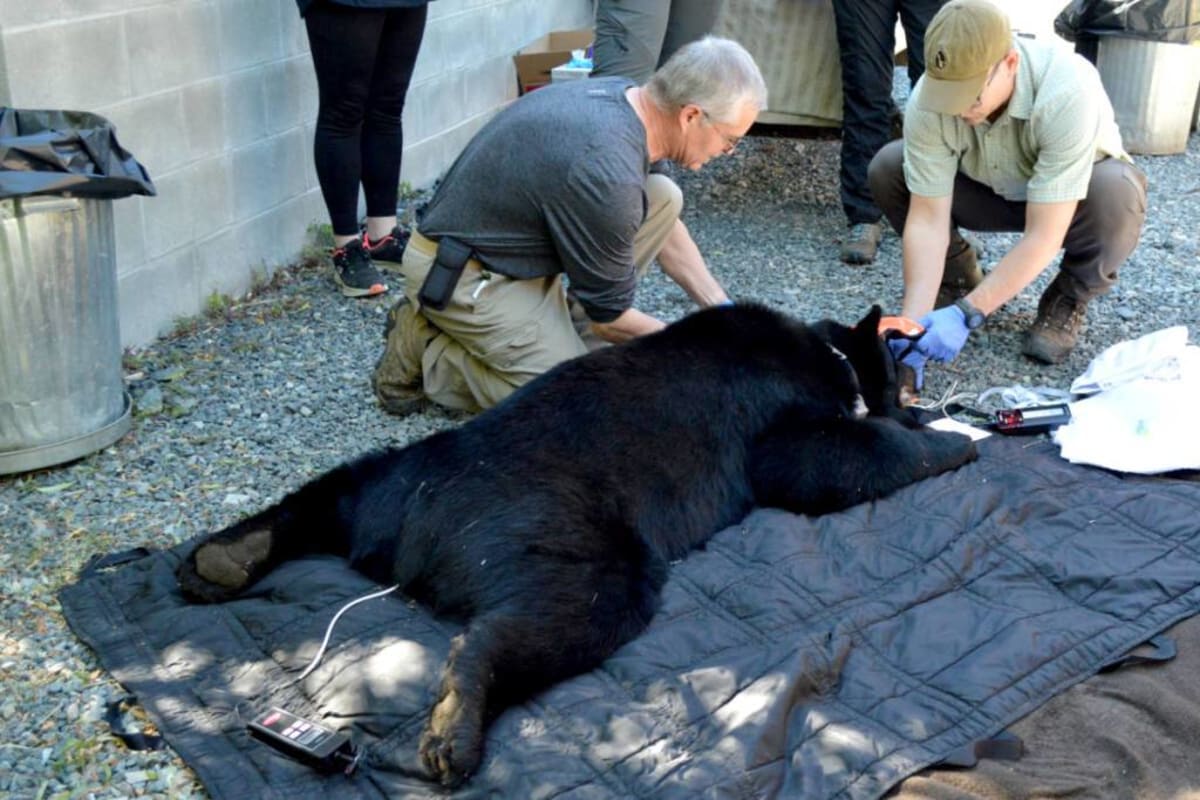
A black bear accidentally locked itself inside a hotel bathroom in Gatlinburg, Tennessee, leading to a perfectly handled rescue at 2:33 a.m. The confused bear casually strolled out unharmed when officers opened the door, leaving only a broken mirror behind.

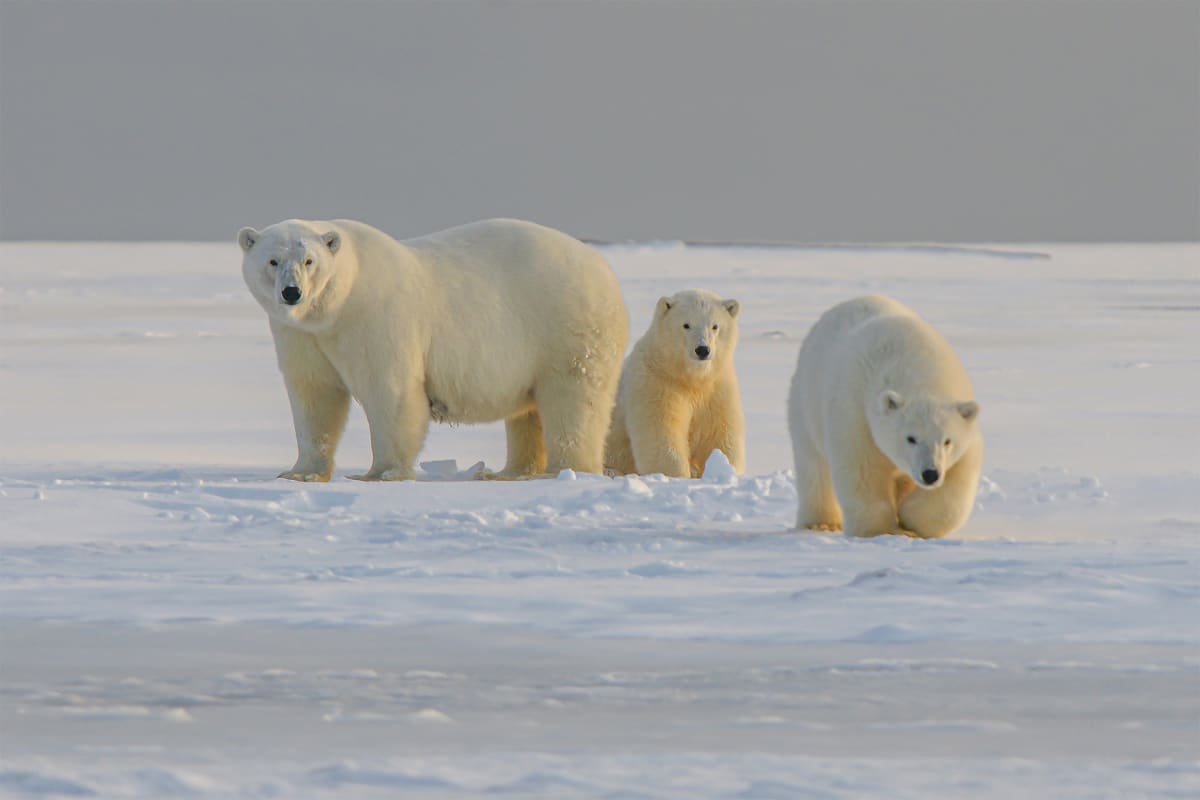
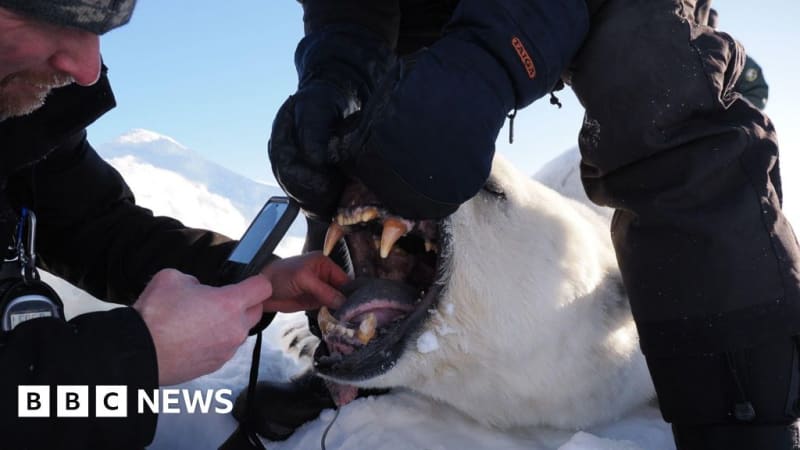
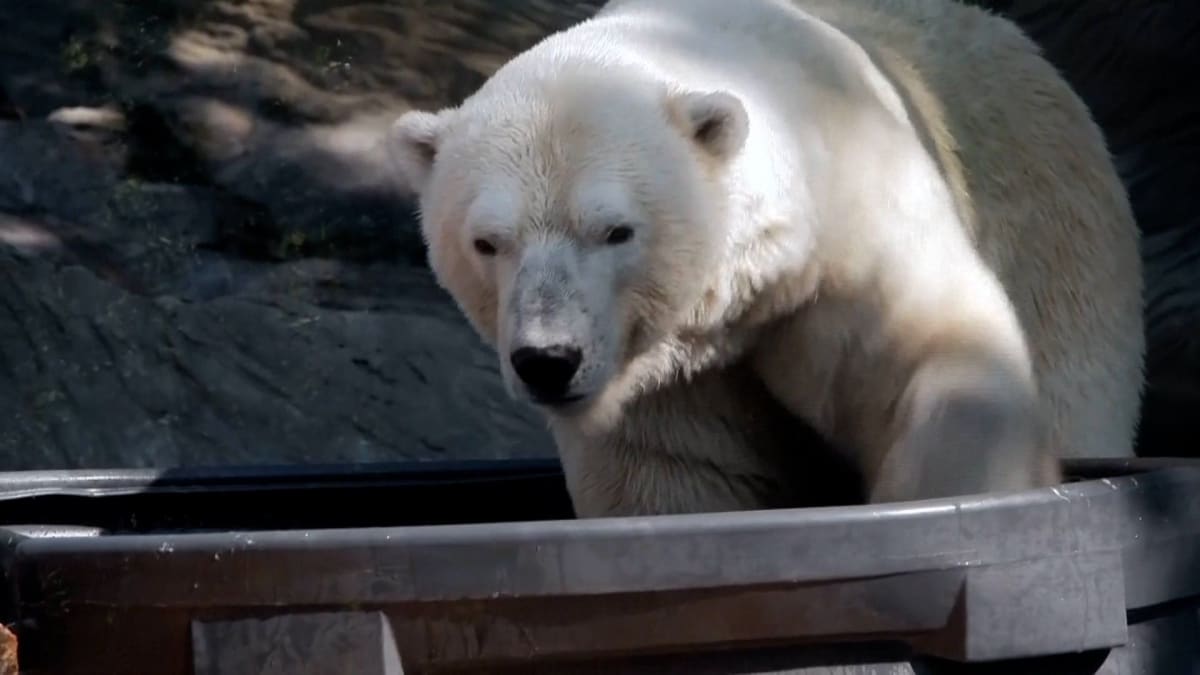
Scientists studying polar bears in Norway's Svalbard islands discovered something unexpected: the bears have gotten fatter and healthier since the 1990s, even as sea ice has steadily disappeared. They've adapted by hunting more land-based prey like walruses and reindeer.

Two bear cubs turned a cabin porch in the Smoky Mountains into their personal wrestling ring while mama bear supervised. The heartwarming moment, captured on video, has delighted thousands online with pure, unfiltered nature joy.

A sloth bear fell into a dry well near India's Similipal Tiger Reserve and nearly died from heat stress before rescuers cooled it down with ice and water, then waited for nightfall to let it climb out safely. Their patient approach saved the bear's life and showed how smart rescue tactics can protect both animals and people.

A German toy company has created a limited-edition teddy bear wearing the Queen's iconic lime green outfit to mark what would have been her 100th birthday. The launch includes a touching recreation of her beloved Paddington Bear tea party moment.

After 18 months of careful rehabilitation with minimal human contact, five orphaned black bear cubs walked back into the wild on Vancouver Island. The North Island Wildlife Recovery Centre has now released over 100 bears in its 25-year history.

Scientists tracked 770 polar bears for 24 years in Norway's Svalbard archipelago and found something unexpected: despite rapidly melting sea ice, the bears maintained healthy body conditions. Their secret might be adapting their diet and hunting strategies.

A tiny Arctic village is bringing back sustainable polar bear tourism after a pandemic pause, ensuring locals lead the industry and wildlife stays protected. Kaktovik's new approach could restore millions to the local economy while safeguarding both bears and community traditions.

When polar bears Amelia Gray and Hudson touched noses at Brookfield Zoo last fall, their connection sparked hope for a groundbreaking research program. Scientists are racing to understand polar bear reproduction before climate change and habitat loss make it too late.

After nearly two years of care, five orphaned black bear cubs are heading back to their natural habitat on Vancouver Island. The North Island Wildlife Recovery Centre has released over 100 bears in 25 years, giving orphaned cubs a second chance at life.

Scientists tracking 770 polar bears over 24 years discovered something unexpected: the animals are maintaining healthy body conditions even as their Arctic hunting grounds shrink by two months each year. The resilient bears may be adapting their hunting strategies to survive in a rapidly changing world.

After 18 months of careful, hands-off care, five orphaned black bear cubs just took their first steps back into the wild on Vancouver Island. The North Island Wildlife Recovery Centre has been perfecting this life-saving work for over 25 years, releasing more than 100 bears into their natural habitat. #
Showing 20 of 1408