Cacti Evolve Faster Than Expected, Scientists Discover Why
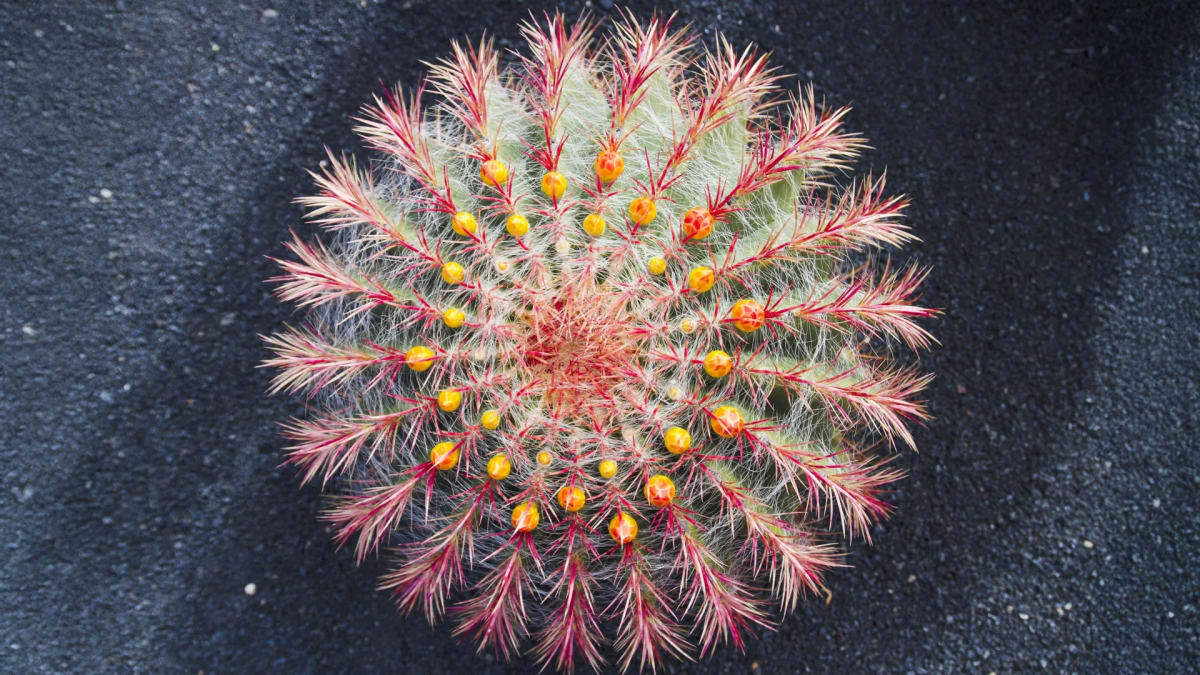
Desert cacti are creating new species at lightning speed, and scientists just discovered the surprising reason why. The answer challenges what we've believed since Darwin's time.
Find uplifting stories about heroes, innovations, and solutions
15 results for "cacti"
Desert cacti are creating new species at lightning speed, and scientists just discovered the surprising reason why. The answer challenges what we've believed since Darwin's time.
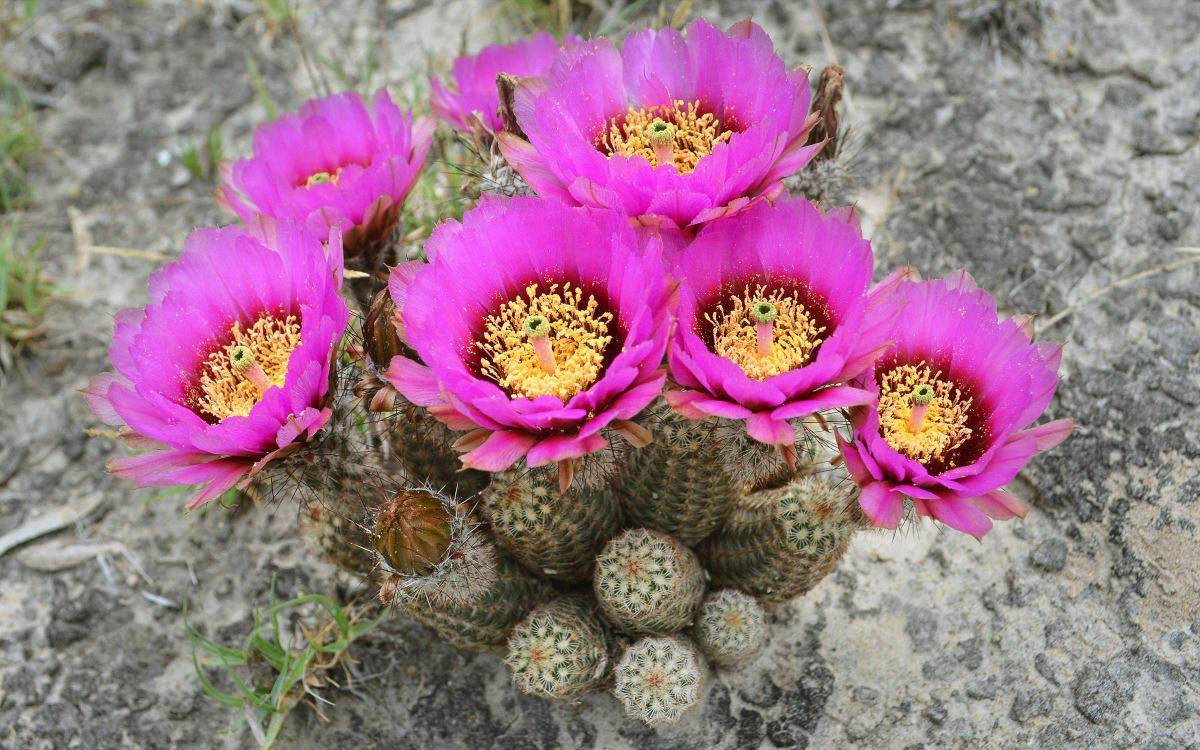
A Texas mining company is voluntarily saving thousands of endangered black-lace cacti before breaking ground, turning them into 20,000 plants. It's a rare example of industry choosing conservation when the law doesn't require it.
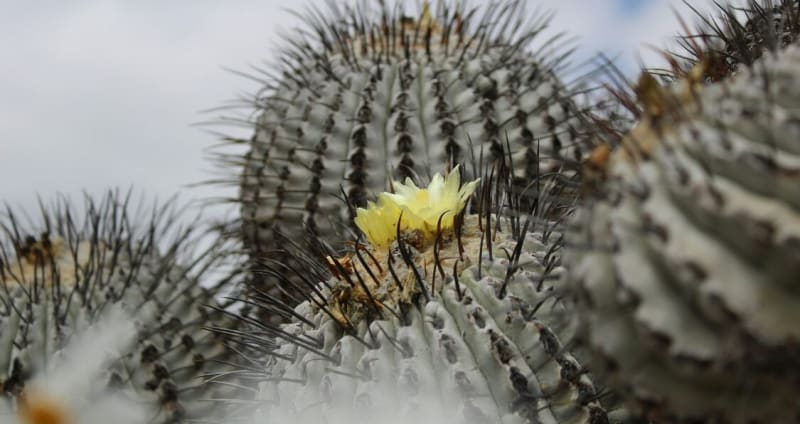
Deep beneath the Atacama Desert, Chile's largest seed bank is preserving the country's entire botanical heritage in an earthquake-proof freezer. The Initihuasi facility protects everything from rare flowering cacti to wine grapes, ensuring these plants survive no matter what challenges lie ahead.

Forget scorching dunes and cacti. Earth's biggest desert is a frozen continent that redefines what "dry" really means.
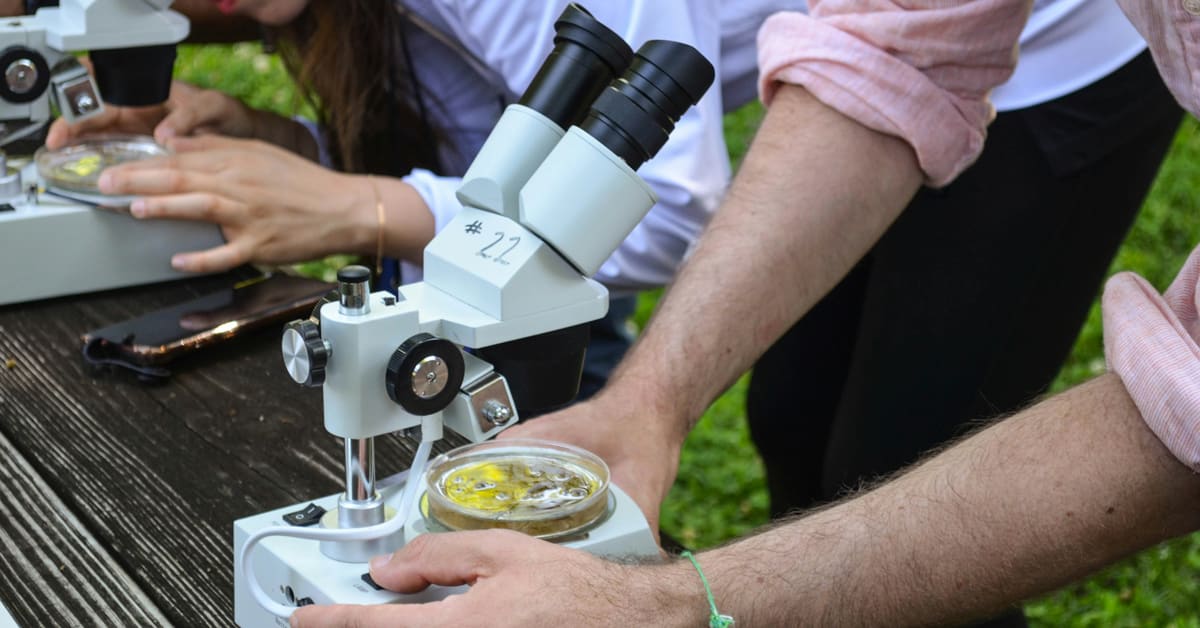
Everyday people using biodiversity apps are helping Australia catch invasive species before they spread, leading to successful eradications. From crabs to cacti, ordinary citizens are becoming the eyes and ears that scientists need to protect the environment. #

A tech journalist let Google's AI plan her entire day trip around Seattle using public transit. What started as a skeptical experiment turned into a surprisingly delightful adventure through hidden gems and rainy-day wonders.

When an ice storm destroyed a plant shop's entire inventory, the educators whose classrooms she'd donated to for years showed up to help her start over. Their kindness sparked a wave of community support that raised $60,000.

A Bengaluru terrace gardener is proving you don't need acres of land to grow fresh fruit at home. Sushma Reddy grows 70 fruit trees, including mangoes, in small pots on her urban terrace.
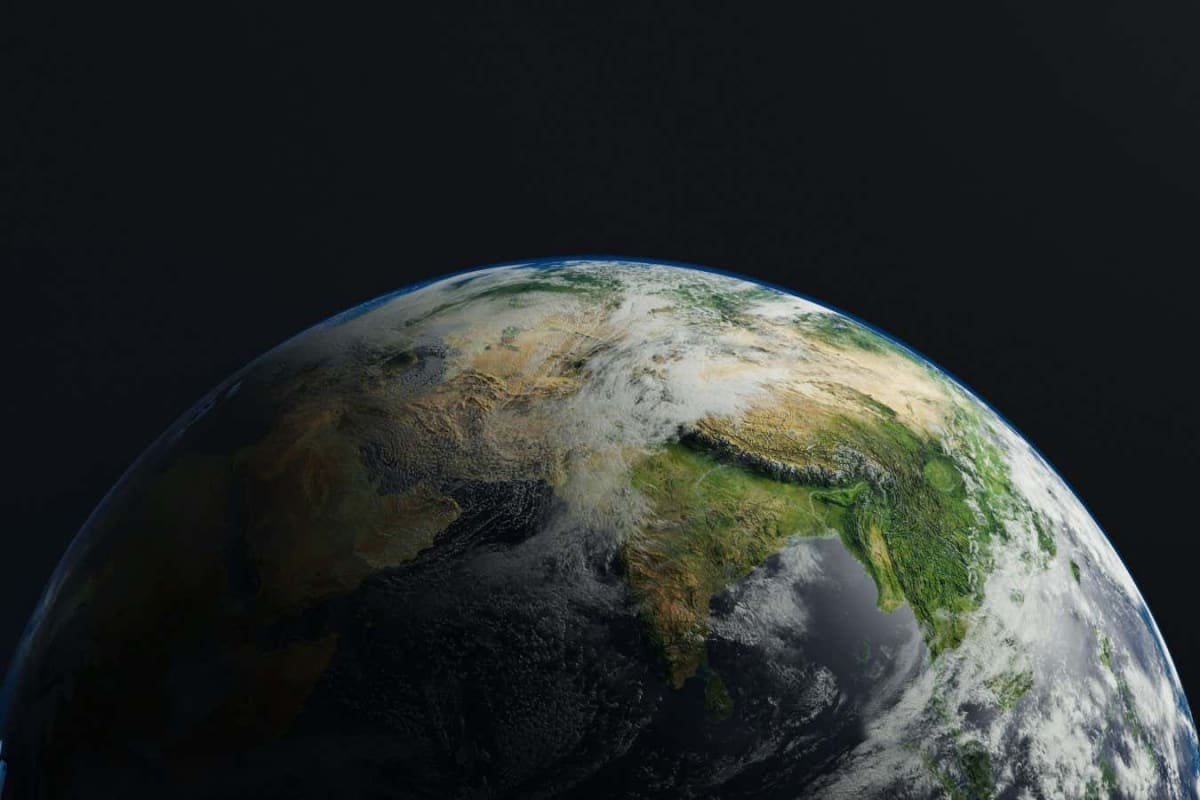
New research reveals that plants and complex life on Earth could thrive for 1.8 billion years instead of the previously predicted 1.35 billion years, thanks to certain plants' super-efficient photosynthesis abilities. The discovery also means we might have better odds of finding life on other planets.
Mexico is minting commemorative coins for the 2026 FIFA World Cup, blending soccer history with iconic landmarks. The country becomes the first to host three World Cups.
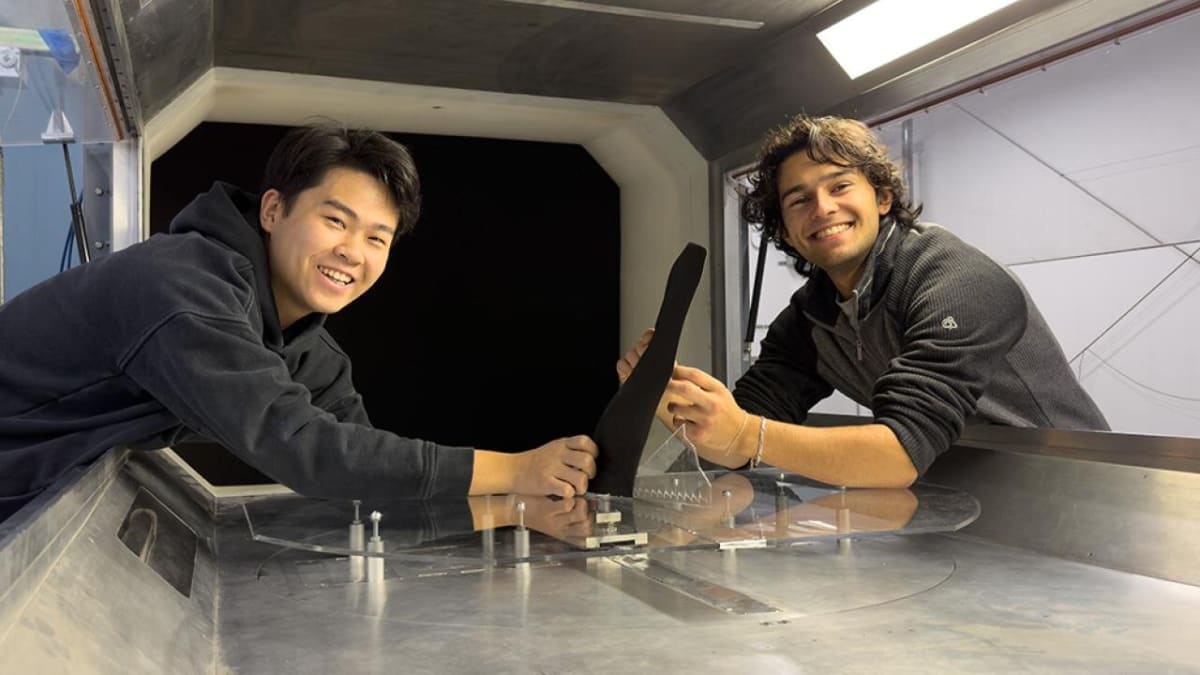
Scientists discovered how Harris's hawks morph their wings mid-flight to slip through tight spaces, shifting from unstable to stable flight in seconds. This natural engineering trick could revolutionize how drones navigate crowded environments.
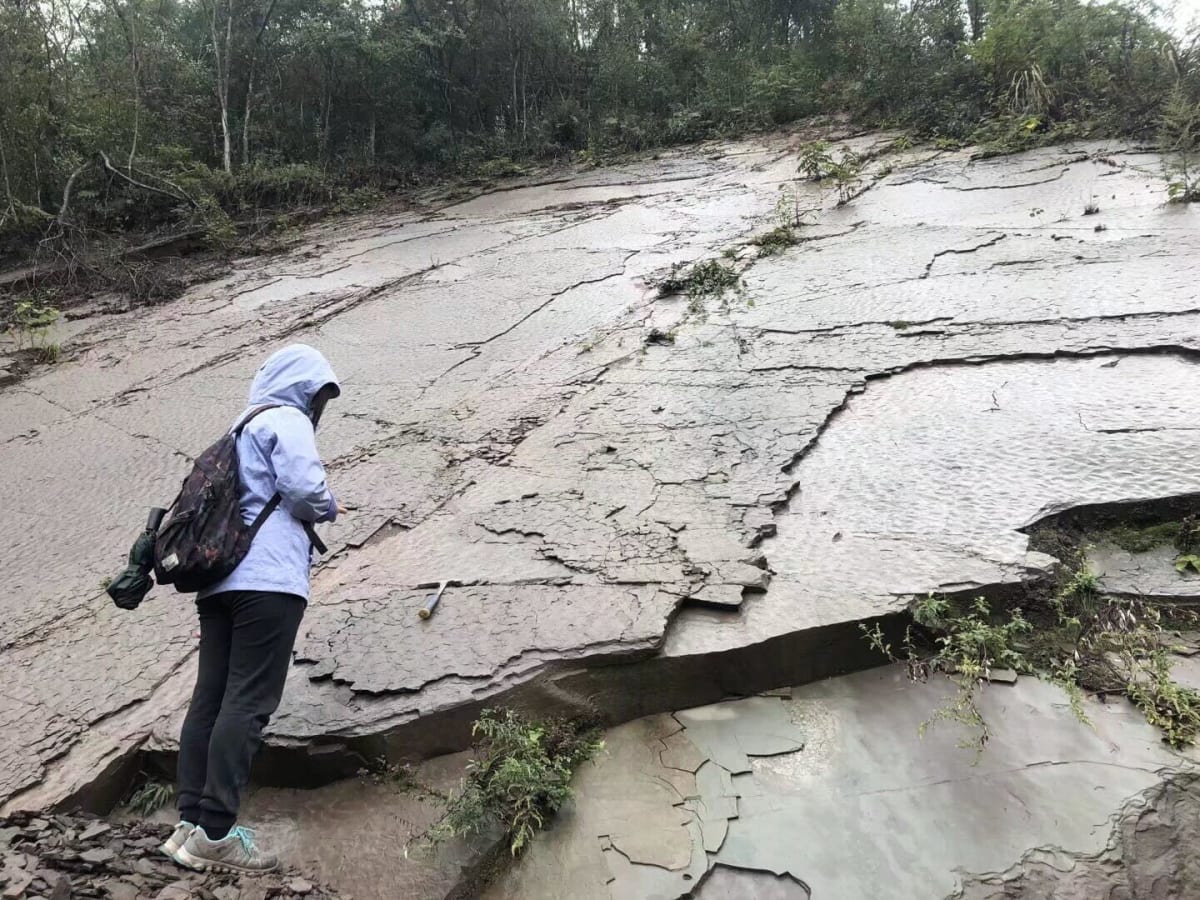
Scientists discovered how primitive plants survived the deadliest extinction event in Earth's history by breathing backwards. The secret? They absorbed carbon dioxide at night instead of during the day.

New climate modeling reveals that complex life on Earth will survive far longer than scientists previously thought. Researchers found that even as our Sun brightens, plants and other life forms have at least 1.3 billion years before conditions become uninhabitable.

Google is connecting 20 years of Street View data to AI that creates interactive, customizable environments where you can change weather, shift perspectives, and explore streets that don't exist yet. The technology could help train robots, test self-driving cars, and let anyone explore real places in entirely new ways.
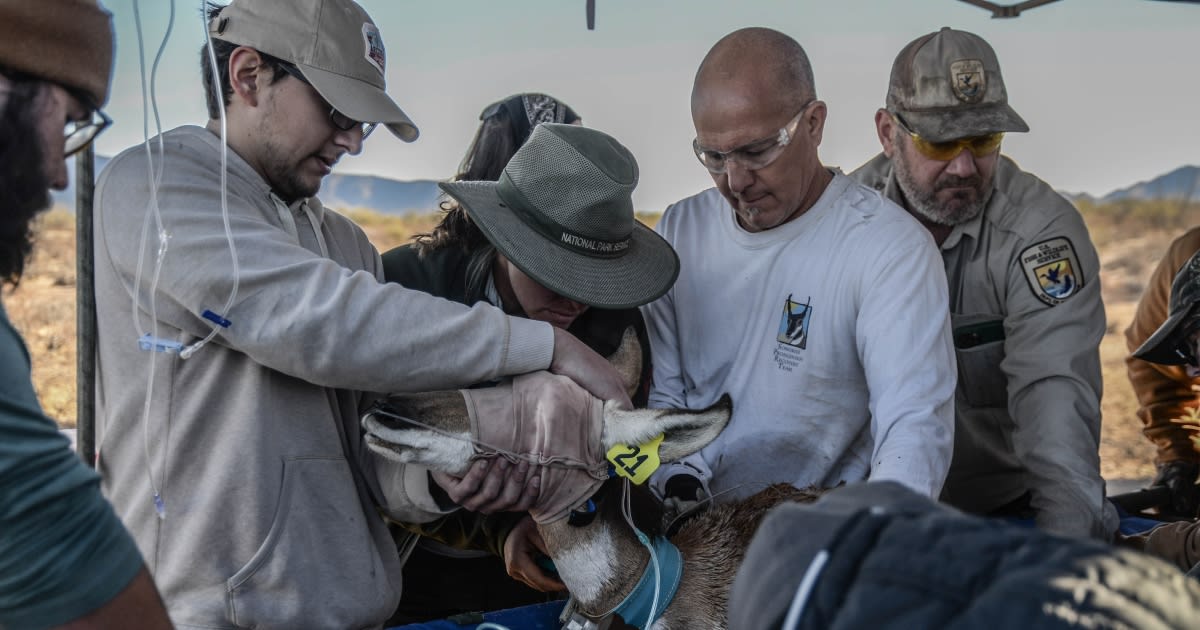
In 2002, only 21 endangered Sonoran pronghorn remained in Arizona after a devastating drought. Today, a military base, wildlife refuges, and dozens of partners work together each year to bring this desert speedster back from the brink.