Scientists Create QR Code Thinner Than Human Hair
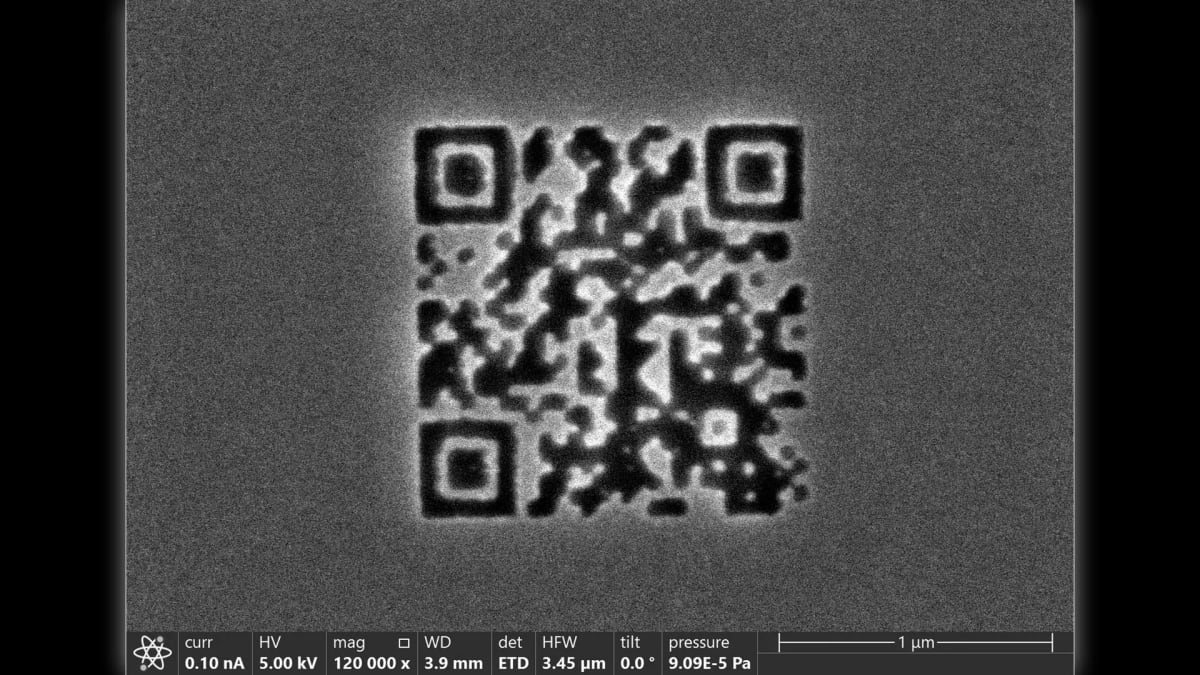
Researchers in Austria just created the world's smallest QR code, measuring less than 2 square micrometers. This tiny breakthrough could unlock new possibilities in data storage and security.
Find uplifting stories about heroes, innovations, and solutions
14 results for "data storage"

Researchers in Austria just created the world's smallest QR code, measuring less than 2 square micrometers. This tiny breakthrough could unlock new possibilities in data storage and security.

Researchers in China developed a breakthrough holographic system that stores massive amounts of data inside light itself, using three dimensions instead of flat surfaces. An AI model reads the information back, opening doors to smaller data centers and faster storage worldwide.

Scientists created a QR code smaller than most bacteria that can store information for thousands of years without electricity. This breakthrough could revolutionize how we preserve data for future generations.

Scientists in South Korea just solved one of the biggest problems holding back data storage, making memory chips 23 times faster while keeping your data safer. The breakthrough could mean your devices store way more information without slowing down.

University of Missouri researchers have solved a major roadblock in DNA data storage by making it rewritable for the first time. This breakthrough could transform how we store everything from family photos to corporate archives in molecules smaller than a grain of sand.
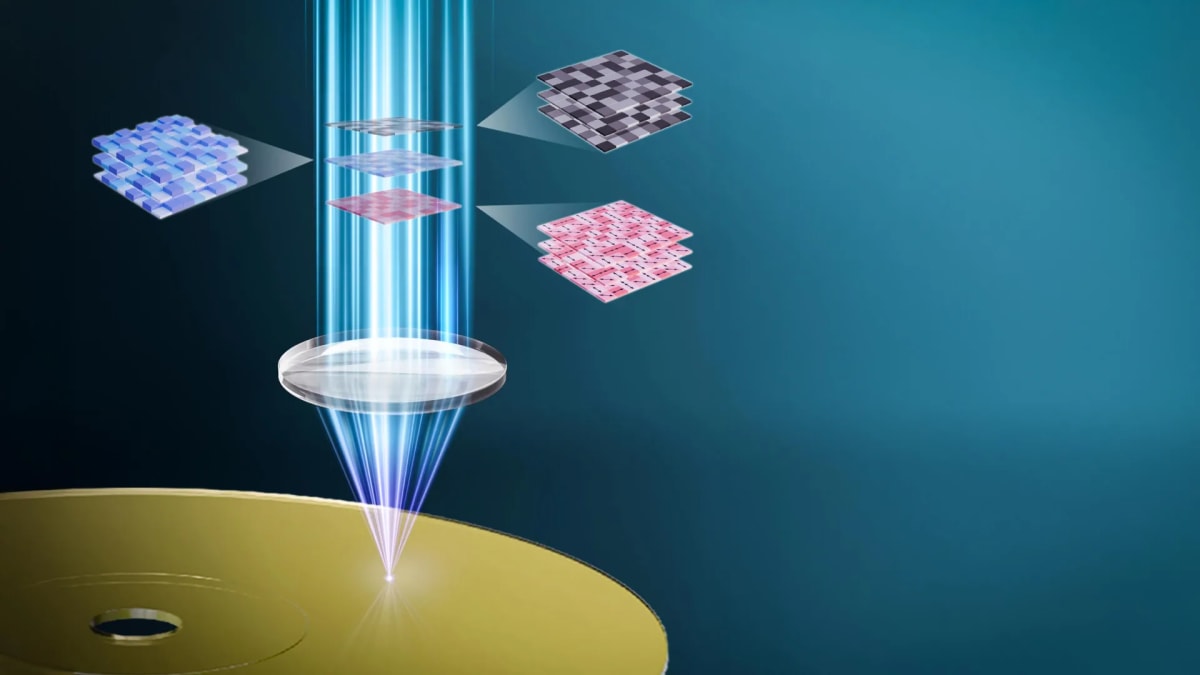
Scientists at Penn State have created a breakthrough memory device that combines synthetic DNA with solar cell materials, using 100 times less power than flash drives while storing far more data. The innovation could revolutionize energy-hungry AI data centers and pave the way for brain-like computing.

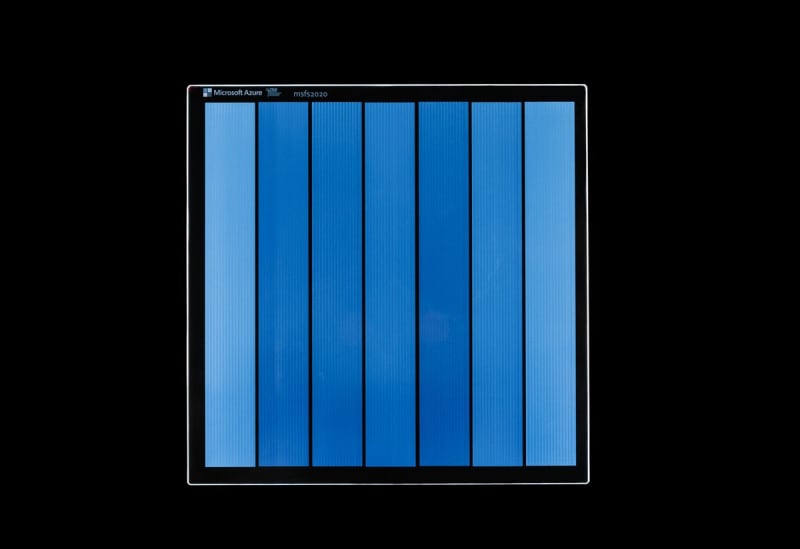
Microsoft just perfected a way to store digital information in glass for thousands of years, potentially preserving human culture forever. The breakthrough uses lasers and ordinary glass to create nearly eternal archives.

Scientists at Microsoft Research created tiny glass rectangles that can store massive amounts of data for millennia using lasers. The technology could preserve humanity's most important knowledge far longer than any current storage system.

Researchers have discovered how to preserve data for over 10,000 years by writing it into glass with lasers. A single 2mm piece can hold the equivalent of two million books.

Scientists created an automated system that stores massive amounts of data in glass that could last over 10,000 years. This breakthrough could transform how we preserve everything from cultural treasures to scientific records.

Scientists just cracked the code on storing digital information for millennia using simple glass slabs. Your photos, videos, and data could outlast civilizations.

Scientists can now save decades of family photos, videos, and memories on the same glass used in your oven door, and it will last 10,000 years. Microsoft's breakthrough means we may never lose precious data again.

Researchers at the University of Stuttgart have unlocked a breakthrough that could transform how we store data by twisting ultra-thin magnetic materials to create skyrmions, some of the smallest and most stable information carriers ever observed. This discovery could lead to storage devices that pack dramatically more data into tinier spaces.

Scientists at New York University have created time crystals you can see with your naked eye, suspended in mid-air by sound waves on a device small enough to hold in your hand. This breakthrough makes exotic quantum physics accessible and could revolutionize computing and data storage.