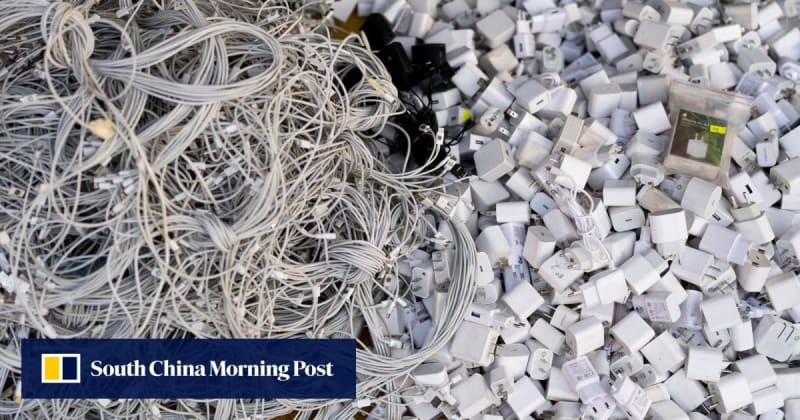
Malaysia Bans All E-Waste Imports to Protect Environment
Malaysia just stopped being the world's trash can. The country now completely prohibits electronic waste imports after years of fighting illegal dumping that threatened public health.
Find uplifting stories about heroes, innovations, and solutions
6050 results for "e-waste ban"
Malaysia just stopped being the world's trash can. The country now completely prohibits electronic waste imports after years of fighting illegal dumping that threatened public health.
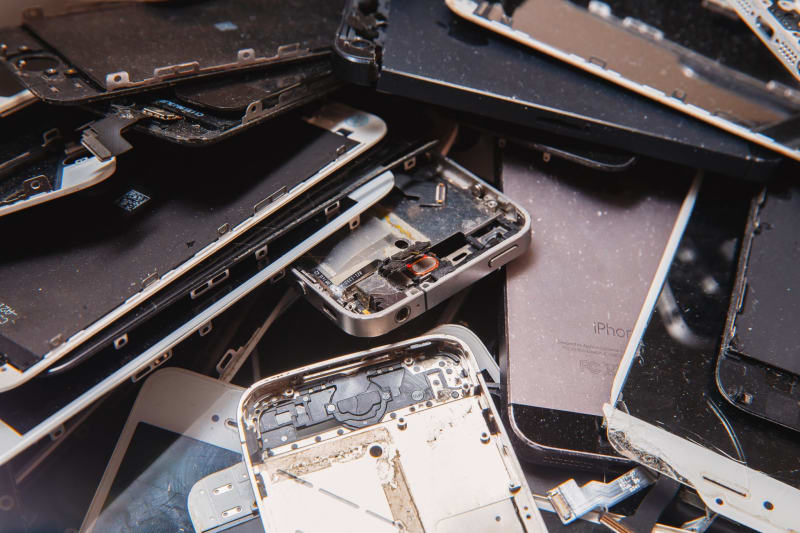
Malaysia just shut the door on electronic waste imports completely, closing loopholes that let wealthy nations dump toxic trash on its shores. The country is sending a powerful message: Southeast Asia won't be the world's junkyard anymore.
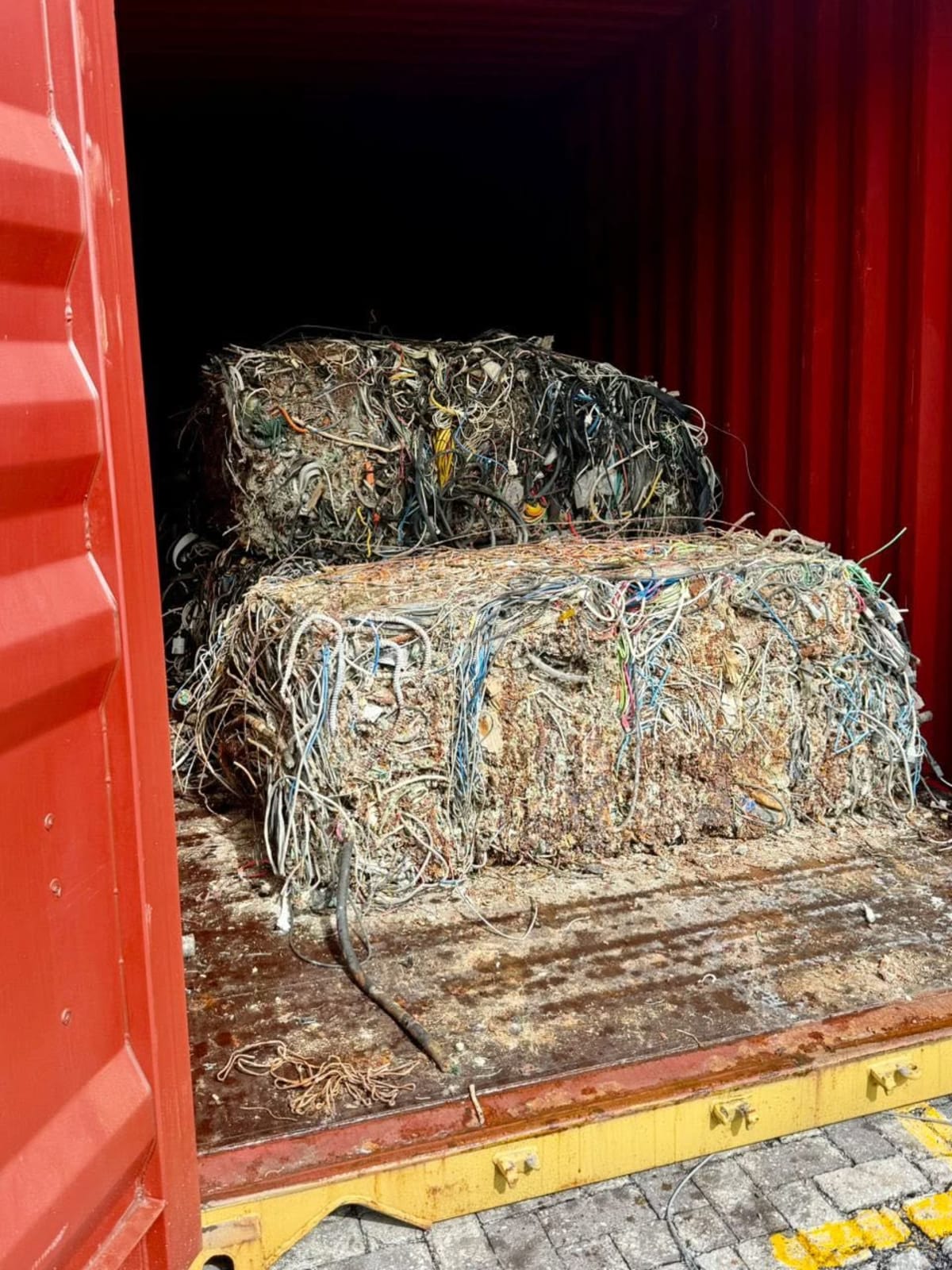
Malaysia just slammed the door on toxic electronic waste entering its borders, protecting communities from illegal recyclers who were poisoning the air. The country is now sending thousands of tons of smuggled trash back where it came from.

A retired Wipro executive in Bengaluru has transformed 200 kg of discarded electronics into over 500 artworks, selling pieces worldwide. Vishwanath Mallabadi Davangere proves that one person's trash can become another's treasure while tackling India's growing e-waste crisis.

Two Indian brothers are transforming electronic waste into stylish furniture now used by millions of travelers at Noida International Airport. Their innovation has already kept 12 tonnes of plastic out of landfills.

Scientists at the University of Edinburgh have licensed a breakthrough process that extracts gold and copper from electronic waste without toxic chemicals or extreme heat. The technology could transform how the world tackles its fastest-growing waste problem.

Young African entrepreneurs are learning to transform electronic waste into business opportunities at a groundbreaking hackathon in Ghana. The program combines environmental action with job creation, showing how today's trash could become tomorrow's treasure.
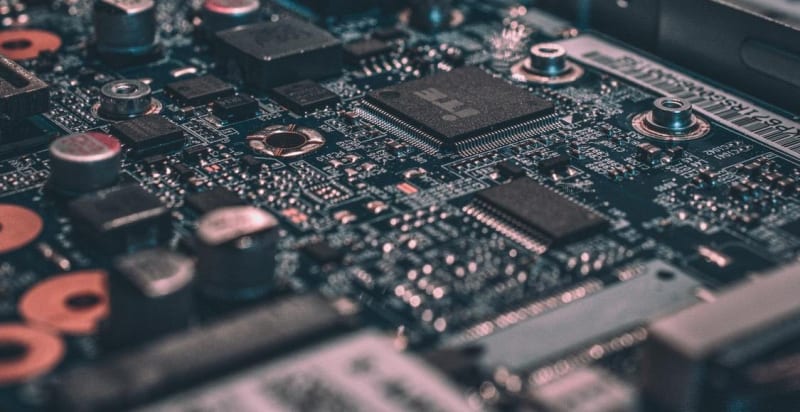
Scientists can now vaporize old electronics at 3,000°C to extract gold, silver, and other precious metals without toxic waste. The process costs 13 times less than traditional mining and uses up to 500 times less energy.
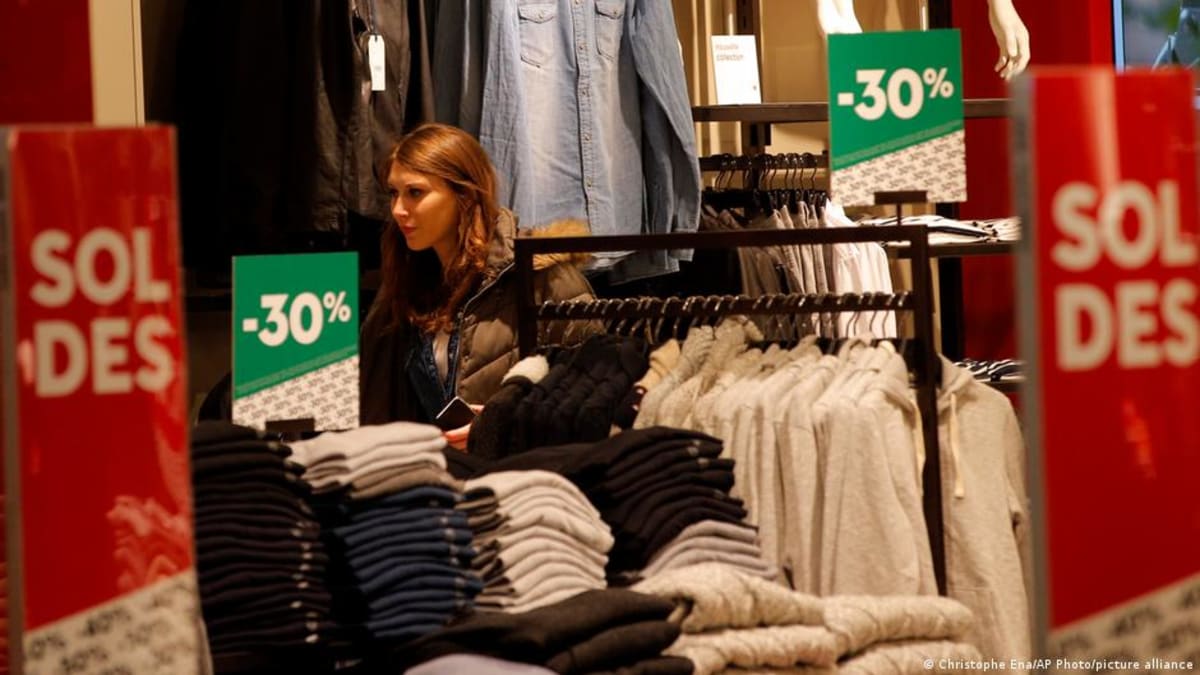
Starting this month, large fashion companies across the European Union can no longer throw away unsold clothing, shoes, and accessories. The groundbreaking ban targets the hundreds of thousands of tons of perfectly good apparel destroyed each year by fast fashion retailers.
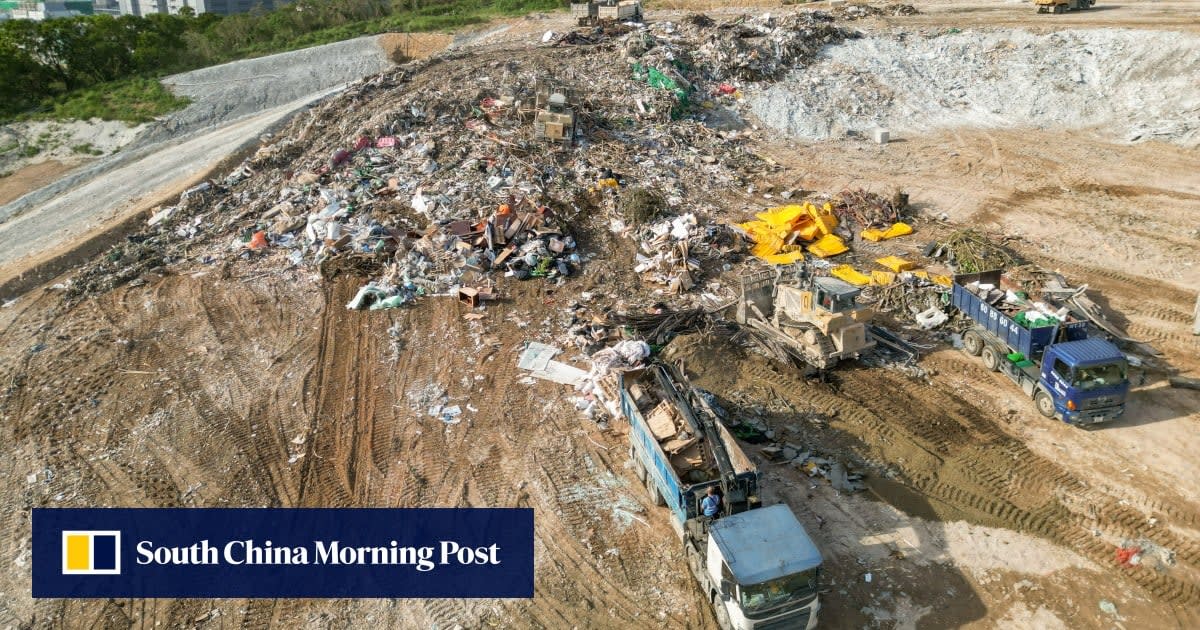
Hong Kong is stopping companies from dumping liquid waste like expired drinks and detergents into landfills, protecting the city's waters from toxic leaks. Conservationists are celebrating the move as a win for coastal protection.
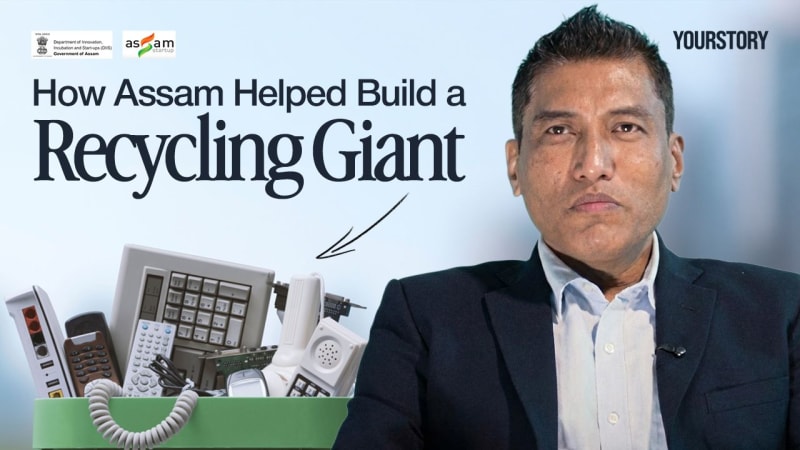
A recycling company born from one man's struggle to dispose of a home printer now processes thousands of tonnes of electronics annually across India. BINBAG is proving that sustainable business can scale with the right support.
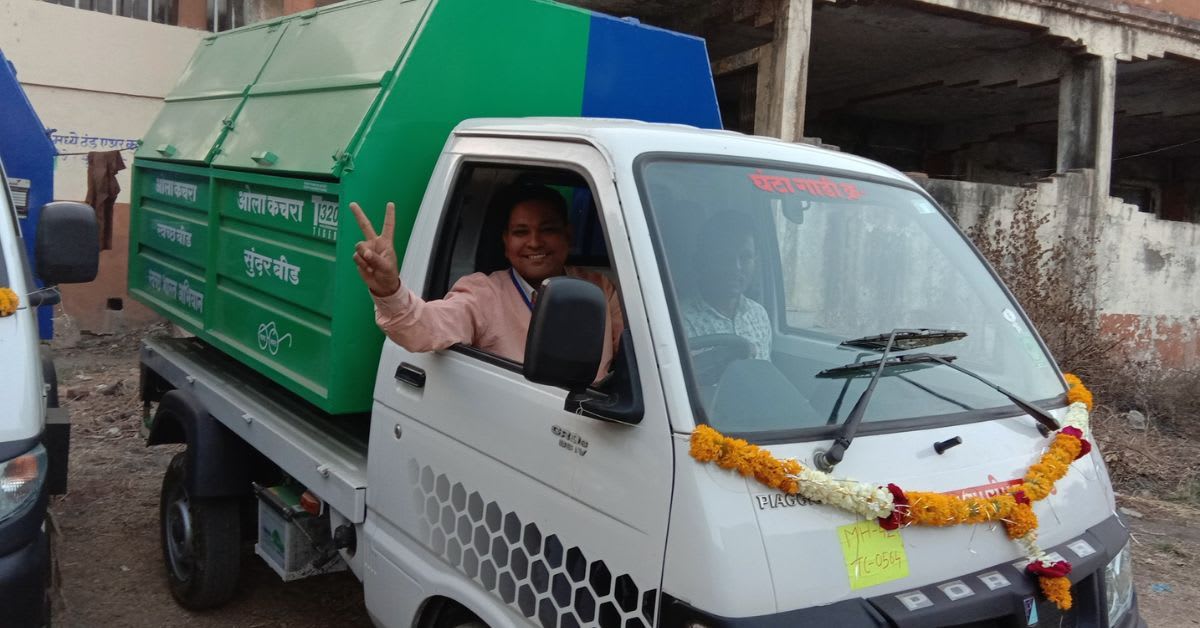
After witnessing a landfill collapse kill four people, engineering student Praveen Nayak dropped out to launch waste-collecting e-rickshaw ambulances across Delhi. His venture now runs 18 clinics, diverts tons of trash from landfills, and generates Rs 1.5 crore in annual revenue.
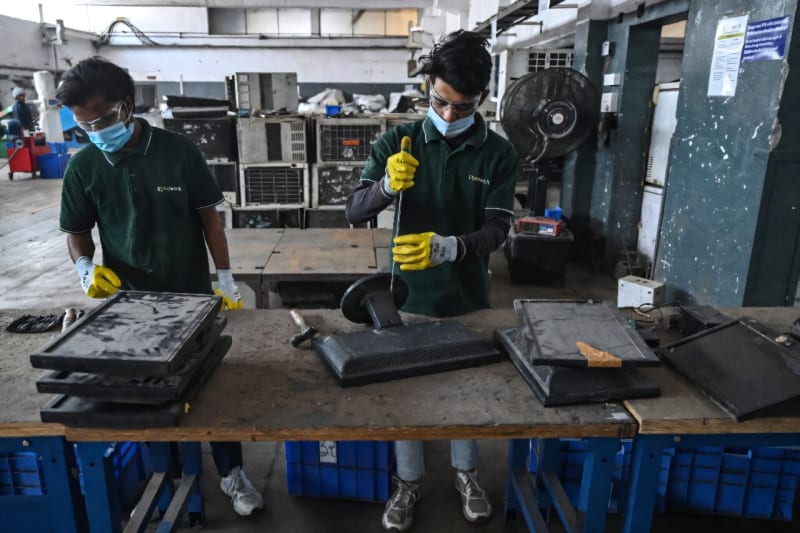
India is transforming mountains of discarded electronics into lithium, cobalt, and rare minerals needed for smartphones, electric cars, and AI technology. The country's new recycling push could generate $6 billion annually while reducing dependence on imports.
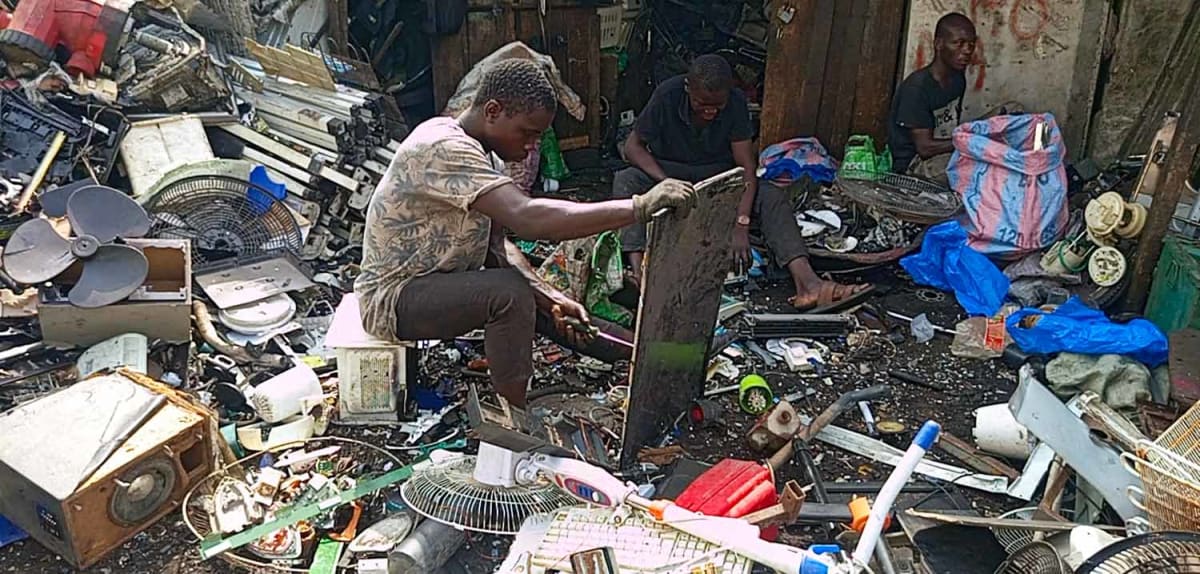
Young African innovators are turning mountains of discarded phones into gold mines, literally. A continent-wide movement is proving that electronic trash could become one of Africa's most valuable resources.
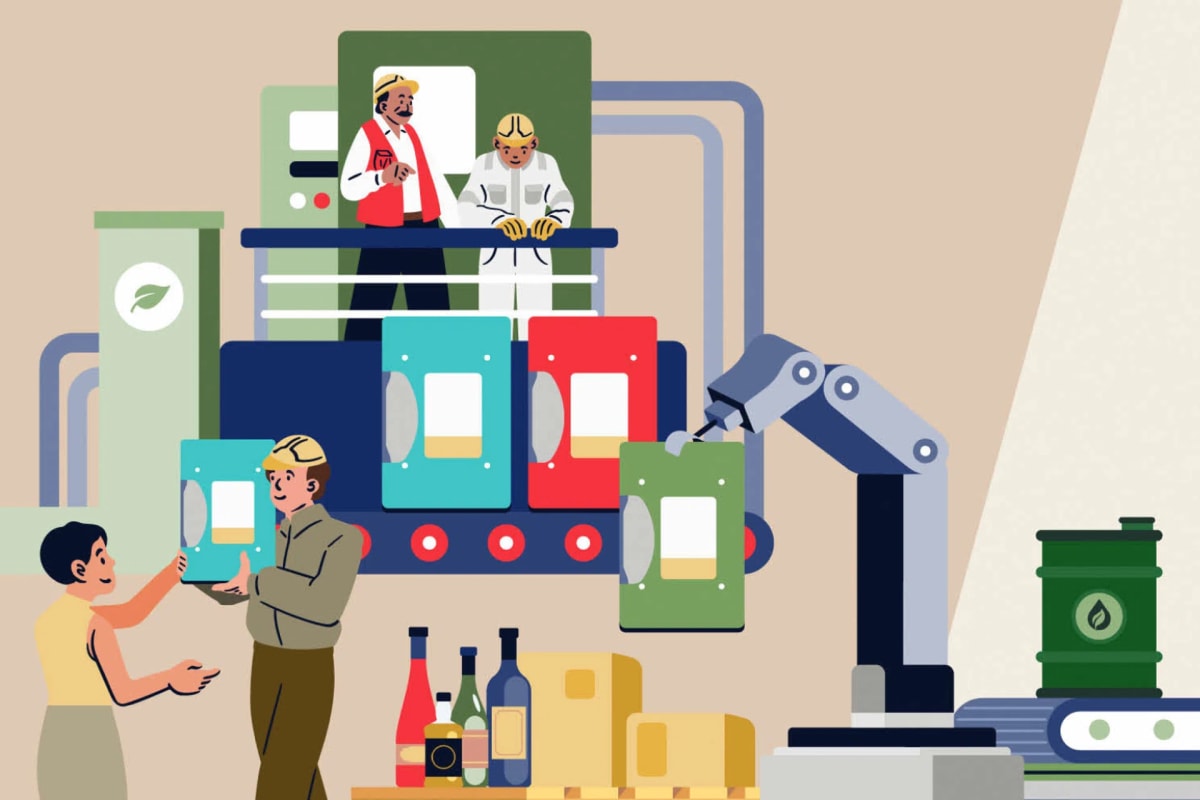
Major global companies are partnering with Singapore startups to transform waste into valuable resources while slashing carbon emissions. From robots sorting electronic waste to medical plastics paving roads, these collaborations are proving sustainability drives profit and growth.

Hobart is ditching shared e-scooters and doubling down on e-bikes after the program helped residents take over 13,000 monthly trips while cutting emissions. The city joins a global trend proving greener transport can work when it fits local needs.

Oregon's new bill drops the legal e-bike riding age from 16 to 14, allowing schools to finally teach safety to the teens already riding. While other states ban e-bikes, Oregon is choosing education over restriction.

Massachusetts is introducing a groundbreaking four-tier speed system that could finally bring clarity to the confusing world of e-bikes, scooters, and electric micromobility devices. Instead of banning faster e-bikes outright, the state is carving out sensible rules that keep riders safe while preserving access to bike infrastructure.
Scientists just built a squad of AI agents that work together to extract valuable metals from dead batteries, turning electric vehicle waste into a domestic supply of critical materials. The breakthrough could eliminate millions in metal imports while slashing chemical waste.

A tiny Himalayan state became India's environmental pioneer by banning plastic bags 28 years ago. What started as one ban grew into a model of clean living that other states are now trying to follow.
Showing 20 of 6050