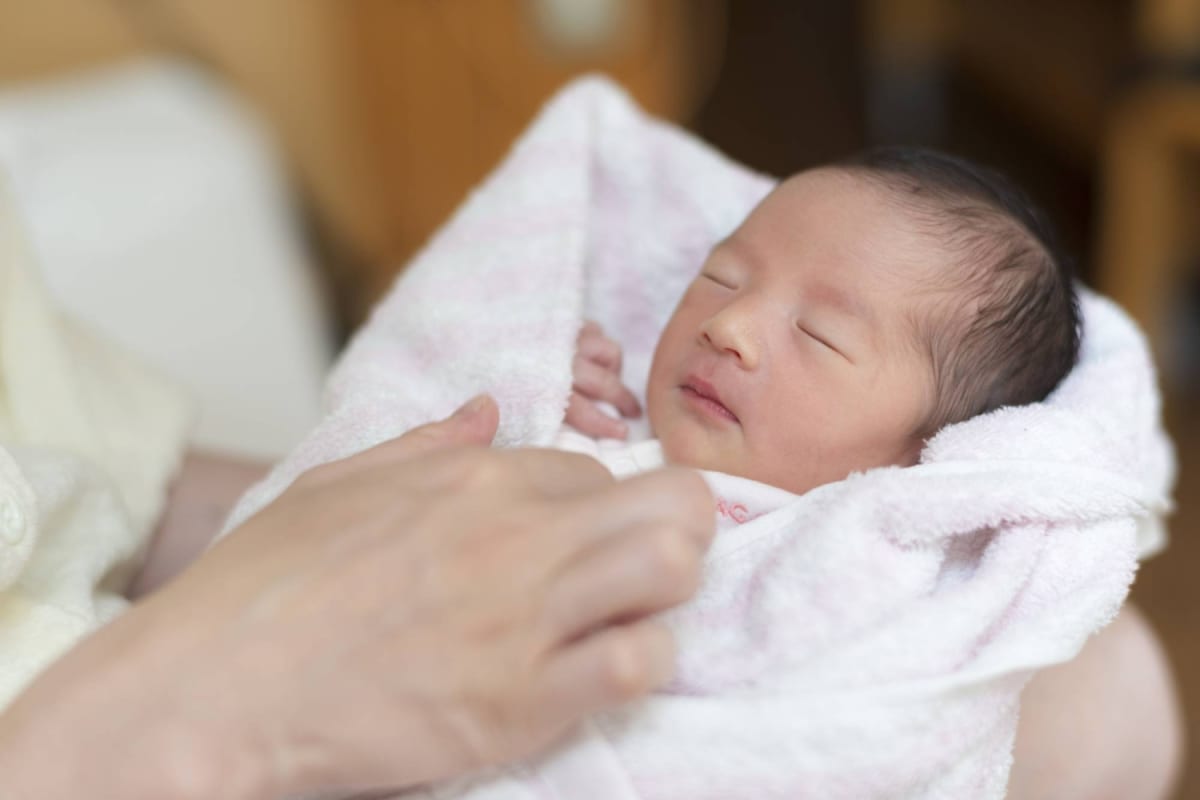
Japan's Birth Decline Slows to 2.2%, Births Rise in 30s
After years of steep population drops, Japan's birth rate decline has slowed dramatically. Even better, births among women in their thirties are actually rising for the first time in years.
Find uplifting stories about heroes, innovations, and solutions
10152 results for "emergency birth"
After years of steep population drops, Japan's birth rate decline has slowed dramatically. Even better, births among women in their thirties are actually rising for the first time in years.
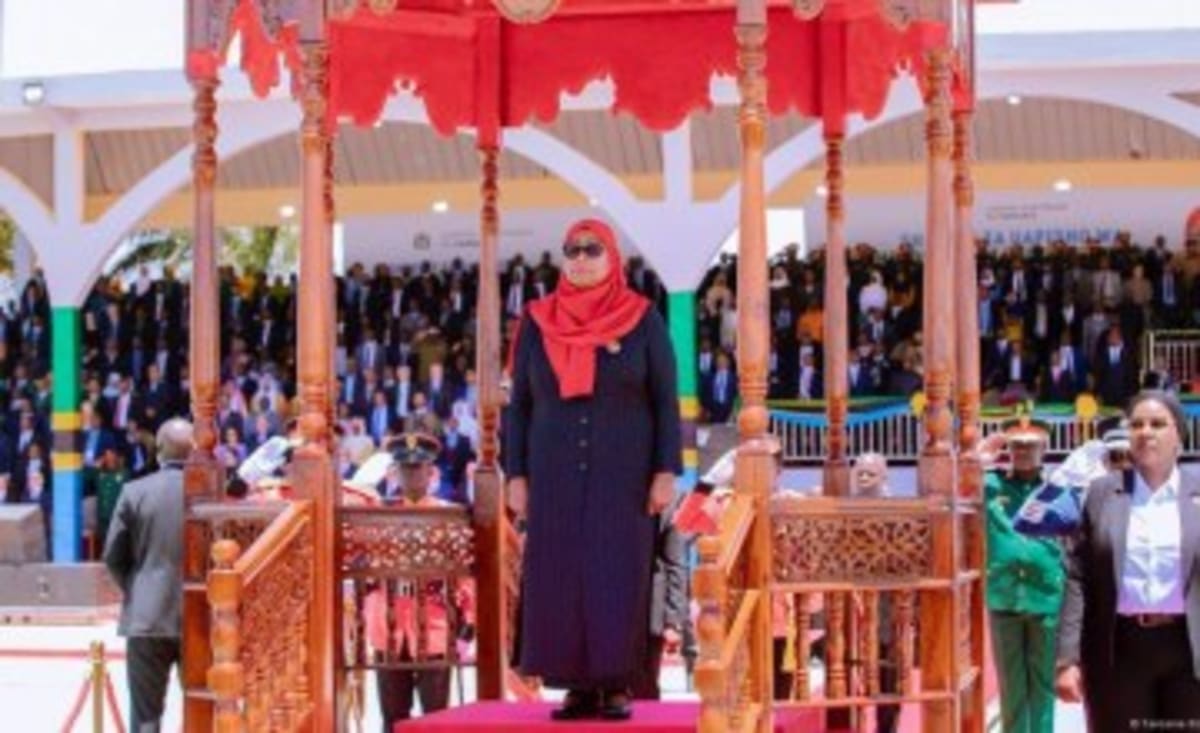
Tanzania's Ministry of Health is launching a nationwide initiative to train healthcare workers in emergency care, particularly focused on saving mothers and newborns. The program aims to reduce maternal deaths to 70 per 100,000 live births by 2030.

A culturally focused health program in Australia is helping Indigenous mothers give birth to healthier babies through personalized support and care. The Birthing on Country initiative keeps families together and communities strong during one of life's most important moments.
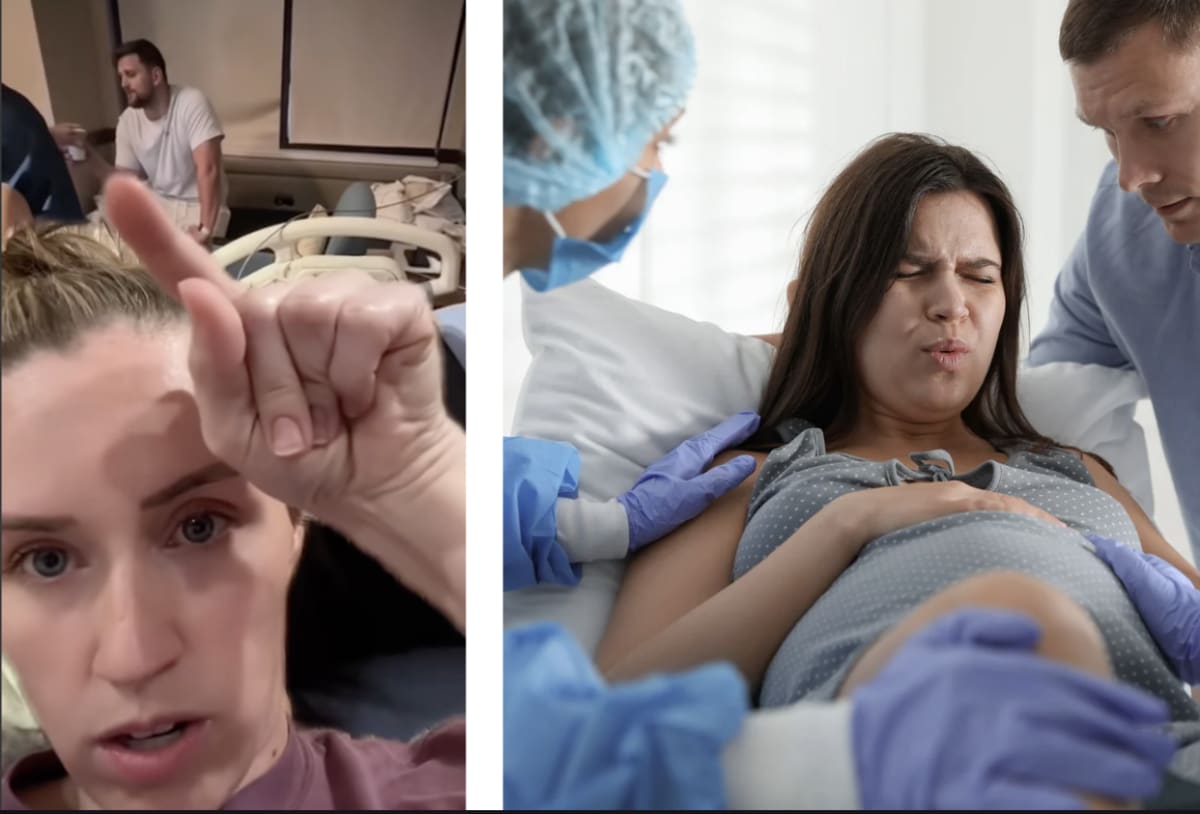
A viral video showed a father drinking water while his partner gave birth, sparking harsh criticism online. A labor and delivery nurse revealed the truth behind the moment that changed everything.

A viral video showed a father-to-be sitting and drinking water while his partner gave birth, sparking outrage online. A labor and delivery nurse explained why this moment actually showed he was a caring partner, not a careless one.

After narrowly missing the World Cup, Nigeria is creating a new international rugby competition to give emerging nations a chance to shine. The Emerging Nations Challenge will bring together countries often left behind by traditional tournaments.
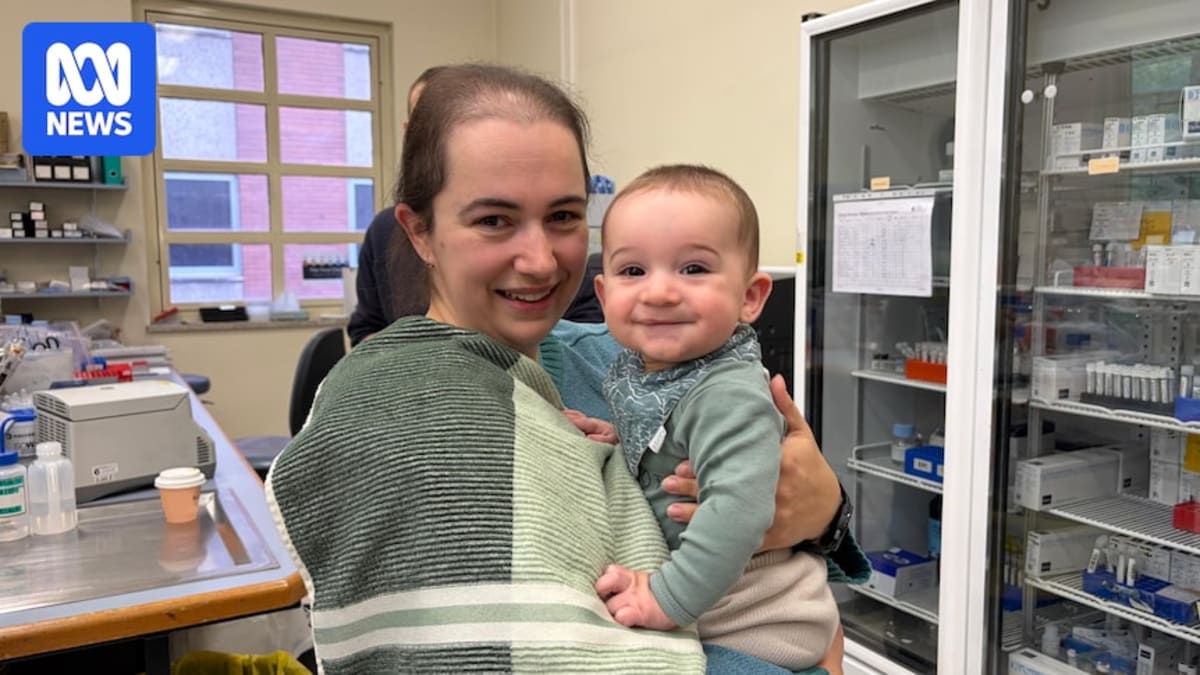
South Australian pregnant women will get free omega-3 blood tests starting June 1, a world-first program that could prevent early births for one in six mothers. Twenty years of research proved low omega-3 levels directly increase preterm birth risk.
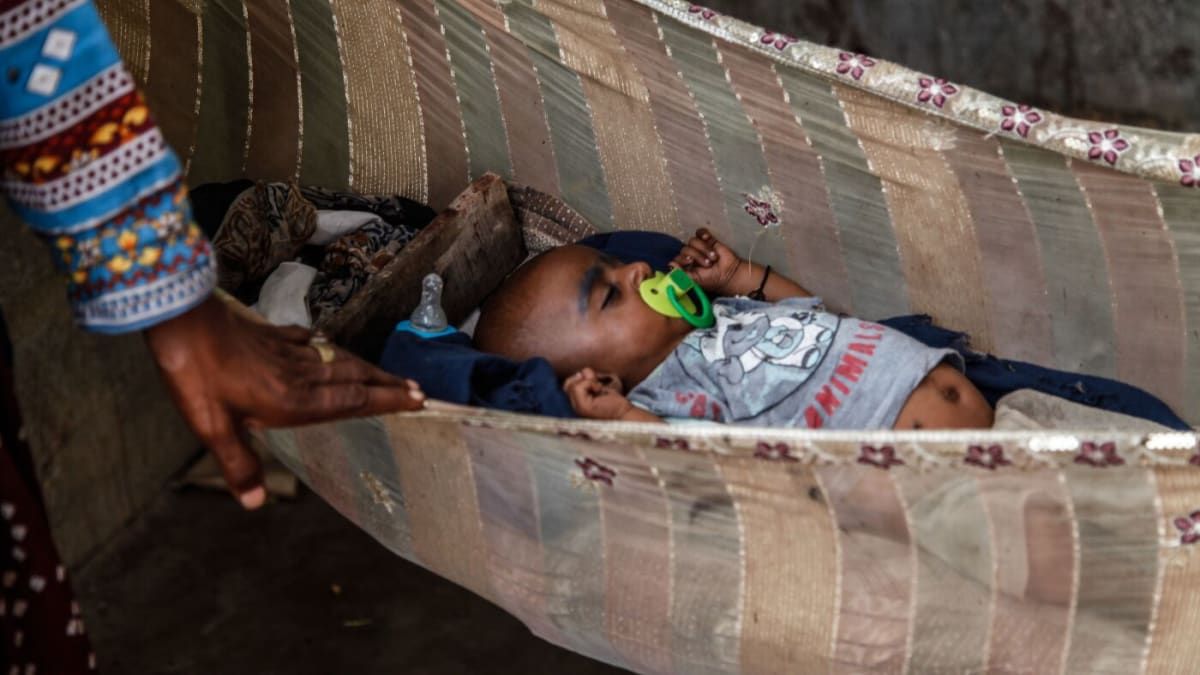
Scientists in Pakistan discovered a single bacteria that can predict premature birth risk in pregnant women. The breakthrough could help save countless newborns in a country where premature birth is a leading cause of infant death.

A massive US study tracking over 11 million births across two decades finds no link between fluoridated drinking water and birth weight, putting to rest safety concerns for pregnant women. The research offers reassurance about one of America's most widespread public health practices.
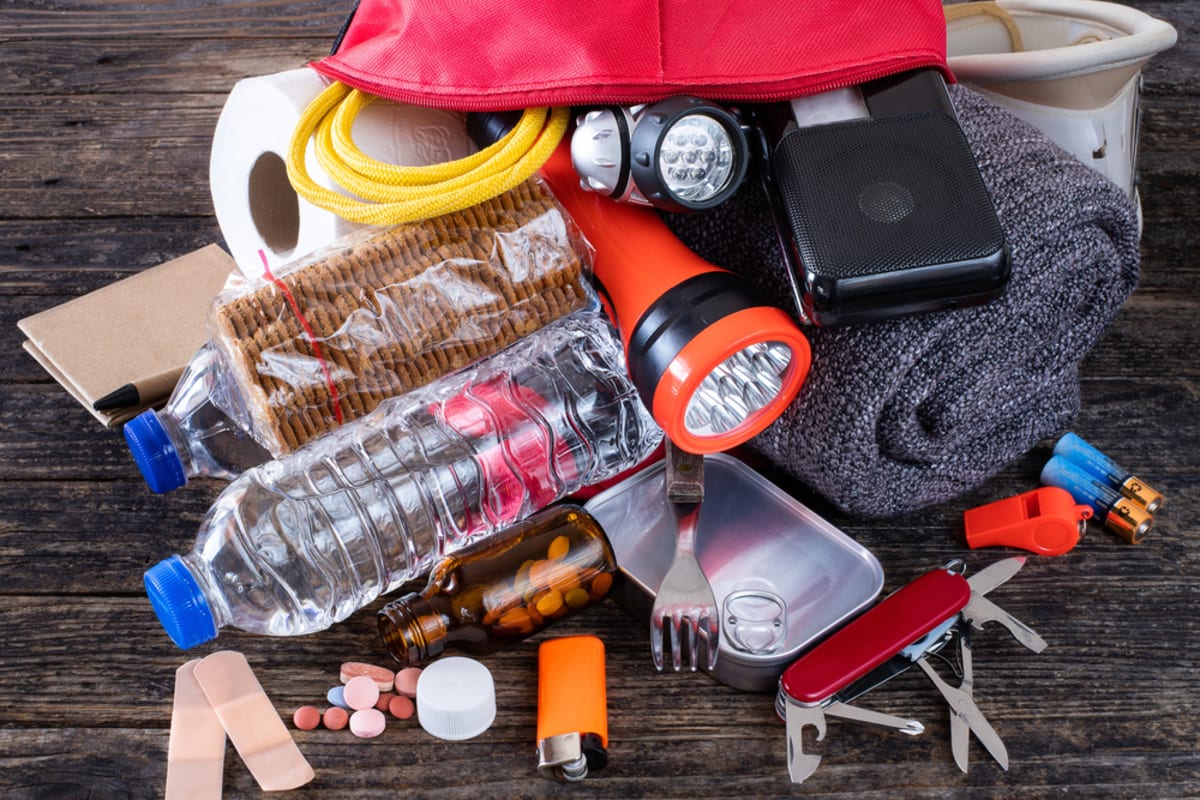
Amsterdam is making sure its most vulnerable residents can prepare for emergencies by distributing 2,000 free emergency kits through food banks this summer. The city is stepping up where national guidelines left lower-income families behind.
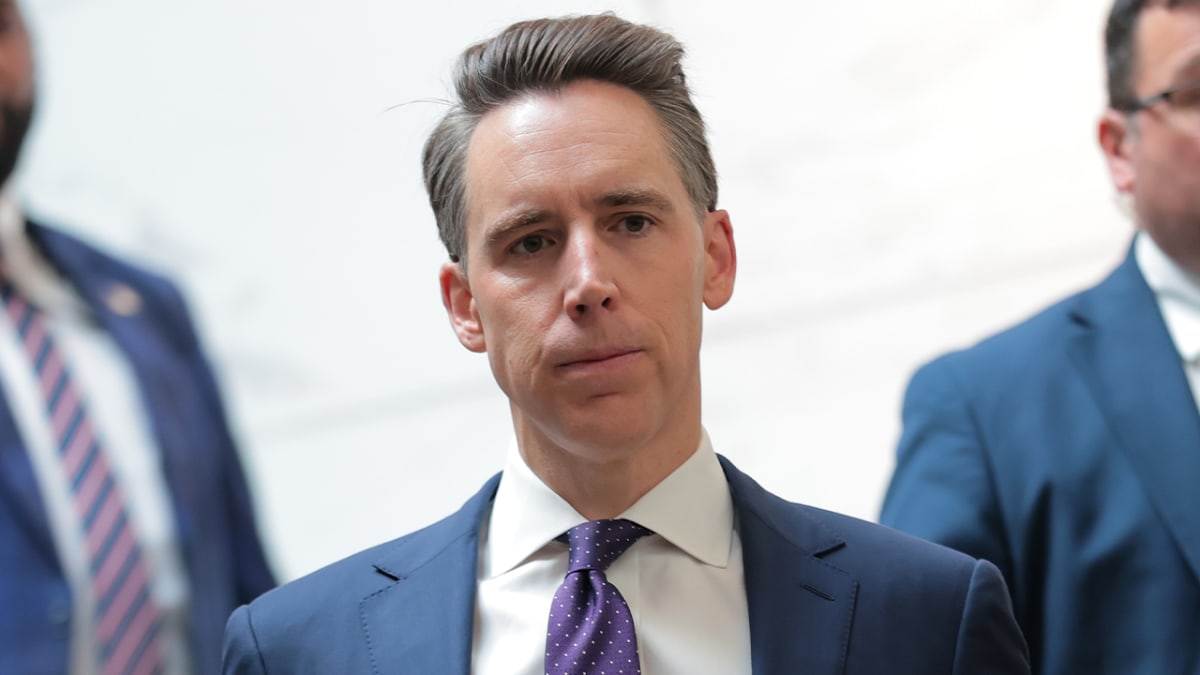
Senator Josh Hawley introduced legislation to rescue America's struggling rural hospitals, offering guaranteed funding to keep emergency rooms open in communities where residents sometimes drive an hour for lifesaving care. The bill could protect hundreds of hospitals from closure while ensuring rural families get the emergency medical care they deserve.
Nigeria just released $6.5 million to prepare for potential Ebola cases after the WHO declared the Central and East African outbreak an international emergency. The country successfully defeated Ebola in 2014 and is taking action early this time.
Health workers in Uganda's Ibanda District just gained crucial skills to catch birth defects right after delivery, a change that could save hundreds of babies' lives. Early detection means simpler treatments and better outcomes for newborns facing conditions that become dangerous when missed.
Nigeria is building a nationwide emergency medical system that's bringing free ambulance services and lifesaving care to millions who couldn't afford it before. Twenty-one states are already operational, with more launching soon.

Nigeria's Ekiti State is urging residents to call its free emergency ambulance service, which responds to everything from childbirth to accidents. Many locals still don't know the lifesaving resource exists or wrongly believe ambulances only carry the dead.

Nigeria just made it possible for parents to register births and deaths from their phones, ending the need for long trips to government offices. The new digital system went live July 1st across all 36 states.
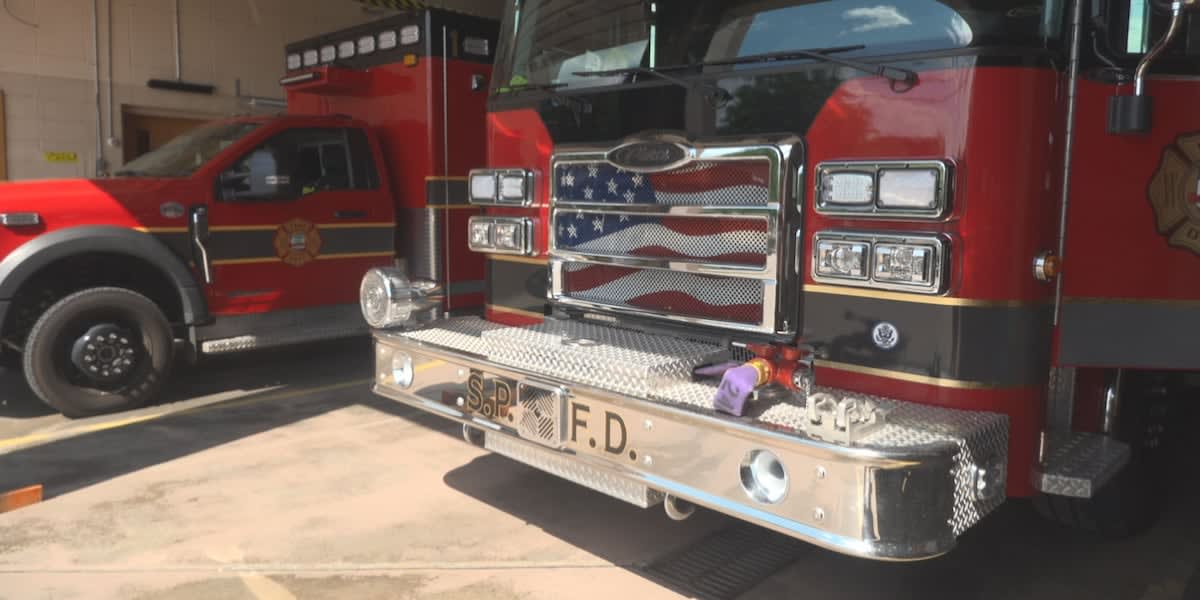
A Wisconsin city is building its first Community Emergency Response Team to help neighbors during disasters. Eleven volunteers have already signed up, with 22 spots still open.

A high school nurse in Bakersfield used her emergency room experience to save a student's life during a critical cardiac event. Jennifer Baldoni's quick response at Frontier High School shows why having trained medical professionals on campus matters.
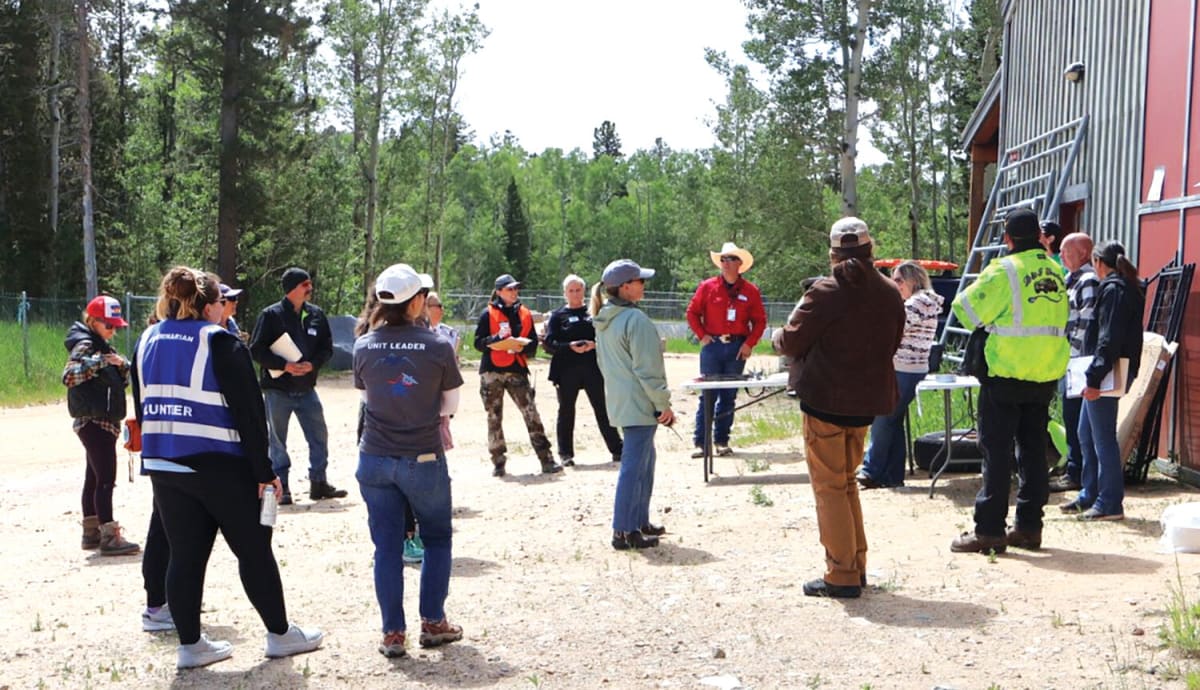
Gilpin County is recruiting neighbors to help neighbors during wildfires and emergencies. The mountain community hosted a volunteer fair connecting residents with life-saving roles that don't require badges or uniforms.
Tanzania is building a nationwide rapid response team to save more lives during health crises. Forty-four health professionals are learning life-saving emergency skills to prepare the nation for disasters.
Showing 20 of 10152