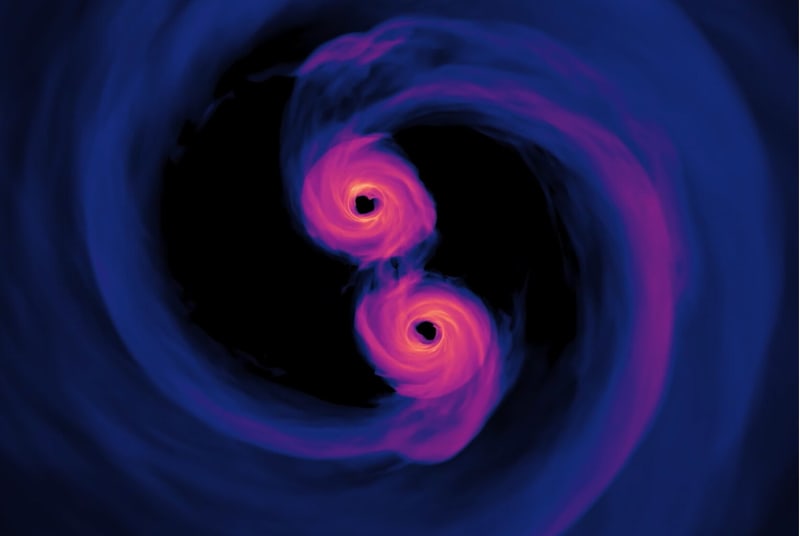
Scientists Confirm Star Explosions That Leave Nothing Behind
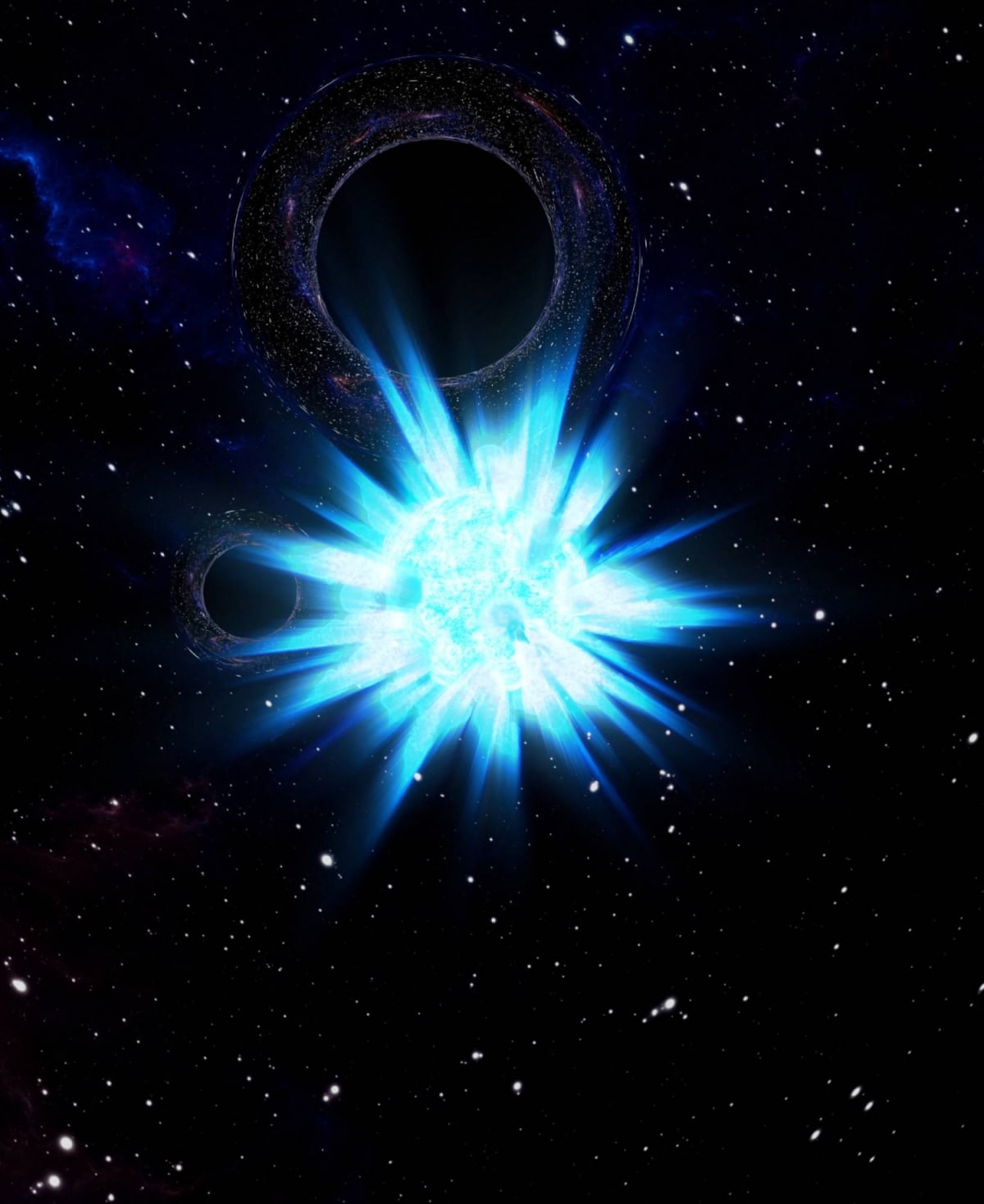
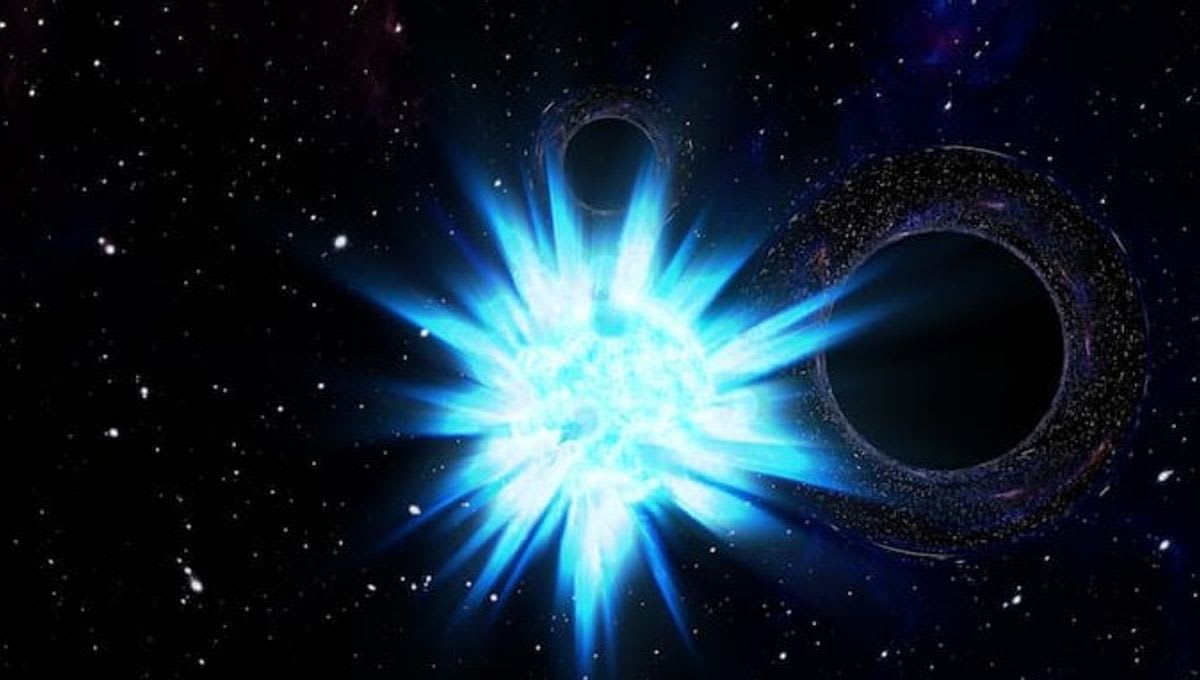
For 60 years, scientists theorized that the universe's biggest stars could explode so powerfully they vanish completely. New research using gravitational waves just proved they were right.
Find uplifting stories about heroes, innovations, and solutions
12 results for "gravitational waves"
For 60 years, scientists theorized that the universe's biggest stars could explode so powerfully they vanish completely. New research using gravitational waves just proved they were right.

Gravitational wave data reveals proof of rare supernovae so powerful they completely vaporize stars without leaving black holes behind. The discovery helps explain a mysterious gap in black hole sizes across the cosmos.

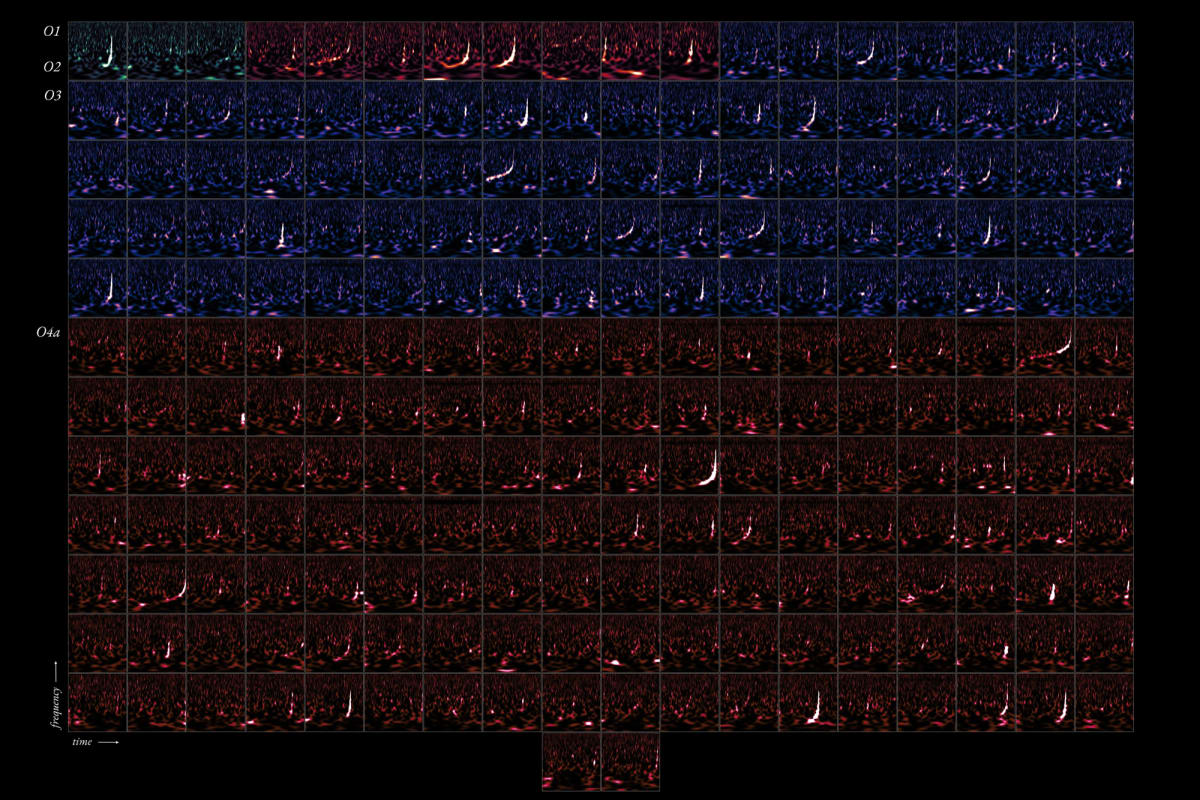
Astronomers have more than doubled their catalog of gravitational waves, detecting 218 cosmic events from colliding black holes and neutron stars across the universe. These spacetime ripples are revealing secrets about how massive celestial objects form and evolve, opening an entirely new way to study the cosmos.

Researchers discovered how to decode gravitational waves from colliding neutron stars, potentially revealing exotic matter that hasn't existed since moments after the Big Bang. The breakthrough could unlock secrets about the universe's earliest moments. ---

A global network of observatories just detected 128 new cosmic collisions in nine months, revealing the universe echoes with far more black hole mergers than scientists ever imagined. The discoveries include the heaviest collision ever recorded and strange new types of cosmic smash-ups.

Researchers discovered how to use gravitational waves to solve one of physics' biggest mysteries: why we get different answers when measuring how fast the universe is growing. This breakthrough could finally end the decade-long "Hubble tension" debate.

Scientists captured the clearest gravitational wave signal in history from two colliding black holes 1.3 billion light-years away, proving Einstein's century-old theory with stunning accuracy. The breakthrough opens new doors for understanding the universe's deepest mysteries.

Astronomers discovered two supermassive black hole binaries and named them Gondor and Rohan after the iconic Lord of the Rings locations. The discovery uses a groundbreaking technique that could map cosmic collisions across the universe.
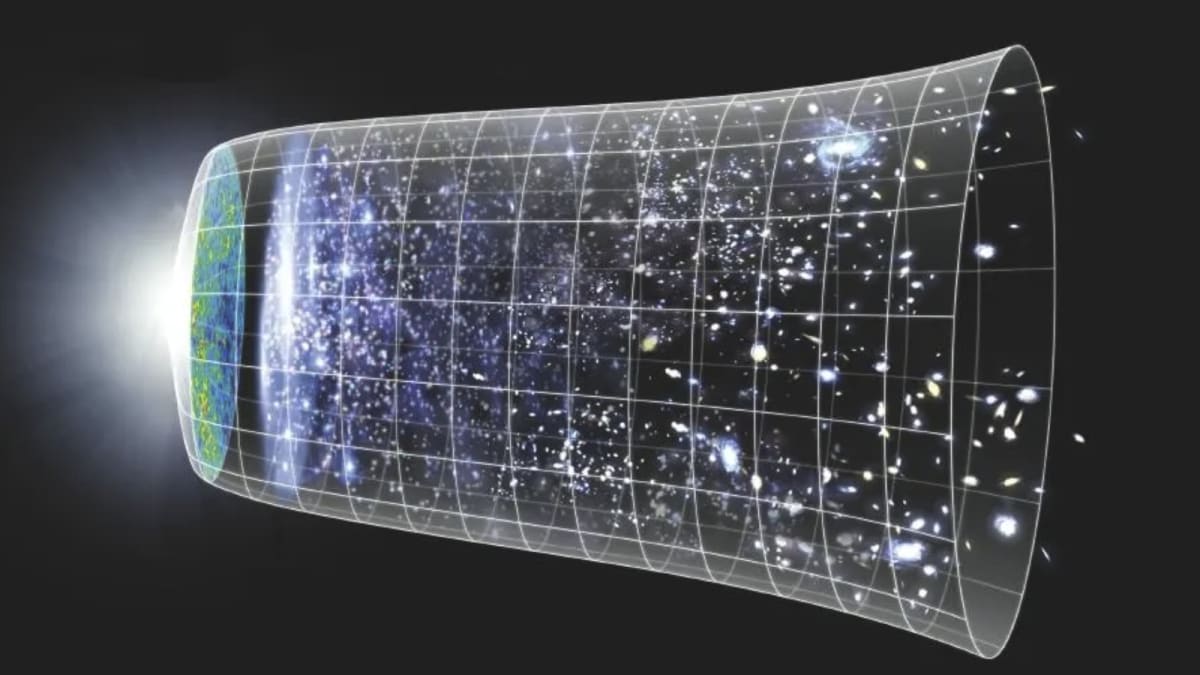
Scientists just captured the clearest gravitational wave ever detected, putting Einstein's century-old theory through its toughest test yet. The cosmic signal from colliding black holes confirmed predictions with stunning precision.

Scientists used the loudest gravitational wave signal ever detected to test Einstein's 100-year-old theory of gravity—and it passed with flying colors. The crystal-clear signal came from two black holes colliding 1.3 billion light-years away.

Scientists captured the clearest gravitational wave signal ever recorded and used it to test Einstein's 100-year-old theory of gravity. The result? He was right again.
Astrophysicists just created the first detection system that uses gravitational waves to locate merging black holes across the universe, opening a revolutionary new way to explore space. The breakthrough already identified two supermassive black hole pairs nicknamed after Lord of the Rings locations.