Search

Find uplifting stories about heroes, innovations, and solutions

5 results for "historic launch"

America Sends 4 Astronauts Around the Moon in April
InnovationApr 2

America Sends 4 Astronauts Around the Moon in April

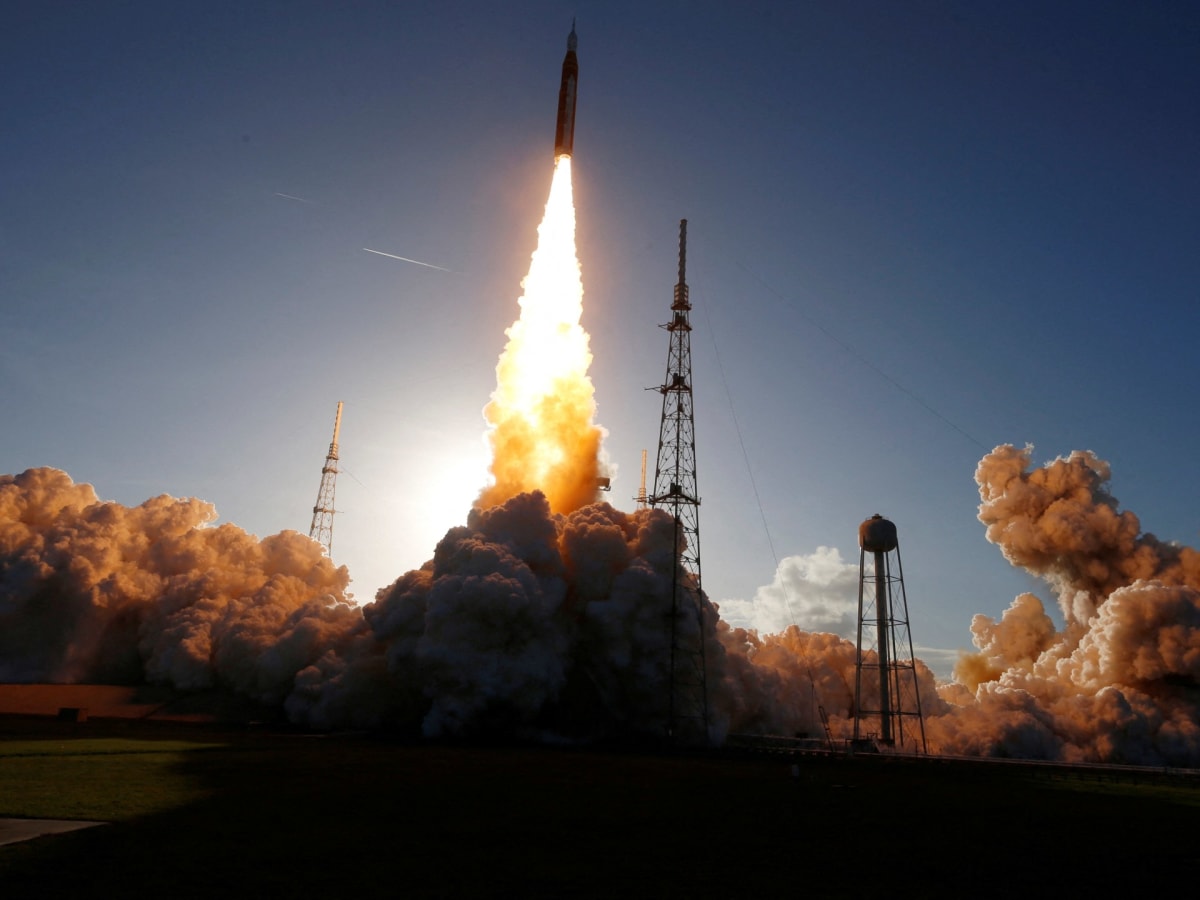
For the first time in over 50 years, NASA's Artemis II mission will send four astronauts on a 10-day journey around the moon. This historic launch marks America's bold return to deep space exploration and sets the stage for future missions to Mars.

Fox News Opinion2 min read
NASA's Artemis II Launches 4 Astronauts Toward the Moon
Community HeroesApr 2

NASA's Artemis II Launches 4 Astronauts Toward the Moon

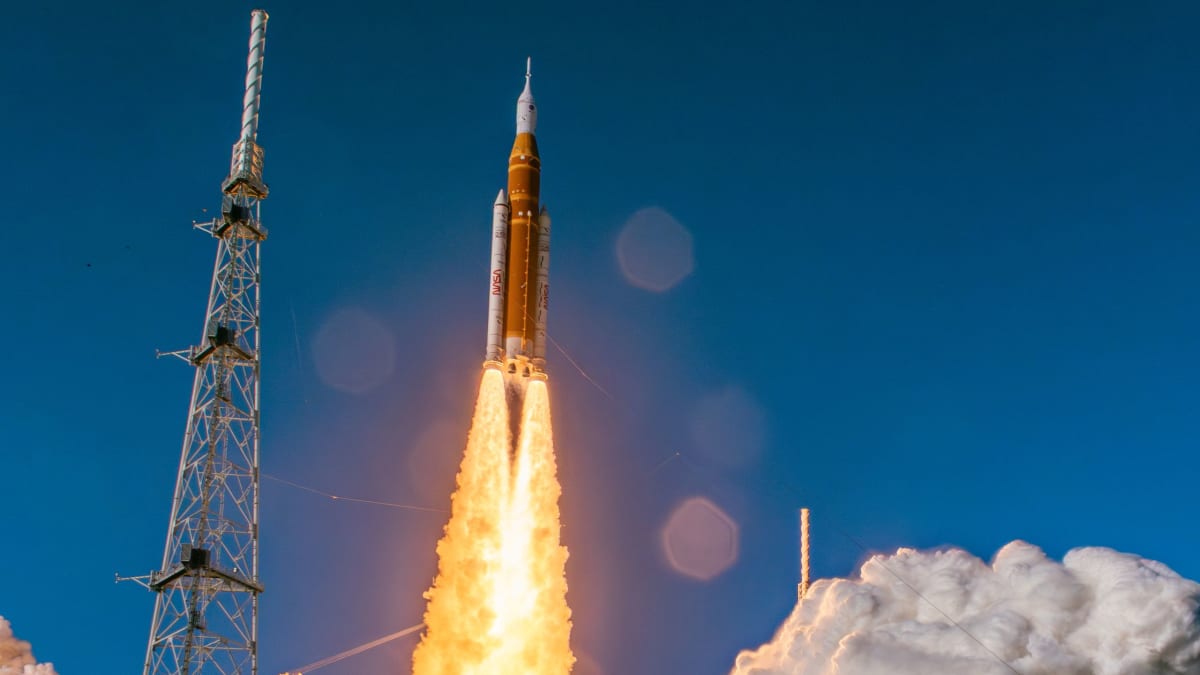
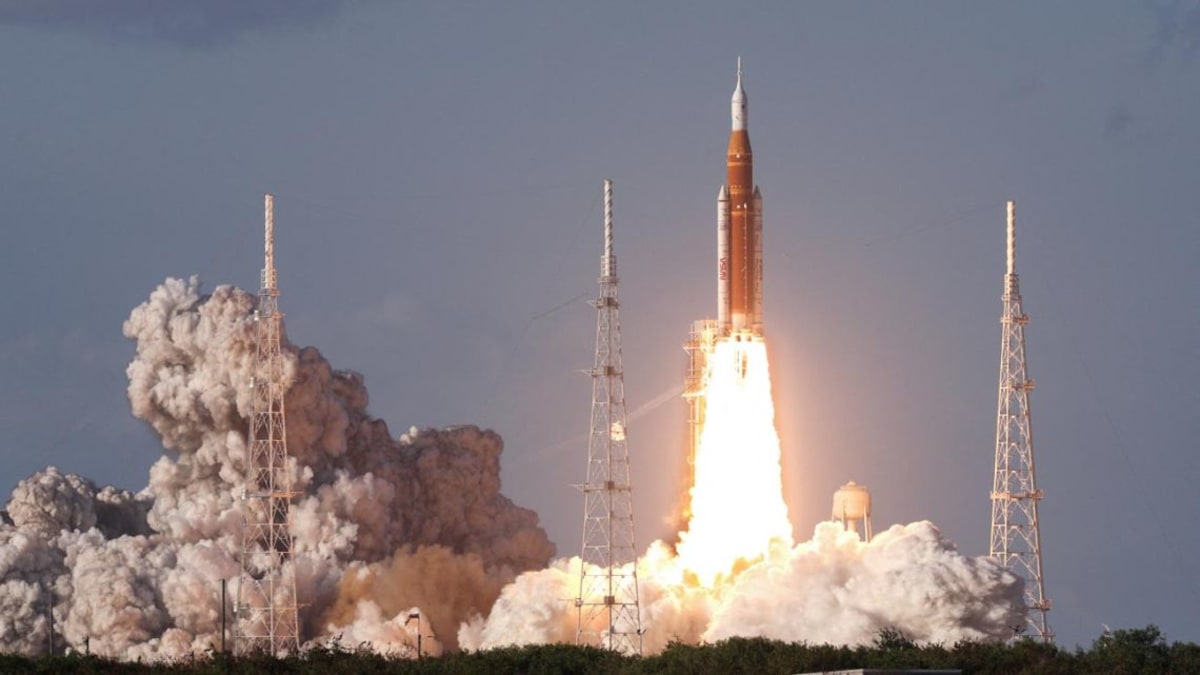
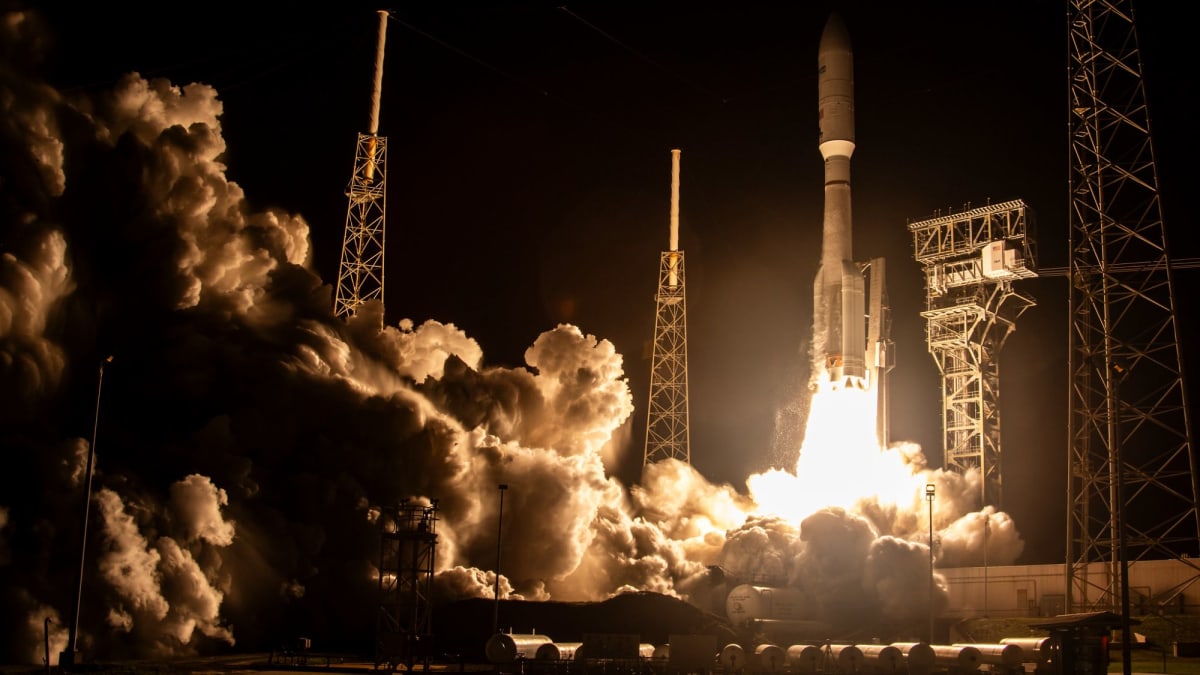
For the first time in over 50 years, astronauts are heading back to the Moon after NASA's Artemis II rocket thundered into the Florida sky. The historic launch marks humanity's return to deep space exploration and brings us one step closer to eventually reaching Mars.

BBC Science2 min read
Four Astronauts Launch on First Lunar Flyby in 50 Years
Global NewsApr 2

Four Astronauts Launch on First Lunar Flyby in 50 Years

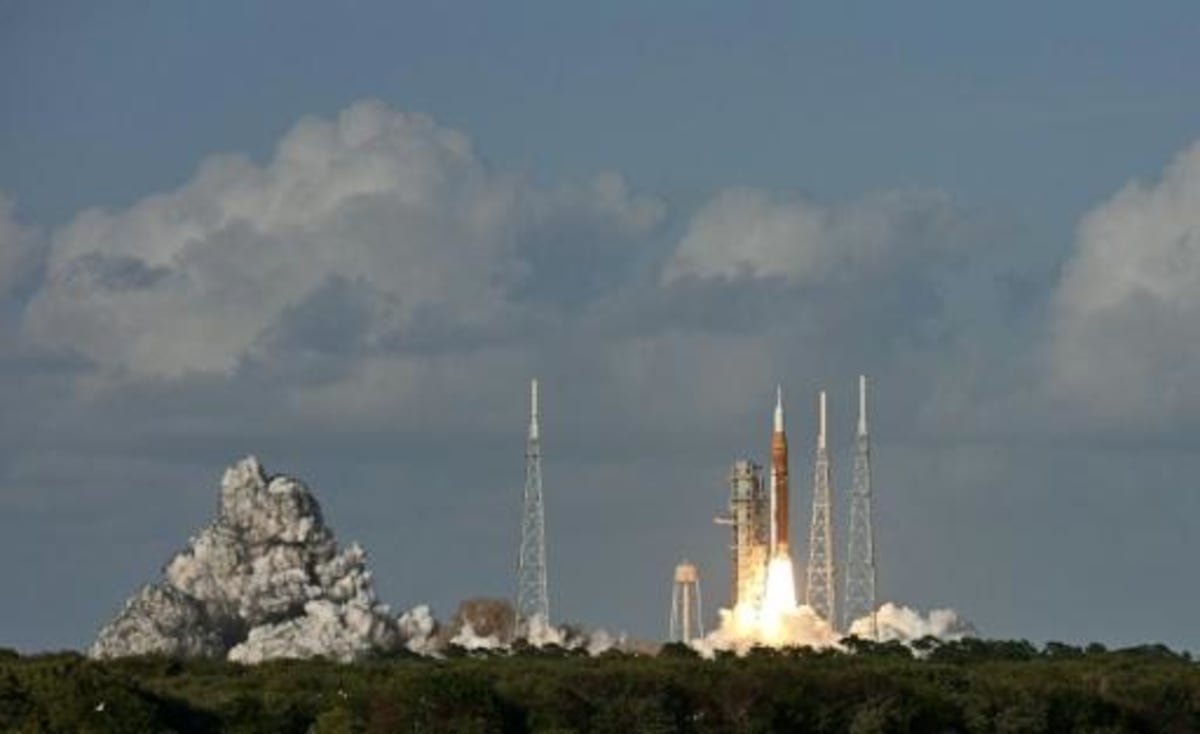
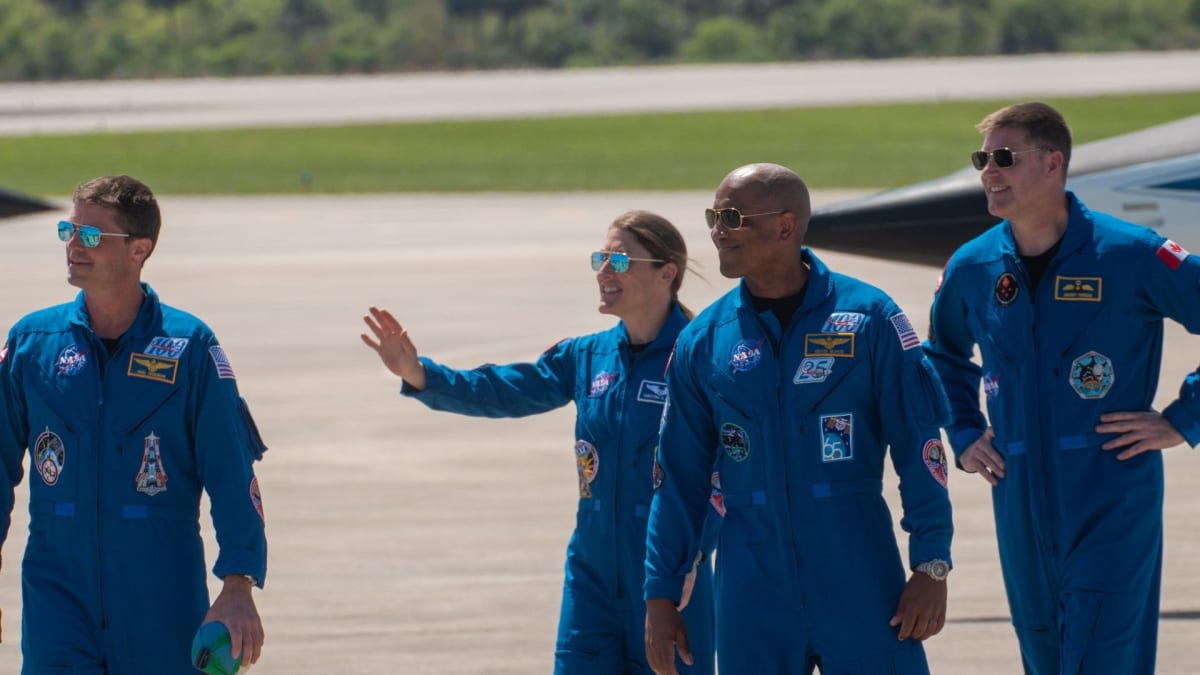
A crew of four astronauts blasted off Wednesday on humanity's first journey around the moon in over five decades, marking a giant leap forward in space exploration. The historic Artemis II mission carries the first woman, first person of color, and first non-American ever sent toward the moon.

Japan Today2 min read
NASA Launches 4 Astronauts to the Moon on April 1
InnovationMar 31

NASA Launches 4 Astronauts to the Moon on April 1

Tomorrow, four astronauts will launch around the moon on Artemis 2, marking humanity's first crewed lunar mission in over 50 years. No joke—NASA's historic launch just happens to fall on April Fools' Day.

Space.com2 min read
NASA Begins Countdown for First Moon Crew in 50 Years
InnovationFeb 1

NASA Begins Countdown for First Moon Crew in 50 Years

Four astronauts are preparing to circle the moon as NASA conducts final tests on humanity's first lunar crew mission since 1972. If fueling tests succeed this week, the historic launch could happen as early as February 8.

Phys.org2 min read