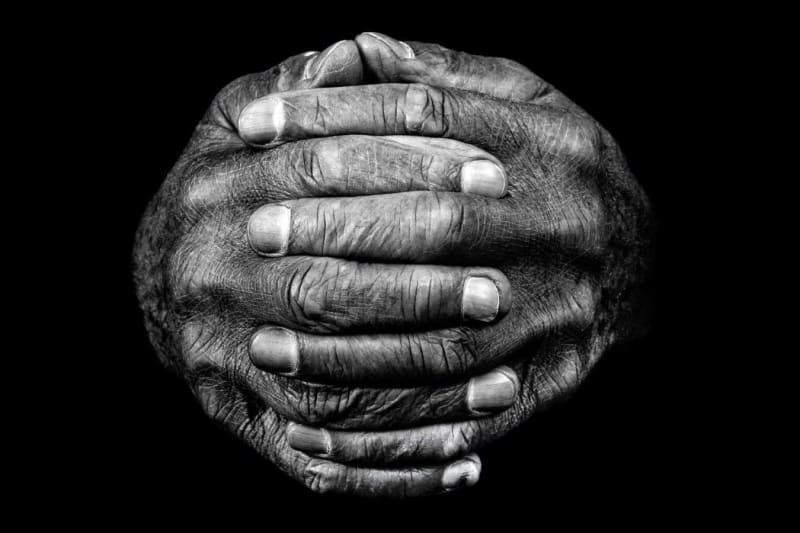
Scientists Finally Solve Mystery of Human Hand Evolution
New fossil discoveries reveal how our uniquely powerful thumbs helped make us human. The evolution of our hands may be just as important as our big brains in shaping who we became.
Find uplifting stories about heroes, innovations, and solutions
14262 results for "human evolution"
New fossil discoveries reveal how our uniquely powerful thumbs helped make us human. The evolution of our hands may be just as important as our big brains in shaping who we became.

The largest study of ancient human DNA reveals that human evolution has dramatically accelerated since farming began, reshaping everything from disease resistance to physical appearance. Scientists found nearly 500 gene variants that changed through natural selection as our ancestors adapted to revolutionary lifestyle changes.

Scientists discovered ancient human ancestor fossils in Morocco dating back 800,000 years, revealing that North Africa played a central role in human evolution. The findings are transforming our understanding of how early humans lived, worked, and mourned their dead.
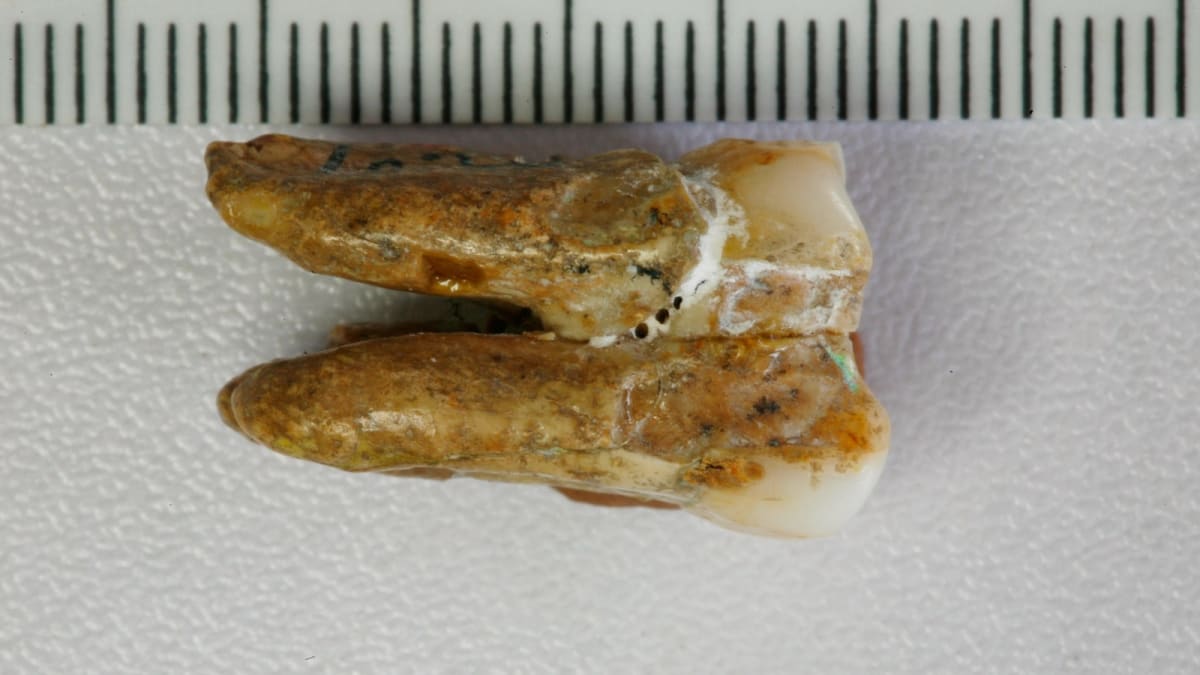
Scientists extracted proteins from 400,000-year-old teeth and discovered evidence that our ancient ancestor Homo erectus may have interbred with other human relatives, passing genes that still exist in some people today. This breakthrough shows how modern humans carry traces of ancestors who walked the Earth hundreds of thousands of years ago.
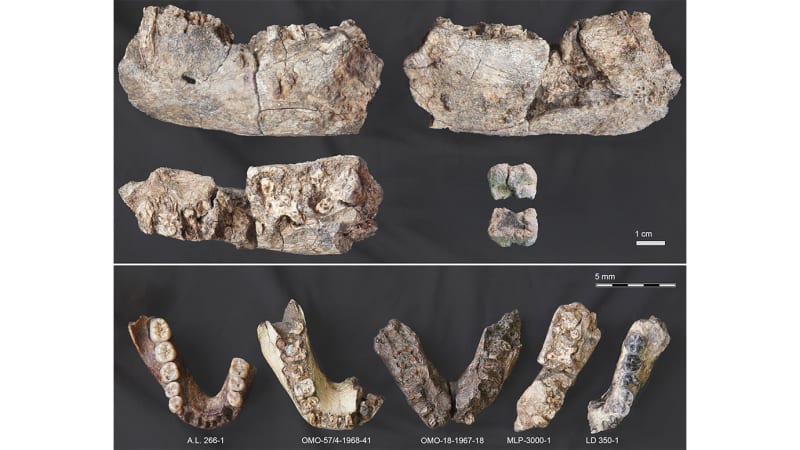
Scientists discovered a 2.6-million-year-old jaw in Ethiopia that's changing everything we thought we knew about our ancient cousins. The find proves an entire branch of the human family tree was far more adaptable than anyone imagined.
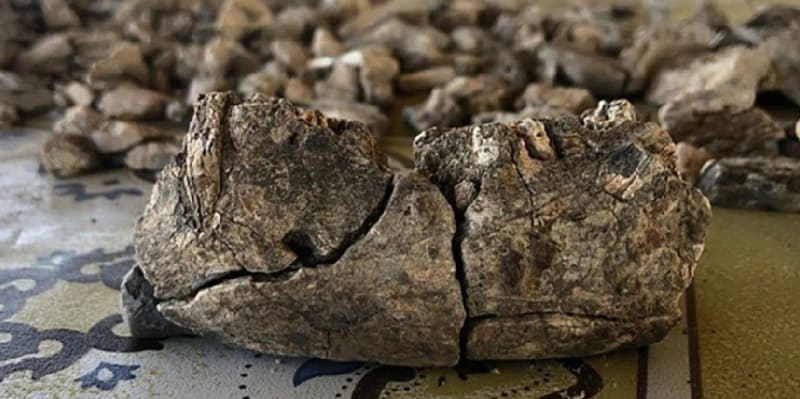
A fossil jaw discovered 1,000 kilometers north of any known relative has scientists rethinking where ancient humans roamed across Africa. The 2.6 million-year-old find from Ethiopia finally solves a decades-old mystery about our evolutionary cousins. #
%2Fhttps%3A%2F%2Ftf-cmsv2-smithsonianmag-media.s3.amazonaws.com%2Ffiler_public%2Fca%2F13%2Fca138db3-4483-4887-b456-3a6a0025a2dc%2Fsei_290855396jpg.webp)
Paleontologists in Egypt's northern desert discovered 17-million-year-old ape jaw fossils that could change where scientists believe humans' ancestors first evolved. The new species, found where only monkey remains had been discovered before, closely resembles predictions of what our common ancestor looked like.

Scientists analyzing fossilized teeth from Ethiopia are revealing how our early ancestors adapted and thrived through dramatic environmental changes. These tiny time capsules are rewriting our understanding of human resilience and flexibility.
A new method has revealed that all living humans carry DNA from a mysterious extinct human group that interbred with our ancestors before they left Africa. The discovery rewrites our understanding of human evolution and proves we're connected to relatives we've never even found fossils for.
Scientists discovered fossils showing two different human ancestor species shared the same landscape in Ethiopia nearly 3 million years ago. The find proves human evolution wasn't a simple progression but a complex family tree with multiple relatives living side by side.

Scientists discovered that male Neanderthals and female humans formed most ancient relationships, solving a 20-year genetic mystery. The finding reveals how social choices shaped human evolution.
Scientists in Ethiopia discovered that two different human ancestor species shared the same landscape nearly 3 million years ago, proving evolution wasn't a straight line from ape to human. The finding reveals our family tree looked more like a crowded neighborhood than a neat progression.
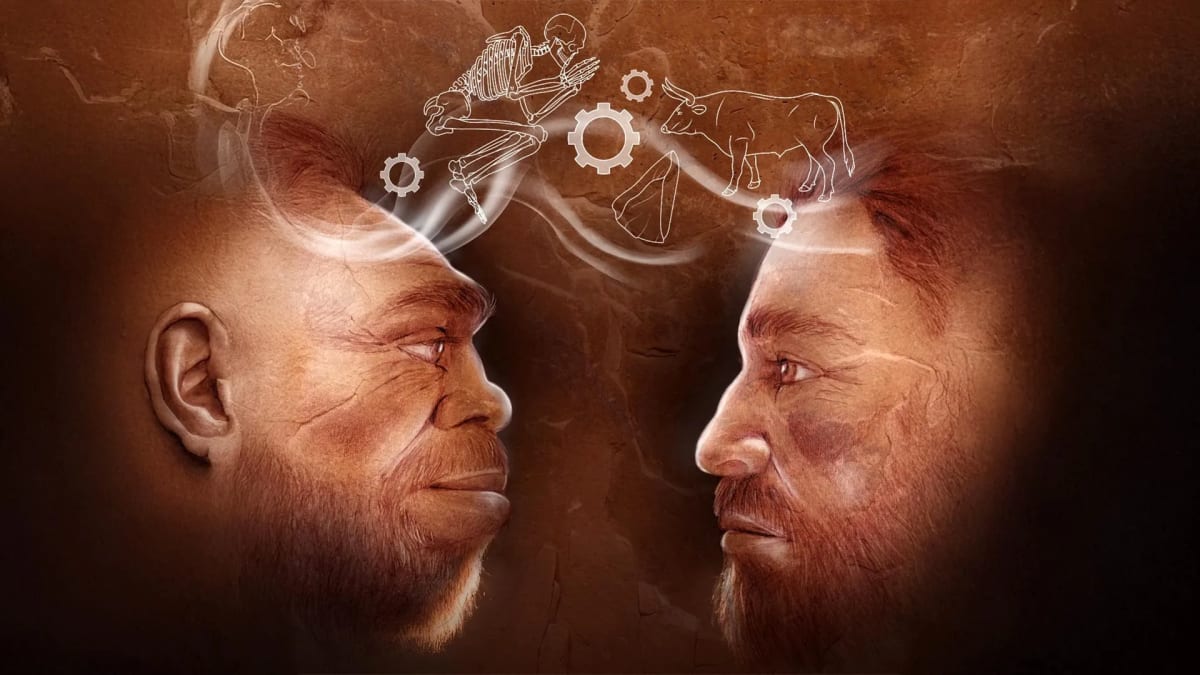
New discoveries at an Israeli cave reveal that Neanderthals and early humans didn't just coexist—they collaborated, shared tools, and even buried their dead together. This groundbreaking find rewrites our understanding of human evolution as a story of cooperation, not competition.
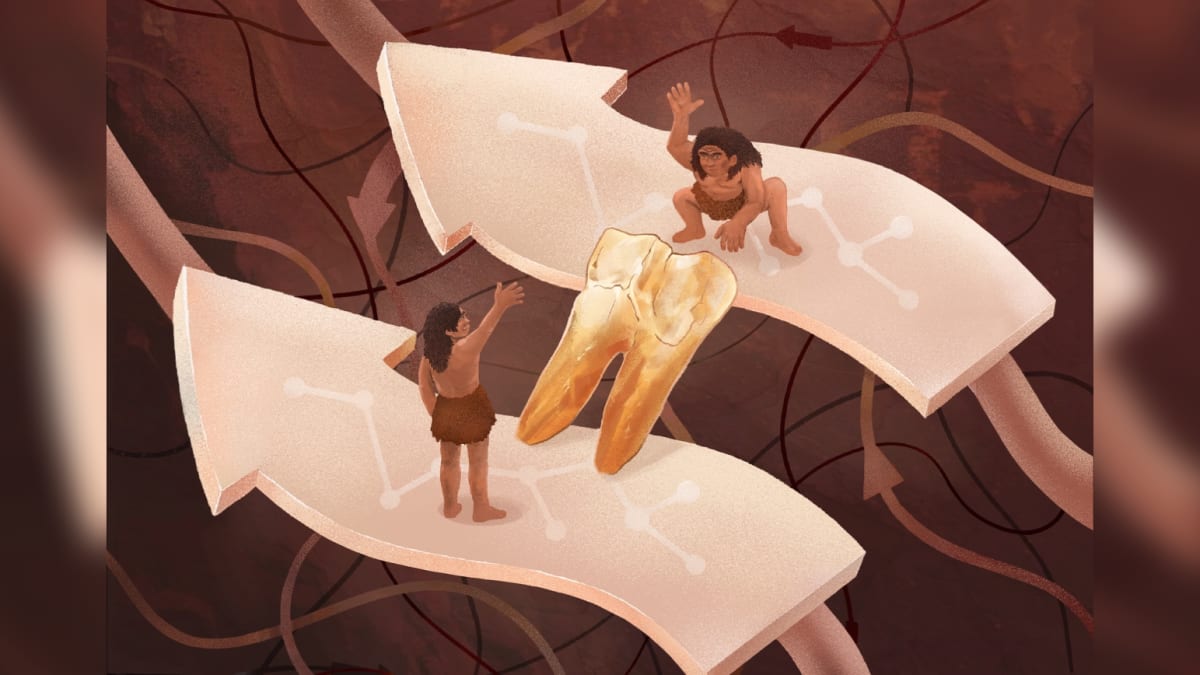
For the first time ever, researchers have sequenced genetic material from Homo erectus fossils, revealing surprising connections between our ancient ancestors and modern humans. The breakthrough opens a new window into human evolution using proteins that survive far longer than DNA.
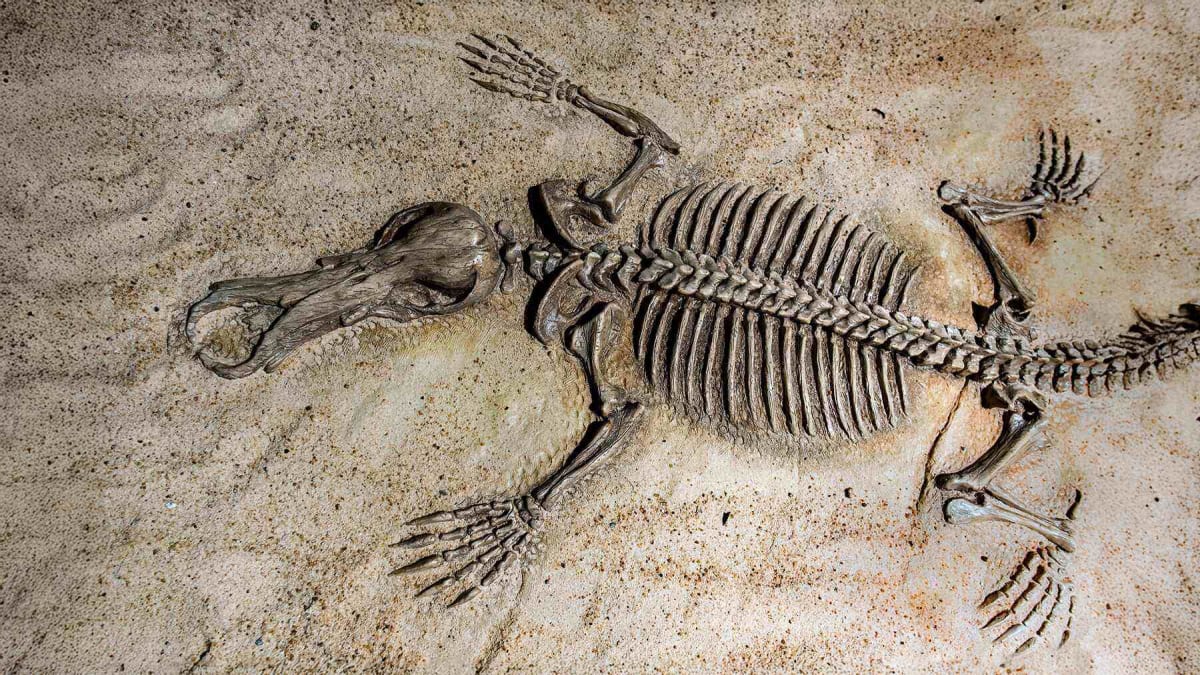
A 17-million-year-old ape fossil discovered in Egypt suggests scientists may have been searching for our earliest ancestors in the wrong part of Africa. The find challenges decades of research focused on East Africa and opens new paths for understanding human evolution.
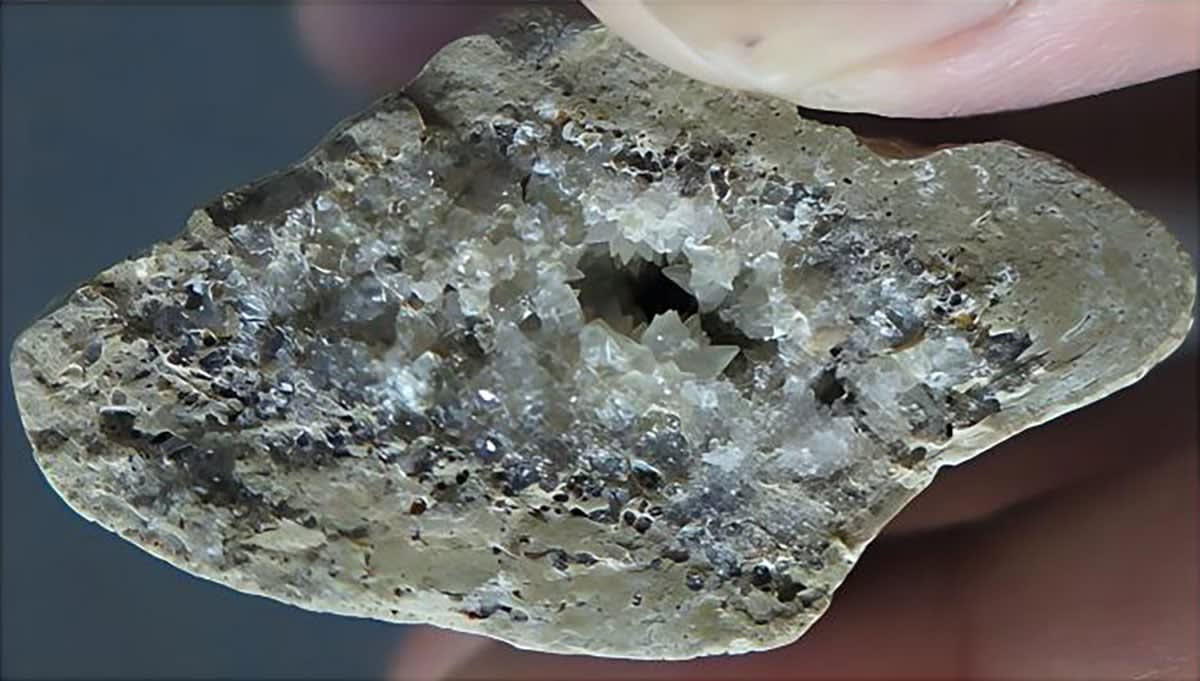
Ancient humans in China crafted sophisticated stone tools during a brutal ice age, proving creativity thrives under pressure. The discovery rewrites what we thought we knew about early human innovation.

New research reveals that eating carrion wasn't a desperate survival tactic but a brilliant strategy that shaped human evolution. Our ancestors thrived by using tools, fire, and teamwork to safely extract nutrients from animal carcasses.

Scientists discovered that prenatal estrogen, reflected in finger length ratios, may have driven human brain evolution. The surprising finding explains why boys exposed to higher estrogen levels before birth develop larger heads and brains.
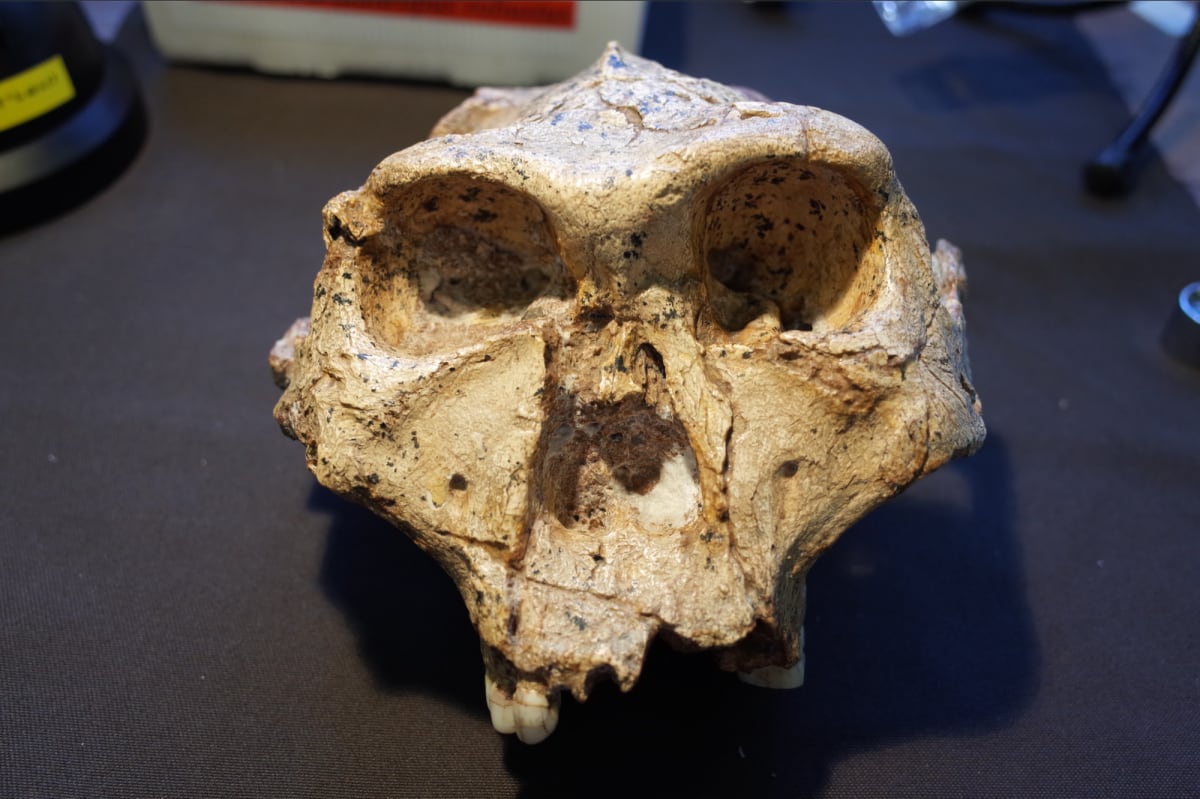
New research suggests our ancient relatives like Australopithecus and Paranthropus should be reclassified as part of the Homo genus, potentially uniting 4 to 5 million years of human evolution under one family name. The proposal aims to fix outdated labels that no longer match what fossils actually reveal about our ancestry.
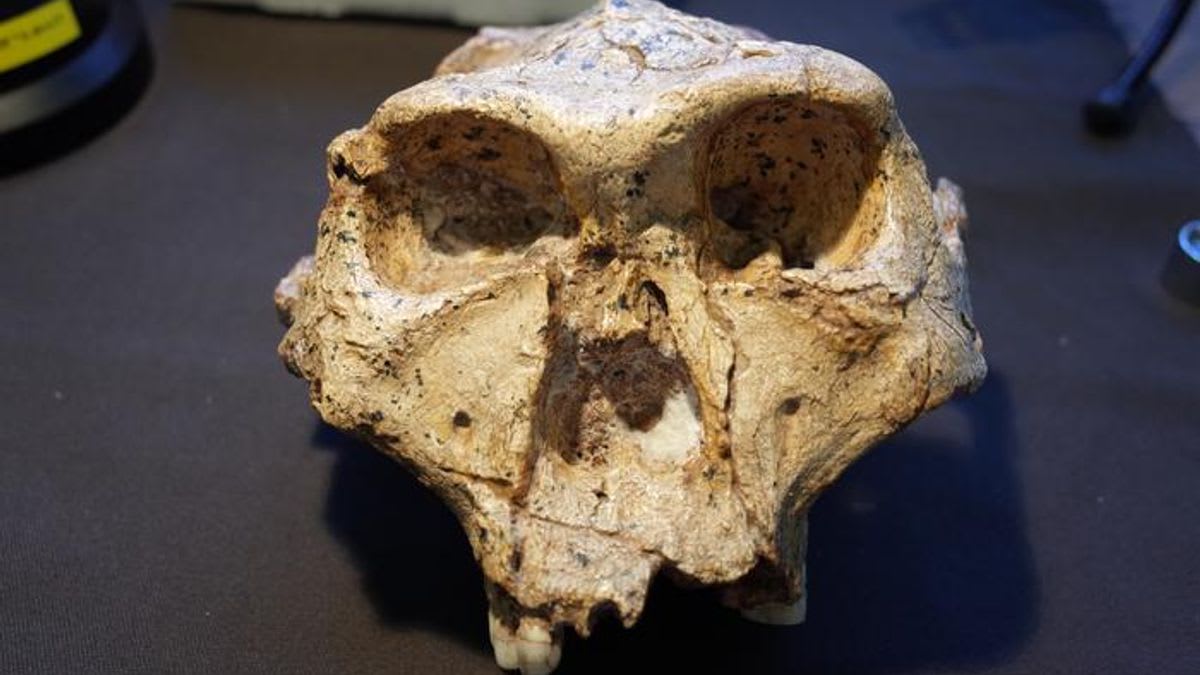
New research reveals our evolutionary history wasn't a straight line from apes to humans. Scientists are rethinking how we classify our ancient relatives as discoveries show they were more sophisticated than we believed.
Showing 20 of 14262