
MIT Reveals 35 Young Scientists Changing the World
MIT Technology Review is unveiling 35 Innovators Under 35 from around the globe who are solving big problems in science and technology. Past honorees include AMD's Lisa Su and Spotify's Daniel Ek.
Find uplifting stories about heroes, innovations, and solutions
20301 results for "mit technology"
MIT Technology Review is unveiling 35 Innovators Under 35 from around the globe who are solving big problems in science and technology. Past honorees include AMD's Lisa Su and Spotify's Daniel Ek.
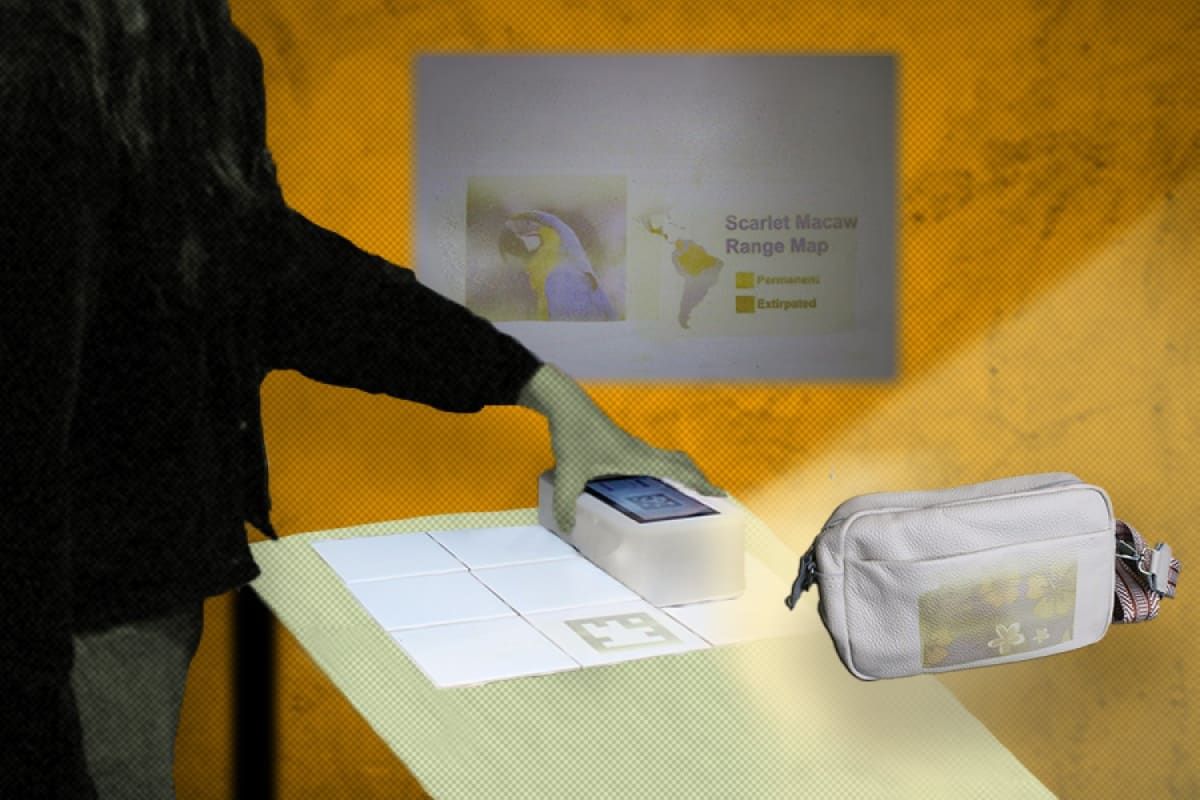
MIT researchers created a portable stamp that lets you print high-resolution designs onto clothes, walls, and bags in 15 minutes. The ChromoLCD device uses special light technology to transform everyday items into customizable canvases.

MIT Technology Review has revealed its 2026 list of 35 young innovators tackling the world's toughest challenges with groundbreaking solutions. From AI breakthroughs to climate fixes, these scientists and engineers are building a brighter future.
Scientists at MIT have shattered a decades-old barrier in microscopy, creating a technology that sees molecular structures 1,000 times clearer than traditional methods while making the whole process simpler and cheaper. The breakthrough could revolutionize how researchers worldwide study diseases and develop treatments.

MIT has appointed Tomás Palacios to lead groundbreaking research that will develop next-generation protection and sensing technology for U.S. soldiers. The electrical engineering expert brings a track record of turning laboratory discoveries into real-world innovations that save lives.
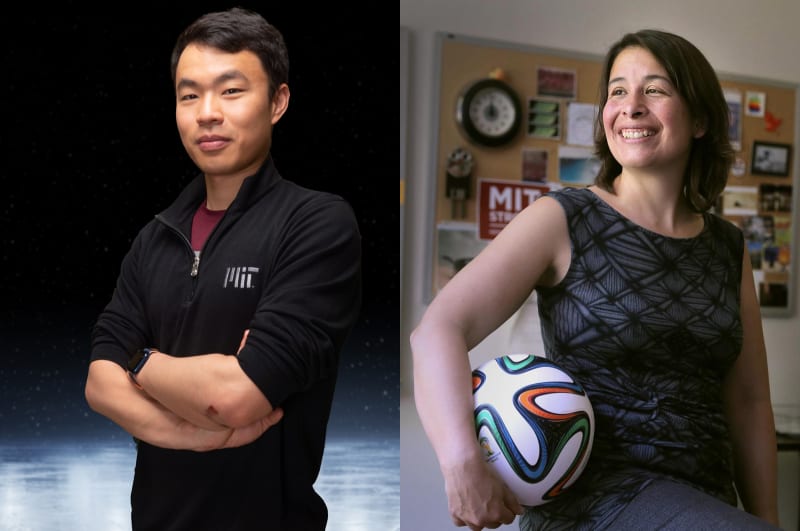
MIT researchers developed an AI system that analyzes figure skaters' jumps and tells them exactly how to improve. Team USA athletes are already using the technology to land more difficult jumps with better form.
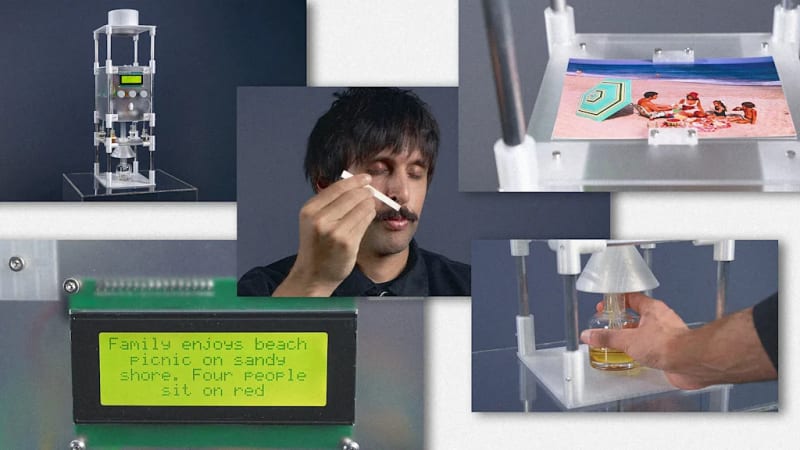
Scientists at MIT created a device that transforms old photographs into custom fragrances, letting you smell memories you've never actually experienced. The AI-powered invention explores how technology might help us connect with the past in entirely new ways.

MIT researchers created technology that lets people understand why autonomous vehicles make decisions, helping passengers predict and prevent accidents. Real-world tests show it works.
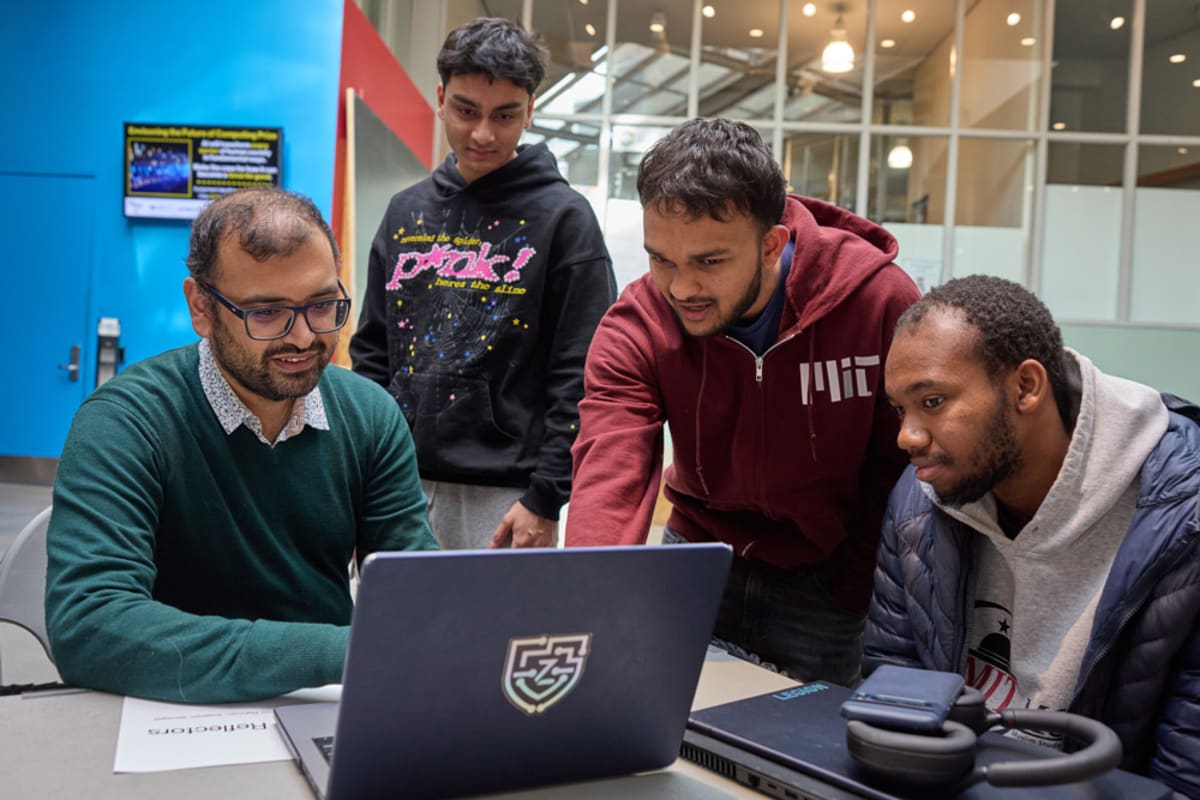
Two MIT professors created a groundbreaking class where computer science students learn to design chatbots that help young people grow socially confident instead of becoming addicted. The course combines anthropology and coding to make technology more humane.
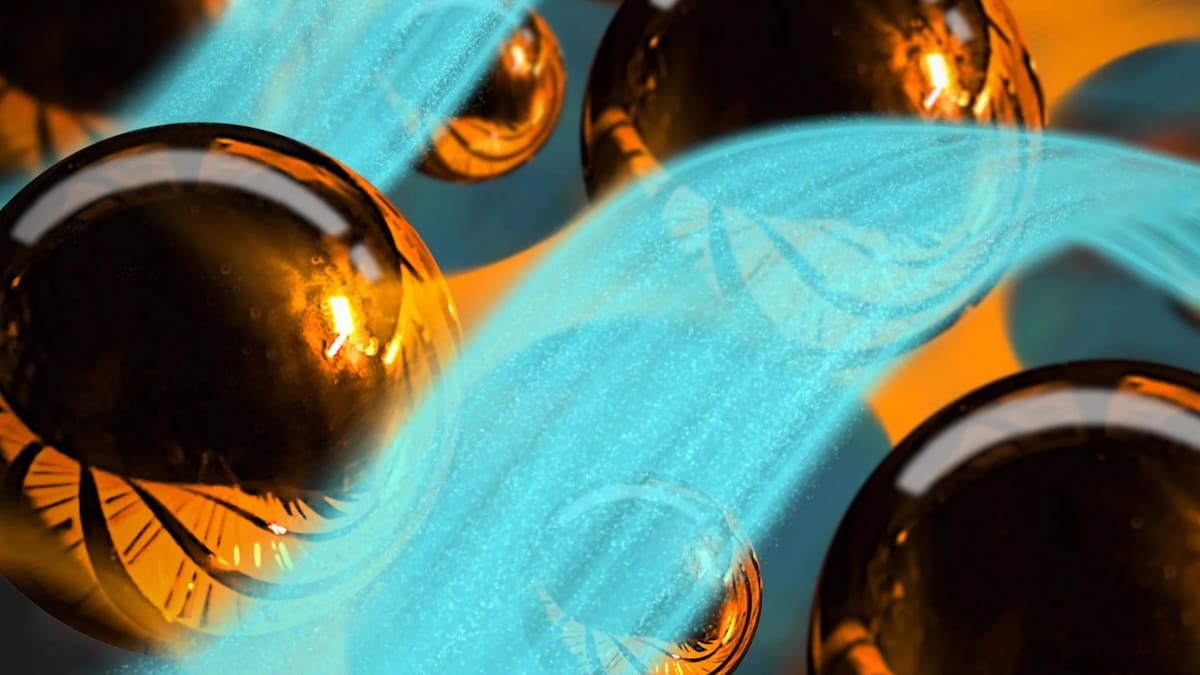
MIT physicists built a revolutionary terahertz microscope that reveals hidden quantum movements inside superconductors for the first time. This breakthrough could unlock room-temperature superconductors and faster wireless technology than anything we have today.

MIT researchers are developing satellite beacons that would create a GPS-like navigation system for spacecraft traveling between Earth and the moon. The technology could make lunar missions safer and more reliable for the growing wave of exploration ahead.
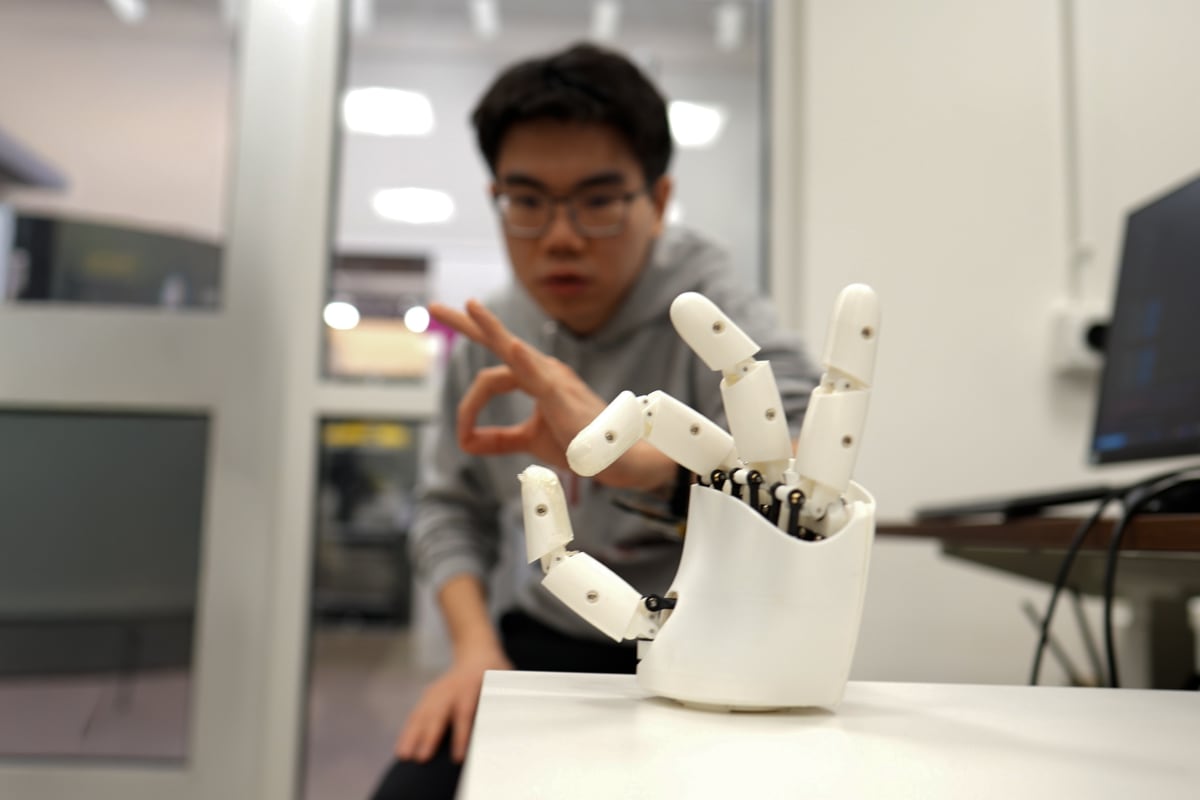
MIT engineers created a wristband that reads your wrist muscles with ultrasound, letting you control robotic hands and virtual objects just by moving your fingers. The device could revolutionize virtual reality, train surgical robots, and help people interact with technology more naturally.

MIT researchers are building a network of Arctic sensors to monitor melting ice and underwater sounds, helping scientists understand one of Earth's fastest-changing regions. Despite blizzards and minus 25-degree temperatures, the team successfully tested new technology that could revolutionize Arctic monitoring.
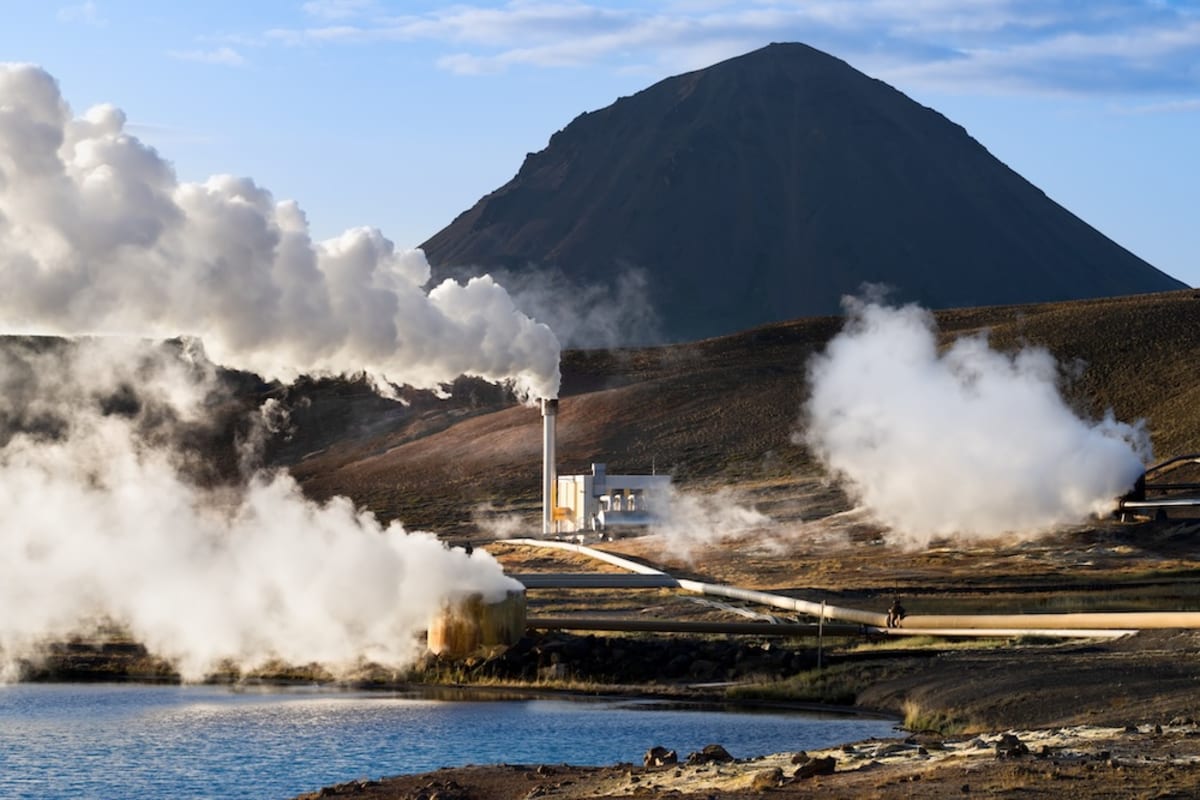
Scientists at MIT are pioneering technology to tap superhot underground rocks for clean electricity that never stops flowing. If costs keep dropping, geothermal energy could supply 15% of new global electricity demand by 2050.

A company born from MIT research just secured $36 million to bring energy-saving technology to refineries and chemical plants worldwide. Their filtration systems can slash energy use in industrial processes by up to 90%.

A Hong Kong health-tech company just ranked first among global sports giants at MIT's annual Sports Summit, showcasing fabric technology that could revolutionize how athletes stay cool. Their breakthrough approach absorbs sweat before it even forms beads on your skin.
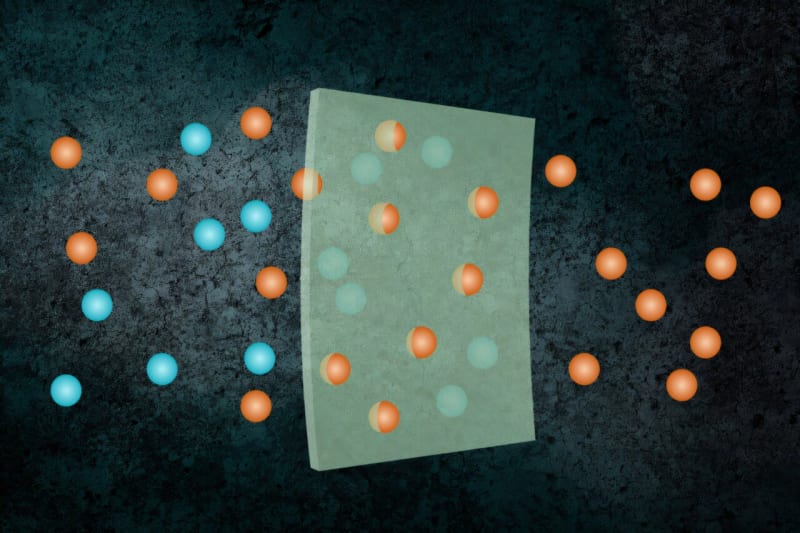
A startup born from MIT labs just created a breakthrough that could slash the chemicals industry's massive energy footprint. Their new membrane technology replaces heat-based processes that currently consume up to 15% of the world's total energy.
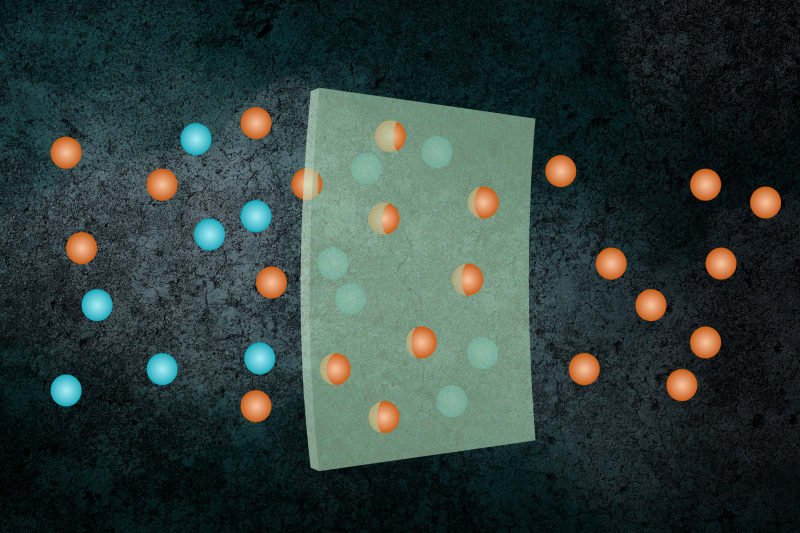
A new technology from MIT researchers could slash the energy used to make everyday chemicals and fuels by more than 90 percent. The innovation uses advanced filters instead of heat, potentially saving billions in energy costs and preventing 100 million tons of CO2 emissions annually.
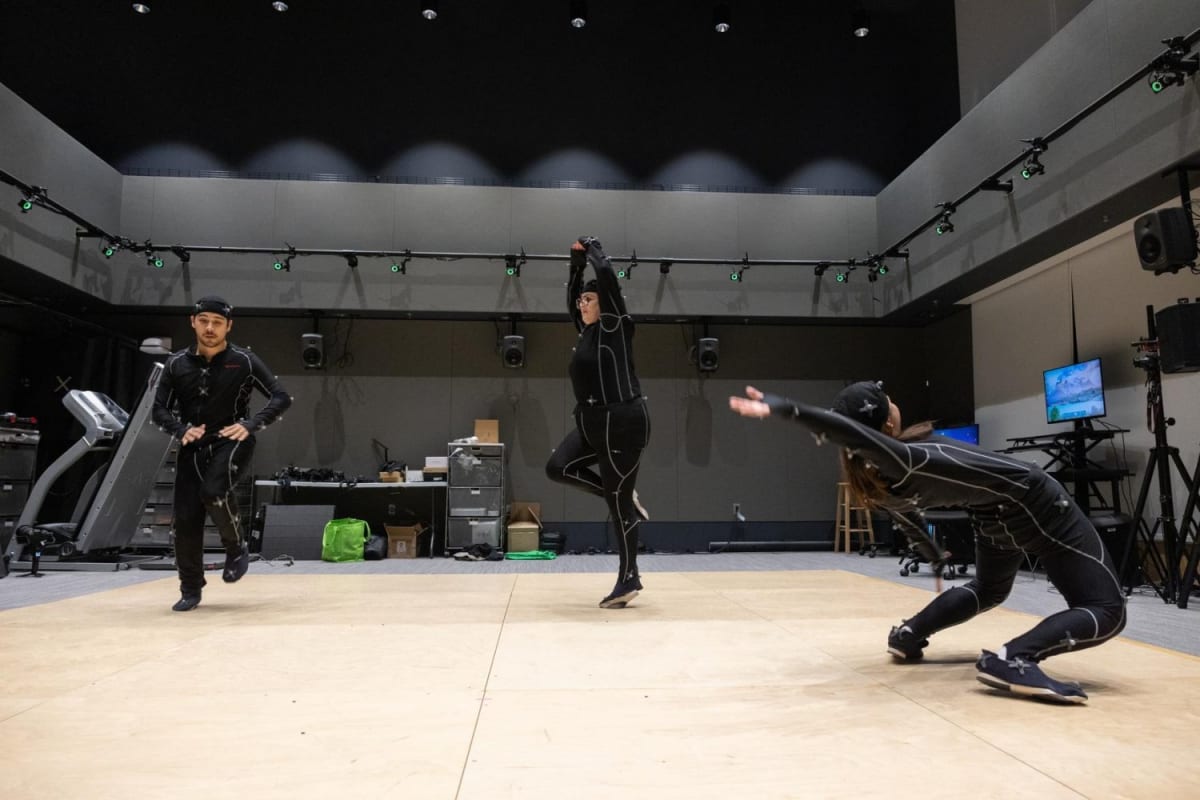
Film students from Emerson College are creating Hollywood-level special effects using MIT's cutting-edge motion capture technology. The partnership is giving future filmmakers hands-on experience with the same tools that brought movies like "Avatar" to life.
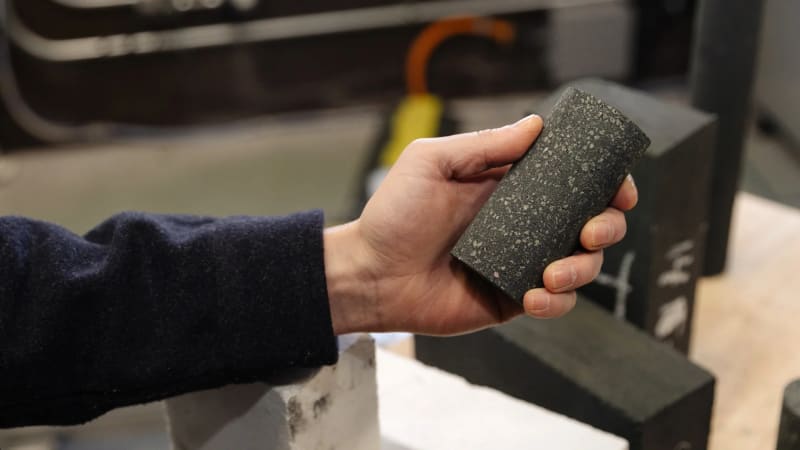
A new thermal battery from MIT can reach temperatures hot enough to make steel and cement while saving factories up to 30% on energy costs. The technology stores cheap renewable electricity in superheated bricks, making clean energy more affordable than natural gas for the first time.
Showing 20 of 20301