Search

Find uplifting stories about heroes, innovations, and solutions

5 results for "nautilus"

300-Million-Year-Old Fossil Gets New Identity After 24 Years
InnovationApr 14

300-Million-Year-Old Fossil Gets New Identity After 24 Years

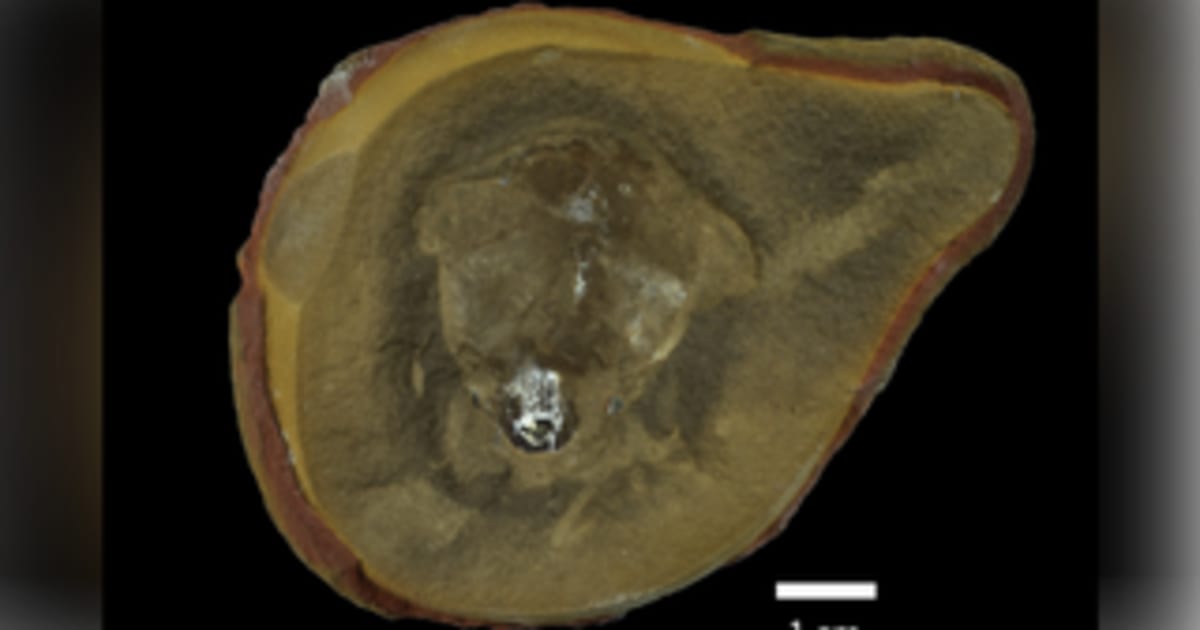
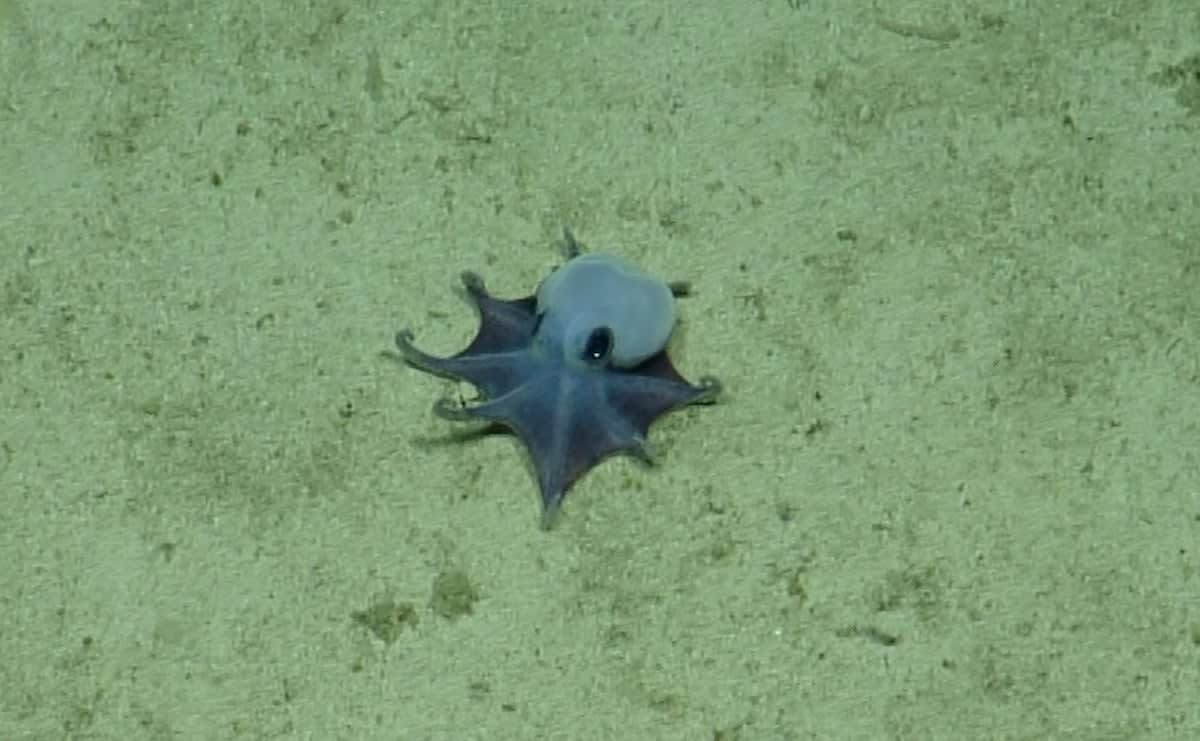
Scientists just corrected a 24-year-old mistake that rewrites ocean history. What was once celebrated as the world's oldest octopus turned out to be something completely different.

Fox News Travel2 min read
Hidden Teeth Rewrite 300-Million-Year Octopus History
Global NewsApr 13

Hidden Teeth Rewrite 300-Million-Year Octopus History

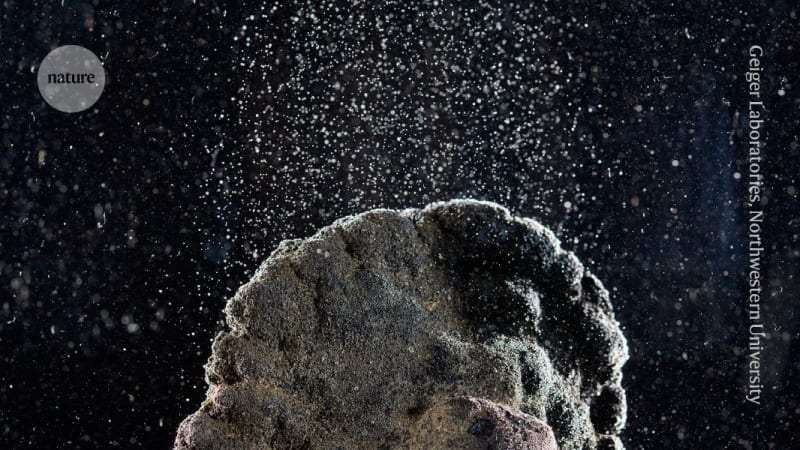
A fossil once thought to be the world's oldest octopus turned out to be something completely different after scientists found tiny teeth hidden inside. The discovery rewrites octopus history and reveals the oldest nautiloid soft tissue ever found.

Google News - Science2 min read
300-Million-Year-Old "Octopus" Was Never an Octopus
InnovationApr 9

300-Million-Year-Old "Octopus" Was Never an Octopus

A fossil that held the world record for the earliest known octopus just lost its title after new research revealed it's actually a nautilus relative. Scientists used cutting-edge imaging to solve a mystery that stumped researchers for over two decades.

Google News - World Record2 min read
Famous 'Oldest Octopus' Fossil Was Actually a Nautilus
InnovationApr 9

Famous 'Oldest Octopus' Fossil Was Actually a Nautilus

A 300-million-year-old fossil once crowned the world's earliest octopus has been revealed as an imposter. Scientists used advanced X-ray technology to discover the creature was actually a nautilus relative, rewriting our understanding of when octopuses first appeared.

Smithsonian2 min read
500-Million-Year-Old Nautilus Thrives in Ocean Depths
Planet WinsMar 15

500-Million-Year-Old Nautilus Thrives in Ocean Depths

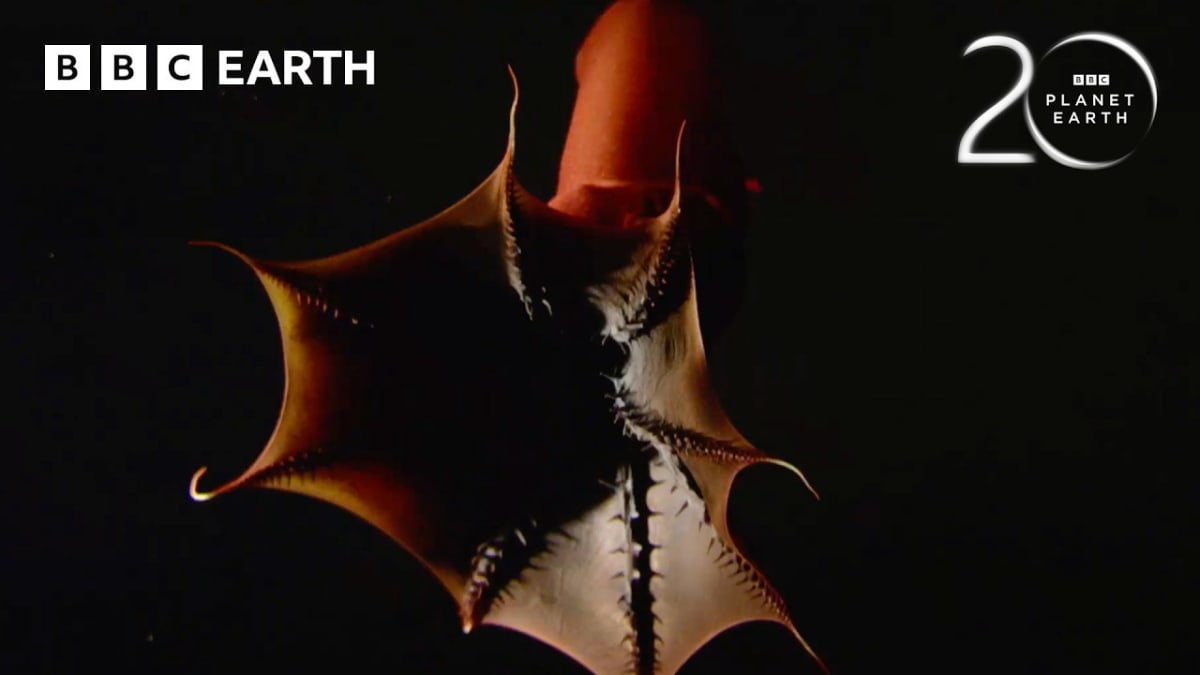
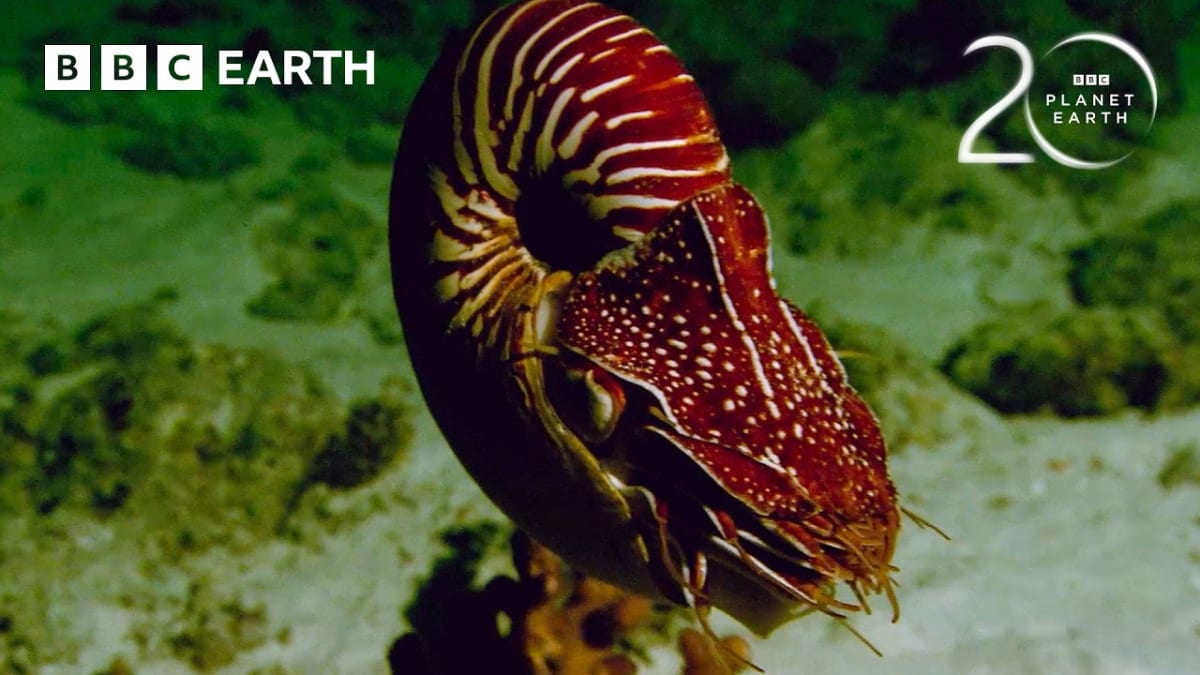
The chambered nautilus has survived for half a billion years using remarkable adaptations that let it navigate ocean depths most creatures can't reach. New BBC Earth footage captures this living fossil's nightly journey from the deep sea to shallow reefs.

BBC Earth2 min read