Japan's Birth Decline Slows to 2.2%, Births Rise in 30s
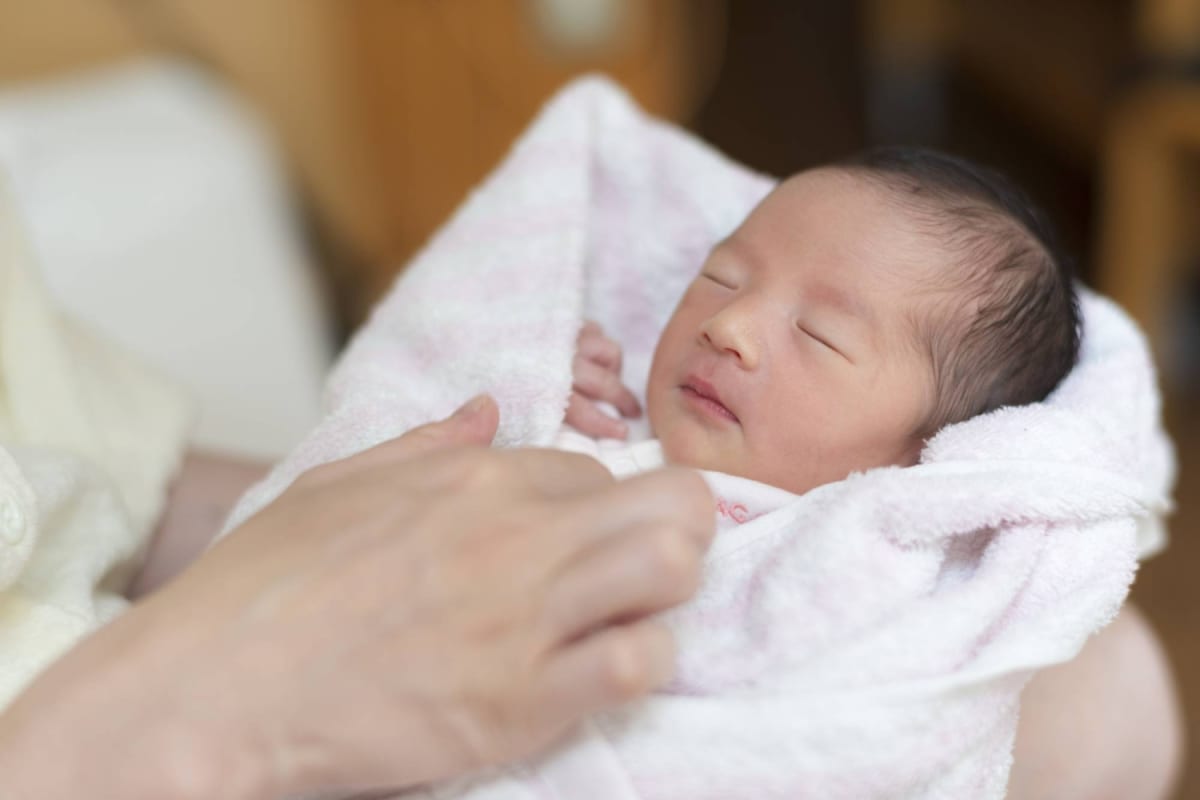
After years of steep population drops, Japan's birth rate decline has slowed dramatically. Even better, births among women in their thirties are actually rising for the first time in years.
Find uplifting stories about heroes, innovations, and solutions
1138 results for "premature birth"

After years of steep population drops, Japan's birth rate decline has slowed dramatically. Even better, births among women in their thirties are actually rising for the first time in years.

A premature newborn in Kenya became the first baby in the country to receive life-saving heart surgery just days after birth. The groundbreaking procedure at Kenyatta National Hospital means families no longer need to travel abroad for specialized infant heart care.
A culturally focused health program in Australia is helping Indigenous mothers give birth to healthier babies through personalized support and care. The Birthing on Country initiative keeps families together and communities strong during one of life's most important moments.

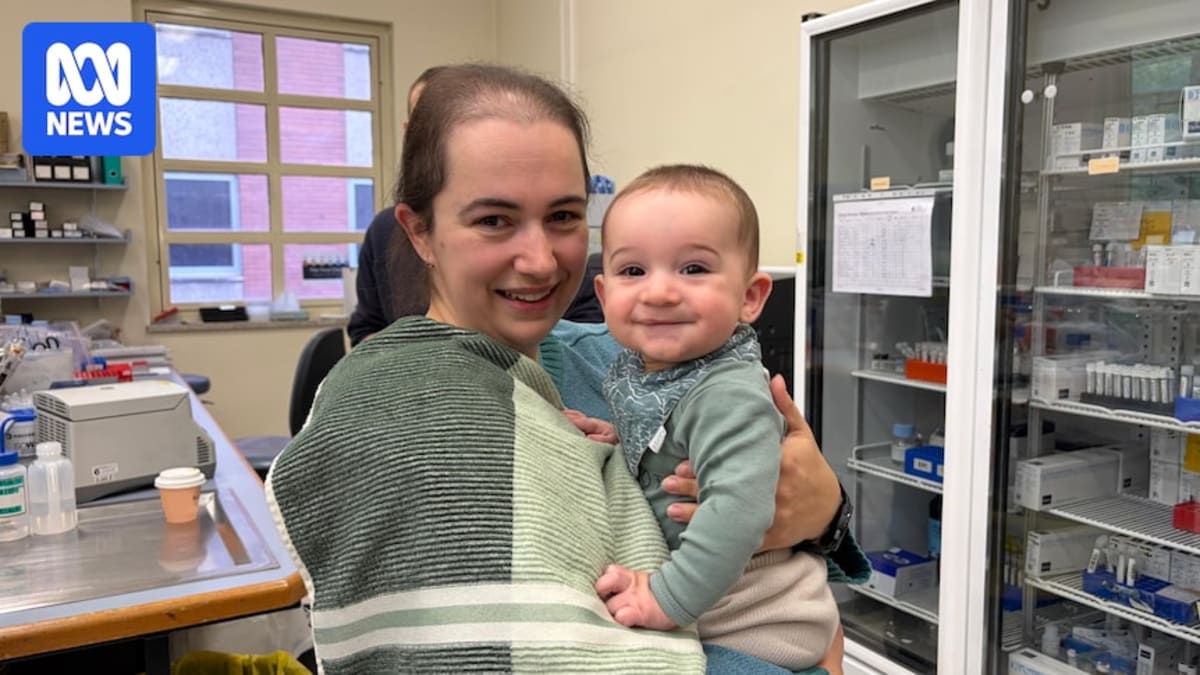
A massive US study tracking over 11 million births across two decades finds no link between fluoridated drinking water and birth weight, putting to rest safety concerns for pregnant women. The research offers reassurance about one of America's most widespread public health practices.

A viral video showed a father-to-be sitting and drinking water while his partner gave birth, sparking outrage online. A labor and delivery nurse explained why this moment actually showed he was a caring partner, not a careless one.
South Australian pregnant women will get free omega-3 blood tests starting June 1, a world-first program that could prevent early births for one in six mothers. Twenty years of research proved low omega-3 levels directly increase preterm birth risk.

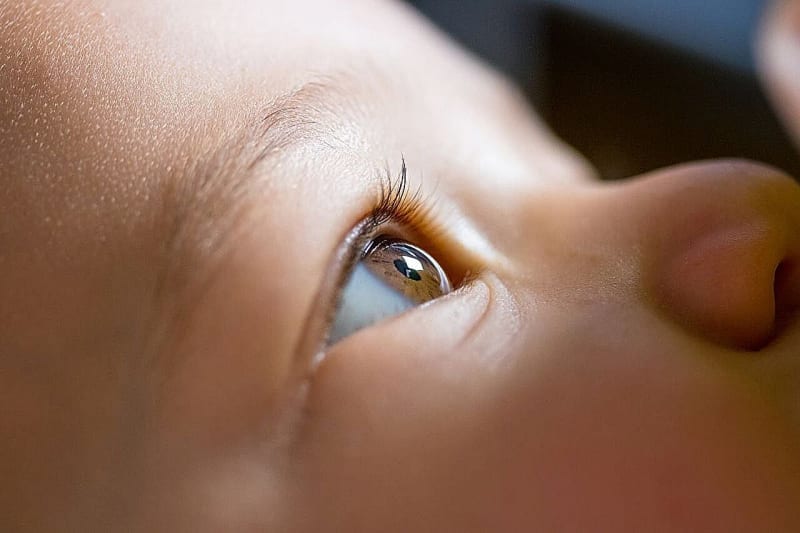
A new AI tool can predict serious lung problems in premature babies just by analyzing routine eye exam photos. The breakthrough could help doctors catch and treat breathing issues earlier, potentially saving tiny lives.

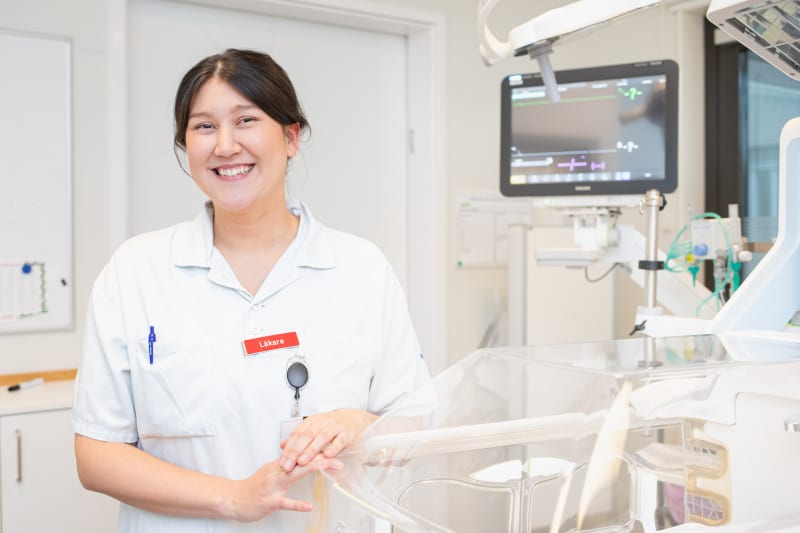
A breakthrough study from Sweden shows that giving extremely premature babies early hydrocortisone treatment dramatically increases their chances of surviving without lifelong lung disease. The simple, safe treatment could help thousands of the tiniest patients worldwide.

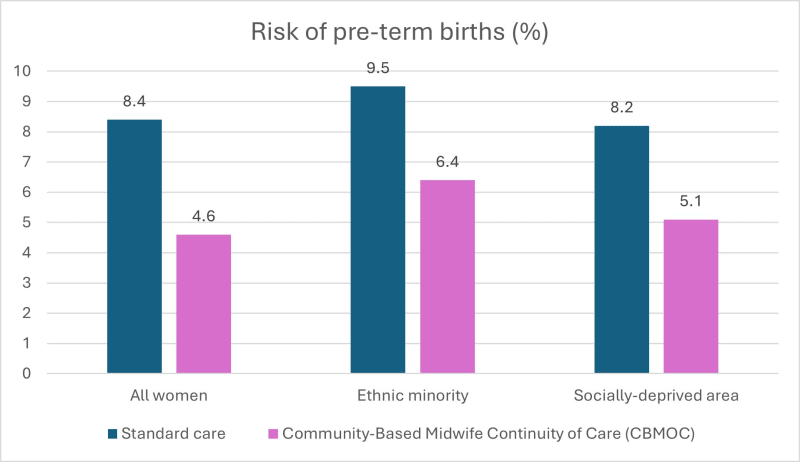
A groundbreaking study shows that continuous care from community-based midwives dramatically reduces preterm births, with the biggest benefits for women facing social disadvantages. Over 6,600 pregnancies in South London proved this simple shift in care could transform outcomes for mothers and babies.

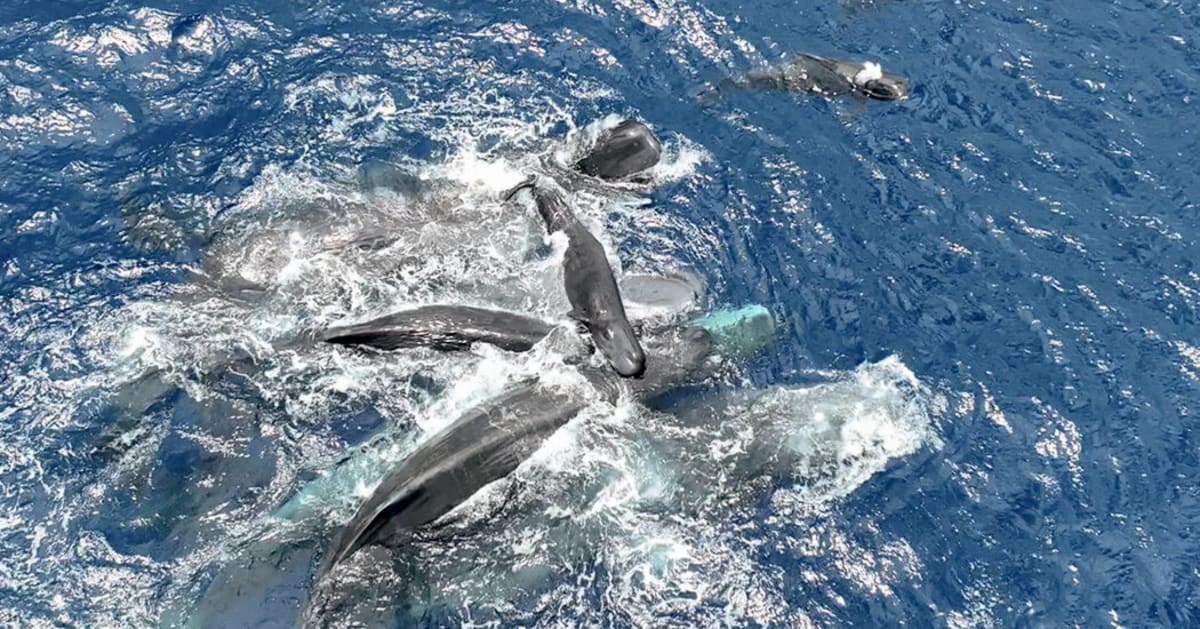
Researchers captured the first detailed footage of a sperm whale birth and discovered something remarkable: 11 whales worked together to help deliver and support the newborn, including half who weren't even related to the mother. This rare glimpse into whale society suggests humans aren't the only species where mothers receive help during childbirth.

For thousands of years, women gave birth upright—until 300 years ago when French physicians convinced them to lie down. Now research proves upright positions reduce caesareans, pain, and labour time.

Health workers in Uganda's Ibanda District just gained crucial skills to catch birth defects right after delivery, a change that could save hundreds of babies' lives. Early detection means simpler treatments and better outcomes for newborns facing conditions that become dangerous when missed.

Nigeria has registered 14 million more births over the past two years, a massive step forward in protecting children's rights and access to services. UNICEF shared the milestone with First Lady Oluremi Tinubu, crediting coordination across all 36 states.

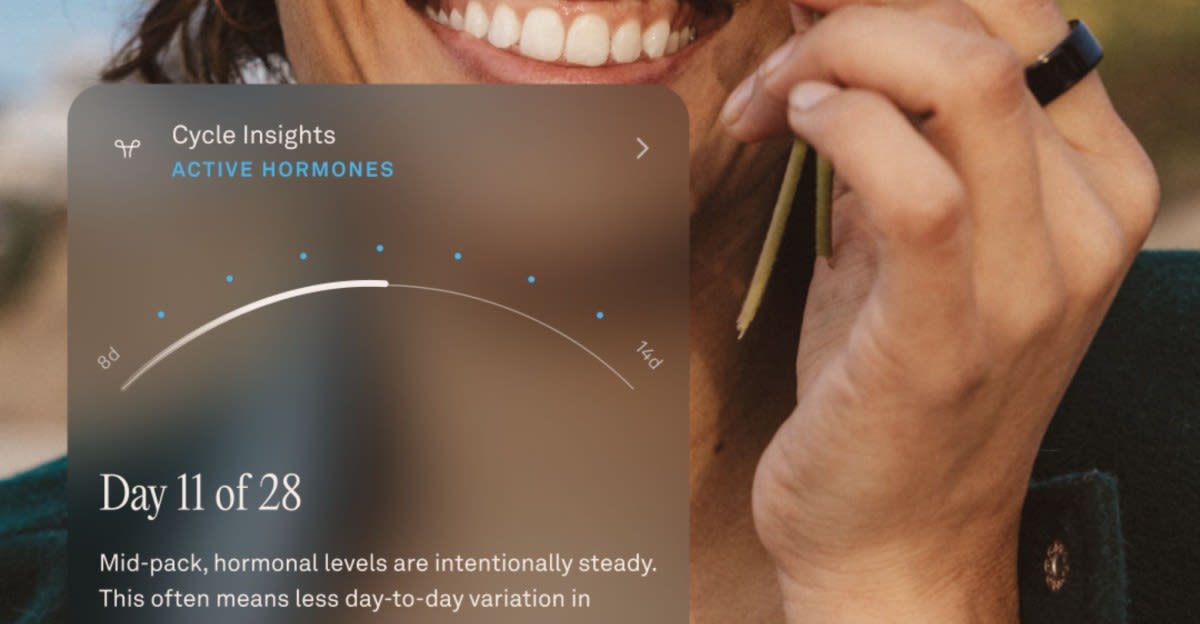
Smart ring maker Oura just launched a feature that helps people see how hormonal birth control affects their body's rhythms. Starting May 6th, users can track how over 20 types of contraception influence their temperature, sleep, and recovery patterns.

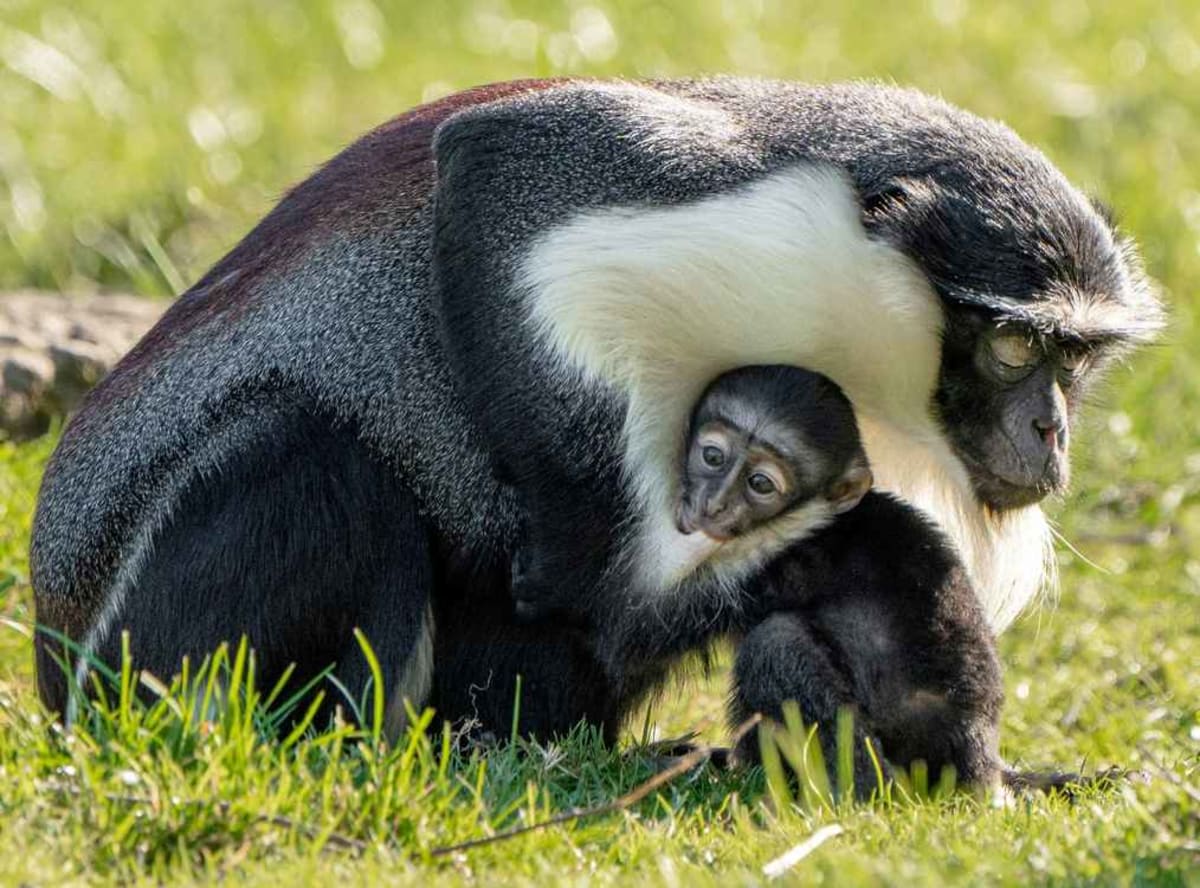
A critically-endangered Roloway monkey became the first of her species to undergo surgery in captivity, then weeks later gave birth to a baby that brings vital hope to her species. Only a few hundred of these primates remain in the wild.

A 308-pound Asian elephant calf took her first wobbly steps at Washington D.C.'s National Zoo early Monday morning, marking the zoo's first elephant birth since 2000. With fewer than 50,000 Asian elephants left in the wild, every new arrival brings fresh hope for this endangered species.

Three new male birth control options could hit the market within years, and men around the world are flooding researchers with requests to join clinical trials. After decades of relying solely on condoms and vasectomies, demand is surging as men seek ways to share reproductive responsibility.
Researchers captured the rarest of ocean moments: a sperm whale giving birth while her pod rallied around to help. The footage reveals whales cooperate during births just like primates do.

A whistleblowing mayor in Thailand helped expose a fake birth certificate ring, leading to 50 revoked registrations and multiple arrests. His courage is protecting Thai identity systems and preventing fraud.

A hockey fan welcomed a baby on the seventh floor of Rogers Place arena during Saturday's Oilers game. The broadcaster shared the joyful news with fans during the third period.
Showing 20 of 1138