Cargo Ships Add Sails, Could Cut Emissions 50%+
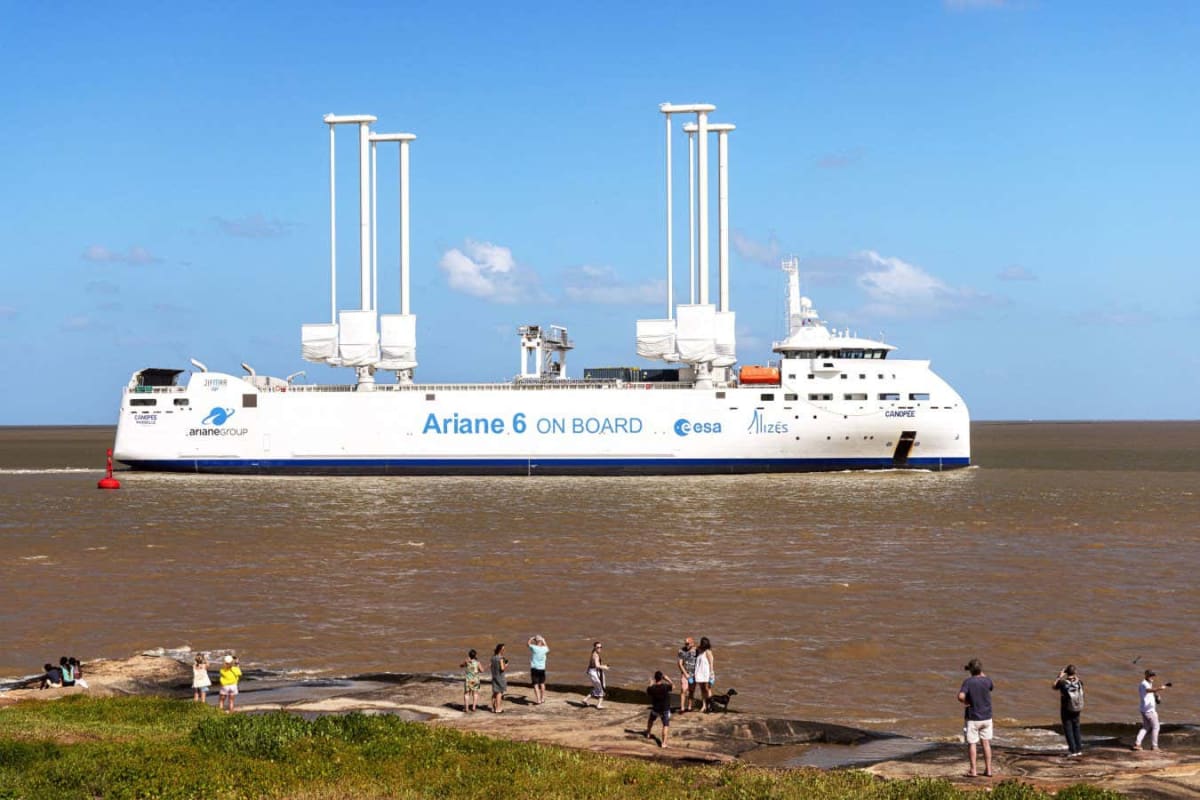
The shipping industry is embracing an old technology in a new way. High-tech sails and wind-smart routes could slash cargo ship emissions by more than half.
Find uplifting stories about heroes, innovations, and solutions
19 results for "shipping industry"

The shipping industry is embracing an old technology in a new way. High-tech sails and wind-smart routes could slash cargo ship emissions by more than half.

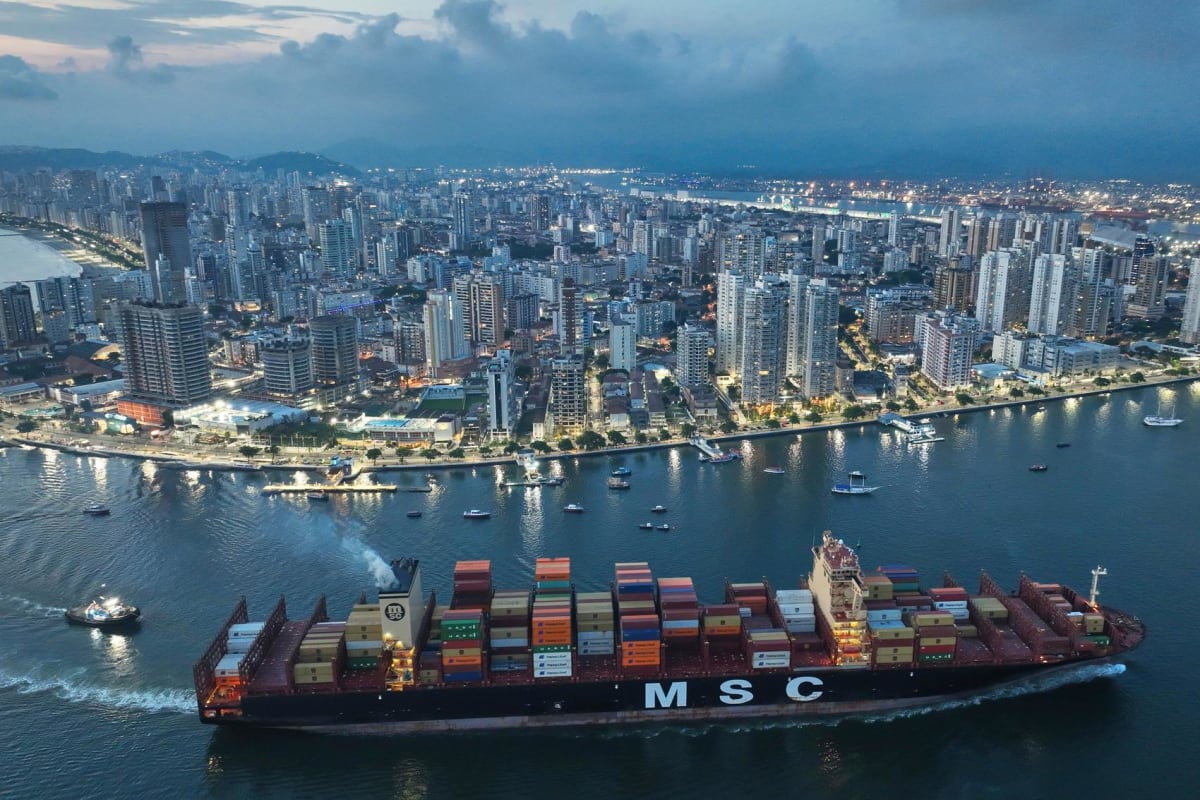
The shipping industry is bringing back an old friend—wind power—and it could slash the sector's carbon emissions by more than half. Companies are retrofitting cargo ships with high-tech sails and smarter routes to save fuel and protect the planet.

A new retrofit kit lets cargo ships switch to clean biofuels in hours, not months, helping the maritime industry cut carbon emissions without replacing expensive equipment. Thousands of vessels can now adopt renewable fuels without the typical downtime or cost.

After months of setbacks, nations worldwide recommitted to cleaning up the shipping industry's massive carbon footprint. The framework could transform how goods travel across oceans while protecting island nations from rising seas.

The shipping industry's push toward zero-emission fuels just cleared a major hurdle, despite opposition from fossil fuel interests. A global framework that would transform how the world's cargo ships are powered remains alive after tense international negotiations.

Despite a week of delay tactics, the International Maritime Organization's Net Zero Framework for shipping survived intact, keeping hope alive for cleaner oceans. The EU and ambitious nations refused to let the climate agreement die.

Nations preserved a groundbreaking framework to charge ships for carbon emissions, keeping alive the world's first global climate tax. Despite disagreements, most countries are staying committed to cleaning up an industry responsible for 3% of global emissions.

A major British port just launched a first-of-its-kind program that lets shipping customers claim verified carbon reductions from the port's clean energy investments. It's making climate progress shareable across supply chains.

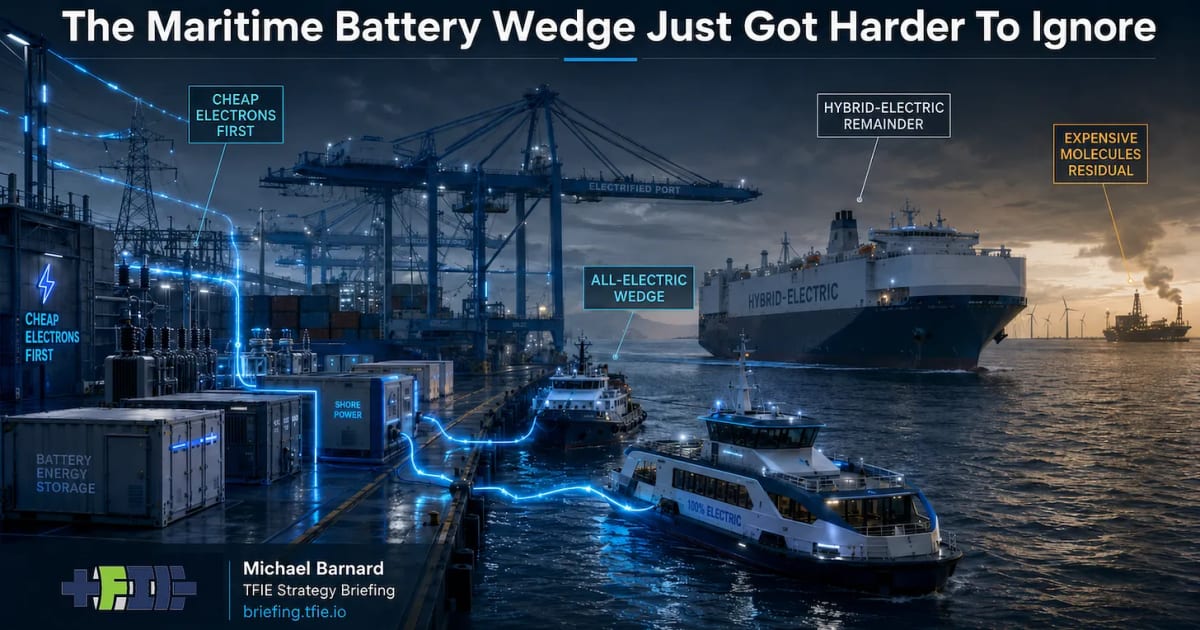
One of the world's busiest ports just launched a groundbreaking pilot to replace diesel harbour boats with hydrogen fuel cells. The move could clean up 1,600 vessels that keep Singapore's shipping industry running.
Singapore just committed $100 million to revolutionize its ports and shipping industry with smart technology and AI. The five-year plan tackles everything from autonomous operations to green energy delivery.

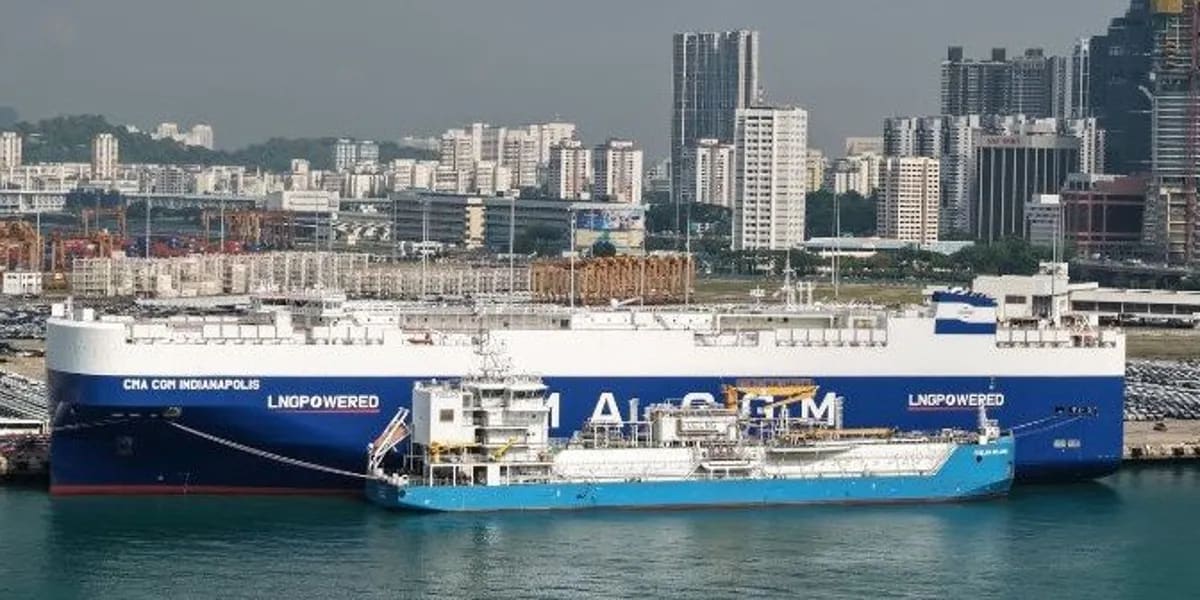
A new study shows liquefied natural gas can cut shipping emissions by nearly one-third compared to traditional marine fuel. The breakthrough offers a practical path for one of the world's hardest-to-decarbonize industries.
A breakthrough study shows ships running on liquefied natural gas can slash greenhouse gas emissions by up to 29% compared to traditional fuel. The finding marks a major step forward for cleaning up the shipping industry.

Two groundbreaking ships that run on ammonia instead of traditional fossil fuels just left a South Korean shipyard, marking a major leap forward in cleaning up global shipping. These vessels could help the shipping industry slash its carbon footprint while proving that cleaner ocean transport is possible today.

Lithuania just achieved full energy independence by disconnecting from Russia's power grid and syncing with Europe. Two engineers at Siemens Energy are leading the charge toward cleaner, safer energy across the continent.
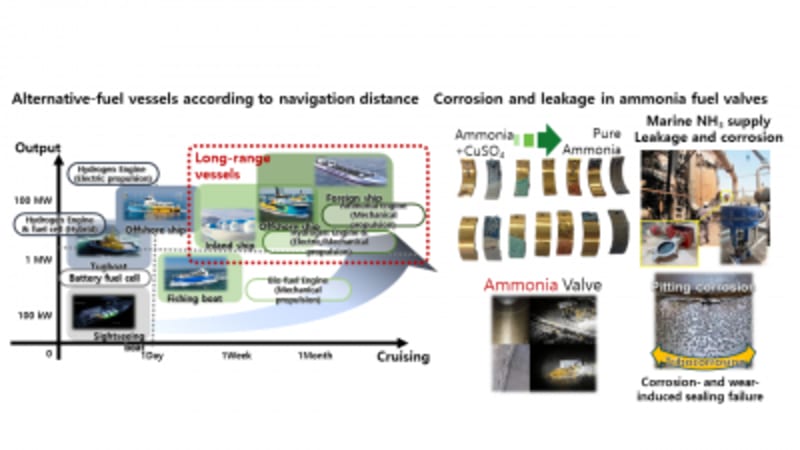
Scientists in South Korea just solved a major barrier to eco-friendly shipping with a breakthrough coating that protects ammonia-fueled ships from corrosion and wear. This innovation could help the maritime industry meet its zero-carbon goals by 2030.

The global shipping industry is pushing forward with $150 billion in clean vessel investments, refusing to let political delays slow their green transition. Major companies are betting big on alternative fuels like methanol and ammonia for the next 30 years.


A London startup just solved one of shipping's toughest environmental challenges by capturing CO2 from cargo ship exhaust and turning it into usable limestone. The technology could clean up pollution from tens of thousands of ships already on the ocean.

Scientists in Shanghai just cracked the code on turning leftover food into clean fuel for ocean vessels, slashing costs by 30%. This breakthrough could help the entire shipping industry go green by 2050.

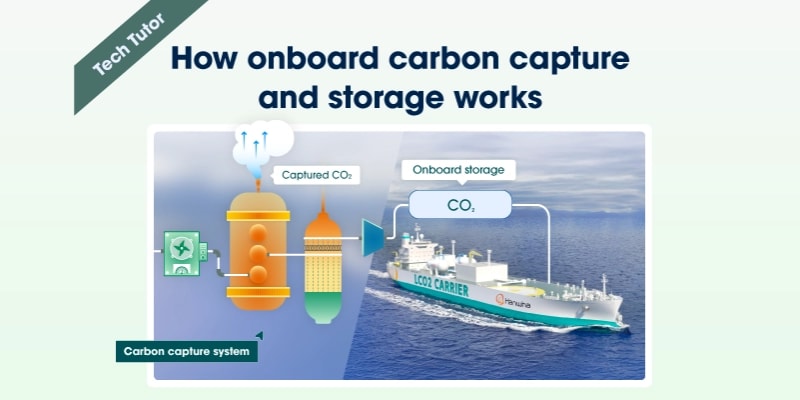
The shipping industry is installing onboard carbon capture systems on existing vessels to slash emissions while waiting for clean fuel technology to scale. This retrofit solution helps one of the world's hardest industries to decarbonize meet climate targets years ahead of schedule. #