
Caregiver Becomes Patient, Beats Spinal Tumor at MD Anderson
Judy Overton spent years supporting her husband through cancer treatment, then sharing those caregiving experiences in a blog. Now she's sharing her own victory over a rare spinal tumor.
Find uplifting stories about heroes, innovations, and solutions
1305 results for "spinal tumor"
Judy Overton spent years supporting her husband through cancer treatment, then sharing those caregiving experiences in a blog. Now she's sharing her own victory over a rare spinal tumor.
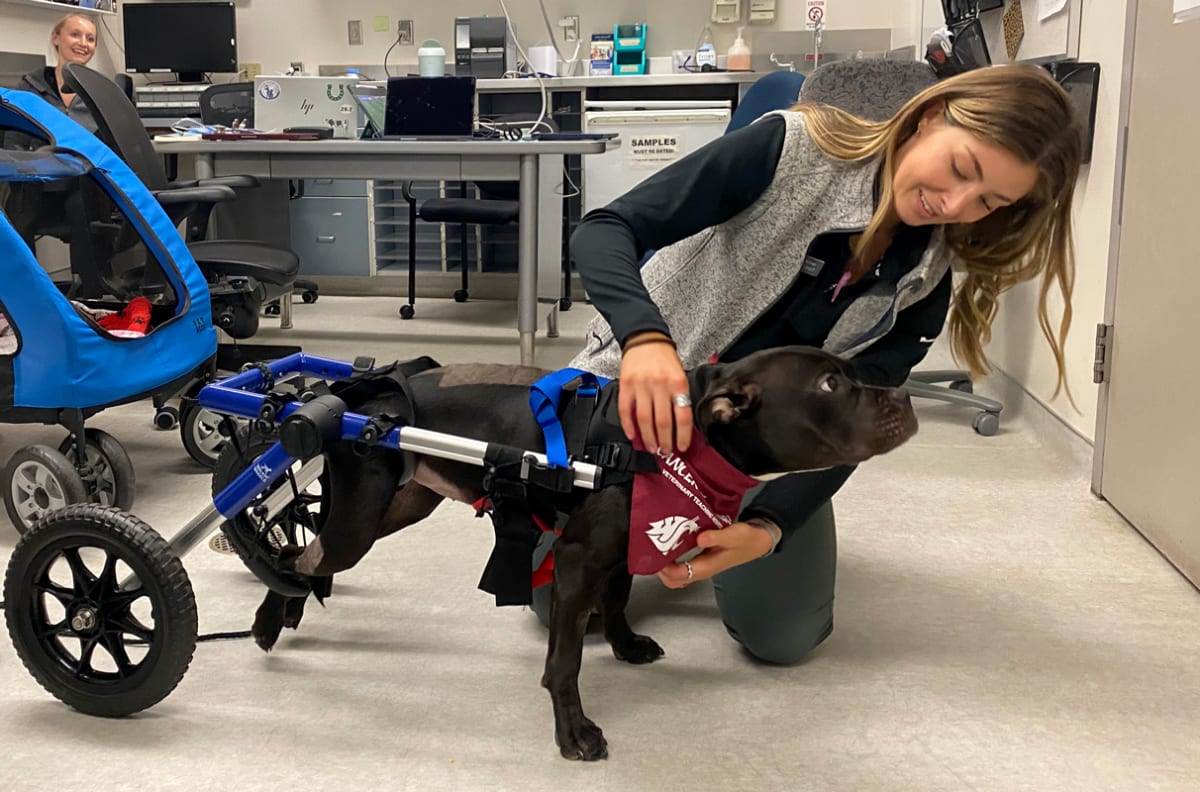
An 8-month-old American bully named Winnie conquered a rare spinal tumor through surgery and 20 radiation treatments at Washington State University. Now home in Spokane, she's rolling through life in a custom wheelchair with unstoppable joy.
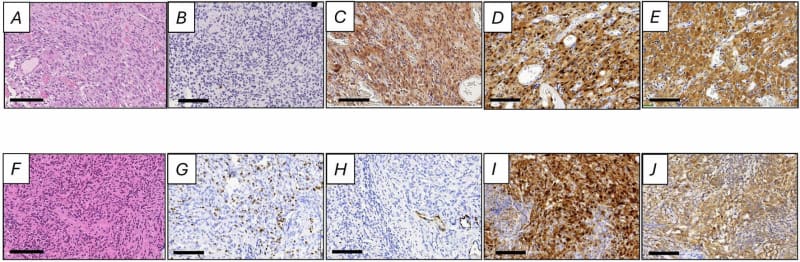
A national trial found that an existing cancer pill may slow aggressive brain tumors in patients who had run out of options. Nearly 60% of patients saw their tumors stop growing for at least six months.
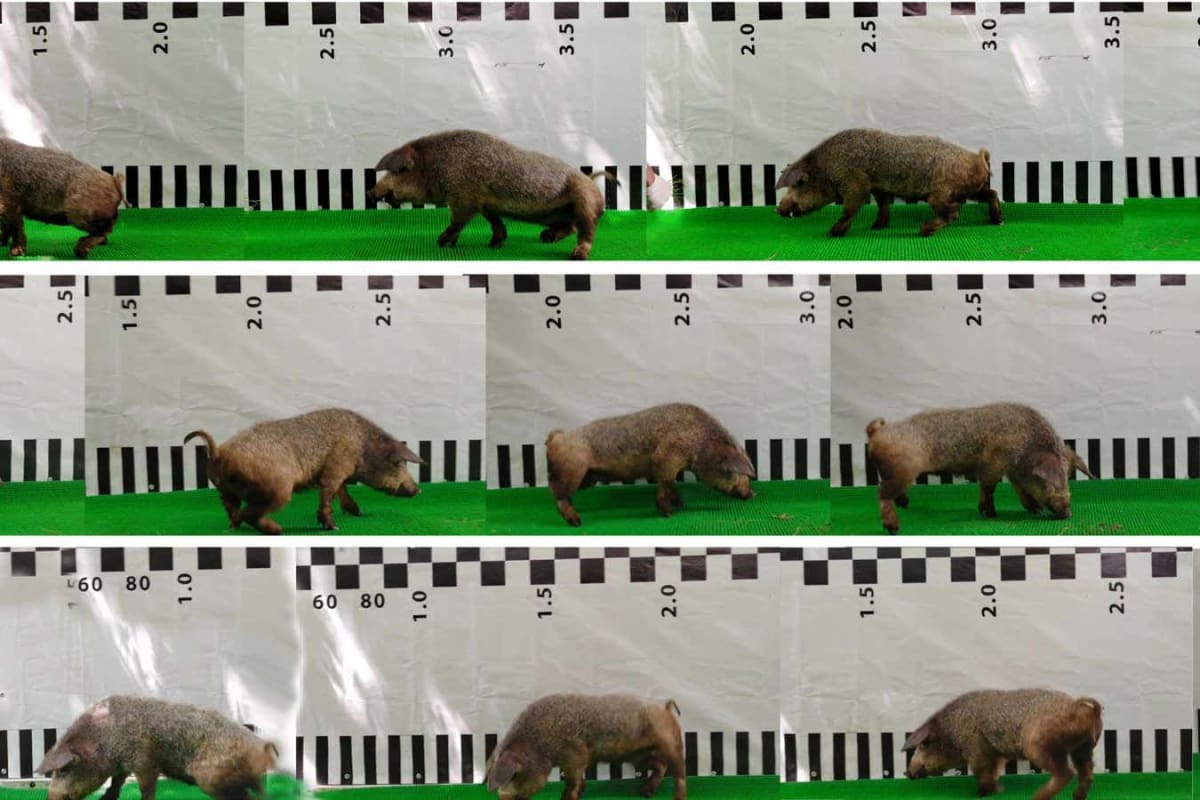
Scientists helped pigs with completely severed spinal cords walk again using a groundbreaking therapy that reconnects damaged nerves. The breakthrough could offer new hope for the 15 million people worldwide living with spinal cord injuries.
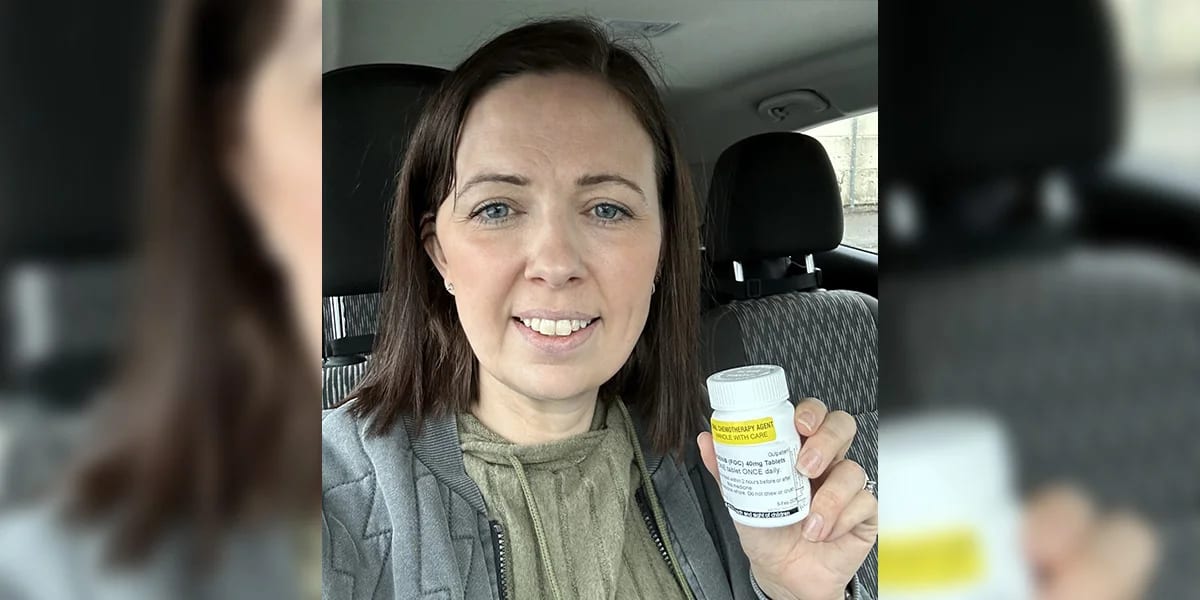
England approved its first new brain tumor treatment in 18 years, offering hope to 300 patients living in fear of their tumors growing. For Sally Penny, the pill has already given her a year without side effects and precious time with her children.
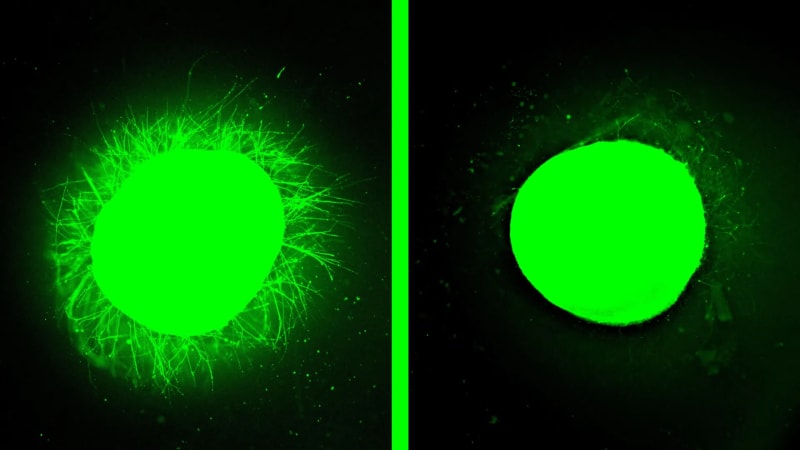
Scientists created a mini human spinal cord in the lab and successfully treated it with a groundbreaking therapy that regrew nerve fibers and erased scar tissue. This breakthrough brings real hope to millions living with spinal cord injuries.

Patients in England with low-grade brain tumors can now access a groundbreaking pill that slows disease and cuts seizures by 64%. It's the first new brain tumor treatment approved in the UK in two decades.

Patients with low-grade brain tumors in England and Wales can now access vorasidenib, the first new adult brain tumor treatment approved in the UK in two decades. The drug helps patients delay harsh chemotherapy and radiotherapy treatments while living longer without their disease progressing.
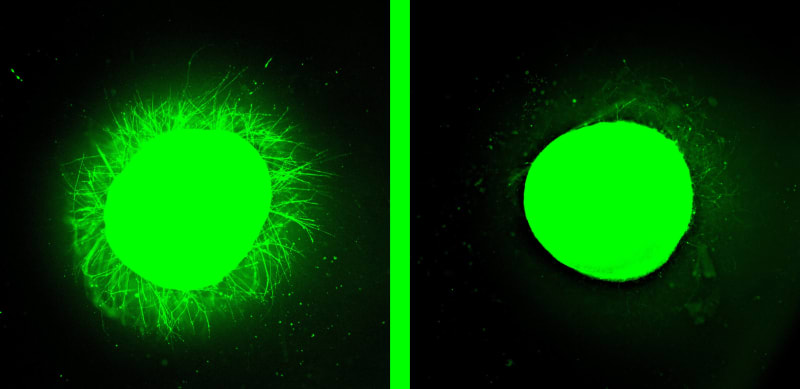
Scientists at Northwestern University have successfully used "dancing molecules" to heal lab-grown human spinal cord tissue, bringing new hope to paralysis treatment. The breakthrough therapy, already FDA-designated, dramatically reduced scar tissue and regrew nerve connections in the most advanced spinal cord organoid model ever created.
Doctors in Japan successfully diagnosed and treated 10 brain lymphoma patients using a simple spinal fluid test instead of dangerous brain surgery. The breakthrough offers hope for patients whose tumors are too risky to reach.

Revolutionary DNA profiling technology now diagnoses brain tumors with 95% accuracy, helping doctors personalize treatment for 90,000 Americans diagnosed annually. From molecular fingerprinting to new ways of crossing the brain's protective barrier, researchers are turning one of medicine's toughest challenges into a story of hope.
Scientists have developed a simple blood test that can detect deadly brain tumors with over 90% accuracy, potentially replacing invasive biopsies and enabling earlier diagnosis. The breakthrough could help GPs identify aggressive glioblastomas through a test as simple as a COVID rapid test.

Children with a rare brain cancer now have a new treatment option after European regulators approved Ojemda, a targeted therapy that works once a week. In trials, more than half of young patients saw their tumors shrink.
Brain tumor patients in Augusta, Georgia can now receive treatment without surgery, incisions, or even general anesthesia. The new Gamma Knife Esprit system is already helping patients heal faster with fewer side effects.
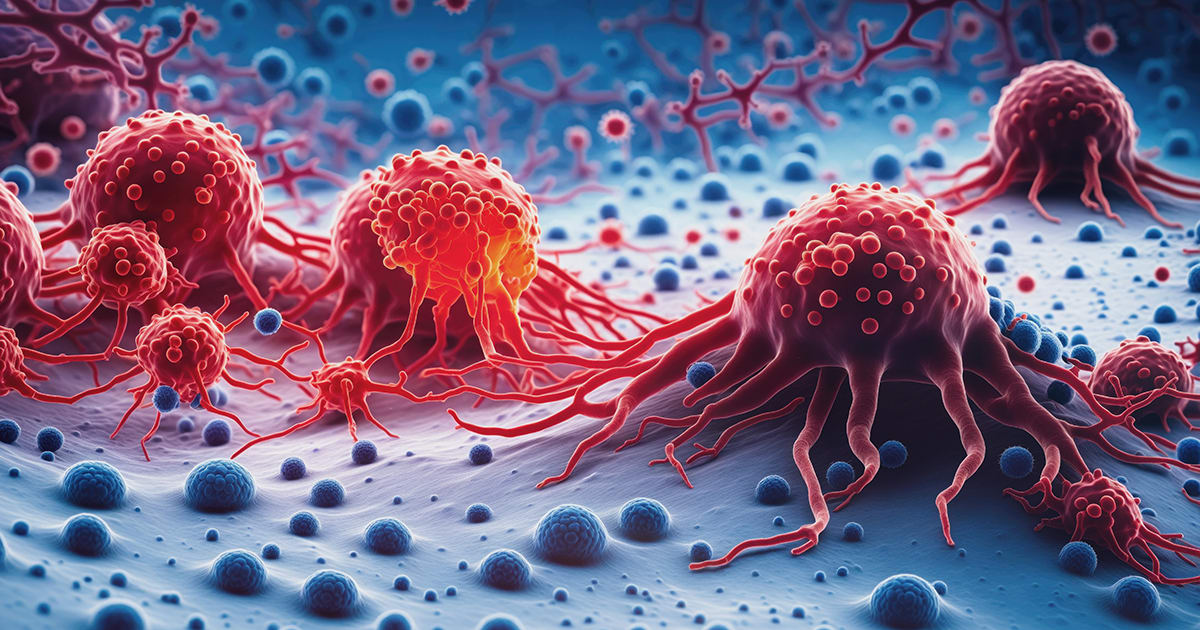
Researchers at Children's National have discovered that a rare brain tumor previously thought to be one disease is actually three distinct types, each requiring different treatment. This breakthrough could help doctors tailor therapies to save more young lives.
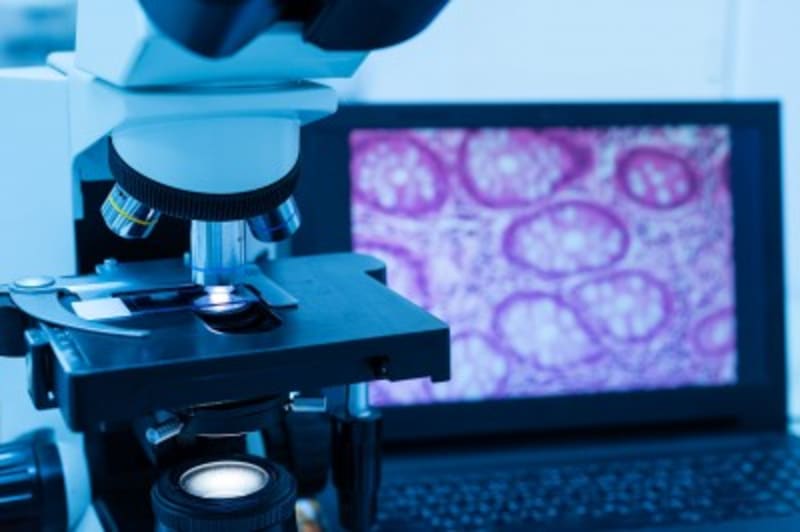
Scientists at Rutgers Cancer Institute created a breakthrough tool that can tell which bacteria truly live inside tumors and which are just contamination. This discovery could revolutionize cancer treatment by revealing why some therapies work better for certain patients.
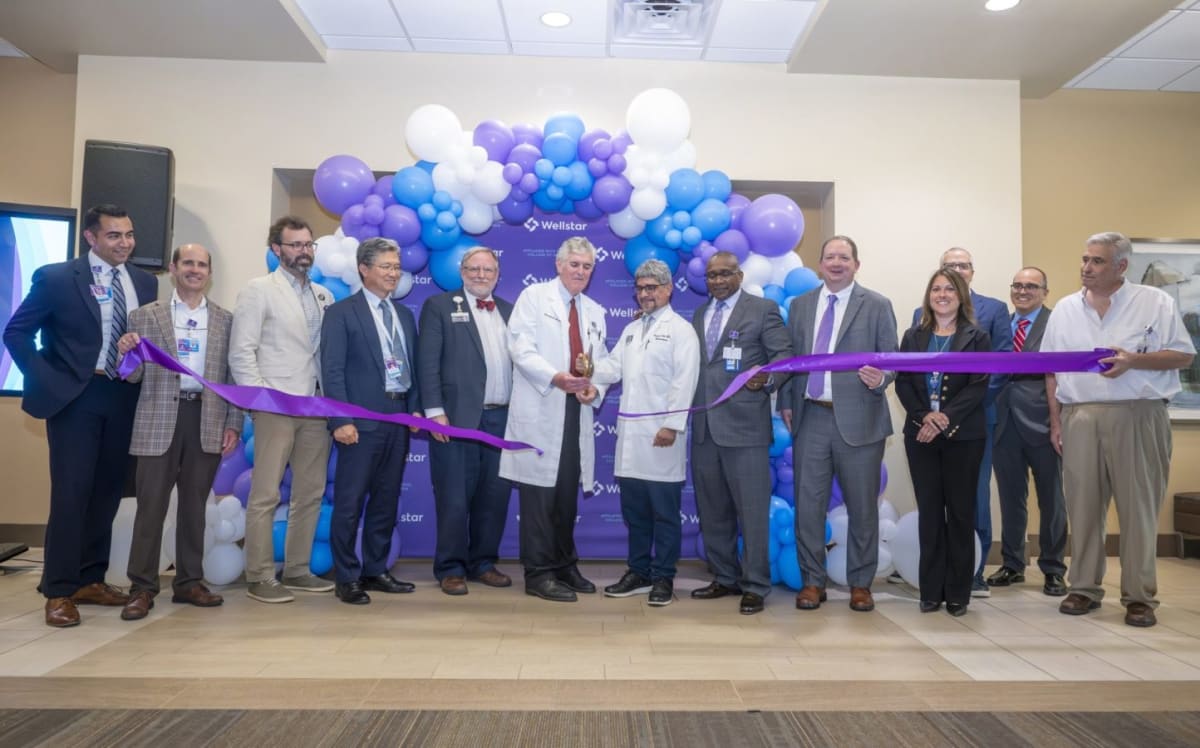
A new radiation system in Augusta can zap brain tumors smaller than a pencil tip without a single incision. Patients skip surgery, anesthesia, and lengthy recovery times.

Korean researchers discovered why certain cancer treatments fail against glioblastoma and found an unexpected immune system player that could change everything. The breakthrough reveals that B cells, not just T cells, are essential for fighting aggressive brain tumors.

Actress Busy Philipps discovered a rare brain tumor after seeking a preventive body scan her doctor said she didn't need. Her story shows the life-saving power of listening to your instincts about your health.
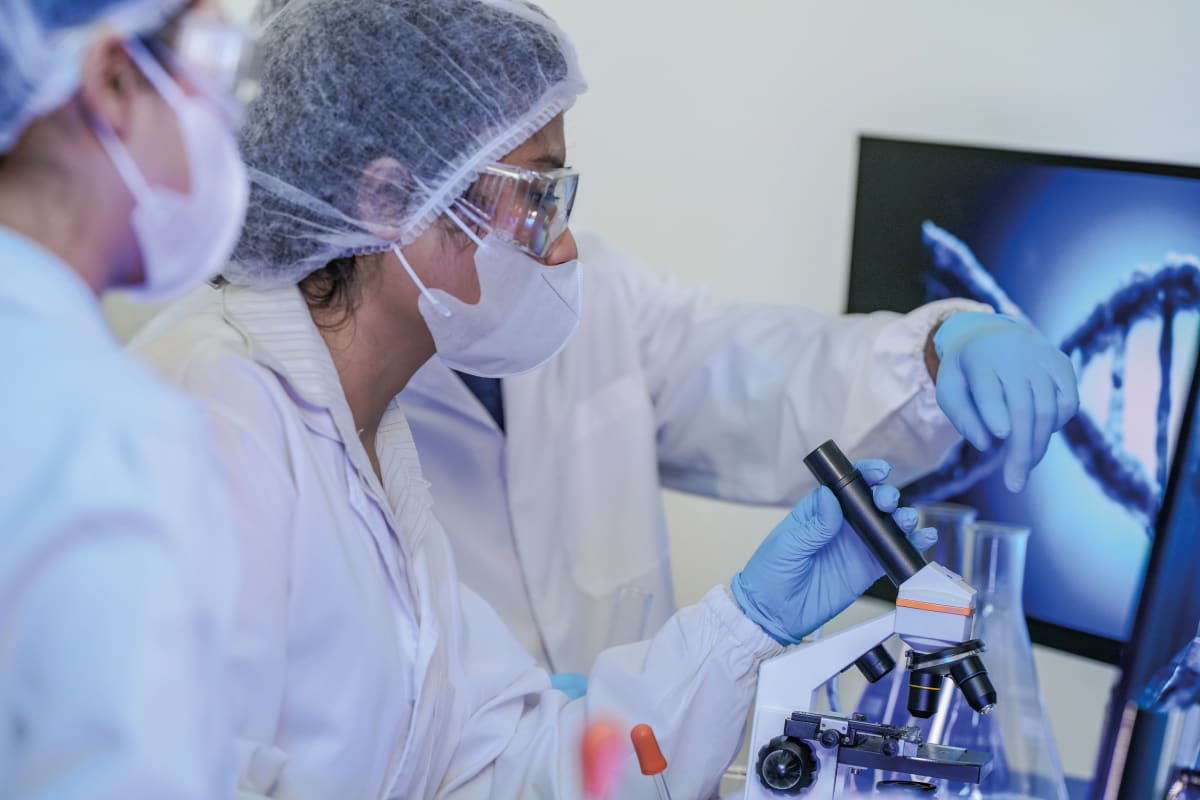
Only 12% of brain tumor patients in the UK join clinical trials—the lowest rate of all cancers. A new initiative called ACT-BT is changing that by connecting patients with potentially life-saving research opportunities.
Showing 20 of 1305