Search

Find uplifting stories about heroes, innovations, and solutions

23 results for "stardust"

Antarctic Ice Reveals Stardust from Ancient Stellar Explosion
InnovationMay 19

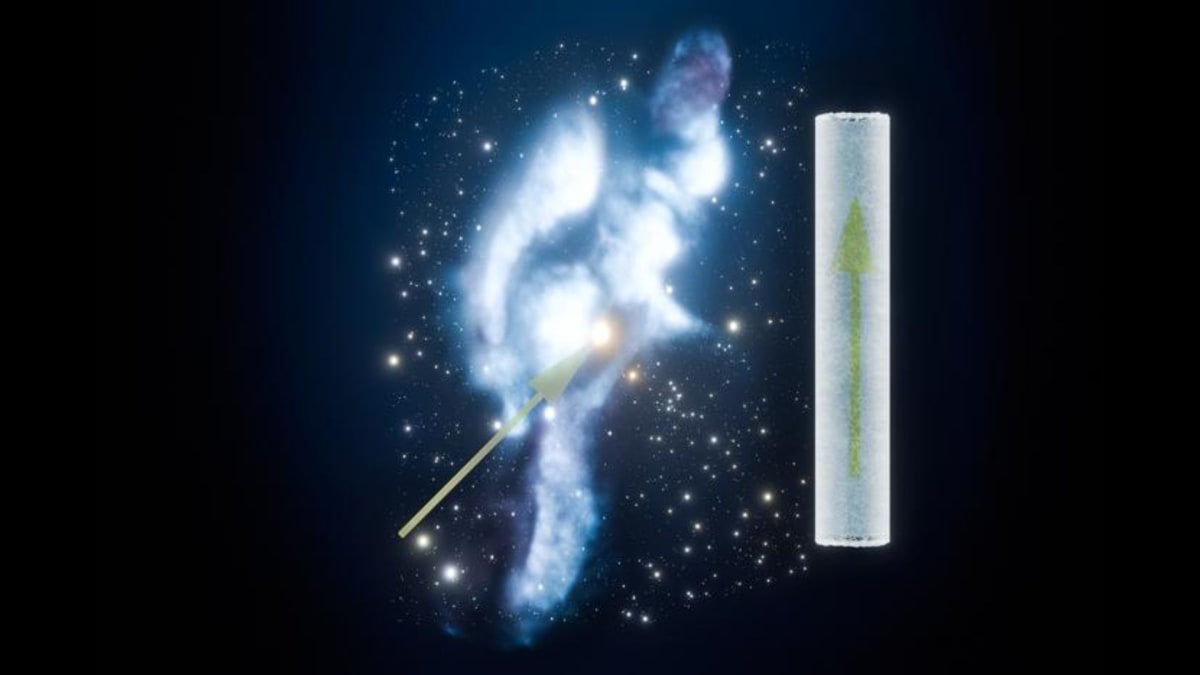
Antarctic Ice Reveals Stardust from Ancient Stellar Explosion

Scientists discovered radioactive stardust from an ancient supernova trapped in Antarctic ice, offering a cosmic time capsule into our solar system's journey through space. The finding helps explain how Earth collects debris from stellar explosions as we travel through interstellar clouds.
Space.com2 min read
Israeli Startup Reveals Plan to Cool Earth by 1.5°C
InnovationMay 15

Israeli Startup Reveals Plan to Cool Earth by 1.5°C

An Israeli company has unveiled the ingredients for tiny particles that could combat global warming by reflecting sunlight back into space. Stardust Solutions says its biodegradable particles, made from simple food-grade materials, could cool Earth's temperature without harming people or nature.

Google News - Israel Technology2 min read
Antarctic Ice Reveals Solar System's 80,000-Year Journey
VideosMay 14

Antarctic Ice Reveals Solar System's 80,000-Year Journey

Scientists found ancient stardust in Antarctic ice that shows how our Solar System has been moving through interstellar clouds for tens of thousands of years. The discovery turns traditional astronomy upside down by studying the sky through what falls to Earth.

Google News - Science2 min read
James Webb Telescope Reveals Galaxy's Stunning Rebirth
Global NewsJul 13

James Webb Telescope Reveals Galaxy's Stunning Rebirth

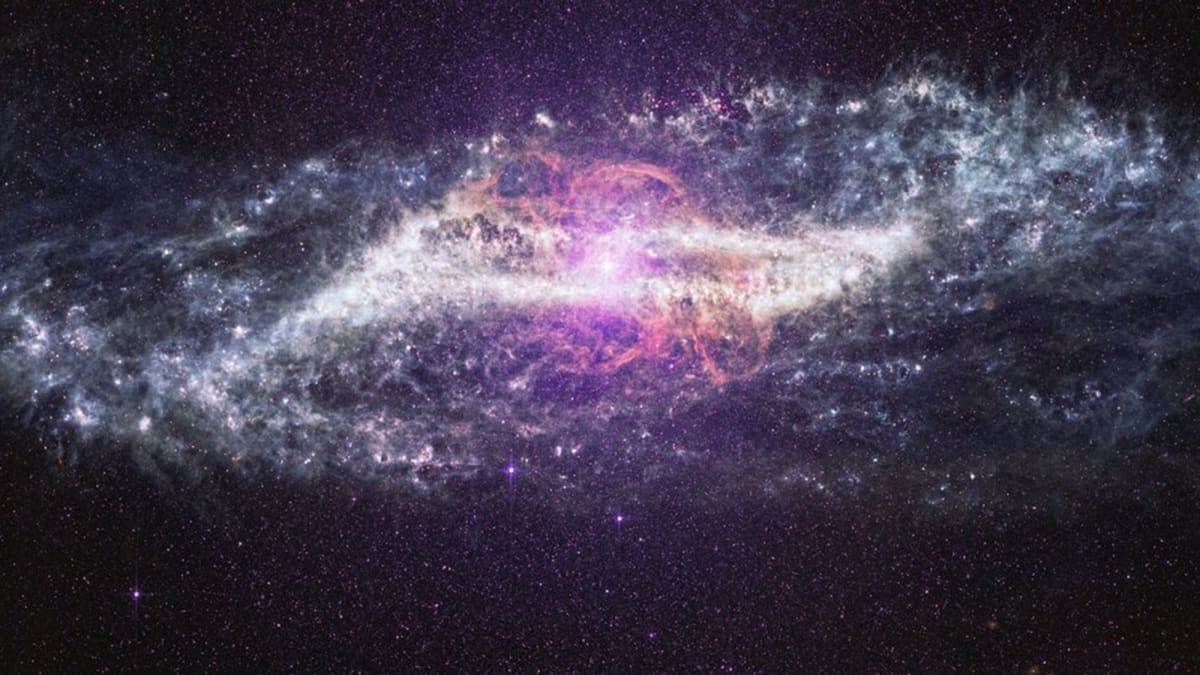
The James Webb Space Telescope captured an extraordinary view of Centaurus A, a galaxy reborn from a cosmic collision 2 billion years ago. The infrared images reveal what was hidden before: glowing clouds, graceful ribbons of stardust, and the breathtaking aftermath of galactic healing.

Live Science2 min read
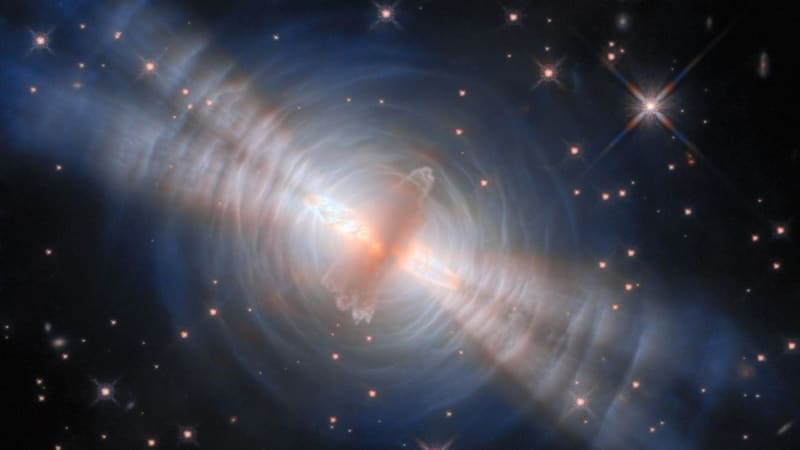
Hubble Captures Clearest View Yet of the Egg Nebula
Planet WinsFeb 13

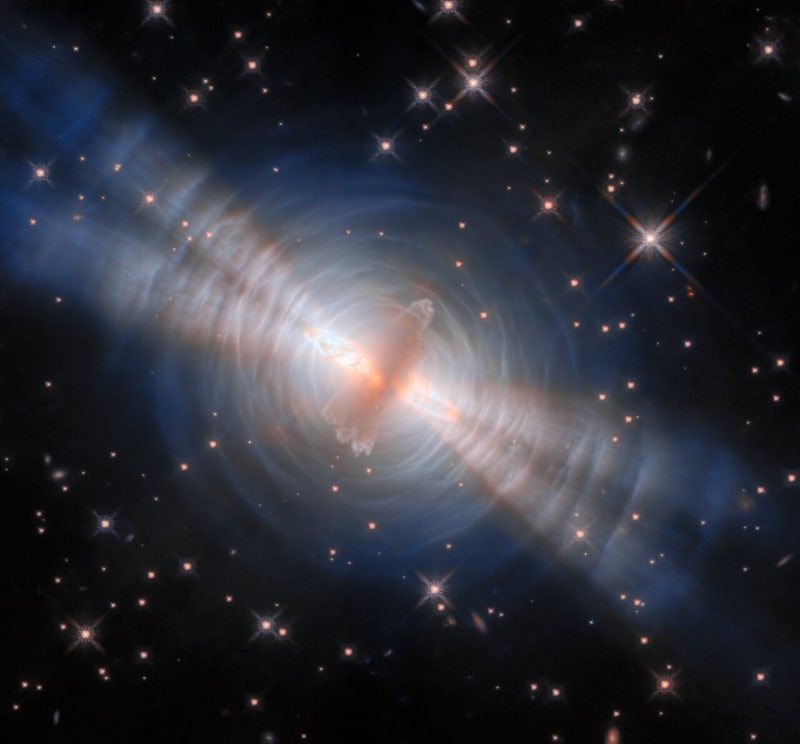
Hubble Captures Clearest View Yet of the Egg Nebula

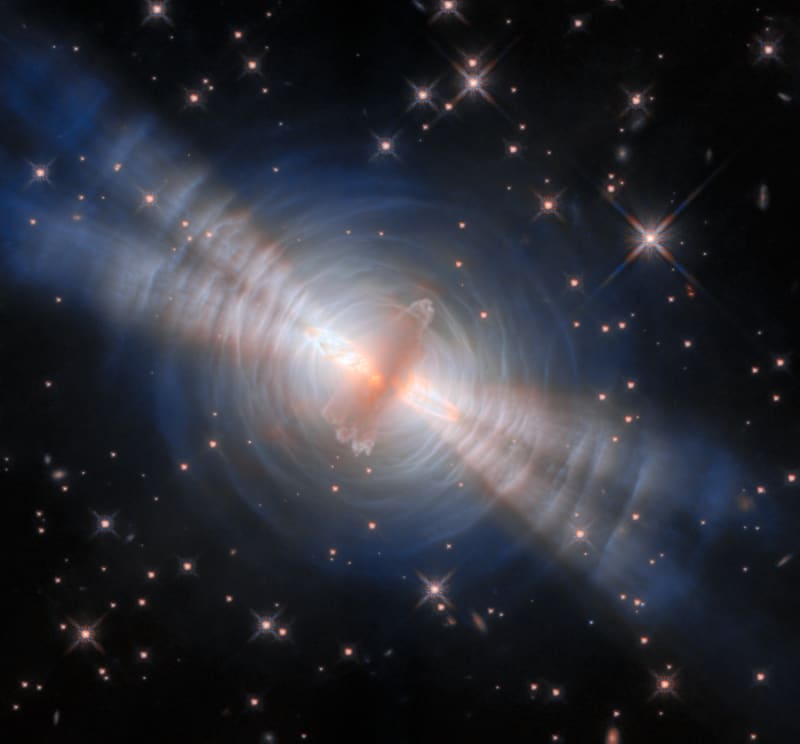
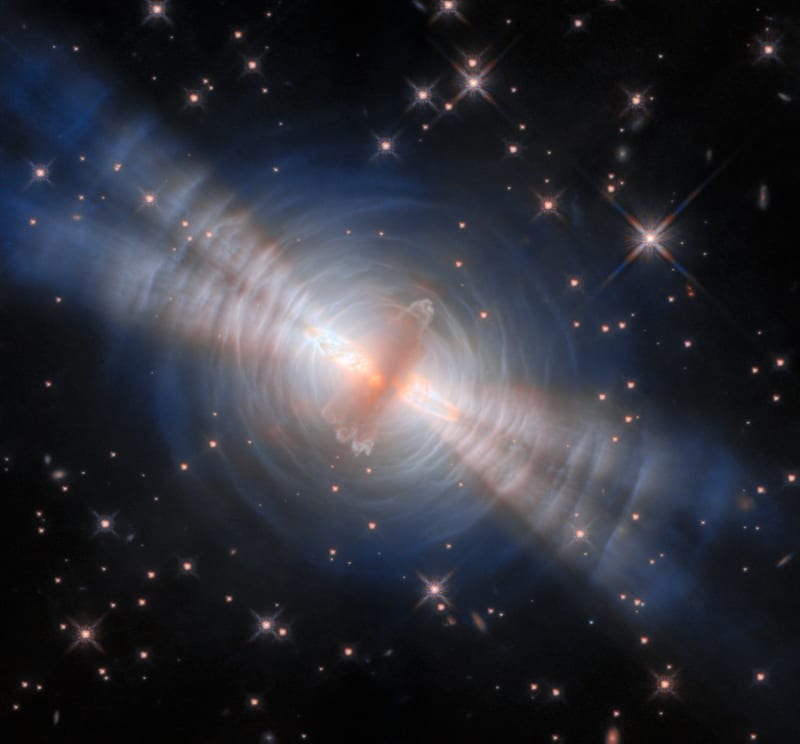
NASA's Hubble Space Telescope has delivered the sharpest image ever of the Egg Nebula, a cosmic wonder created by a dying star 1,000 light-years away. The stunning view reveals dramatic shadows and light sculpted by freshly ejected stardust.

NASA2 min read
NASA Imagery Meets Pink Floyd in Sold-Out Space Show
Planet WinsMay 26

NASA Imagery Meets Pink Floyd in Sold-Out Space Show

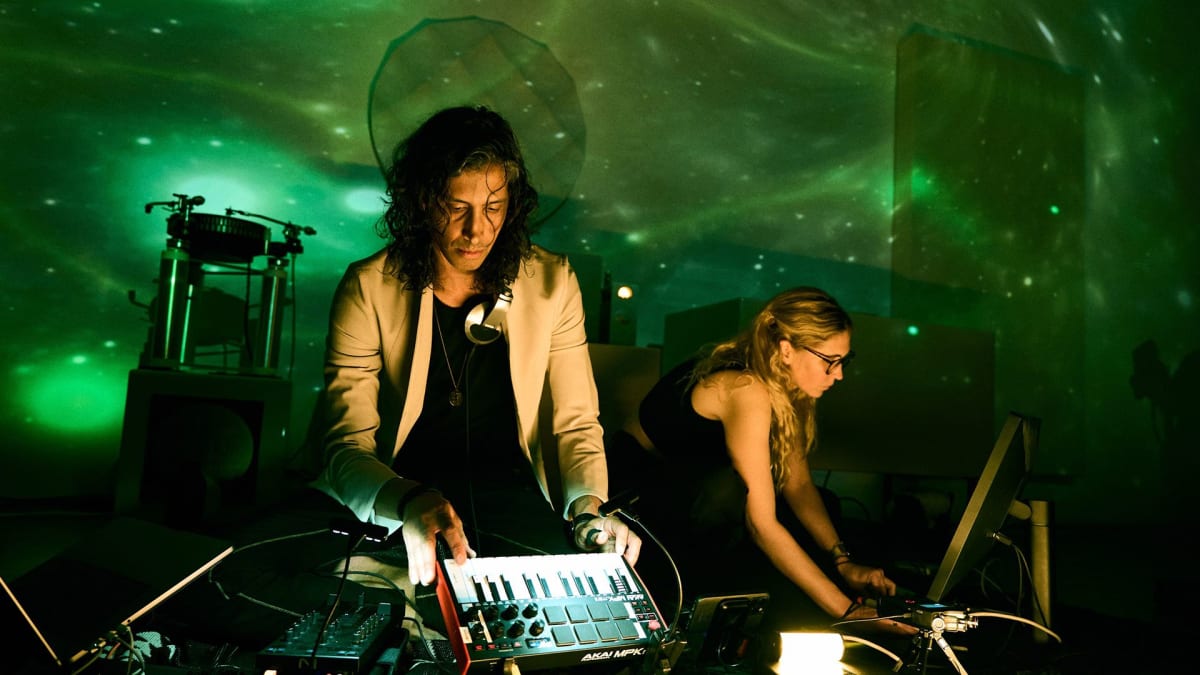
Artists transformed a New York gallery into a cosmic journey using James Webb Space Telescope imagery and live electronic music. The intimate performance blended science, art, and sound into a meditation on light and the universe.

Space.com3 min read
David Bowie Immersive Show Opens in London
InnovationApr 20

David Bowie Immersive Show Opens in London

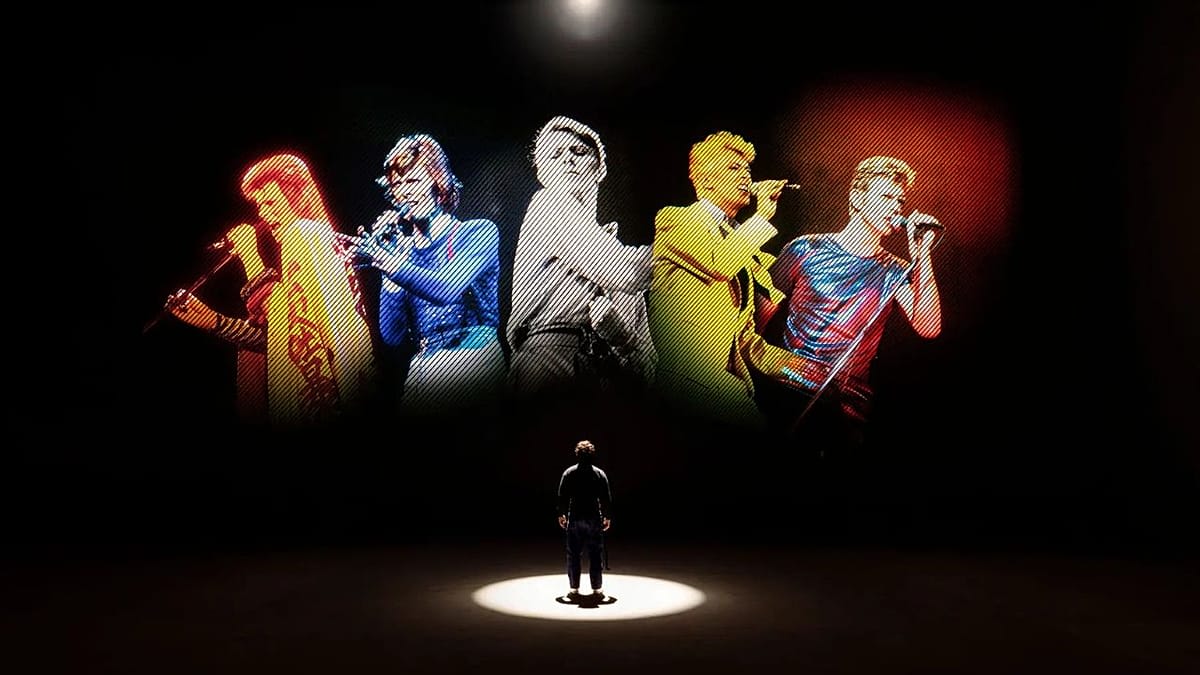
Fans can now step inside David Bowie's creative universe through a new immersive exhibition in London. "You're Not Alone" brings the Starman's musical legacy to life in an interactive experience. #

Euronews2 min read
Hubble Captures Dying Star's Stunning 1,000-Year Light Show
Planet WinsFeb 12

Hubble Captures Dying Star's Stunning 1,000-Year Light Show

A sun-like star 1,000 light-years away is putting on a spectacular final performance, and Hubble just captured the clearest view ever of its beautiful transformation. The Egg Nebula shows us how dying stars create the building blocks for future planets and solar systems like our own.

Space.com2 min read
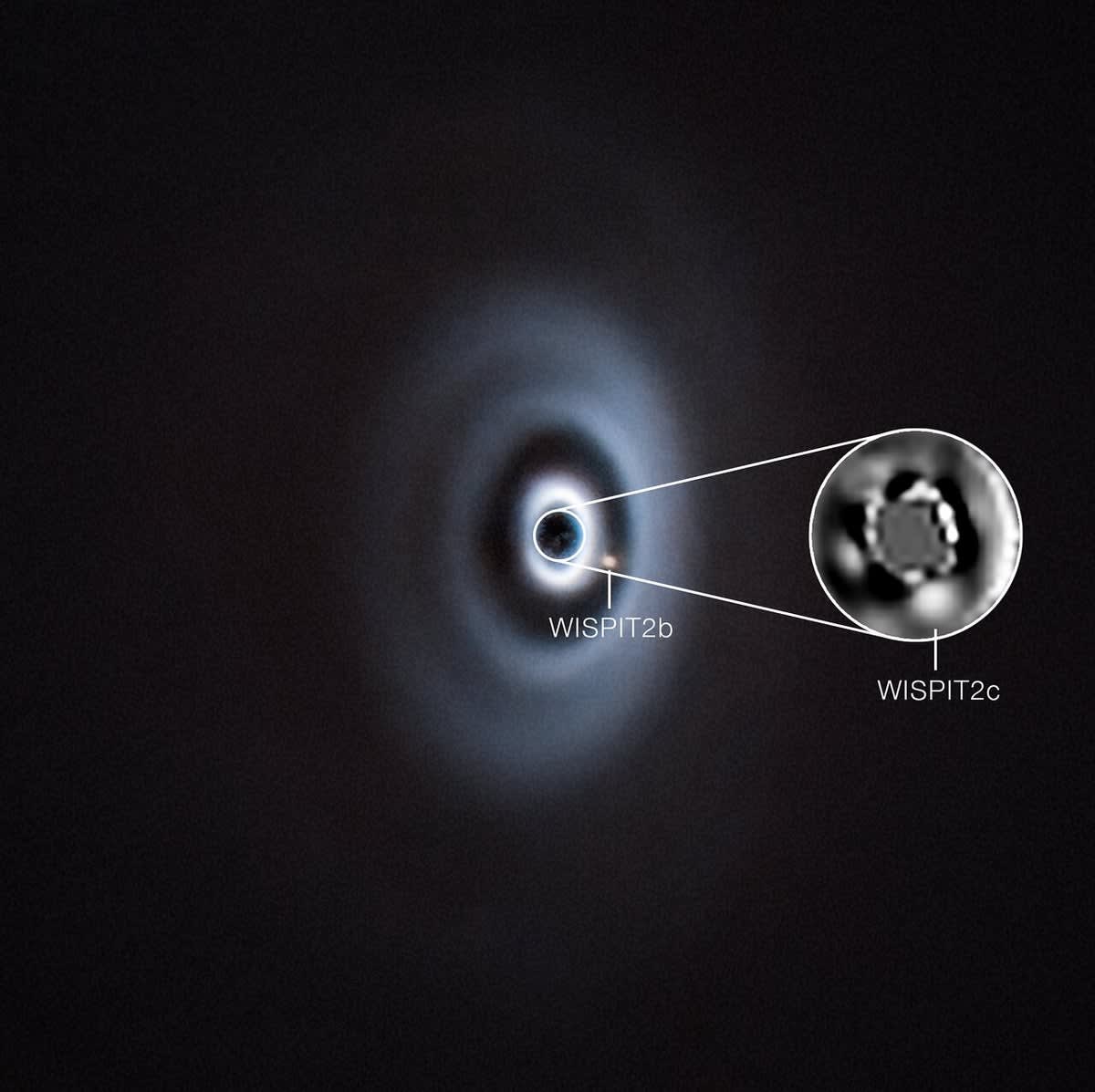
Astronomers Find Second-Ever Baby Solar System Forming
Planet WinsMar 24

Astronomers Find Second-Ever Baby Solar System Forming

Scientists have discovered only the second infant solar system ever confirmed, giving us a rare window into how planets are born. The finding could help solve the mystery of how our own solar system came to be.

Scientific American2 min read
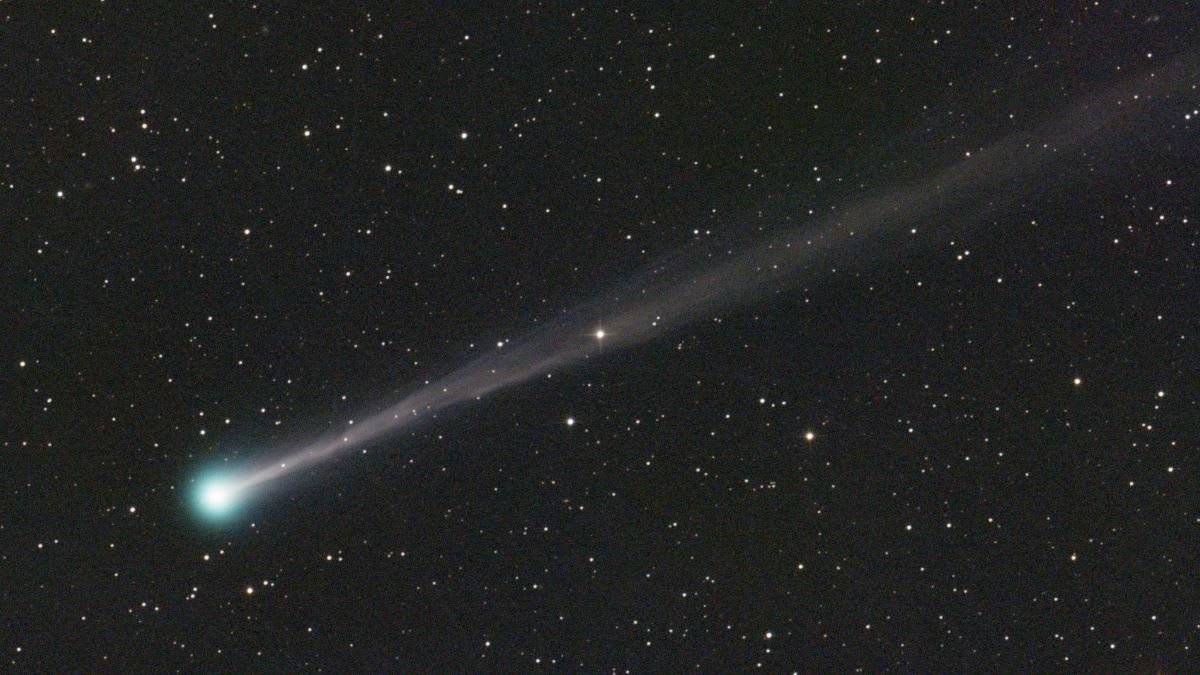
Rare Comet Visible This Week for First Time in 170,000 Years
InnovationApr 10

Rare Comet Visible This Week for First Time in 170,000 Years

A comet that last visited Earth during the Ice Age is putting on a brief show in pre-dawn skies through April 20. Stargazers have just days to catch this once-in-a-lifetime visitor before it disappears forever.

Space.com2 min read
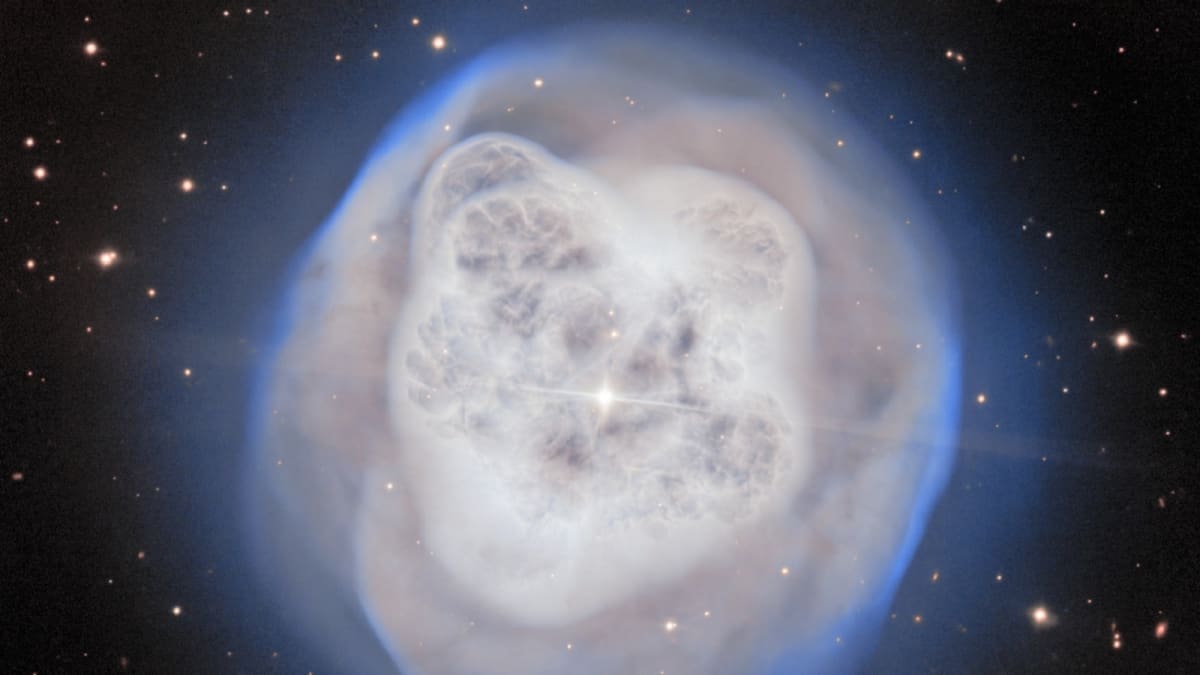
Dying Star Creates Stunning Crystal Ball 1,500 Light-Years Away
Planet WinsMay 22

Dying Star Creates Stunning Crystal Ball 1,500 Light-Years Away

A telescope in Hawaii captured a breathtaking image of a dying star wrapped in a glowing, milky white sphere 1,500 light-years from Earth. The stellar finale reveals the beauty hidden in cosmic endings.

Google News - Science2 min read
Scientists Take Solar Geoengineering from Fiction to Reality
Planet WinsMay 28

Scientists Take Solar Geoengineering from Fiction to Reality

After 60 years on the sidelines, technologies that reflect sunlight to cool Earth are gaining serious momentum. Researchers worldwide are now testing and developing solar modification methods once dismissed as science fiction.

Google News - Climate Solution2 min read
Hubble Reveals 'Egg Nebula' Star's Beautiful Final Days
Planet WinsFeb 11

Hubble Reveals 'Egg Nebula' Star's Beautiful Final Days

NASA's Hubble Space Telescope captured the clearest images yet of a dying star creating stunning cosmic art 1,000 light-years away. The Egg Nebula shows how stars like our Sun spread the building blocks of future planets across the universe.

NASA2 min read
Webb Telescope Reveals Dying Star's Stunning Final Act
InnovationJan 21

Webb Telescope Reveals Dying Star's Stunning Final Act

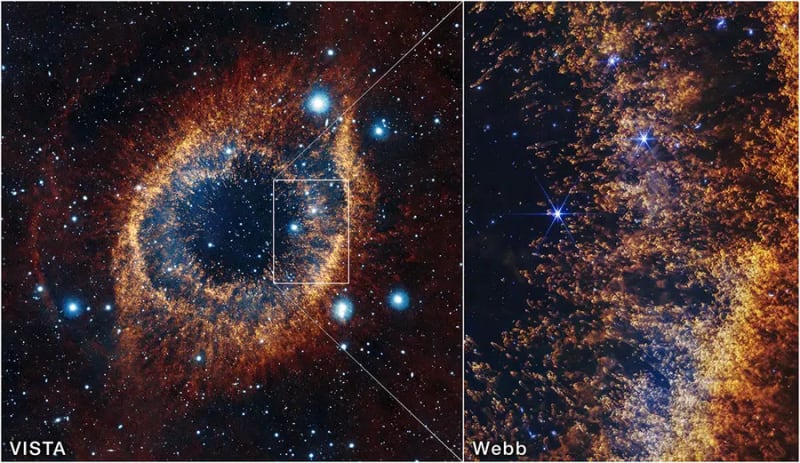
The James Webb Space Telescope captured breathtaking new images of the Helix Nebula, revealing how a dying star 650 light-years away is creating the building blocks for future worlds. The detailed infrared view shows thousands of comet-like structures and gas layers that could seed new planetary systems.

Google: James Webb telescope2 min read
Scientists Find Ancient Star Dust in Antarctic Ice
Planet WinsMay 14

Scientists Find Ancient Star Dust in Antarctic Ice

Earth is drifting through a cloud of radioactive dust from an ancient exploded star, and scientists just proved it by studying ice up to 80,000 years old. The discovery gives us a new way to understand our cosmic neighborhood.

Science Daily3 min read
Webb Telescope Shows How Planets Get Their Building Blocks
Planet WinsJan 22

Webb Telescope Shows How Planets Get Their Building Blocks

NASA's James Webb Space Telescope solved a cosmic mystery by watching a young star create and fling Earth-like minerals across space. The discovery explains how frozen comets at the edge of our solar system ended up packed with crystals that form only in extreme heat.

NASA3 min read
Webb Telescope Reveals Stunning View of Squid Galaxy
InnovationMay 10

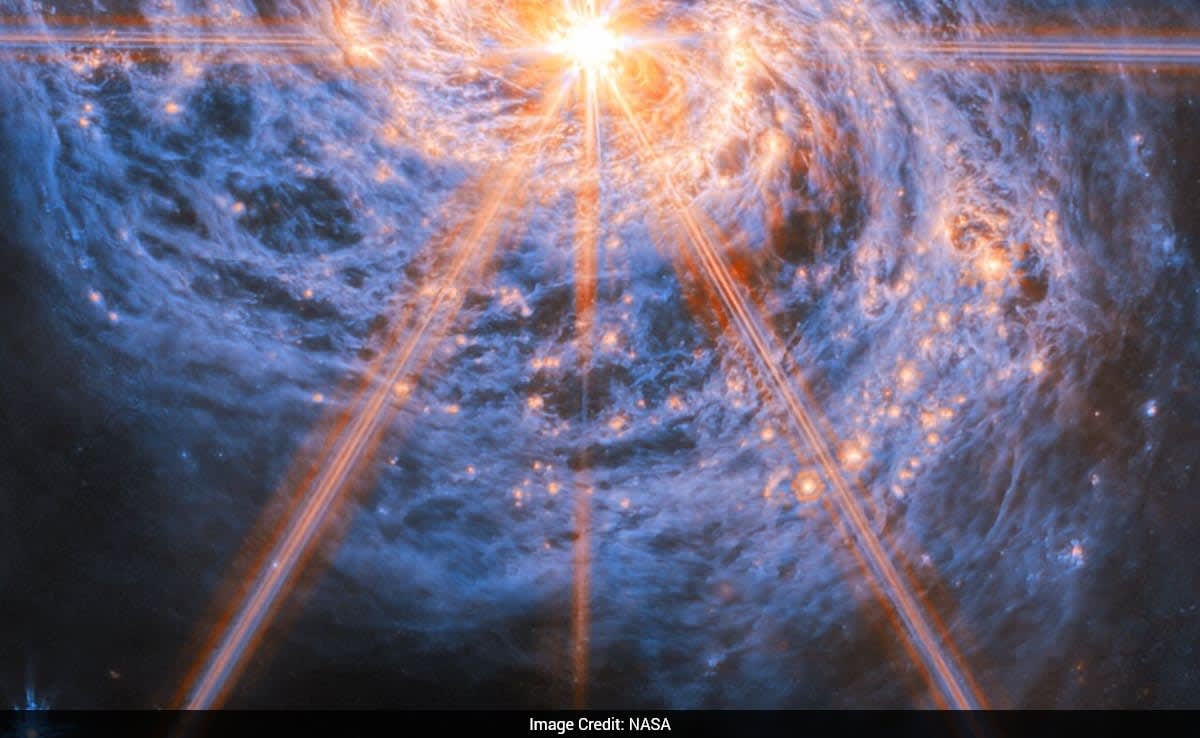
Webb Telescope Reveals Stunning View of Squid Galaxy

NASA's James Webb Space Telescope just captured a breathtaking new image of a spiral galaxy 45 million light-years away, revealing star nurseries and cosmic structures never seen this clearly before. The galaxy's tentacle-like filaments earned it a fitting nickname: the Squid Galaxy.

Google: James Webb telescope3 min read
Hubble Captures Dying Star's Light Show 1,000 Light-Years Away
Daily MixFeb 11

Hubble Captures Dying Star's Light Show 1,000 Light-Years Away

The Hubble Space Telescope has captured a stunning new image of the Egg Nebula, revealing intricate patterns of light and dust around a star in its final stages. Scientists are using this rare glimpse to understand how dying stars like our Sun create the building blocks for future planets.

Google News - Science3 min read
Stars Collide to Create Life's Building Blocks, Webb Reveals
Planet WinsJan 22

Stars Collide to Create Life's Building Blocks, Webb Reveals

The James Webb Space Telescope discovered what happens when two stars merge in a cosmic explosion called a red nova: they create a supermassive star that spreads carbon compounds essential for life. Scientists found these stellar collisions may have provided the raw materials that made life on Earth possible.

Space.com3 min read
Webb Telescope Finds Stars That Merge Create Life's Building Blocks
InnovationJan 22

Webb Telescope Finds Stars That Merge Create Life's Building Blocks

The James Webb Space Telescope discovered what happens when two stars collide and merge in a spectacular explosion called a luminous red nova. The cosmic crashes create supermassive stars and carbon-rich dust that may have provided the raw materials for life on Earth.

Google: James Webb telescope3 min read

Showing 20 of 23