
Art-Science Partnerships Gain Recognition as Trust Tool
Scientists are calling for more collaborations between artists and researchers to rebuild public confidence in science. The strategy comes as funding cuts threaten research programs worldwide.
Find uplifting stories about heroes, innovations, and solutions
12286 results for "storm science"
Scientists are calling for more collaborations between artists and researchers to rebuild public confidence in science. The strategy comes as funding cuts threaten research programs worldwide.

A major science organization is launching a digital series that shows how Earth science research translates into real solutions for communities worldwide. The series premiews in December 2026 and goes global in January 2027.

University researchers discovered that Dallas, Austin, San Antonio, and Houston don't just experience weather—they actively shape it. After studying over 40,000 storms, scientists found urban areas influence where storms form and how powerful they become. ##

Over 900 Calgary students from Grade 5 to 12 are presenting their self-designed science experiments at the city's largest youth science fair this weekend. Two Grade 12 students developed a promising wound infection detector using red cabbage extract after a cooking accident sparked their curiosity.
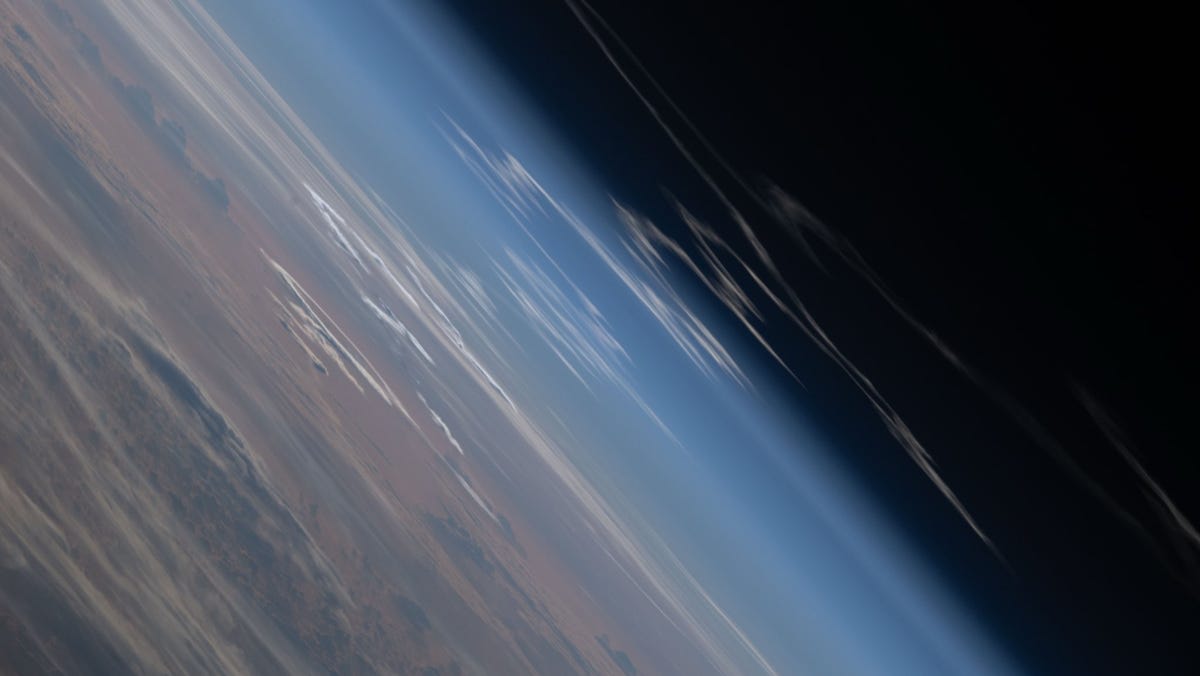
You don't need a spacesuit to contribute to human space exploration. NASA's citizen science projects let anyone with internet access help make space travel safer, from tracking solar storms to testing space crops.
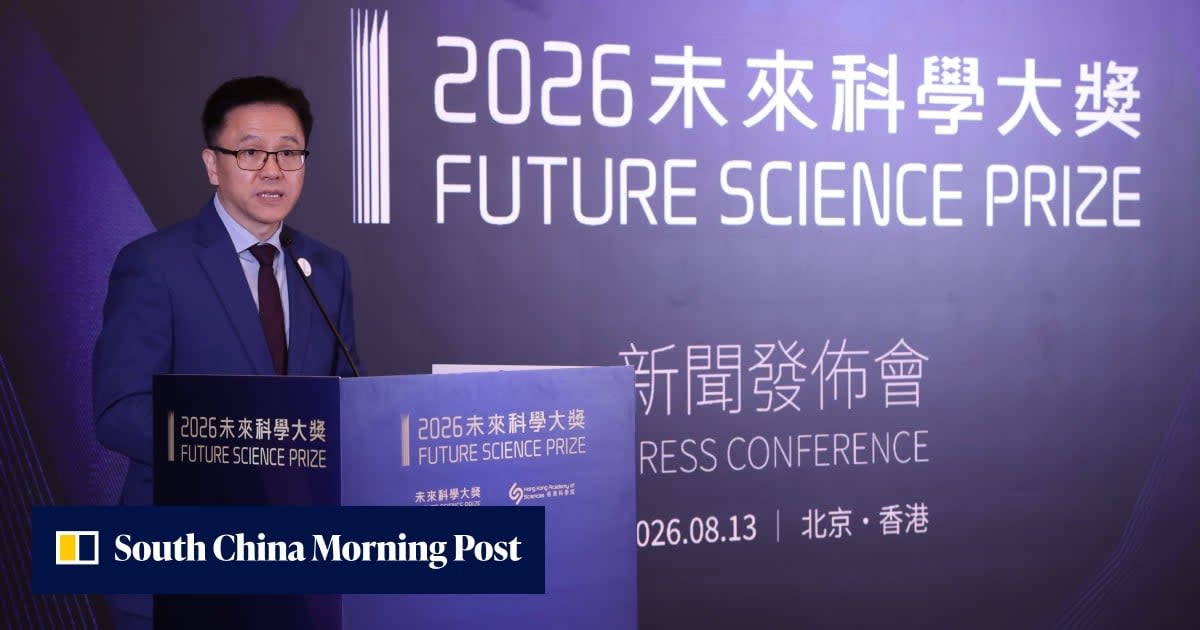
Three Chinese scientists won major awards for breakthrough research as Hong Kong cements its role as Asia's science hub. The Future Science Prize, China's first privately funded research award, chose the city for its fourth consecutive year.
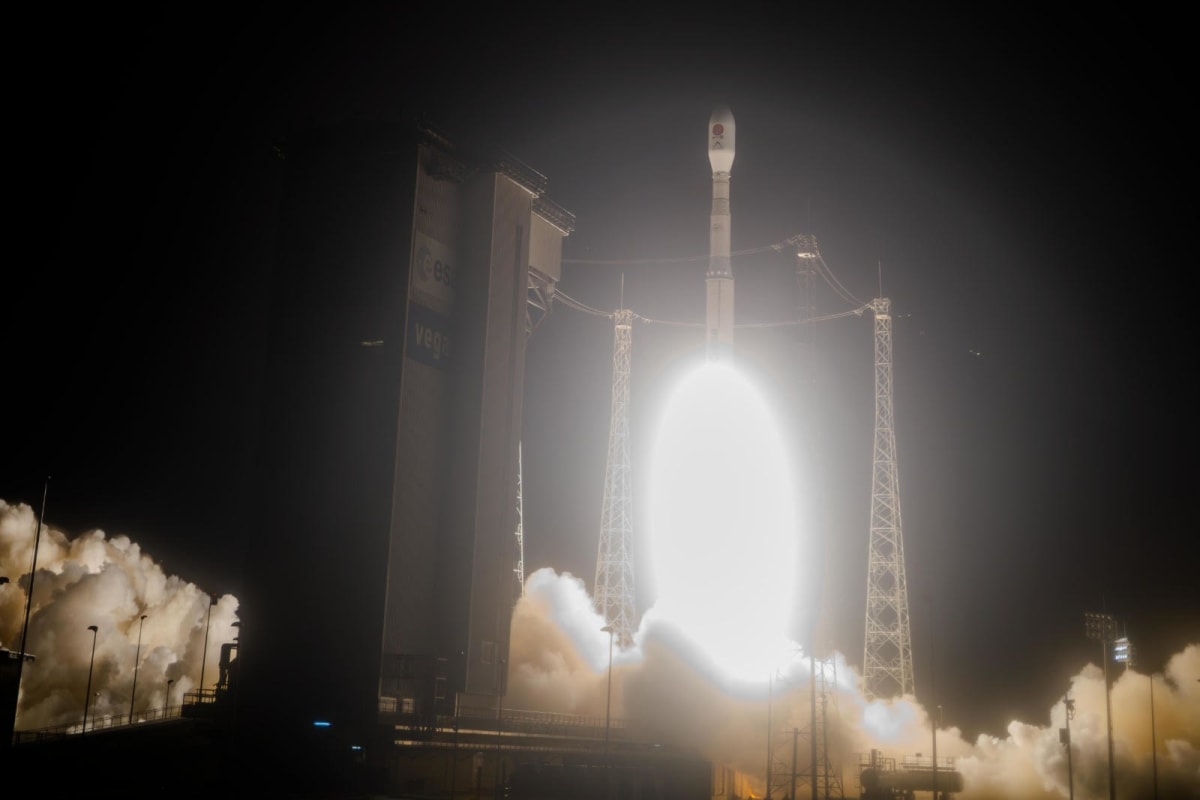
A groundbreaking satellite just launched to capture the first-ever images of Earth's invisible magnetic shield, helping scientists predict dangerous solar storms before they knock out power grids and communications. After more than a decade of international teamwork, SMILE will show us what protects our planet from space weather.
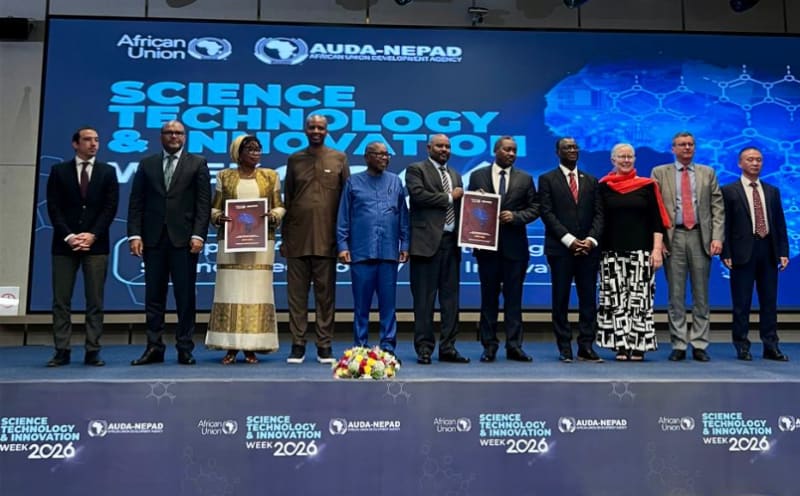
Six international partners just pledged $42 million to fuel Africa's ambitious 10-year science and innovation strategy. The funding will help African nations build stronger research systems and solve local challenges through homegrown science.
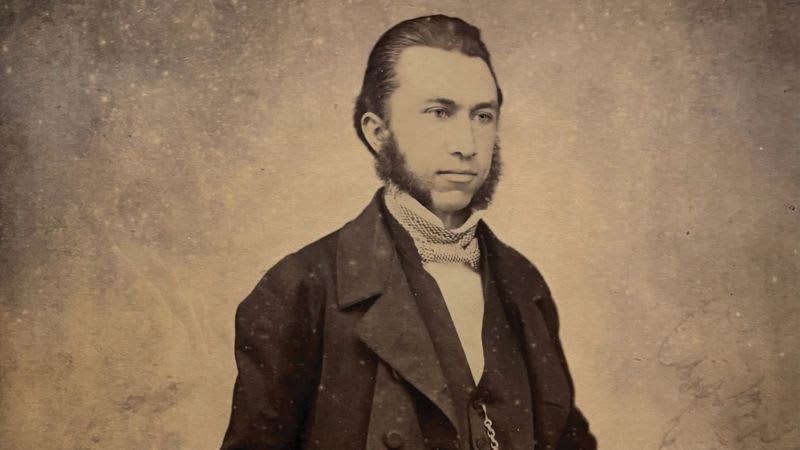
An archivist just discovered the only known photograph of Richard Carrington, the astronomer who witnessed the most powerful solar storm ever recorded in 1859. After 150 years of searching, the portrait turned up on eBay.

A public health professor is slashing his annual research output from 15 papers to just seven, betting that quality beats quantity in science. His radical move challenges a system where some researchers now pump out more than 60 papers yearly.
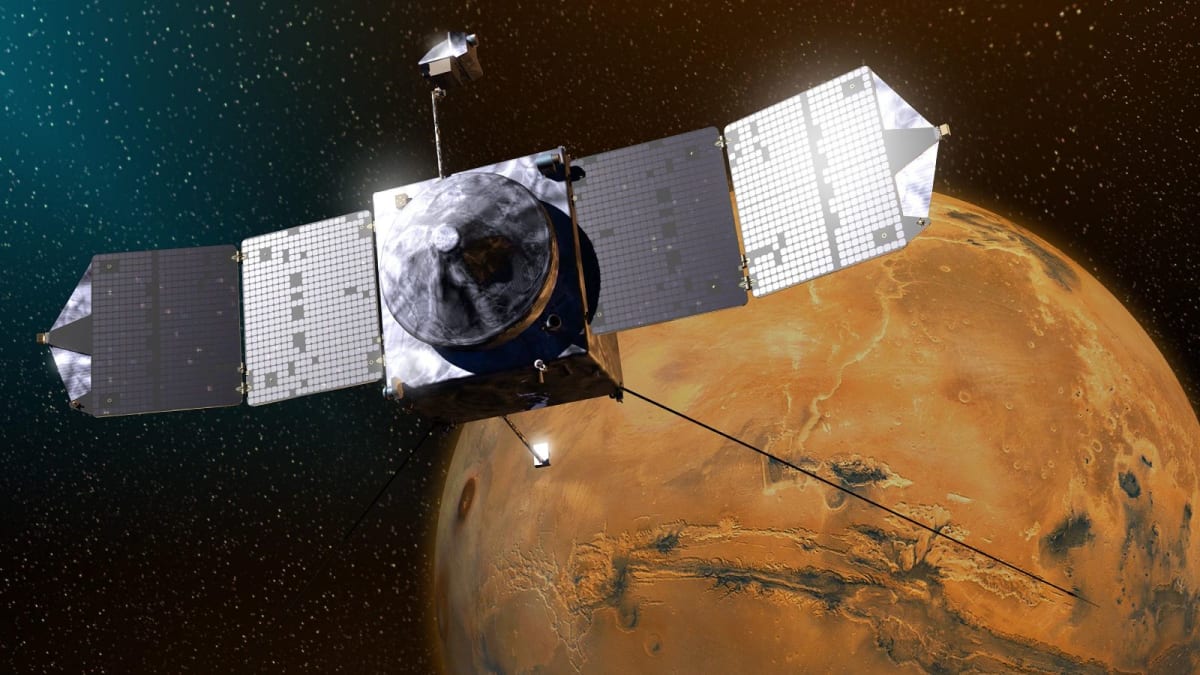
NASA scientists discovered an "impossible" phenomenon squeezing Mars' atmosphere during a 2023 solar storm. The find could protect future astronauts and missions to the Red Planet.
)
Trinity College just unveiled a privately funded plan to triple the Cambridge Science Park's size, creating 20,000 high-value jobs while opening a free public Park of Science to inspire local kids in STEM. The 50-year masterplan transforms Britain's oldest science park into a £3 billion innovation hub for life sciences, tech, and clean energy.
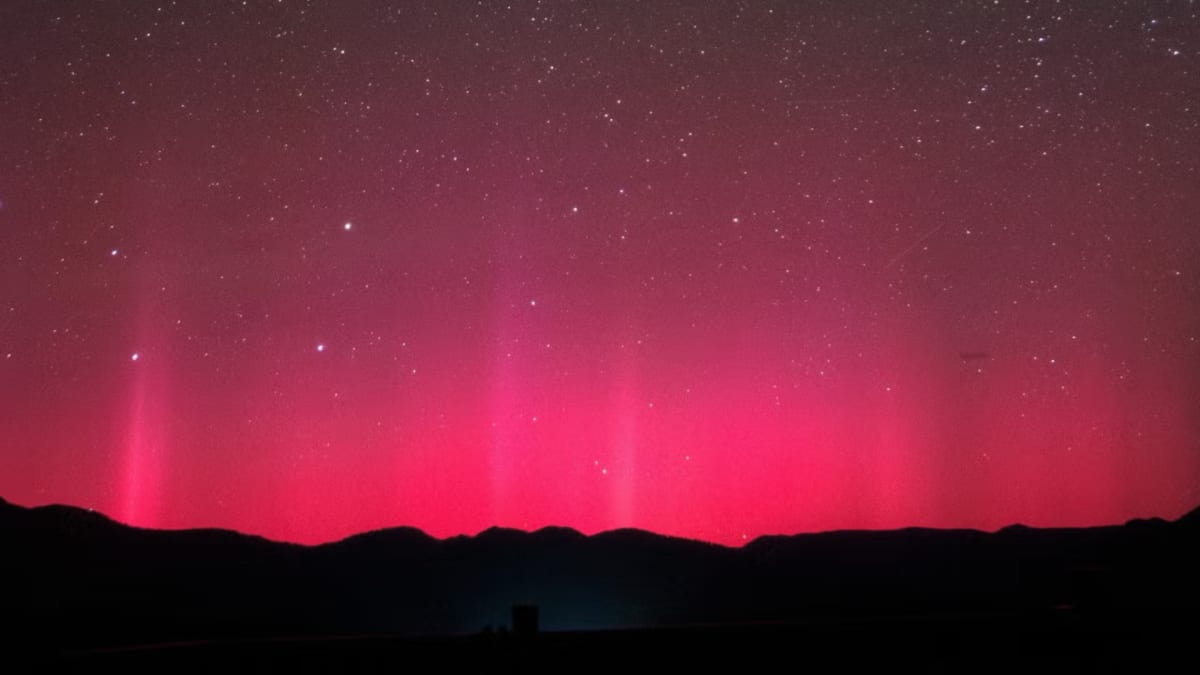
Scientists discovered evidence of a powerful solar storm from 1204 CE hidden in ancient tree rings, confirmed by a Japanese poet's diary entry about mysterious red lights. The find reveals our sun was far more active 825 years ago than researchers previously thought.
China's largest research institution is redirecting funds from expensive Western science journals to build its own publishing system. The move could reshape global science publishing and make research more accessible worldwide.
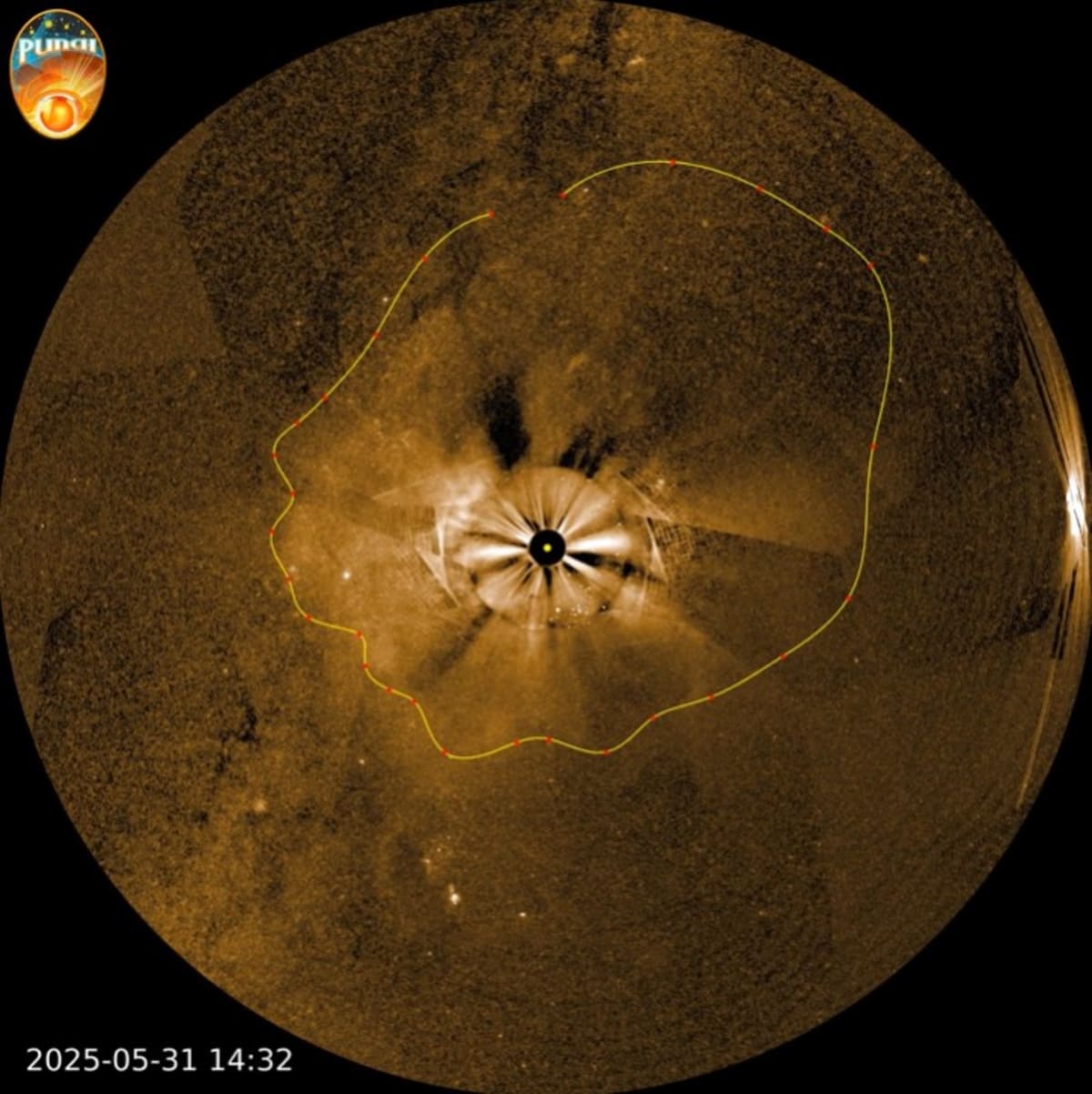
Scientists using NASA's new PUNCH mission forecasted a solar storm's arrival time 10 times more accurately than current methods, getting within 30 minutes of the actual impact. The breakthrough could revolutionize how we protect power grids, satellites, and astronauts from dangerous space weather.
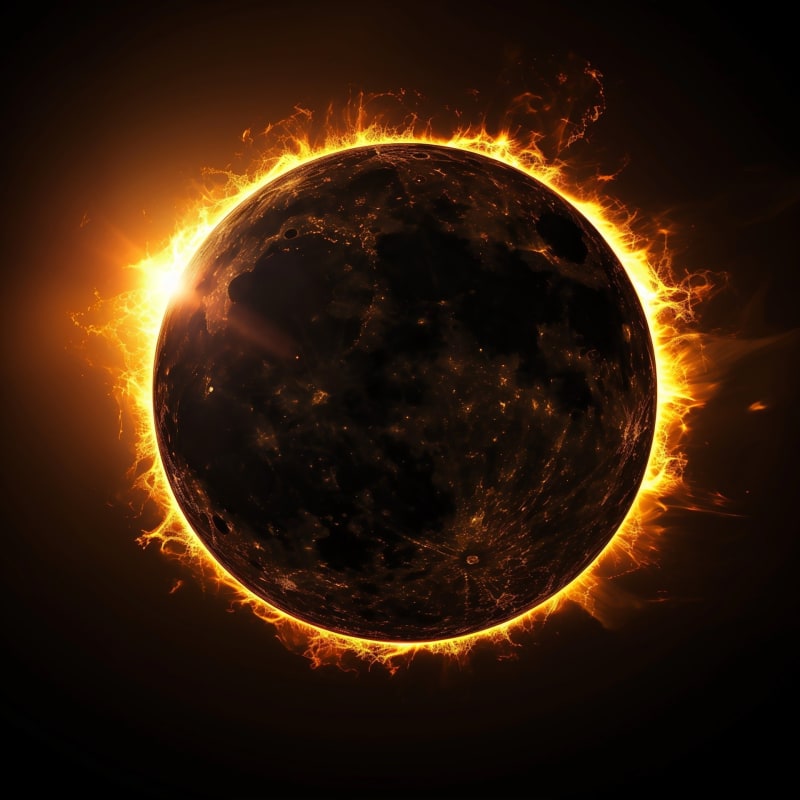
A UK-led space mission aims to create total solar eclipses on demand, giving scientists an unprecedented view of the sun's atmosphere to better forecast damaging solar storms. The innovation could protect our tech-dependent world from billion-dollar disruptions.
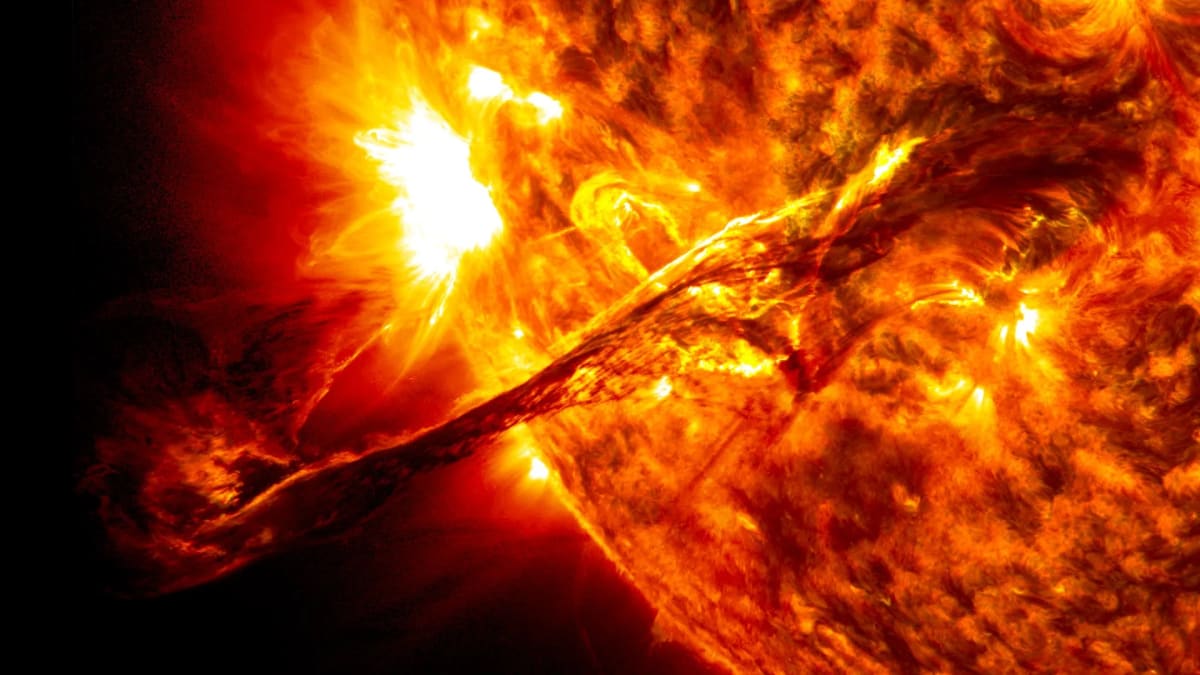
A breakthrough forecasting method could give us seven years' warning before the next major solar storm cycle hits. Scientists discovered the Sun's extreme weather switches off suddenly at a specific point, offering a clear prediction window.

The National Science Foundation just launched a $100 million program to transform existing scientific datasets into AI-ready tools that could accelerate breakthroughs across research fields. Instead of collecting new data, scientists will unlock hidden insights from decades of valuable research already sitting in databases.
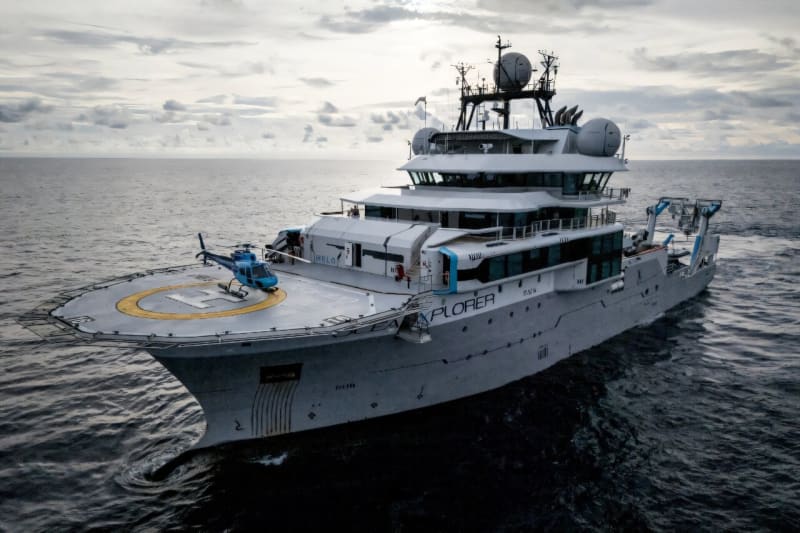
A billionaire-backed vessel is revolutionizing marine research by pairing cutting-edge science with Hollywood-level storytelling. OceanXplorer partners with local scientists worldwide to explore the deep sea while sharing discoveries with millions online.
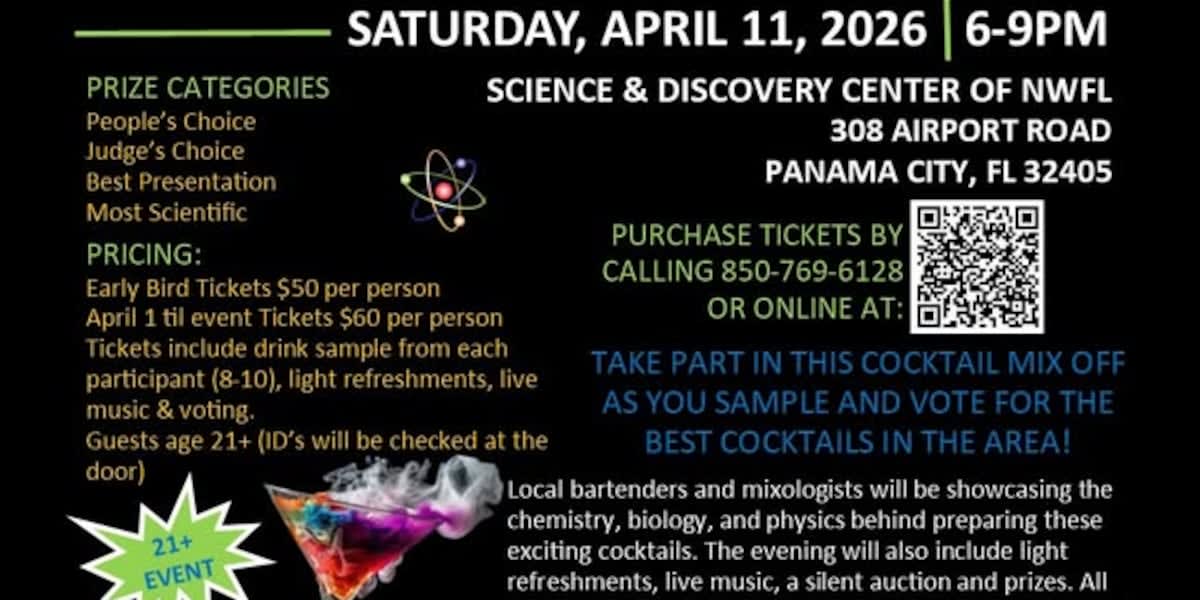
A Panama City science museum is turning cocktail hour into a chemistry lesson. Local bartenders will demonstrate the science behind mixology while guests vote for the best drinks.
Showing 20 of 12286