
Dr. Pimple Popper Recovers from Stroke, Returns to Show
Reality TV dermatologist Dr. Sandra Lee survived a stroke last fall and bounced back to filming within months. Her recovery story offers hope for stroke survivors everywhere.
Find uplifting stories about heroes, innovations, and solutions
18 results for "stroke survivors"
Reality TV dermatologist Dr. Sandra Lee survived a stroke last fall and bounced back to filming within months. Her recovery story offers hope for stroke survivors everywhere.

A new chest implant is helping stroke survivors recover faster by "fertilizing" the brain during therapy sessions. Mark Wilson, the first Nebraska patient to receive it, is working toward his dream of golfing again.
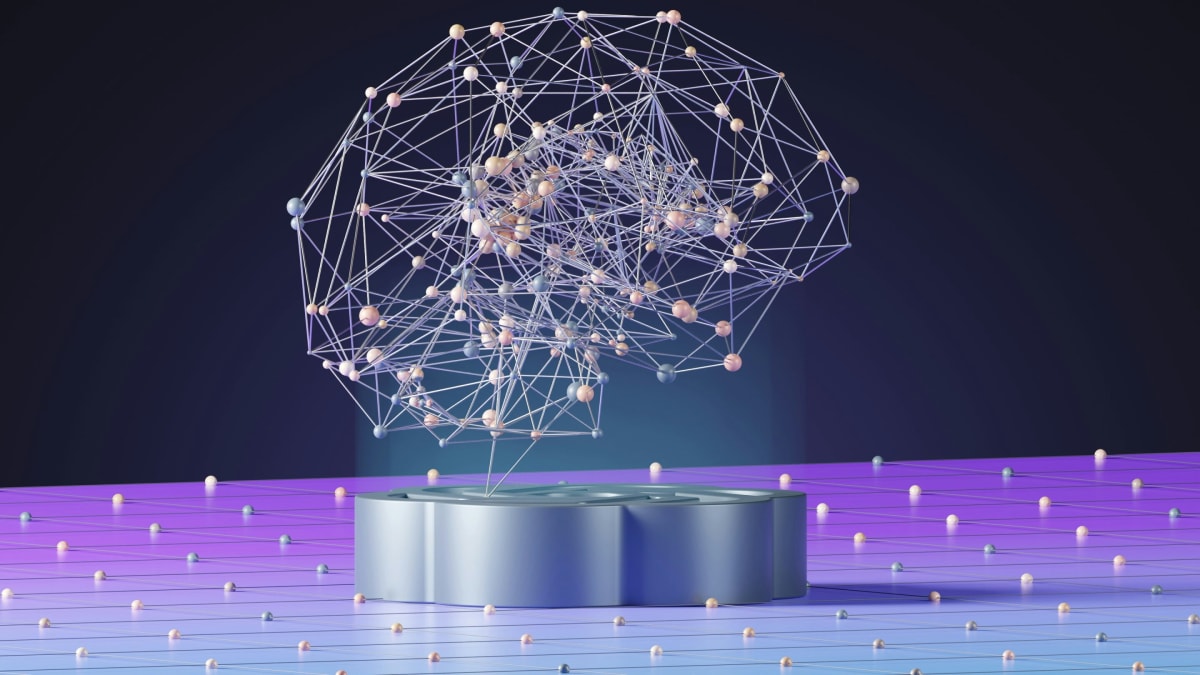
Researchers have released the world's first open dataset combining two brain imaging methods that track stroke recovery, allowing scientists everywhere to develop better rehabilitation tools. The free data could help millions of stroke survivors regain movement faster.
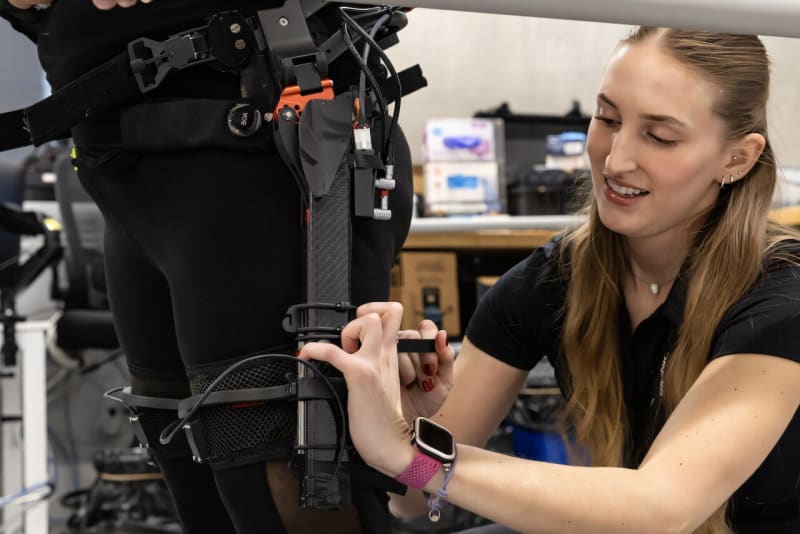
University of Utah engineers created a 5.5-pound hip exoskeleton that reduces the energy stroke survivors need to walk by nearly 20%. The device is the first to successfully help people with hemiparesis, a condition affecting 80% of stroke survivors.
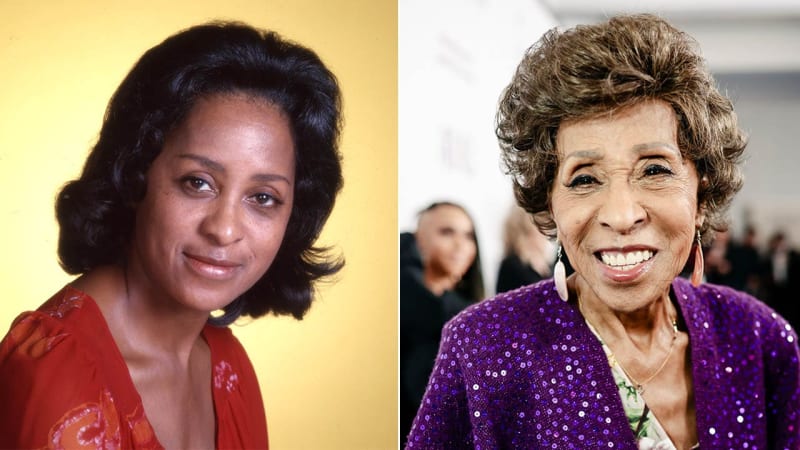
At 60, "The Jeffersons" star Marla Gibbs survived a brain aneurysm and stroke that doctors said most people don't make it through. Now at 94, she's sharing how she fought her way back to acting and never gave up on her dreams.
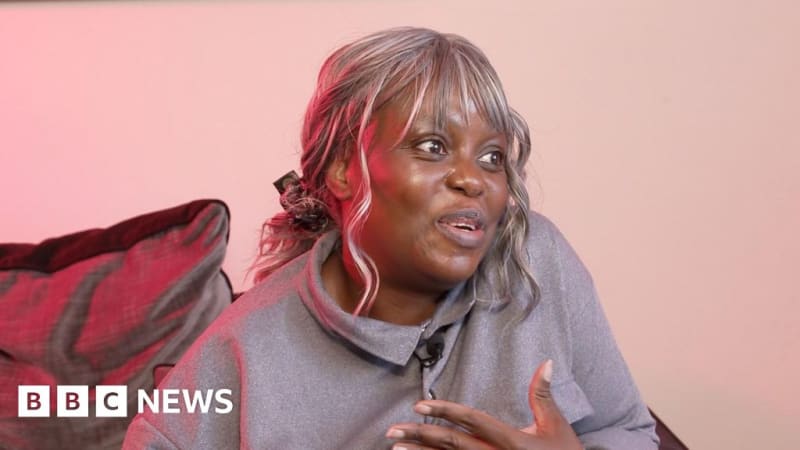
A groundbreaking NHS trial is testing an earpiece device that helps stroke survivors recover arm function from home. Amanda James-Hammett, who lost movement at 37, can now sew, dress herself, and carry tea again after 12 weeks of treatment.
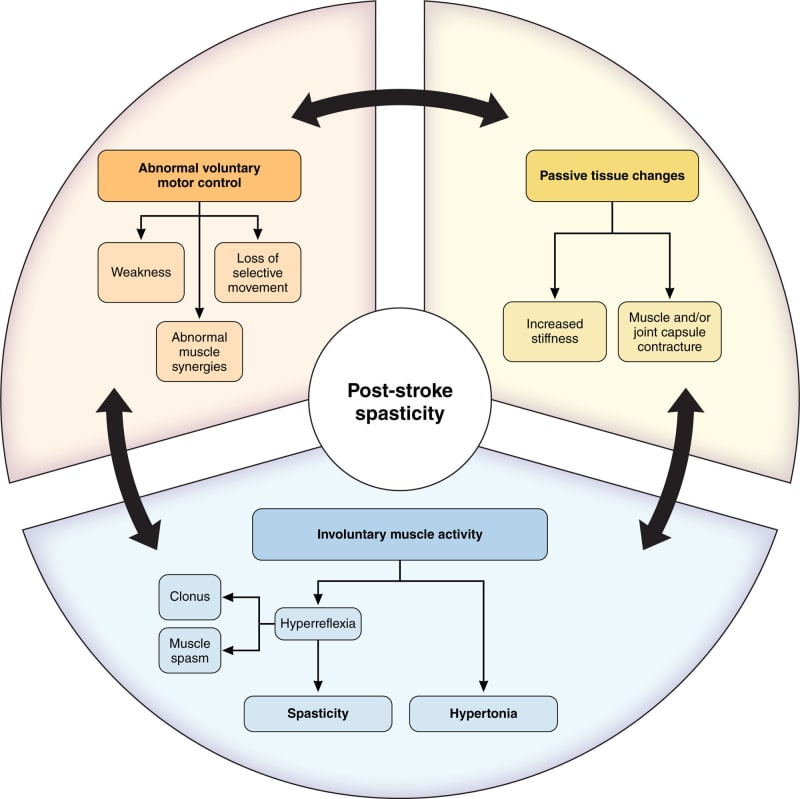
Researchers at UT Health San Antonio are revolutionizing stroke recovery by urging doctors to diagnose and treat painful muscle stiffness much earlier. This shift could help millions of stroke survivors walk, move, and reclaim their independence.
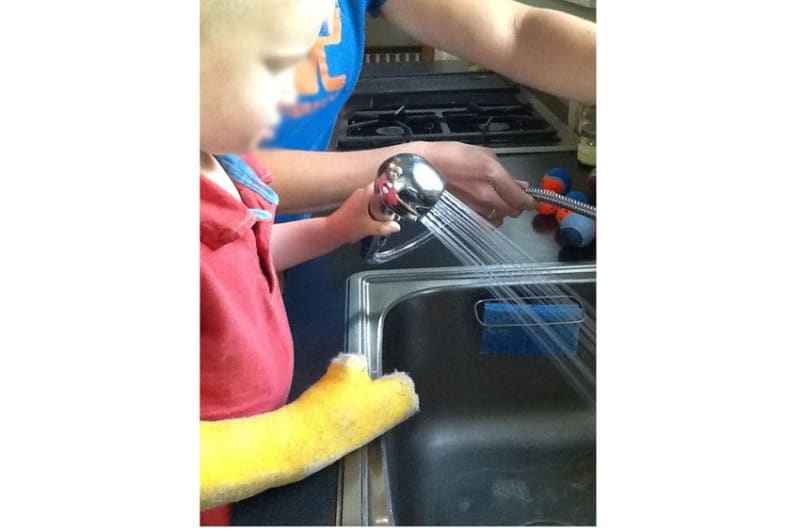
Babies who survived strokes before or shortly after birth showed remarkable improvement using a new high-dose therapy that helped them strengthen their weaker arm and hand. Six months after treatment, these tiny fighters gained significantly more skills than those receiving standard care.
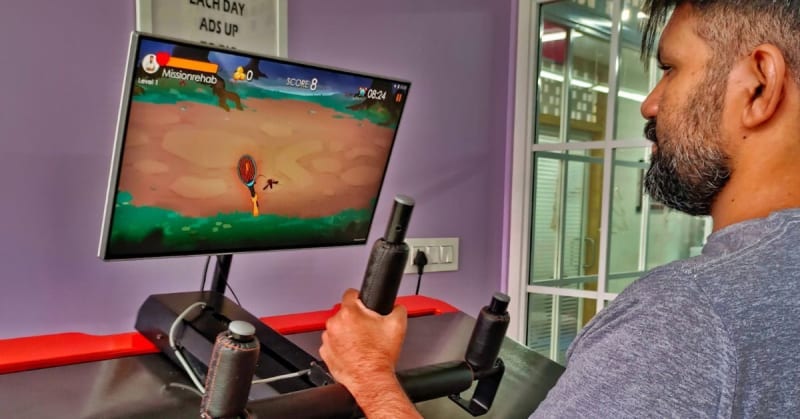
An Indian startup turned rehabilitation into an interactive game, helping stroke survivors achieve ten times more repetitions than traditional therapy. With 1.8 million new stroke cases annually in India, this technology is bringing affordable recovery care to patients nationwide.
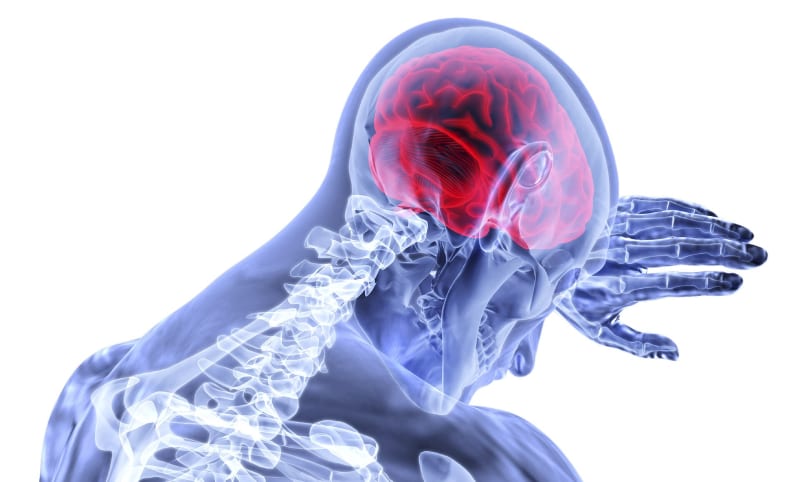
A breakthrough medication called asundexian reduces the chance of having another stroke by 26% without increasing dangerous bleeding risks. Nearly 1 in 4 stroke survivors faces another stroke, but this discovery could change their future.
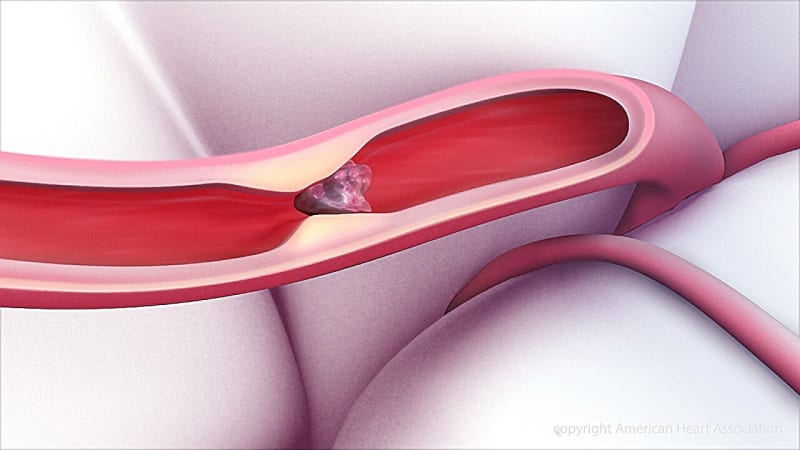
A breakthrough stroke treatment combining clot removal with medication helped 57% of patients fully recover, compared to just 42% with standard care. The simple addition could transform outcomes for thousands of stroke survivors worldwide.
A groundbreaking clinical trial shows that training the less-impaired arm after stroke significantly improves motor skills, even years later. This discovery could transform daily life for millions of stroke survivors who rely on their "good" arm.
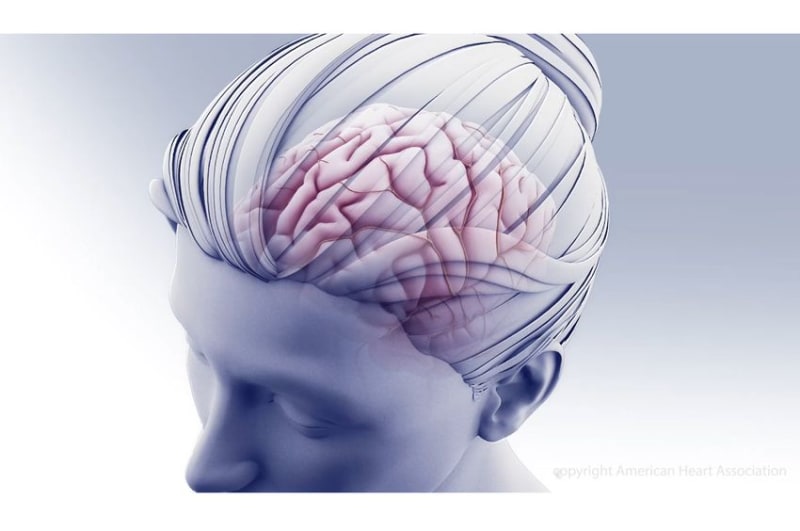
A new smartwatch app tracks social interaction in hospitalized stroke patients with 94% accuracy, opening doors to treatments that fight isolation and boost recovery. The technology works even for patients struggling with speech and language loss.
Stroke survivors who feel safe talking about their fears and emotions recover faster physically and mentally than those who keep feelings bottled up. A new study shows that emotional openness matters just as much as stroke severity for long-term recovery.
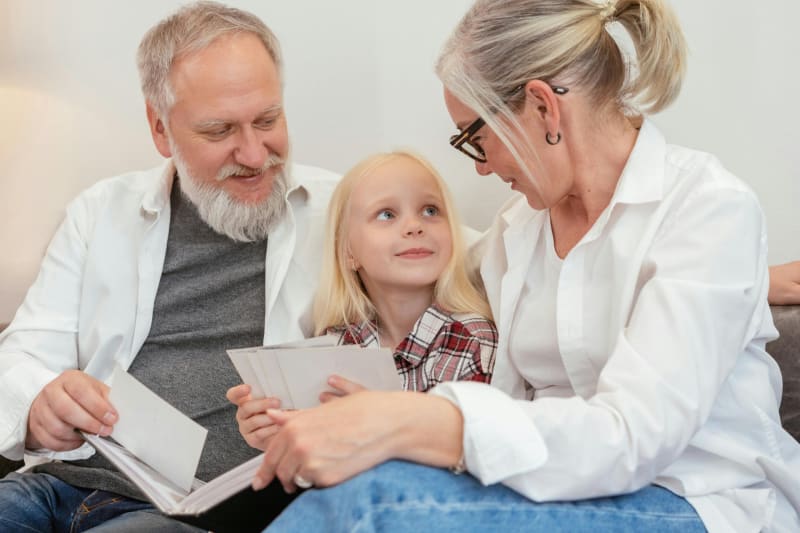
A new smartwatch app helps doctors detect social isolation in stroke survivors with 94% accuracy, opening doors to better recovery treatments. The technology works even for patients who've lost speech abilities.
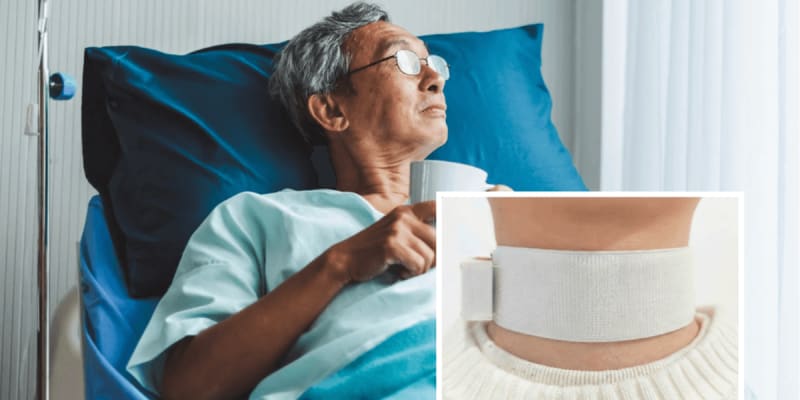
A wearable AI device worn around the neck is giving stroke survivors with speech disorders the ability to communicate clearly again, detecting both words and emotions with 96% accuracy. Five patients have already experienced dramatically improved speech quality with less physical strain.
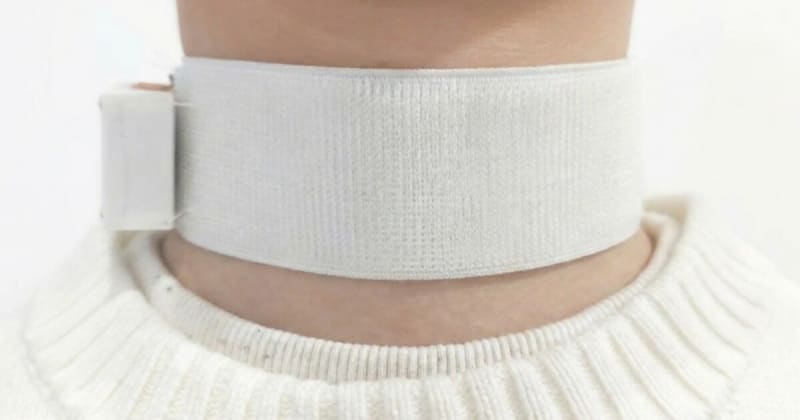
A wearable AI device called Revoice helps stroke survivors communicate naturally by reading throat movements and emotions, turning silently mouthed words into full sentences. Five patients tested it with 95% accuracy, reporting they could finally speak as fluently as before their strokes.
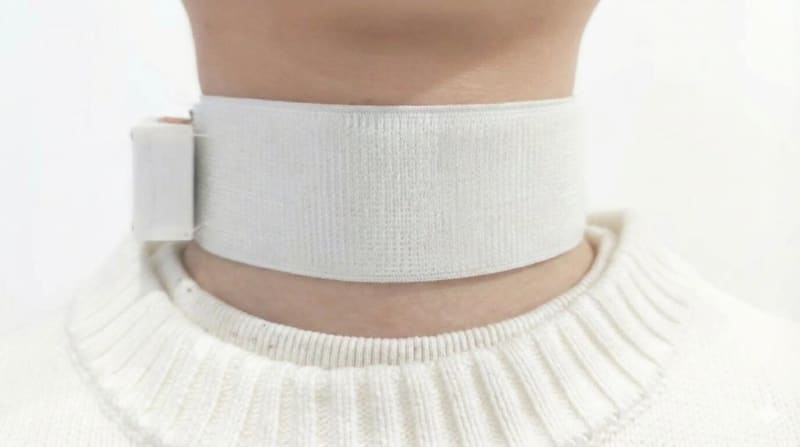
A wearable choker turns mouthed words into full sentences for stroke survivors who lost the ability to speak clearly. The AI-powered device achieved 97% accuracy without invasive brain surgery.