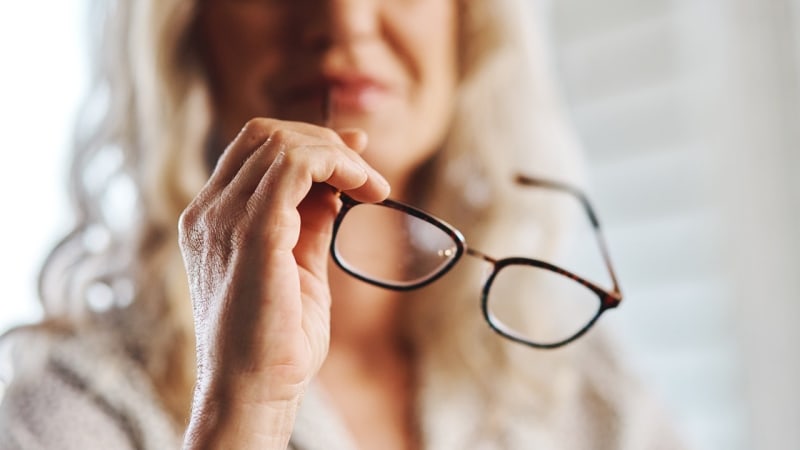
5 Ways to Protect Your Vision as You Age
Millions face vision loss from age-related macular degeneration, but simple lifestyle changes can help delay or prevent the condition. An NYU ophthalmologist shares science-backed steps anyone can take today.
Find uplifting stories about heroes, innovations, and solutions
11 results for "vision loss"

Millions face vision loss from age-related macular degeneration, but simple lifestyle changes can help delay or prevent the condition. An NYU ophthalmologist shares science-backed steps anyone can take today.

A single injection of experimental drug Axpaxli kept vision stable for up to a year in patients with age-related blindness, potentially reducing treatment burden. The Phase 3 trial showed significantly better durability than the current standard treatment.

A common diabetes medication may protect aging eyes from one of the leading causes of blindness. People over 55 taking metformin were significantly less likely to develop macular degeneration over five years.

Millions of adults struggling with age-related reading vision loss now have a new option beyond glasses. The FDA just approved Yuvezzi, the first eye drops combining two ingredients to restore near vision.

The FDA just approved Yuvezzi, the first dual-action eye drop that restores near vision for people over 40 without glasses or surgery. Unlike previous drops, it works for up to 10 hours with a single daily dose.

A cheap, widely available diabetes medication could save millions from the most common cause of blindness in older adults. Researchers found metformin reduces age-related macular degeneration progression by more than a third.

Japanese scientists created a contact lens that monitors eye pressure in real time, offering hope for millions at risk of glaucoma-related blindness. The breakthrough could transform how patients manage the leading cause of preventable vision loss.

Scientists have discovered breakthrough ways to slow nearsightedness in kids, potentially preventing blindness for millions. Simple lifestyle changes and new treatments could protect a generation of children from severe vision loss.

Scientists have created a wireless retinal implant thinner than a human hair that could one day restore sight to millions living with vision loss. The breakthrough device uses safe near-infrared light instead of risky visible light, eliminating the need for bulky electronics.
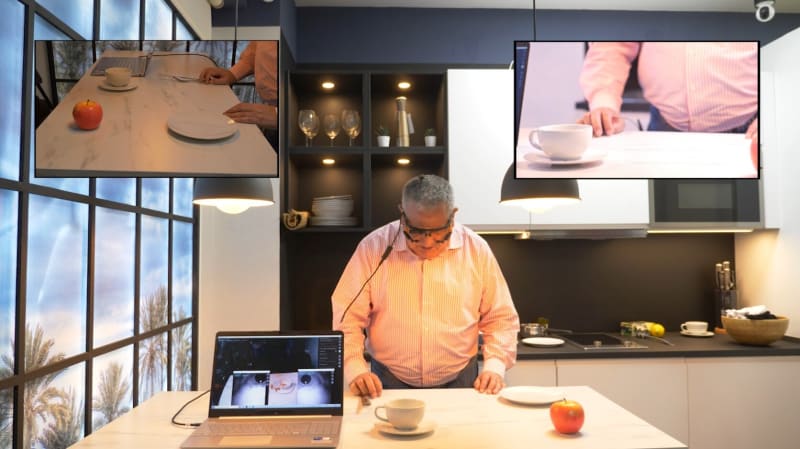
A Bengaluru startup just launched sleek eyewear that reads text, recognizes faces, and identifies obstacles for people with complete vision loss. The glasses look like regular eyewear, ending the stigma of bulky assistive devices.

Nine-year-old Prophet Ndungu was scared of burning toast, but that didn't stop him from making French toast at a Kansas City cooking class designed for blind and visually impaired kids. The program teaches young people essential kitchen skills so they can cook independently at home.