Harvard Cracks How Snakes Stand Upright Without Limbs
Scientists finally understand how tree snakes lift 70% of their bodies straight up without toppling over. The discovery could revolutionize soft robotics and flexible medical devices.
Find uplifting stories about heroes, innovations, and solutions
8 results for "wildlife science"

Scientists finally understand how tree snakes lift 70% of their bodies straight up without toppling over. The discovery could revolutionize soft robotics and flexible medical devices.

In 1960, Jane Goodall watched chimps use grass stems as tools to fish termites from mounds, shaking the scientific world's understanding of humanity. Her discovery sparked a revolution in how we view intelligence, culture, and our closest animal relatives. --- ##

Those adorable groundhogs predicting weather each February are actually helping scientists fight diseases like cancer, obesity, and heart disease. Their incredible hibernation abilities are unlocking medical breakthroughs that could transform human health.
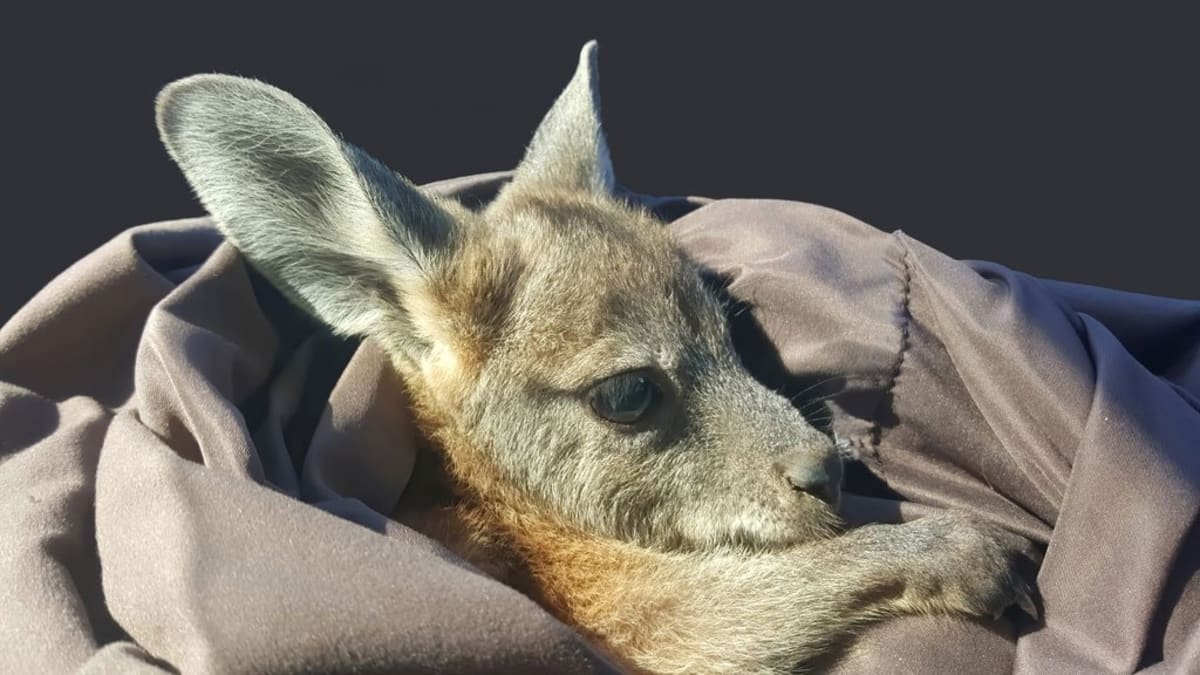
Giant kangaroos that roamed Australia 40,000 years ago weighed as much as a grand piano, yet new research reveals they could still bounce across the landscape. Their secret was super-thick ankle tendons and reinforced foot bones that made the impossible possible.

Scientists discovered that endangered red-nosed cuxiu monkeys crack rock-hard nuts with jaguar-strength jaws by targeting natural weak spots, protecting their teeth from breaking. This clever survival tactic lets them feast on foods other rainforest animals can't access.

Fewer than 1,000 Darwin's frogs survive in Chile and Argentina, but a breakthrough discovery about the fungus killing them offers new hope. The tiny frog carries its tadpoles in its vocal sac until they're fully developed, a behavior found nowhere else in nature.

Scientists discovered spiders in Peru, the Philippines, and Madagascar crafting spider-shaped sculptures from debris to protect themselves from predators. Some even shake their webs to make the decoys move like larger, more intimidating spiders.

Scientists discovered that fiddler crabs in Colombia's polluted mangrove forests are breaking down microplastics at record rates, absorbing 16 times the concentration found in soil. While not a cure-all, the discovery reveals how nature adapts to human-made challenges in unexpected ways.