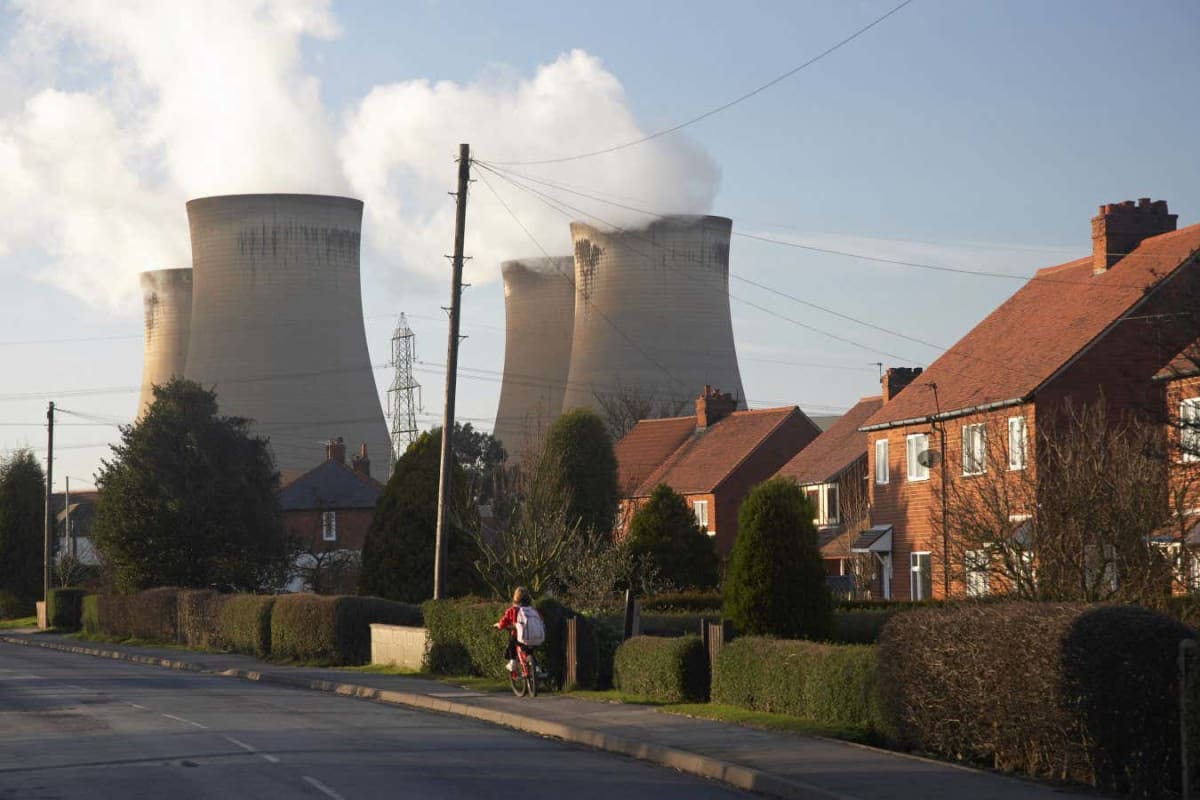
Flawed Climate Solution Fails, Pushing Cleaner Alternatives
A heavily promoted climate technology is proving too costly and ineffective to deploy at scale. Scientists say the failure is actually steering investment toward better solutions.
Find uplifting stories about heroes, innovations, and solutions
69 results for "carbon capture"

A heavily promoted climate technology is proving too costly and ineffective to deploy at scale. Scientists say the failure is actually steering investment toward better solutions.

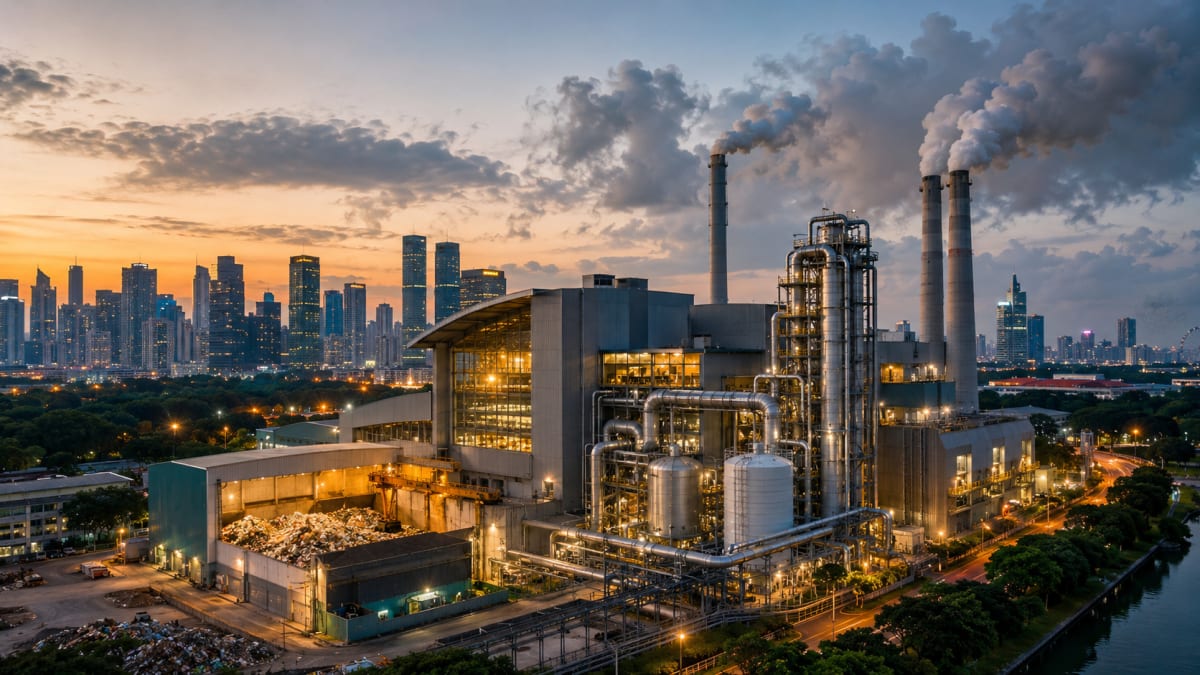
A billion-dollar climate technology that looked promising on paper turned out to make emissions worse, not better. Scientists just proved we dodged a costly bullet by not building it everywhere.

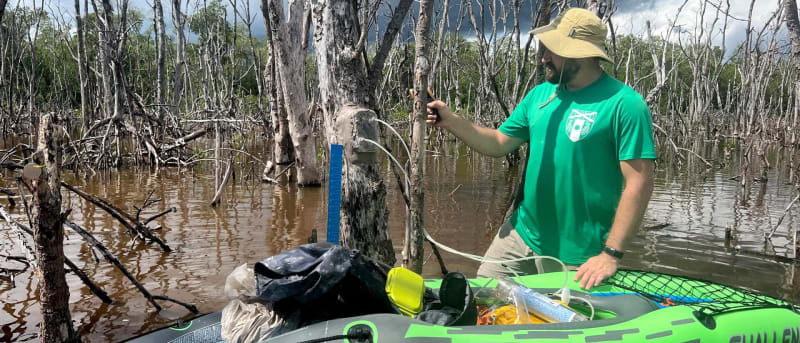
The expensive carbon capture technology that climate models relied on to save the planet isn't happening, and scientists say that's a win. Bioenergy with carbon capture would have made emissions worse for decades while costing taxpayers billions.

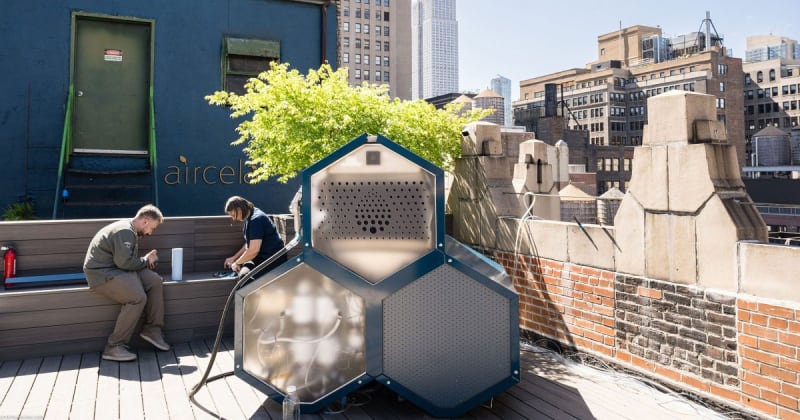
A California company just raised $27 million to expand technology that captures carbon emissions using advanced membranes, offering industries a proven way to cut pollution today. With 450 systems already running worldwide, this funding could accelerate cleaner air across petrochemical plants, refineries, and power stations.

Skyscrapers made of wood are sprouting up across North America, capturing carbon while reaching 25 stories high. The future of sustainable cities is being built from trees, one engineered timber beam at a time.

Norway just became the first country to capture carbon dioxide from wastewater biogas and store it permanently beneath the ocean floor. The breakthrough shows carbon removal technology can work at scale.

A green mineral called olivine naturally removes carbon from the air, but takes thousands of years to work. Graduate student Jenna Woods is now CEO of a company racing to make it happen faster.
Nigerian scientists discovered their country's coal deposits can trap carbon dioxide while releasing natural gas, offering a two-in-one climate solution. The breakthrough could help Nigeria cut emissions and strengthen energy security.

Two English regions are getting £30 million to slash industrial emissions and create new jobs through cutting-edge clean energy technology. The investment will help Hull, East Yorkshire, and Tees Valley become hubs for carbon capture, hydrogen power, and sustainable fuel innovation.

Dutch engineers have started building a groundbreaking pipeline network that will carry clean hydrogen to factories and captured carbon to safe storage beneath the North Sea. The 70km system marks a major step toward making industrial production cleaner across the region.

Seagrass meadows work like invisible bodyguards for coastlines, anchoring sediment and weakening waves before they reach shore. Scientists say protecting these underwater plants could help millions living near vulnerable beaches.

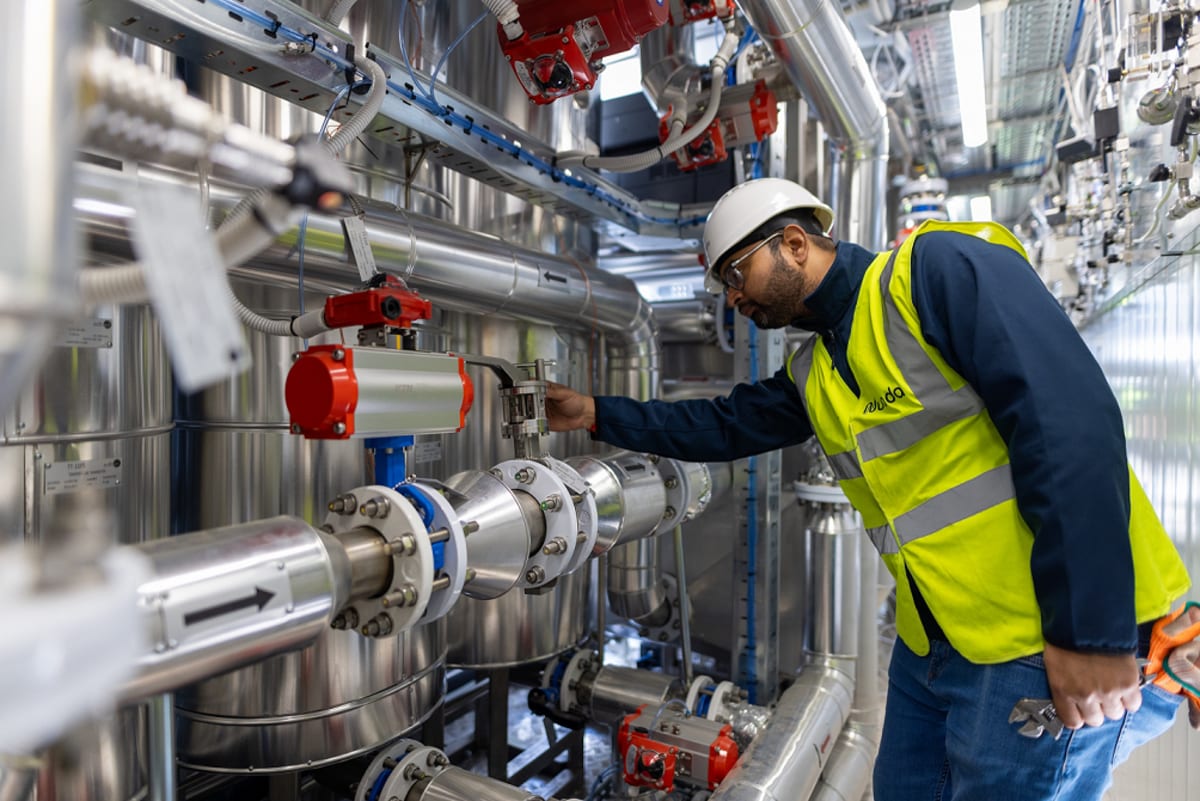
A breakthrough carbon material releases CO2 at just 60°C, low enough to run on factory waste heat instead of expensive energy. This could finally make carbon capture affordable for widespread use.

Rural communities in South Africa's Eastern Cape are fighting climate change while creating thousands of lasting jobs through innovative carbon capture projects. The win-win approach is restoring forests, improving farmland, and lifting people out of poverty.

A major Japanese brewery just proved that farmers can grow more food while fighting climate change. Field trials showed a simple soil treatment boosted barley yields by up to 11% and captured half a ton of carbon per acre.

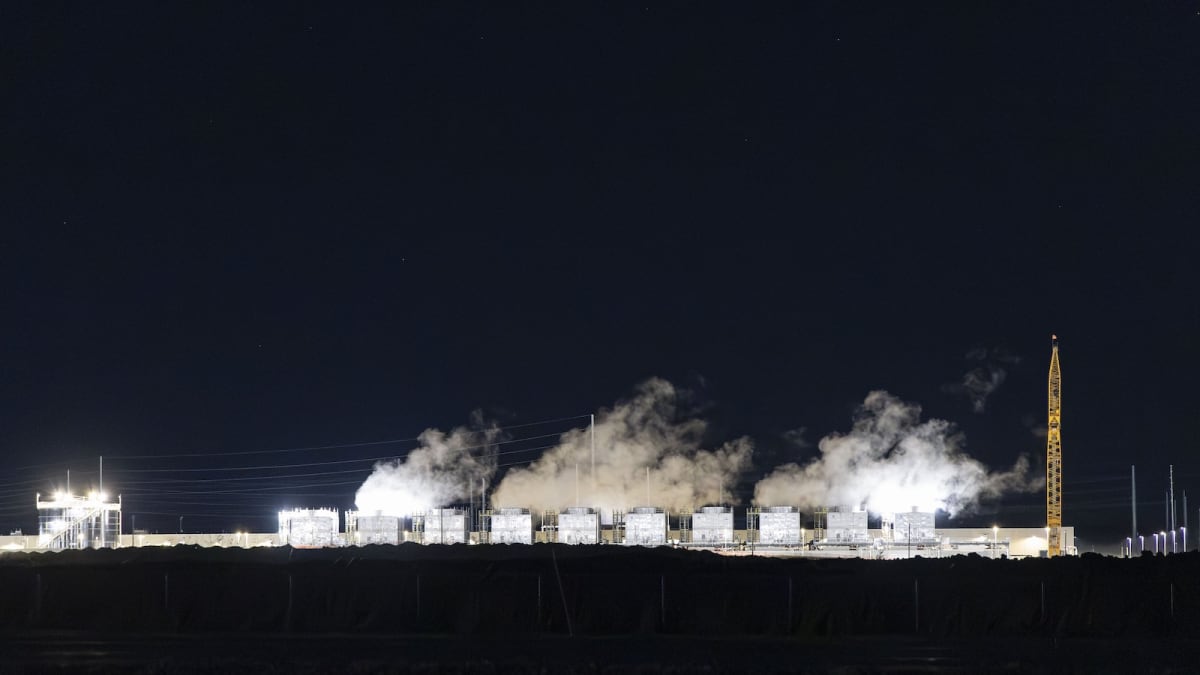
A proposed Nebraska project could power one of America's largest data centers while testing carbon capture technology at an unprecedented scale. The facility aims to meet surging AI energy demands without raising local electricity costs.

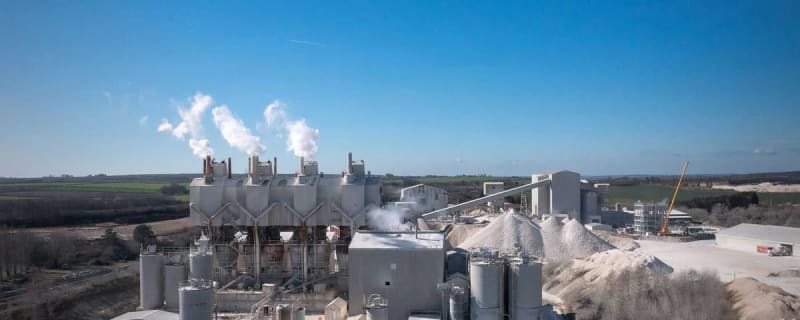
Thailand's cement manufacturers are launching a groundbreaking mobile carbon capture pilot that could transform how one of the world's most polluting industries reaches net zero emissions. This project brings together international partners and an $8 million investment to test cutting-edge technology across real cement plants.

Eurasian beavers are quietly fighting climate change by turning streams into carbon storage powerhouses. A new study finds their wetlands can capture up to 146 tons of carbon annually without any human infrastructure.

A 13-year study in Switzerland reveals that beaver-built wetlands store up to ten times more carbon than similar areas without beavers. These furry engineers could offset up to 1.8% of Switzerland's annual carbon emissions just by doing what they do best.

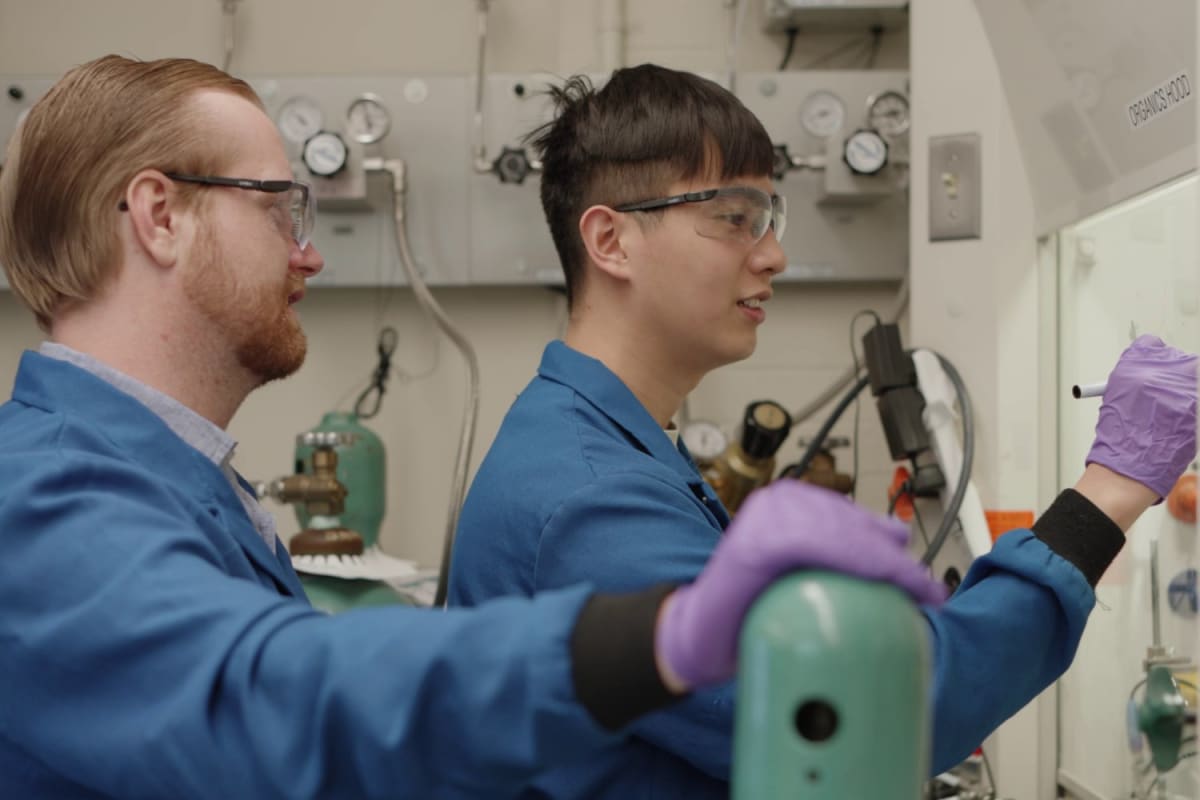
Researchers at ETH Zurich created a breakthrough catalyst that transforms carbon dioxide into methanol more efficiently than ever before. By using single atoms instead of metal clumps, they've opened a pathway to climate-neutral fuel production.

Scientists discovered that planting forests in the right locations matters more than planting billions of trees everywhere. Two reforestation plans differing by 450 million hectares can produce the same climate cooling effect.
Showing 20 of 69