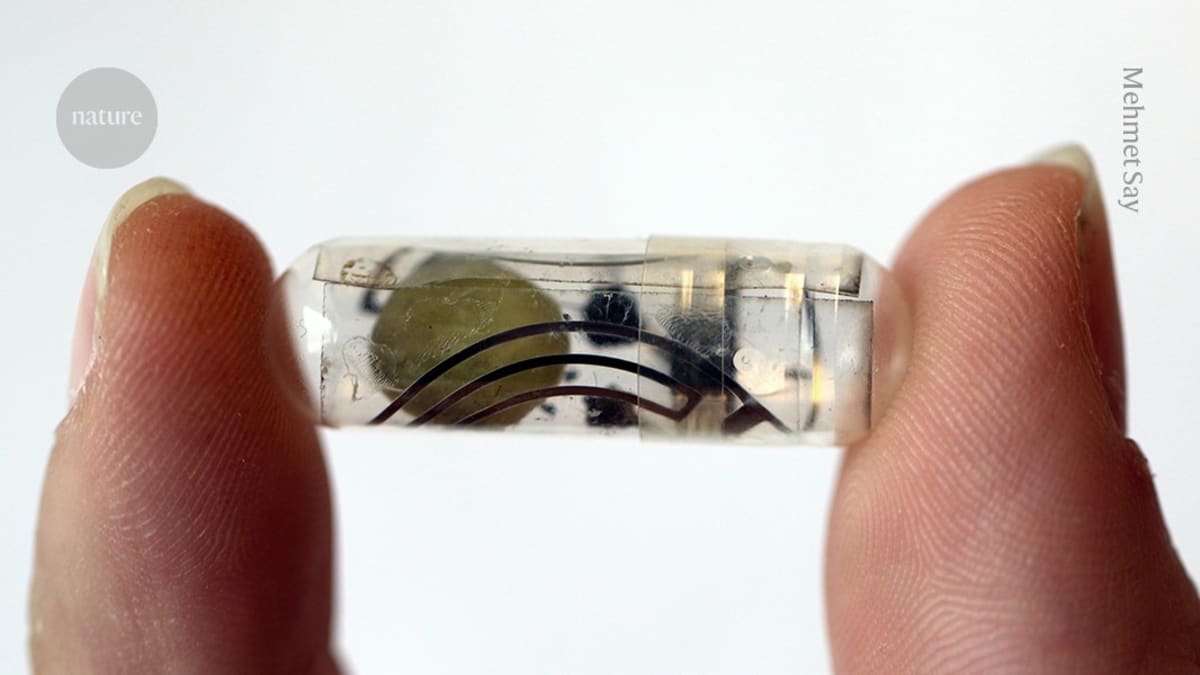
Rice Paper Battery Powers Medical Devices You Can Swallow
Scientists created a fully digestible battery inspired by candy wrappers that can power medical devices inside your body. After doing its job, it safely dissolves and gets absorbed like food.
Find uplifting stories about heroes, innovations, and solutions
3224 results for "digestible devices"
Scientists created a fully digestible battery inspired by candy wrappers that can power medical devices inside your body. After doing its job, it safely dissolves and gets absorbed like food.
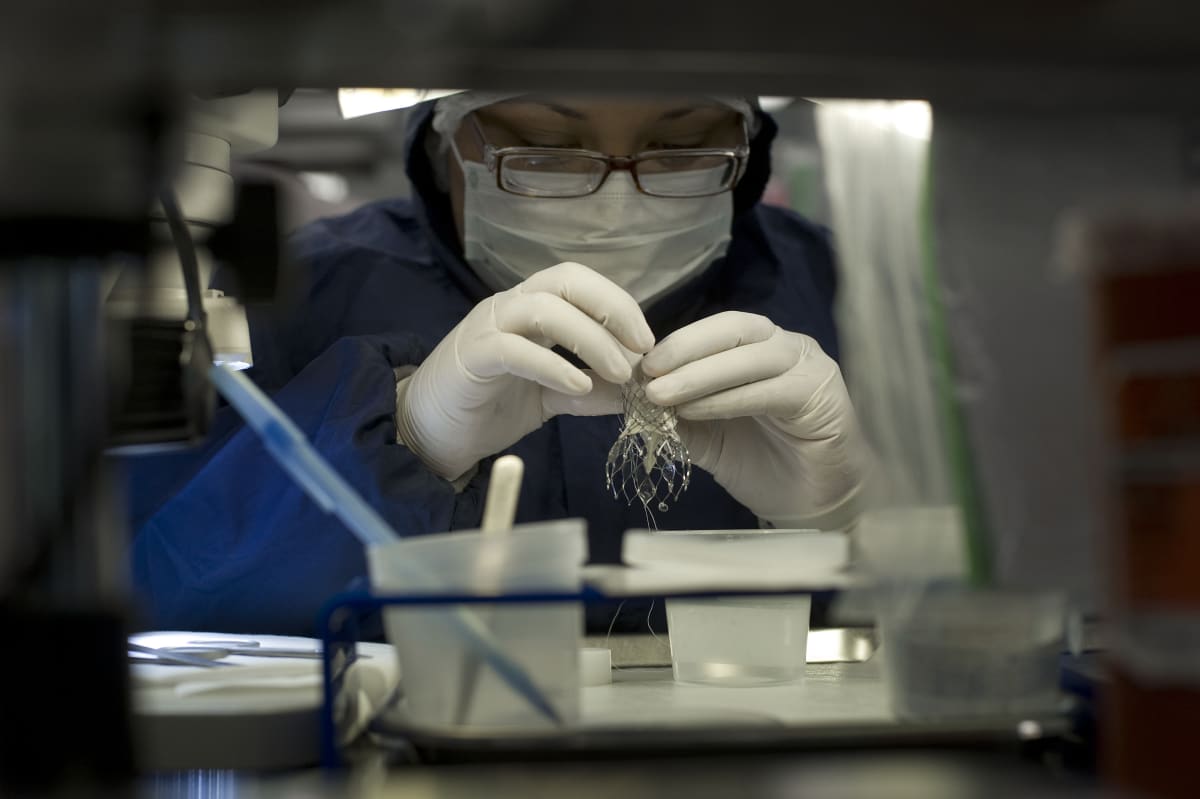
Patients with life-threatening conditions will now get faster access to cutting-edge medical devices thanks to a new federal program that eliminates months of insurance wait times. The government is coordinating device approval with insurance coverage, removing one of healthcare's biggest bottlenecks. #

Life-saving medical devices will reach patients up to 10 months faster thanks to a groundbreaking partnership between the FDA and Medicare. The new RAPID program could help 60 devices get immediate coverage approval.
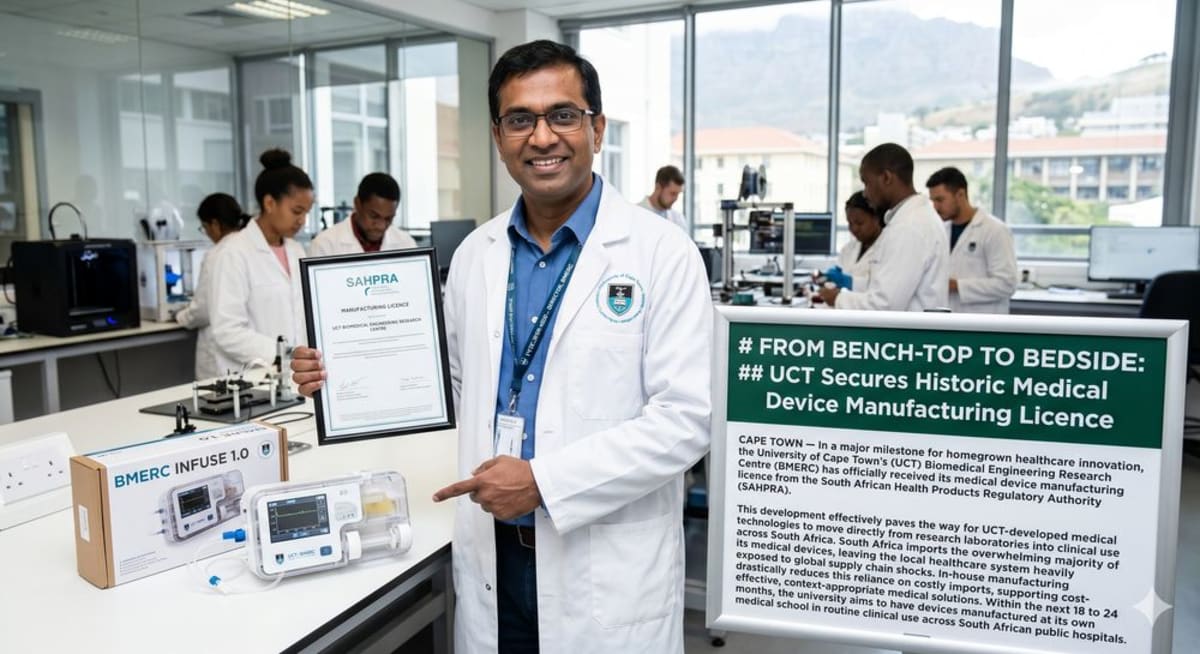
South Africa's University of Cape Town can now legally manufacture and distribute medical devices designed specifically for African patients. After a decade of research producing 23 patents and 100,000 devices globally, UCT's innovations can finally reach local hospitals.

A groundbreaking study shows that a small implanted device can protect atrial fibrillation patients from strokes just as well as daily medications. After three years, patients with the Watchman FLX device had equally safe outcomes while avoiding long-term blood thinners.

Breakthrough medical devices will now get insurance coverage in as little as two months instead of over a year, thanks to a new federal program launched this week. The change means patients could access life-saving heart valves, rhythm devices, and nerve stimulators far sooner.

Federal agencies just launched a new pathway to get breakthrough medical devices covered by Medicare faster. The program could help millions of seniors access life-changing technology sooner.

Danish soccer star Christian Eriksen collapsed during a match on Sunday, but the tiny device in his chest shocked his heart back to rhythm within seconds. Three years after his first cardiac arrest, his implantable defibrillator proved why athletes with heart conditions can still compete at the highest levels.
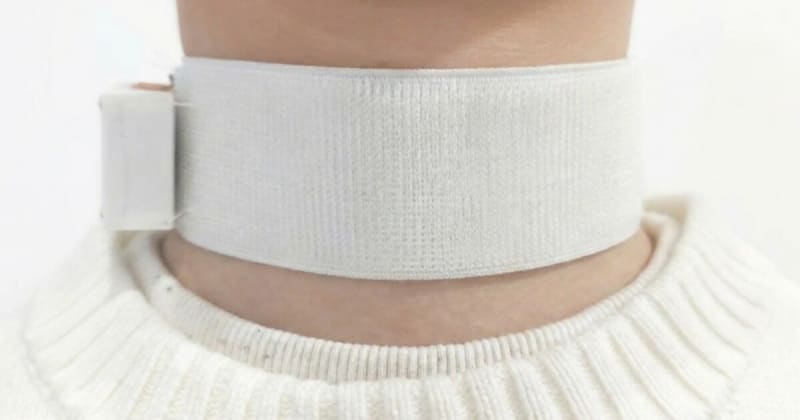
A wearable AI device called Revoice helps stroke survivors communicate naturally by reading throat movements and emotions, turning silently mouthed words into full sentences. Five patients tested it with 95% accuracy, reporting they could finally speak as fluently as before their strokes.

A new mobility device uses lidar and cameras to help people navigate safely, stopping before collisions happen while keeping riders in control. At $7,500, it's bringing aerospace-grade safety to everyday movement.

A researcher at Ohio State University has developed a simple clip and plug device that helps people regain their sense of smell. For the first time, smell loss patients are smelling coffee and chocolate again.
Federal regulators just launched a new pathway to get innovative medical devices covered by Medicare faster, potentially cutting years off the wait time for breakthrough treatments. The RAPID program aims to sync up safety reviews with coverage decisions so patients can access new technology sooner.
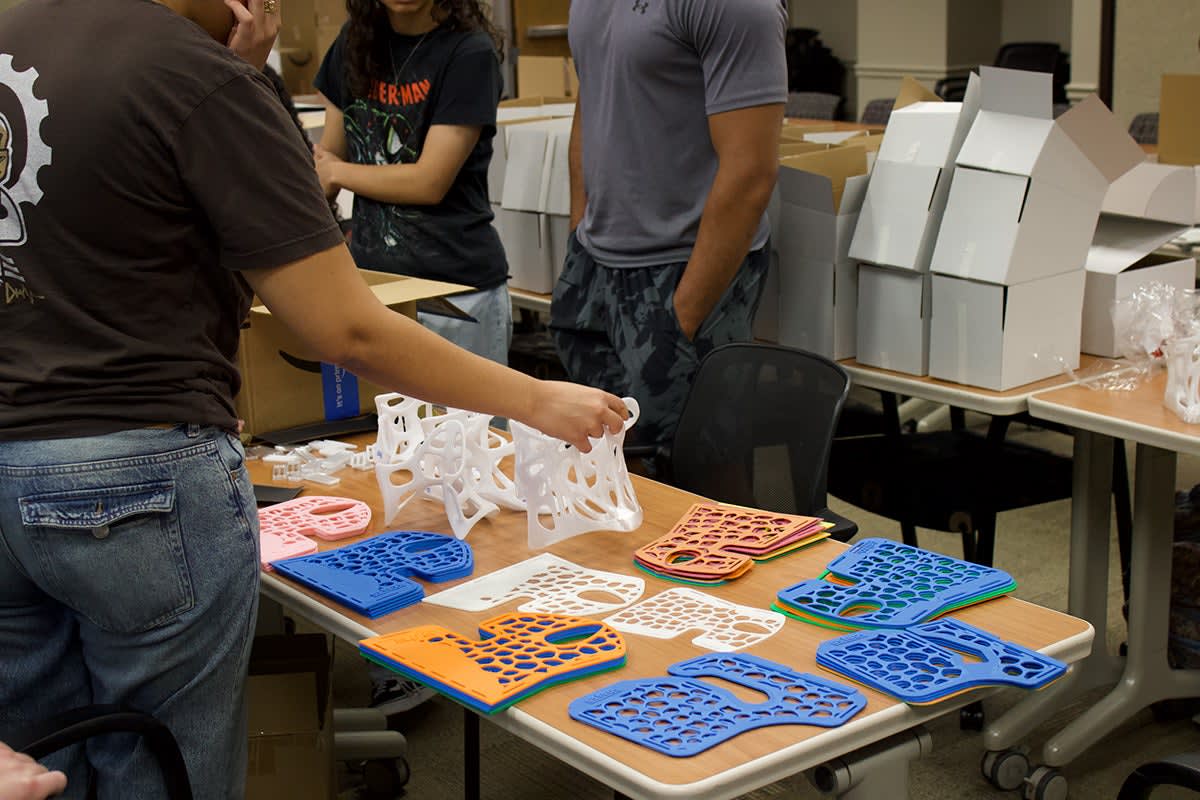
When earthquakes struck Venezuela, UCF engineering students fired up their 3D printers and got to work. They've now sent over 350 custom orthopedic devices to help injured people and pets recover.
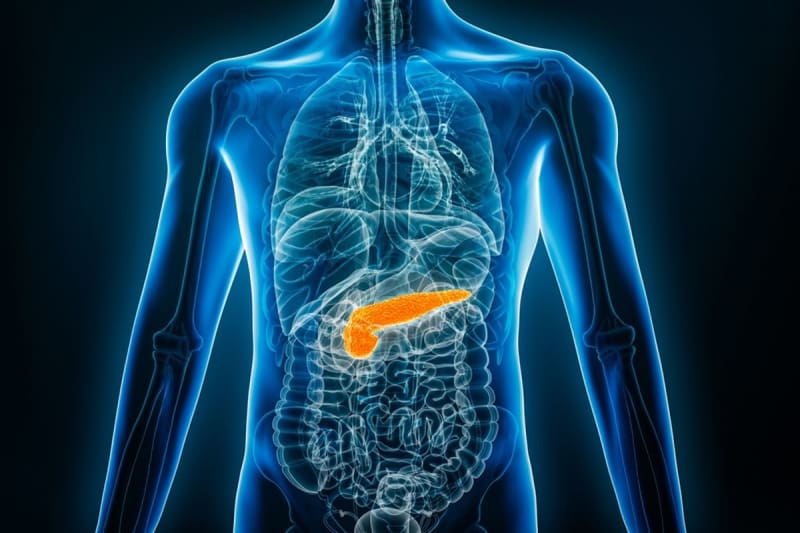
Patients with one of the deadliest cancers can now use an electric field device at home alongside chemotherapy. The wearable patches add two months of survival time without the harsh side effects of traditional treatments.

Morocco just signed a historic pact to build its own medical device industry, aiming to produce most of what it needs at home instead of importing. The move promises stronger healthcare, new jobs, and medical innovation across North Africa.
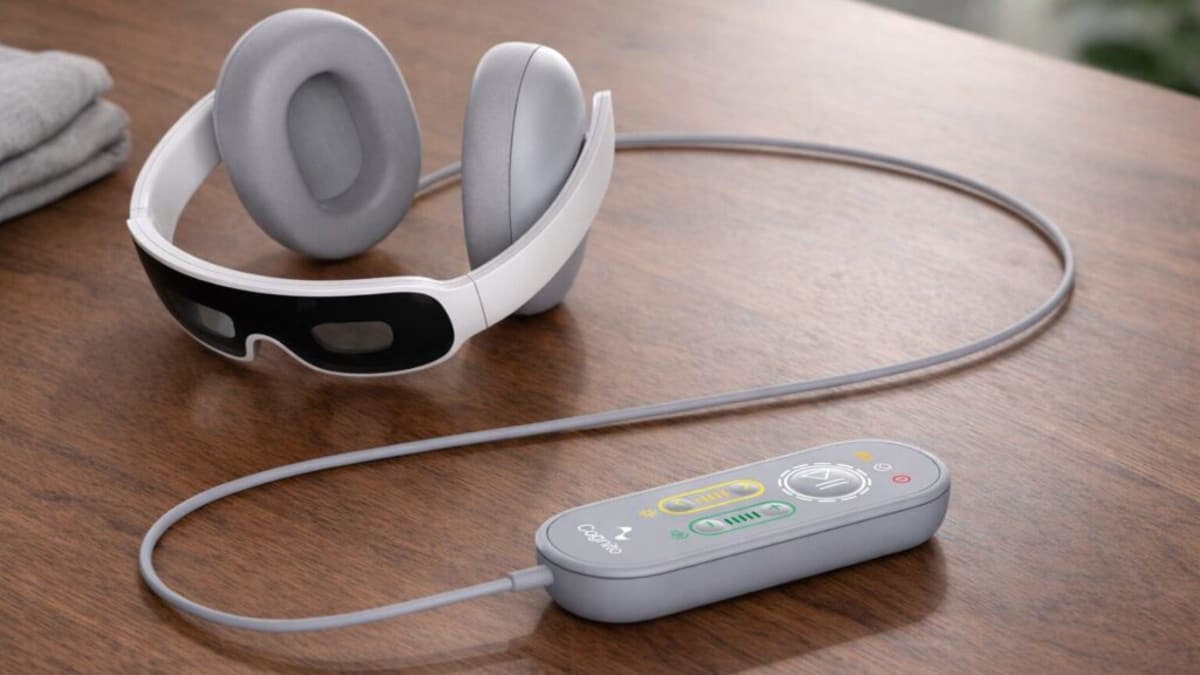
A Boston company just secured $105 million to bring a groundbreaking Alzheimer's treatment to market that uses light and sound instead of drugs. The wearable device has already completed clinical trials and could offer new hope to millions of families affected by dementia.
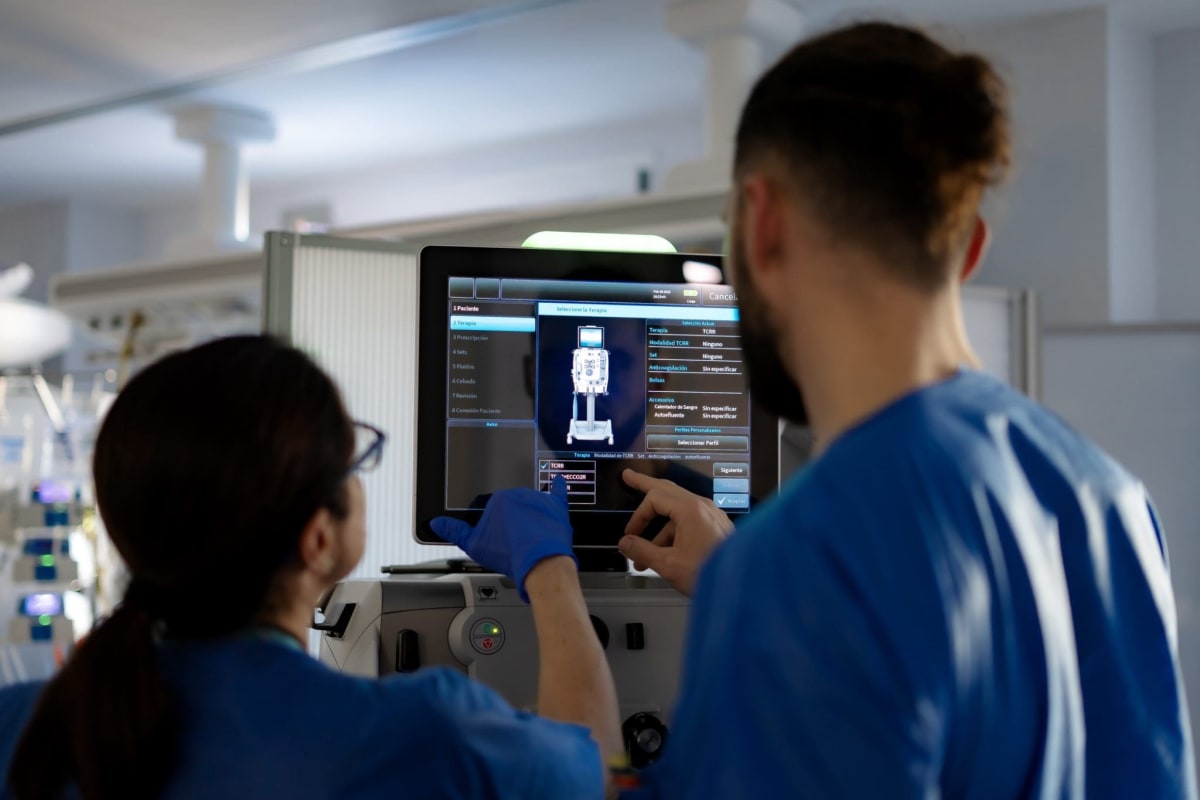
Europe is launching a pilot program to speed life-saving medical technologies to patients faster while keeping safety standards high. The initiative could transform how innovative devices reach people facing serious health conditions.
The University of Cape Town just broke through a decade-long barrier that kept African-designed medical devices from reaching African patients. Now, innovations created for local healthcare needs can go straight from the lab to the hospital bedside.
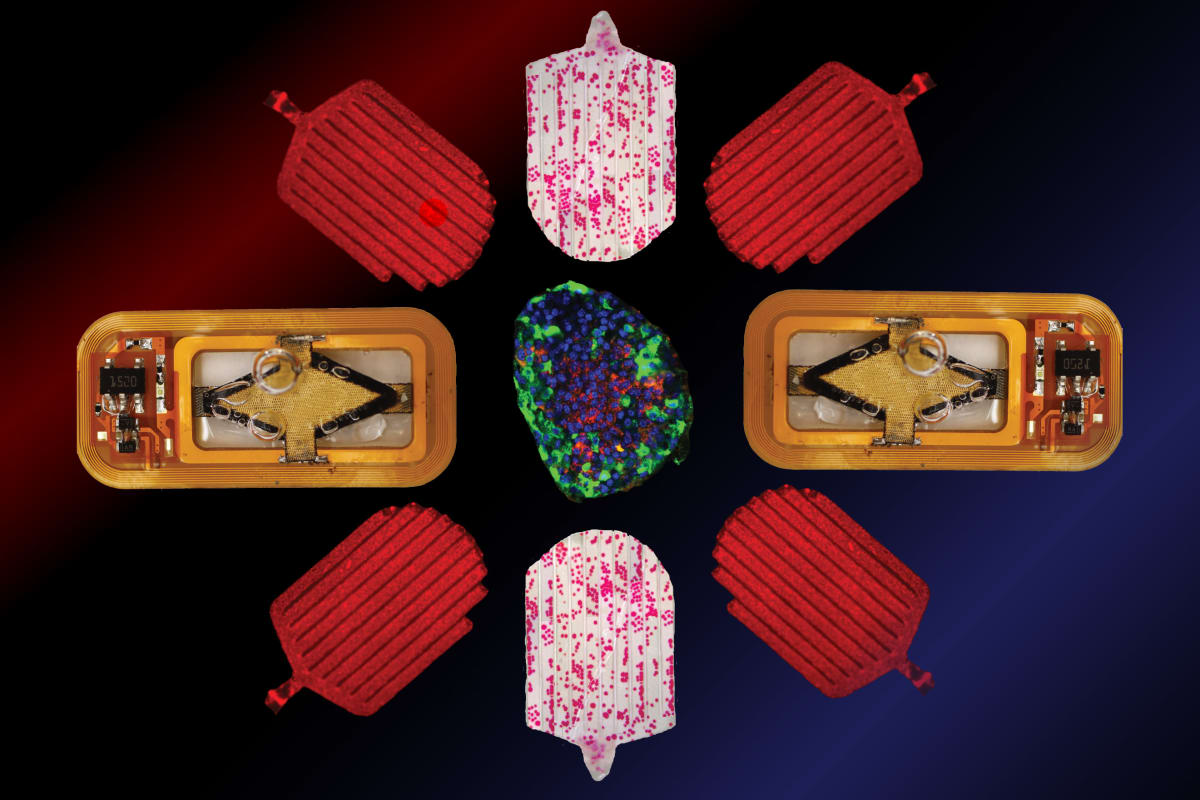
Scientists created an implant that could free diabetes patients from daily insulin injections. The device keeps insulin-producing cells alive inside the body without needing immune-suppressing drugs.
The FDA is speeding up approval for AI-powered medical devices through a breakthrough program designed to get innovative health tech to patients faster. A new pilot launching this year will accelerate early-stage clinical trials for promising AI tools.
Showing 20 of 3224