Search

Find uplifting stories about heroes, innovations, and solutions

39 results for "early universe"

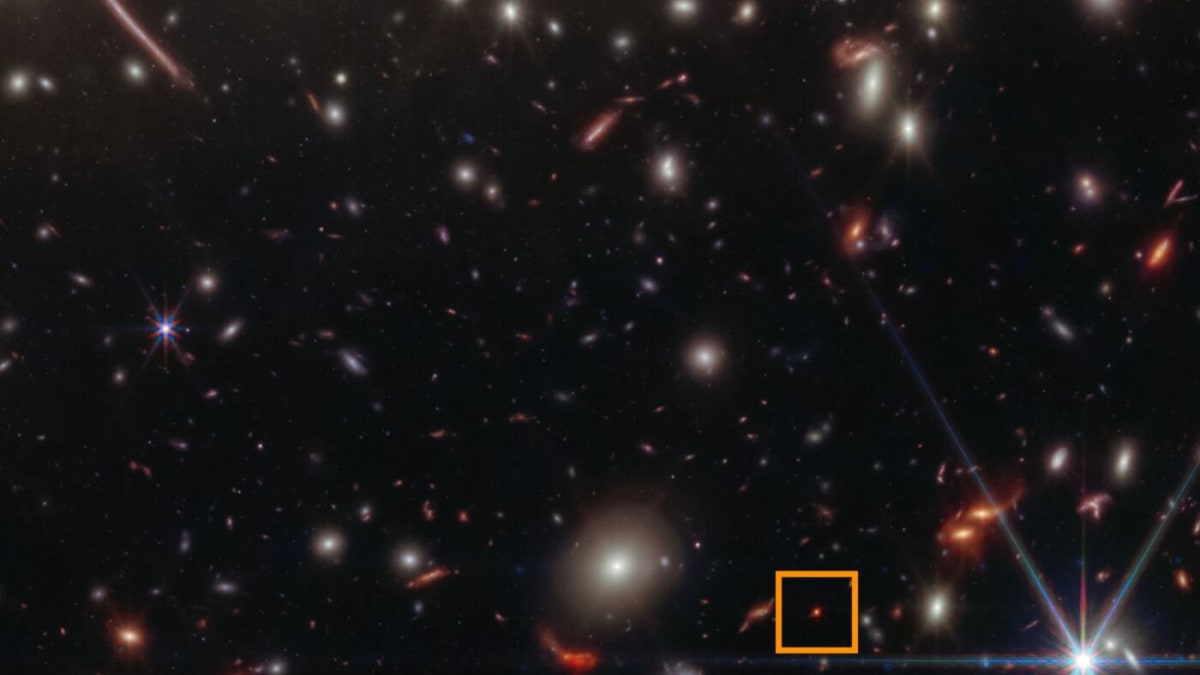
James Webb Finds 'Naked' Black Hole Older Than Its Galaxy
Innovation•3h ago

James Webb Finds 'Naked' Black Hole Older Than Its Galaxy

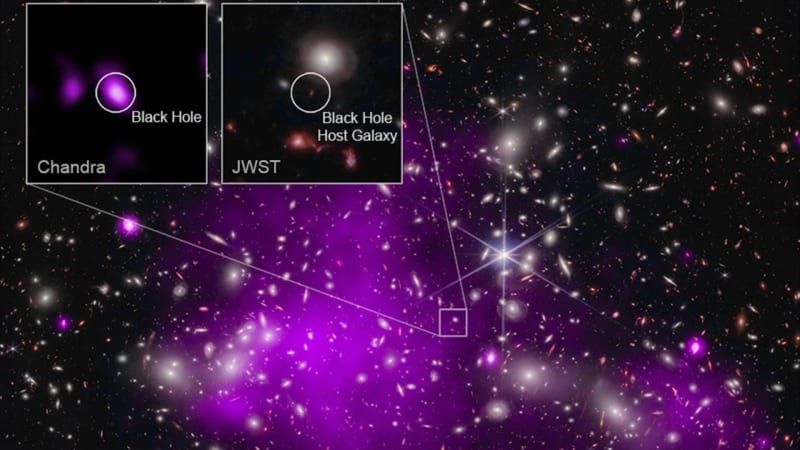
Astronomers just weighed a black hole from when the universe was only 700 million years old and discovered something remarkable: it's so massive it likely formed before its own galaxy. The finding could finally explain how the universe's first supermassive black holes came to be.

Google: James Webb telescope•3 min read
Galaxies Shaped by Location Just 1.2 Billion Years In
Innovation•2d ago

Galaxies Shaped by Location Just 1.2 Billion Years In

New telescope images reveal that where a galaxy lived determined how it grew, even when the universe was barely a billion years old. The discovery shows cosmic "neighborhood effects" began far earlier than scientists thought possible.

Google: James Webb telescope•3 min read
James Webb Telescope Finds Ancient Galaxies That Shouldn't Exist
Innovation•3d ago

James Webb Telescope Finds Ancient Galaxies That Shouldn't Exist

The James Webb Space Telescope is discovering fully formed galaxies just hundreds of millions of years after the Big Bang, forcing scientists to rethink how quickly the universe evolved. Instead of finding cosmic "villages," astronomers are spotting ancient "megacities" that challenge everything we thought we knew about the early universe.

Google: James Webb telescope•3 min read
James Webb Telescope Finds Galaxies That Rewrote The Rules
Innovation•May 17

James Webb Telescope Finds Galaxies That Rewrote The Rules

The James Webb Space Telescope is discovering ancient galaxies that are forcing scientists to rethink how the early universe worked. These cosmic overachievers are revealing that our understanding of the first billion years after the Big Bang needs a major upgrade.

Google: James Webb telescope•3 min read
Webb Telescope Solves Mystery of Early Universe's Light
Innovation•May 13

Webb Telescope Solves Mystery of Early Universe's Light

Scientists using the James Webb Space Telescope discovered how massive newborn star clusters broke free from their cosmic nurseries in just 5 million years, solving a decades-old puzzle about what lit up the early universe. The finding reshapes our understanding of how the cosmos transformed from darkness into the bright, structured universe we see today.

Google: James Webb telescope•3 min read
Kerala Couple Wins $3M Prize for Universe-Changing Physics
Videos•May 9

Kerala Couple Wins $3M Prize for Universe-Changing Physics

A husband and wife team from Kerala helped make the most precise measurement ever of a particle that could unlock mysteries of the early universe. Their work with 300 scientists just won them the "Oscars of Science" and a $3 million prize.

Google News - Science•3 min read
James Webb Telescope Spots Baby Black Holes Being Born
Innovation•Apr 28

James Webb Telescope Spots Baby Black Holes Being Born

Scientists using the James Webb Space Telescope have discovered mysterious "little red dots" in the early universe that could be baby black holes caught in the act of growing. These tiny cosmic giants may finally show us how the supermassive black holes at the centers of today's galaxies first formed.

Google: James Webb telescope•3 min read
Webb Telescope Detects Mysterious Signal From Early Universe
Innovation•Apr 14

Webb Telescope Detects Mysterious Signal From Early Universe

NASA's James Webb Space Telescope has picked up an unusual signal from the dawn of time that could reveal secrets about how our universe began. Scientists are calling the discovery potentially groundbreaking for our understanding of cosmic history.

Google: James Webb telescope•2 min read
James Webb Telescope Finds Universe's First Stars
Innovation•Apr 13

James Webb Telescope Finds Universe's First Stars

Scientists may have finally spotted the universe's very first stars, born just 400 million years after the Big Bang. The James Webb Space Telescope detected these ancient giants in a tiny companion object near one of the early universe's brightest galaxies.

Google: James Webb telescope•2 min read
Webb Telescope Finds Universe's First Stars After Decades
Innovation•Apr 13

Webb Telescope Finds Universe's First Stars After Decades

The James Webb Space Telescope has detected the strongest evidence yet for Population III stars, the first generation of stars that illuminated the dark universe. Two independent research teams confirmed the discovery using metal-free chemical signatures from a tiny object near one of the most distant galaxies ever observed.

Google: James Webb telescope•3 min read
Webb Telescope Solves Mystery of Red Dots in Early Universe
Innovation•Apr 11

Webb Telescope Solves Mystery of Red Dots in Early Universe

Strange red lights in the young universe puzzled astronomers for years, but new research reveals they're young black holes wrapped in dense gas clouds, not impossibly massive galaxies. The discovery rewrites our understanding of how supermassive black holes grew in the early cosmos.

Google: James Webb telescope•3 min read
Physics Student Maps Galaxies Billions of Light-Years Away
Acts of Kindness•Apr 3

Physics Student Maps Galaxies Billions of Light-Years Away

A summer internship took MJ Keller from classroom theory to analyzing real data from galaxies in the early universe. Their work revealed important insights about how we measure star formation across cosmic time.

Google: scientific discovery•2 min read
12-Billion-Year-Old Comet Visits Solar System
Innovation•Apr 1

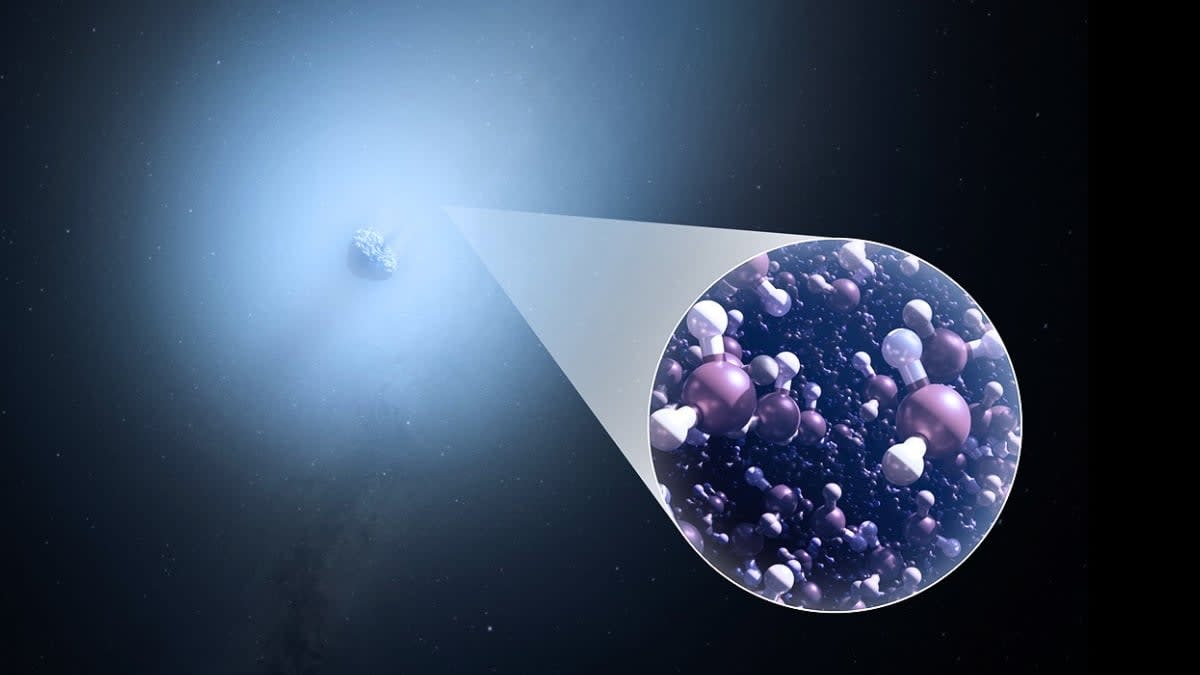
12-Billion-Year-Old Comet Visits Solar System

The James Webb Space Telescope just revealed that interstellar comet 3I/ATLAS could be 12 billion years old, making it as ancient as the Milky Way itself. This cosmic time capsule offers astronomers a rare glimpse into the chemistry of the early universe.

Google: James Webb telescope•2 min read
Scientists Map Hidden 'Sea of Light' Between Galaxies
Innovation•Mar 5

Scientists Map Hidden 'Sea of Light' Between Galaxies

Astronomers have created the largest 3D map of the early universe, revealing a glowing web of hydrogen gas that fills seemingly empty space between galaxies. The breakthrough captures light from 9 to 11 billion years ago, during the universe's most active star-forming era.

Space.com•3 min read
James Webb Finds Record-Breaking 'Jellyfish Galaxy
Planet Wins•Mar 3

James Webb Finds Record-Breaking 'Jellyfish Galaxy

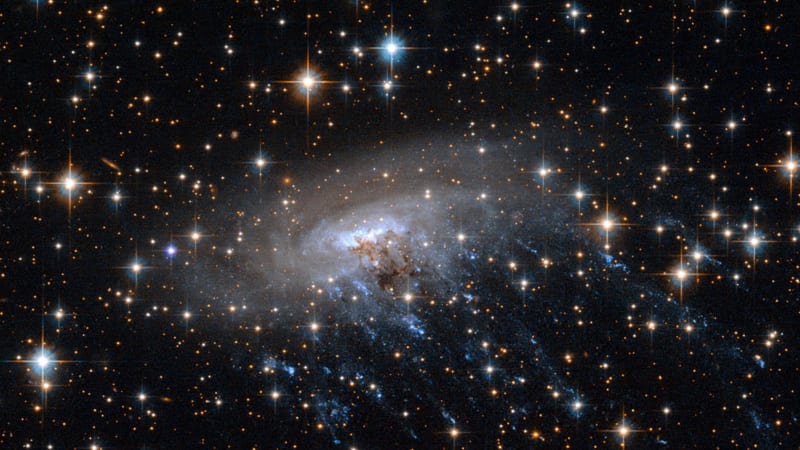
The James Webb Space Telescope spotted the most distant jellyfish galaxy ever seen, revealing that the early universe was far more violent and dynamic than scientists expected. The discovery shows galaxies were being dramatically reshaped 8.5 billion years ago.

Google: James Webb telescope•3 min read
James Webb Finds Ancient Spiral Galaxy 11.5 Billion Years Old
Innovation•Feb 27

James Webb Finds Ancient Spiral Galaxy 11.5 Billion Years Old

The James Webb Space Telescope has spotted a surprisingly mature spiral galaxy with a bright stellar bar at its center, formed just 2 billion years after the Big Bang. The discovery pushes back our understanding of how quickly complex galaxies could take shape in the early universe.

Google: James Webb telescope•3 min read
World's Largest Telescope Array Maps Milky Way's Heart
Innovation•Feb 26

World's Largest Telescope Array Maps Milky Way's Heart

Scientists using the world's largest radio telescope have captured the most detailed image ever of the chaotic, star-forming center of our galaxy. The breakthrough reveals how stars are born in extreme conditions similar to the early universe.

Space.com•3 min read
James Webb Telescope Finds Galaxy 8.5 Billion Years Old
Innovation•Feb 24

James Webb Telescope Finds Galaxy 8.5 Billion Years Old

The James Webb Space Telescope has spotted the oldest "jellyfish galaxy" ever seen, revealing how the universe shaped distant worlds long before Earth existed. This cosmic discovery is rewriting what scientists thought they knew about how galaxies formed in the early universe.

Google: James Webb telescope•2 min read
Ancient Black Hole Breaks Cosmic Speed Limit by 13x
Innovation•Feb 23

Ancient Black Hole Breaks Cosmic Speed Limit by 13x

Scientists discovered a supermassive black hole from the early universe growing 13 times faster than physics should allow, challenging our understanding of how these cosmic giants form. The breakthrough could solve a major mystery about how black holes grew so massive so quickly after the Big Bang. ##

Google News - Science•3 min read
Webb Telescope Spots 'Jellyfish Galaxy' 8.5 Billion Years Old
Innovation•Feb 19

Webb Telescope Spots 'Jellyfish Galaxy' 8.5 Billion Years Old

The James Webb Space Telescope discovered a stunning galaxy with gaseous tentacles stretching behind it like a jellyfish, offering a glimpse 8.5 billion years into the past. This finding is rewriting what scientists thought they knew about how galaxies evolved in the early Universe.

Google: James Webb telescope•2 min read

Showing 20 of 39