Search

Find uplifting stories about heroes, innovations, and solutions

18 results for "helix nebula"

Webb Telescope Captures Sun's Future 5 Billion Years Out
Planet Wins4h ago

Webb Telescope Captures Sun's Future 5 Billion Years Out

The James Webb Space Telescope just photographed the "Eye of God" nebula, showing us exactly what our Sun will look like when it dies in five billion years. The stunning image reveals layers of glowing gas and dust streaming from a dying star 650 light-years away.

Google: James Webb telescope3 min read
Webb Telescope Shows How Dying Stars Birth New Planets
Planet WinsFeb 1

Webb Telescope Shows How Dying Stars Birth New Planets

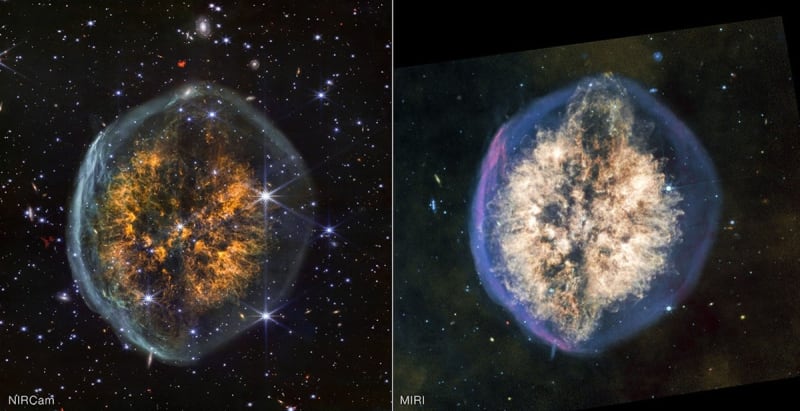
NASA's James Webb Space Telescope captured stunning images of the Helix Nebula, revealing how dying stars recycle their material into the building blocks of future planets. The images show our Sun's possible fate while highlighting the beautiful cycle of cosmic renewal.

Google: James Webb telescope2 min read
James Webb Captures Dying Star Creating Future Worlds
Planet WinsJan 28

James Webb Captures Dying Star Creating Future Worlds

The James Webb Space Telescope just revealed the most detailed image yet of a star's final moments, showing how its death becomes the recipe for new planets. The Helix Nebula, 650 light years away, is literally breathing out the building blocks of tomorrow's solar systems.

Google News - Science3 min read
James Webb Reveals Dying Star's Gift to Future Worlds
InnovationJan 28

James Webb Reveals Dying Star's Gift to Future Worlds

The James Webb Space Telescope captured stunning new details of the Helix Nebula, showing how a dying star transforms into the building blocks for new planets. What looks like cosmic fireworks is actually the universe recycling itself into tomorrow's solar systems.

Good News Network2 min read
Webb Telescope Reveals Dying Star's Gift to Future Worlds
Planet WinsJan 26

Webb Telescope Reveals Dying Star's Gift to Future Worlds

The James Webb Space Telescope captured the most detailed view ever of the Helix Nebula, showing how a dying star transforms into the building blocks for new planets. The stunning image reveals what could happen to our own Sun billions of years from now.

Google: James Webb telescope3 min read
Webb Telescope Captures Stunning View of Dying Star
Planet WinsJan 26

Webb Telescope Captures Stunning View of Dying Star

The James Webb Space Telescope has revealed the most detailed image ever captured of the Helix Nebula, showing how a dying star creates the building blocks for future planets. The breathtaking view offers a preview of what will happen to our own Sun billions of years from now.

Science Daily3 min read
Webb Telescope Captures 'Eye of Sauron' Dying Star at 650LY
InnovationJan 26

Webb Telescope Captures 'Eye of Sauron' Dying Star at 650LY

NASA's James Webb Space Telescope revealed stunning new details of a dying star creating cosmic dust 650 light-years away, showing how the universe recycles itself into new worlds. The Helix Nebula's spectacular transformation gives scientists fresh insight into how stars seed the cosmos with building blocks for future solar systems.

Google: James Webb telescope3 min read
James Webb Finds Life's Building Blocks in Dying Star
InnovationJan 25

James Webb Finds Life's Building Blocks in Dying Star

The James Webb Space Telescope captured stunning new images of the Helix Nebula, revealing how a dying star scatters the same elements that make life on Earth possible across the galaxy. This cosmic recycling center offers a preview of our own sun's fate in 5 billion years.

Live Science2 min read
James Webb Captures Stunning "Eye of God" Image 655 Light-Years Away
InnovationJan 25

James Webb Captures Stunning "Eye of God" Image 655 Light-Years Away

The James Webb Space Telescope has captured a breathtaking new image of the Helix Nebula, revealing the beautiful death of a star like our sun. The image shows how dying stars seed the galaxy with the very elements that make life on Earth possible.

Google: James Webb telescope2 min read
Webb Telescope Captures Stunning 'Eye of Sauron' Nebula
InnovationJan 24

Webb Telescope Captures Stunning 'Eye of Sauron' Nebula

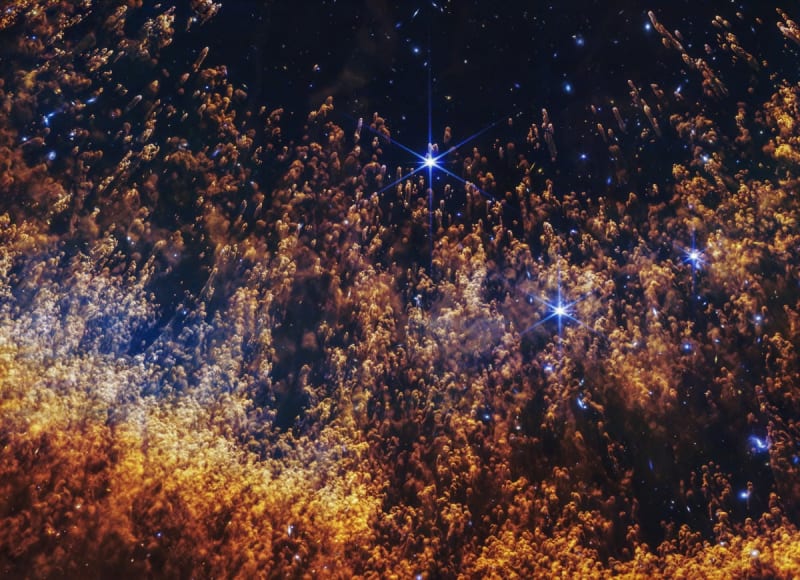
The James Webb Space Telescope has delivered breathtaking new images of the Helix Nebula, showing us a preview of our own Sun's beautiful finale in 5 billion years. The images reveal 40,000 comet-shaped gas clouds, each larger than our entire solar system.

Google News - Science2 min read
James Webb Telescope Reveals Stunning Eye of God Nebula
Global NewsJan 22

James Webb Telescope Reveals Stunning Eye of God Nebula

The James Webb Space Telescope captured a breathtaking new image of the Helix Nebula, showing what our own sun might look like in 5 billion years. The cosmic portrait reveals not just a star's end, but the building blocks of future worlds being born.

Google News - Science2 min read
Webb Telescope Reveals How Dying Stars Create New Worlds
Planet WinsJan 22

Webb Telescope Reveals How Dying Stars Create New Worlds

The James Webb Space Telescope captured the most detailed images ever of a dying star in the Helix Nebula, showing how death in space becomes the building blocks for future planets. The stunning photos reveal thousands of comet-like gas tails swirling in gold and orange as a white dwarf star sheds the material that will one day form new worlds.

Google: James Webb telescope2 min read
JWST Reveals Stunning New Details of "Eye of God" Nebula
InnovationJan 22

JWST Reveals Stunning New Details of "Eye of God" Nebula

NASA's James Webb Space Telescope captured breathtaking new images of the Helix Nebula, revealing intricate details of dying stars creating the building blocks for future worlds. What once looked like hazy clouds now appears as a gorgeous tapestry of cosmic recycling in action.

Scientific American2 min read
Webb Telescope Reveals Birth and Death Dance in Space
InnovationJan 22

Webb Telescope Reveals Birth and Death Dance in Space

The James Webb Space Telescope captured stunning new images of the Helix Nebula, revealing not just the end of a star's life but the beginnings of future worlds. Scientists discovered pockets where complex molecules are forming that could become the building blocks of new planets and even life.

Space.com2 min read
Webb Telescope Reveals Dying Star's Stunning Final Act
InnovationJan 21

Webb Telescope Reveals Dying Star's Stunning Final Act

The James Webb Space Telescope captured breathtaking new images of the Helix Nebula, revealing how a dying star 650 light-years away is creating the building blocks for future worlds. The detailed infrared view shows thousands of comet-like structures and gas layers that could seed new planetary systems.

Google: James Webb telescope2 min read
Webb Telescope Reveals Stunning New View of Helix Nebula
InnovationJan 21

Webb Telescope Reveals Stunning New View of Helix Nebula

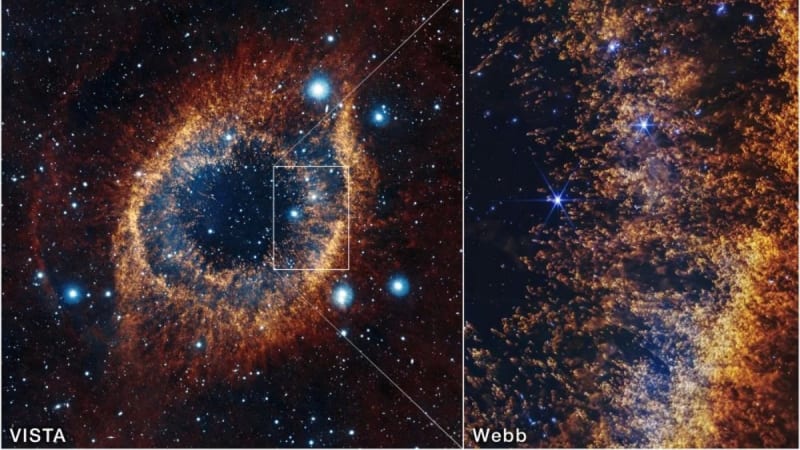
NASA's James Webb Space Telescope has captured breathtaking new images of the Helix Nebula, showing never-before-seen details of how dying stars create the building blocks for future planets. The colorful cosmic display reveals the spectacular transformation of a star's final breath into raw materials for new worlds.
Google News - Science2 min read
NASA's Webb Telescope Shows How Stars Seed New Worlds
InnovationJan 21

NASA's Webb Telescope Shows How Stars Seed New Worlds

The James Webb Space Telescope captured stunning new images of the Helix Nebula, revealing how dying stars recycle their material to create the building blocks for future planets and solar systems. The images show our Sun's possible fate while offering hope about the universe's endless cycle of renewal.

NASA2 min read
Webb Telescope Captures Stunning "Eye of Sauron" Nebula
InnovationJan 21

Webb Telescope Captures Stunning "Eye of Sauron" Nebula

The James Webb Space Telescope just revealed the most breathtaking images ever captured of the Helix Nebula, nicknamed the "Eye of Sauron," showing how dying stars create the building blocks for new worlds. The spectacular photos reveal vibrant pillars of gas that could one day form new planets in other solar systems.

Ars Technica2 min read