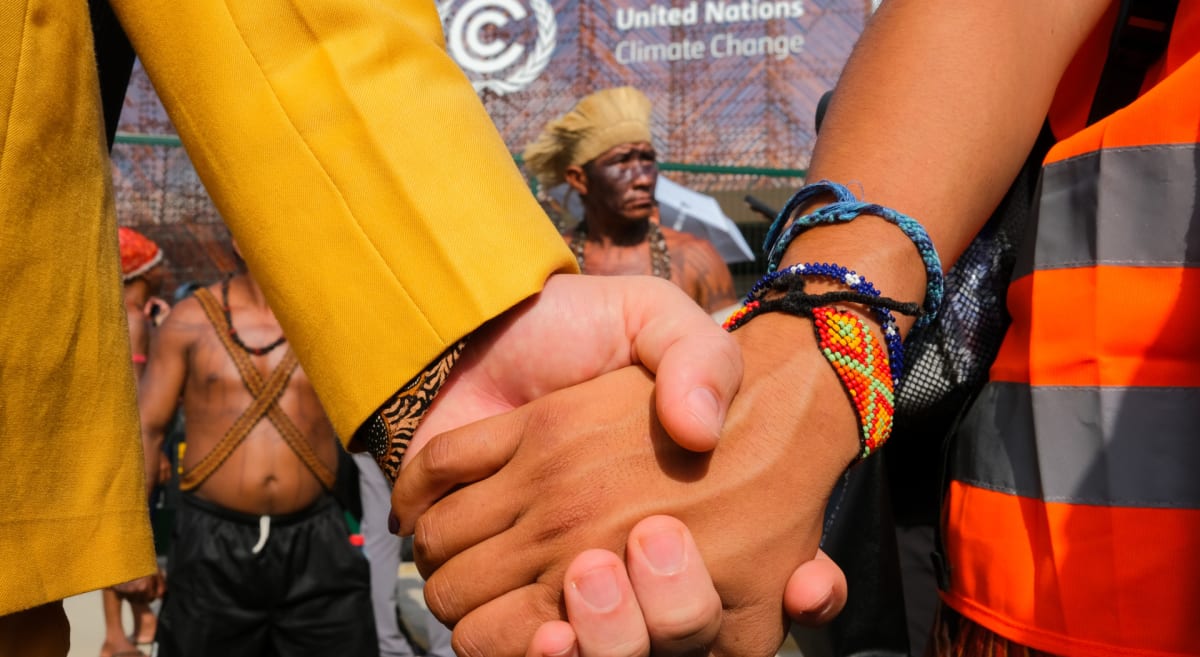
Why Cooperation, Not Competition, Drives Human Progress
Scientists discovered our cells evolved through cooperation, not competition. Now research shows humanity's greatest advances come from working together across boundaries.
Find uplifting stories about heroes, innovations, and solutions
17316 results for "human progress"
Scientists discovered our cells evolved through cooperation, not competition. Now research shows humanity's greatest advances come from working together across boundaries.

The United Nations just unveiled a groundbreaking framework to measure what really matters: health, equality, sustainability, and human wellbeing, not just economic output. After a year of global consultation, experts delivered a practical compass to guide countries toward progress that actually improves lives.
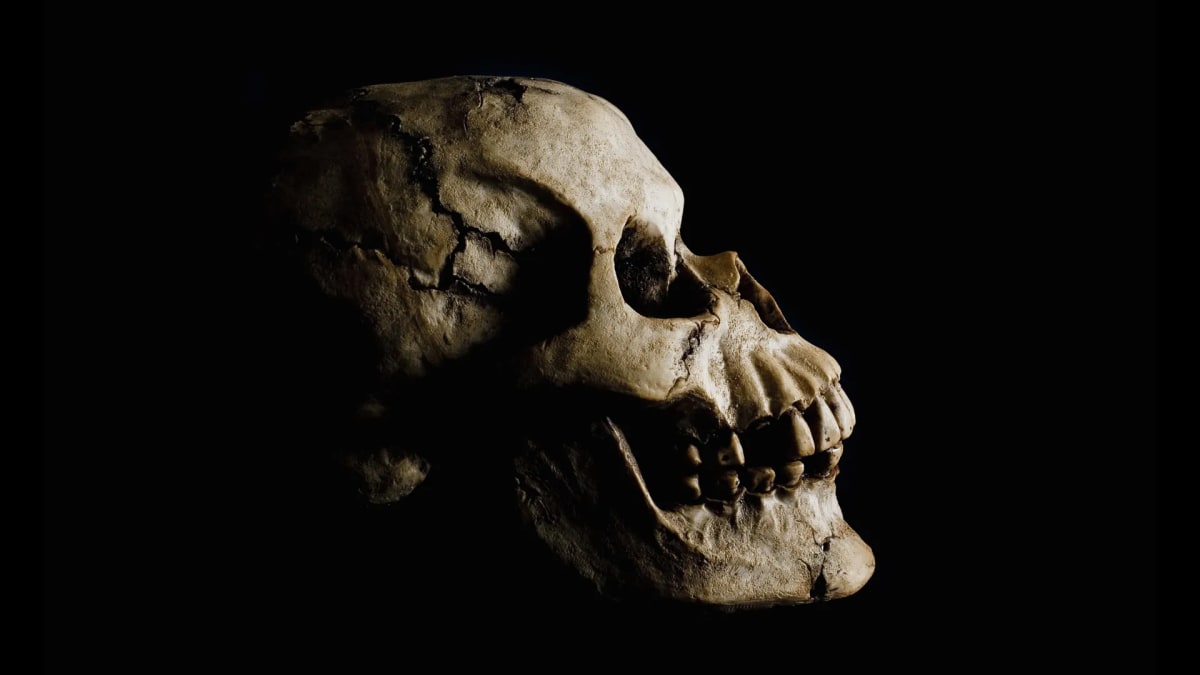
Scientists in Ethiopia discovered that two different human ancestor species shared the same landscape nearly 3 million years ago, proving evolution wasn't a straight line from ape to human. The finding reveals our family tree looked more like a crowded neighborhood than a neat progression.
Scientists discovered fossils showing two different human ancestor species shared the same landscape in Ethiopia nearly 3 million years ago. The find proves human evolution wasn't a simple progression but a complex family tree with multiple relatives living side by side.

A new UN report shows most Chinese provinces have reached high human development levels, with cities across the nation making significant progress. Economic growth and better education are lifting millions toward healthier, more prosperous lives.
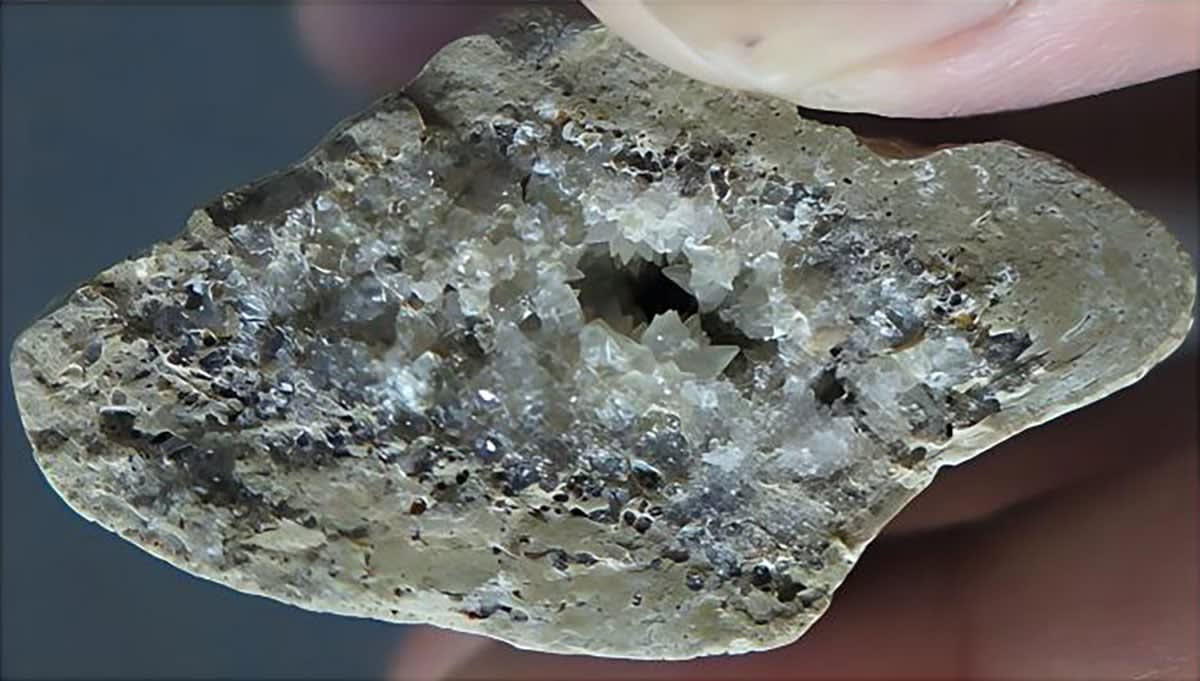
Ancient humans in China crafted sophisticated stone tools during a brutal ice age, proving creativity thrives under pressure. The discovery rewrites what we thought we knew about early human innovation.
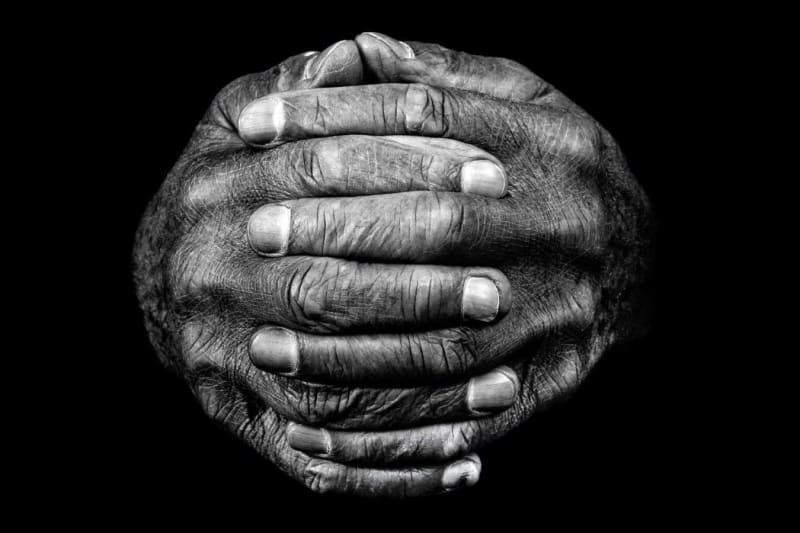
New fossil discoveries reveal how our uniquely powerful thumbs helped make us human. The evolution of our hands may be just as important as our big brains in shaping who we became.
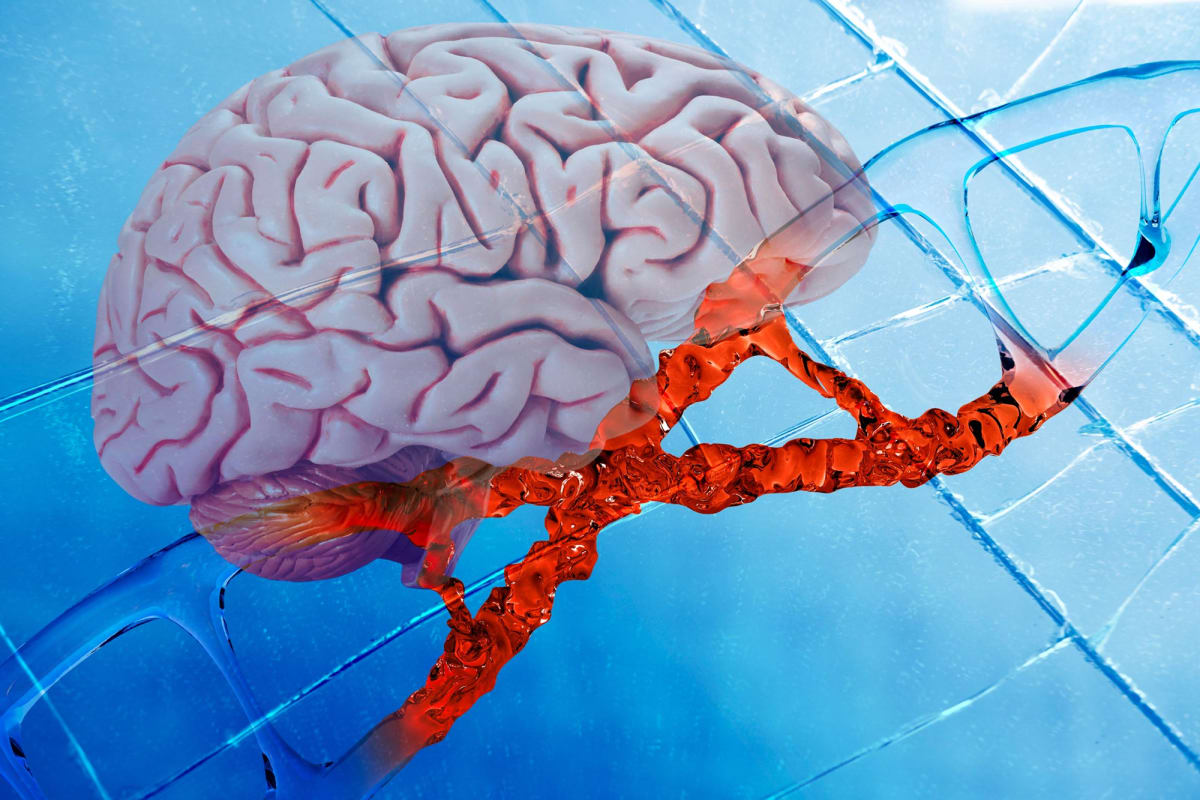
Scientists discovered tiny genetic "switches" that shaped human language ability before we split from Neanderthals. These ancient regulators still influence how we learn and use language today.

Scientists discovered ancient human ancestor fossils in Morocco dating back 800,000 years, revealing that North Africa played a central role in human evolution. The findings are transforming our understanding of how early humans lived, worked, and mourned their dead.
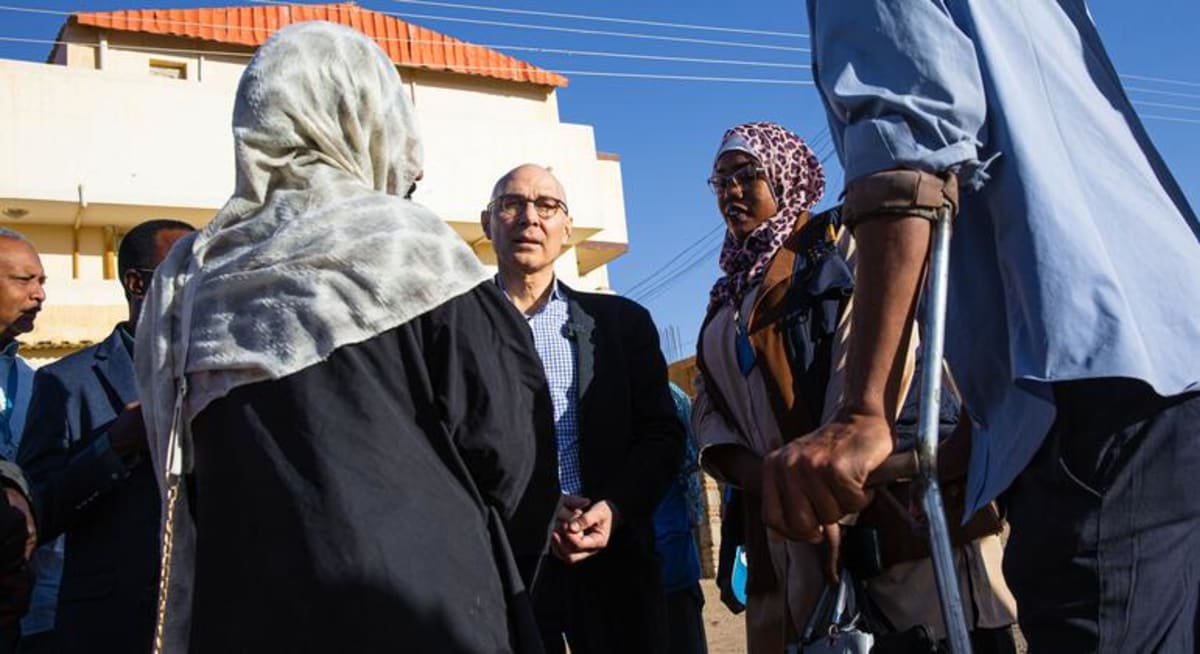
The United Nations just launched a worldwide coalition to put human rights at the center of global decision-making. The Global Alliance for Human Rights unites governments, businesses, faith leaders, and everyday citizens around a shared vision of justice.
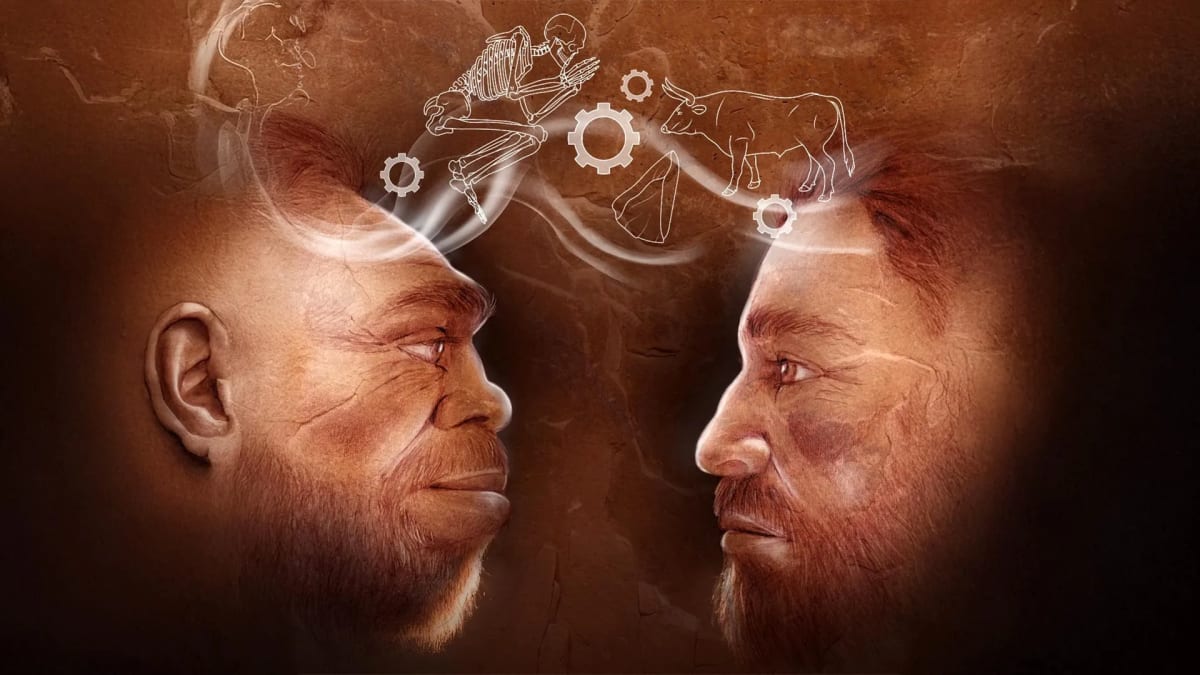
New discoveries at an Israeli cave reveal that Neanderthals and early humans didn't just coexist—they collaborated, shared tools, and even buried their dead together. This groundbreaking find rewrites our understanding of human evolution as a story of cooperation, not competition.
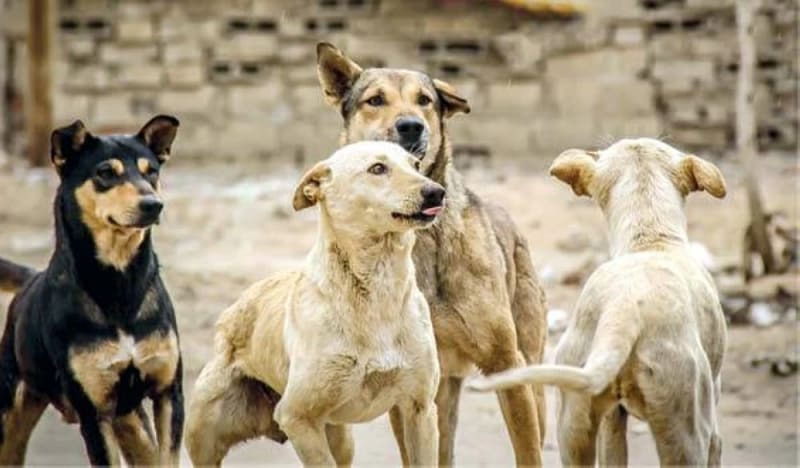
Egypt's Giza governorate just vaccinated and sterilized over 5,000 stray dogs in six months using a compassionate approach that protects both animals and communities. The program partners universities with local veterinary teams to create a model for humane animal population control.
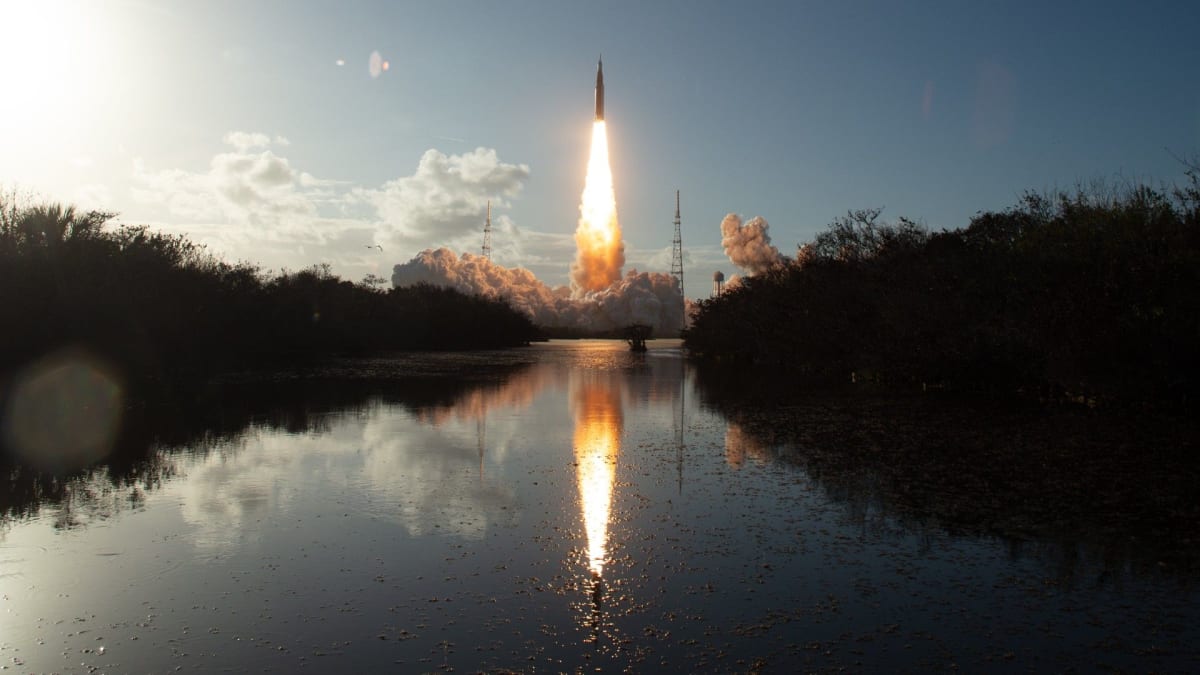
Four astronauts launched aboard NASA's Artemis 2 mission on April 1, marking humanity's first return to lunar orbit in over five decades. The crew will travel farther into space than any humans before them during their historic 10-day journey.
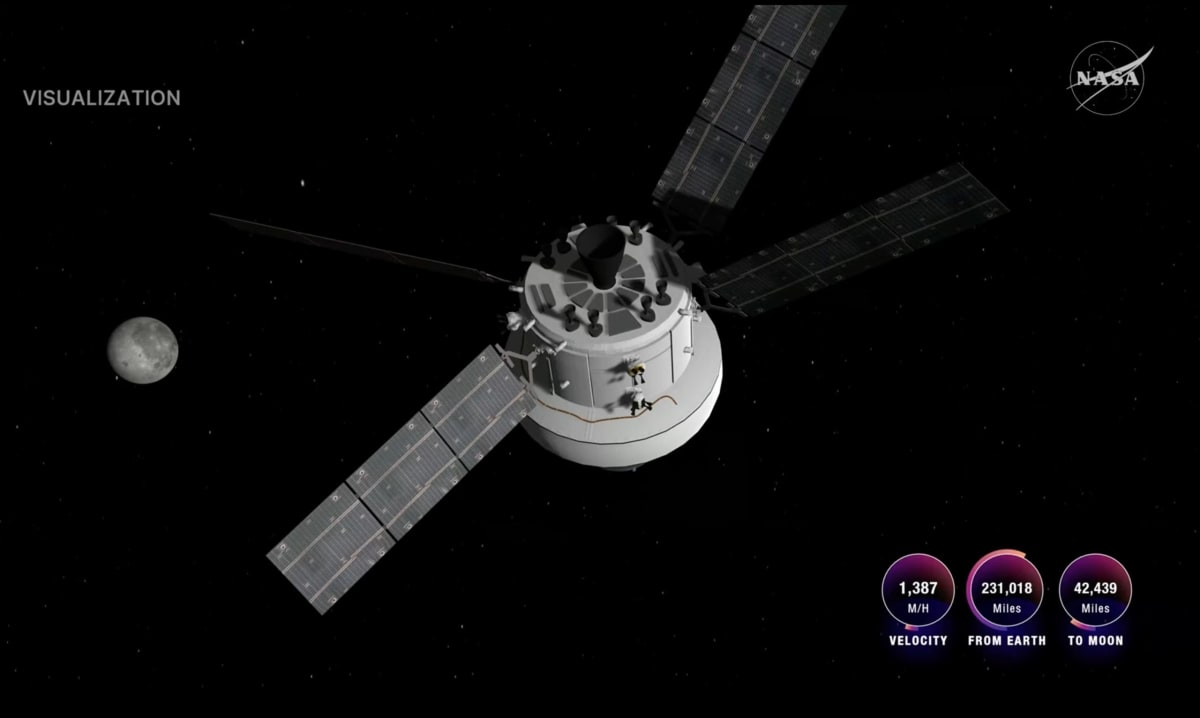
Four astronauts aboard NASA's Artemis 2 mission crossed into the moon's gravitational sphere on April 6, becoming the first humans to reach lunar space since 1972. Tonight, they'll break the distance record for human spaceflight.
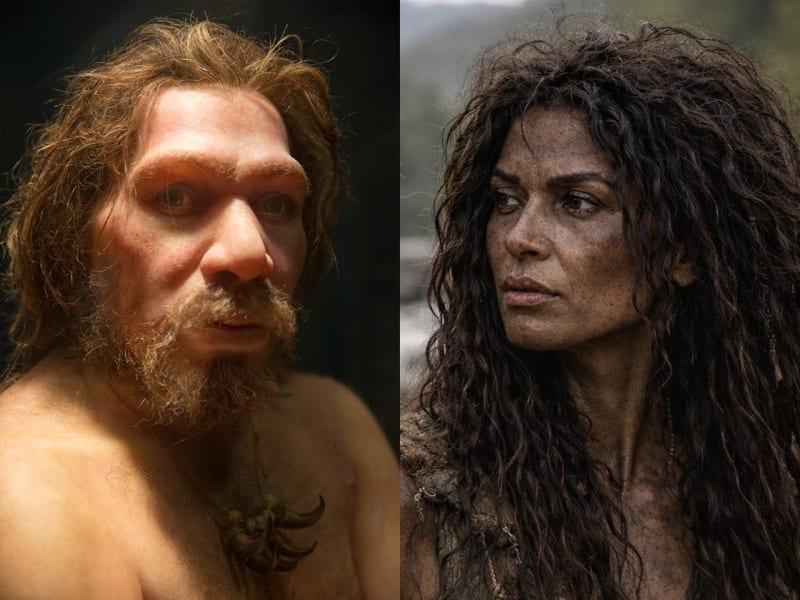
Scientists discovered that male Neanderthals and female humans formed most ancient relationships, solving a 20-year genetic mystery. The finding reveals how social choices shaped human evolution.
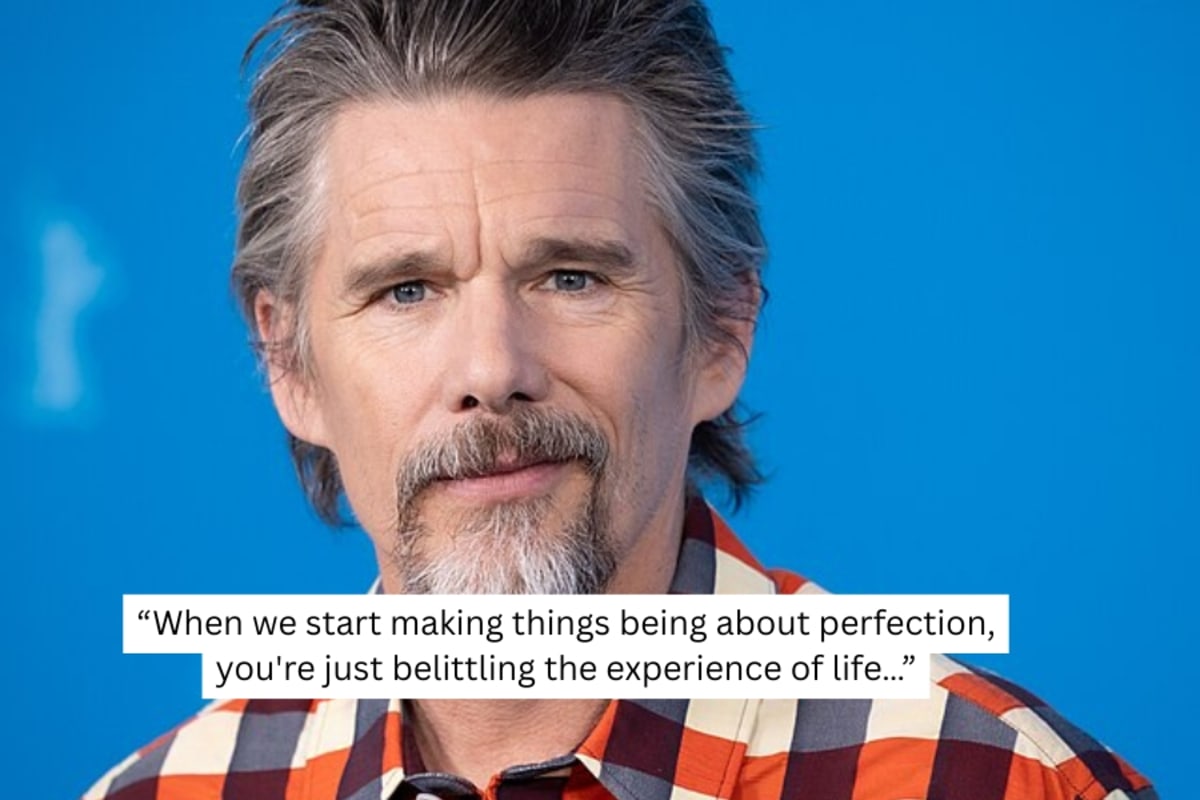
Actor Ethan Hawke delivered a moving explanation of why AI can never replace human creativity, describing his daughter's imperfect art as more valuable than any AI-generated masterpiece. His response is resonating with millions who worry about technology replacing human expression.

A newly excavated cave in Israel reveals that Neanderthals and early humans didn't just cross paths—they shared tools, burial practices, and possibly symbolic rituals. This discovery rewrites our understanding of early human cooperation.
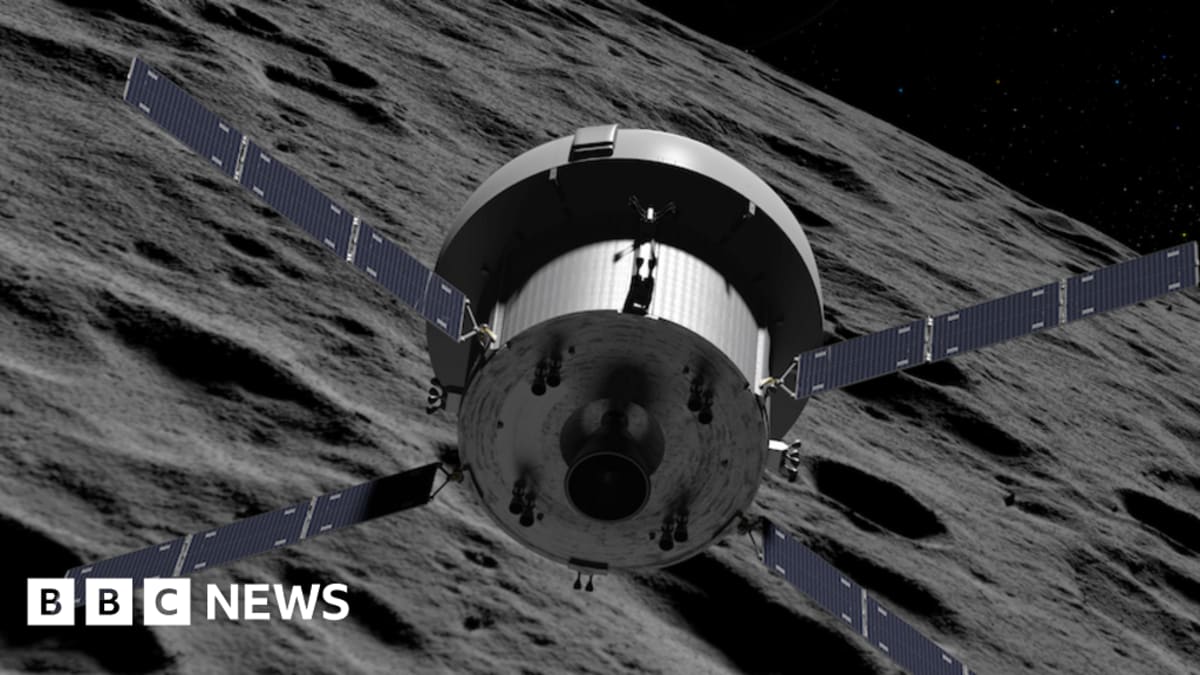
Four astronauts just broke the record for the farthest distance humans have ever traveled from Earth, soaring past the Moon and witnessing views no one has seen before. The Artemis II mission marks a giant leap toward humanity's return to the Moon and eventual journey to Mars.
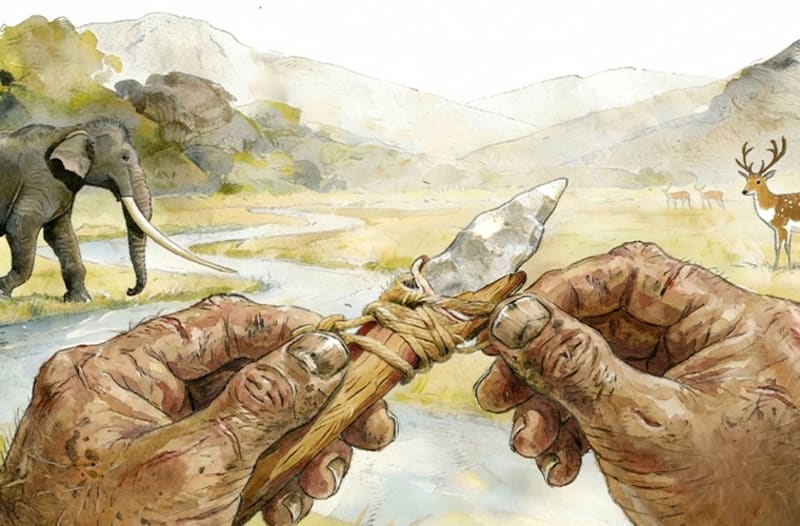
Archaeologists in central China discovered sophisticated stone tools dating back 160,000 years, proving early humans in East Asia were just as technologically advanced as their African and European counterparts. The find challenges decades of assumptions about ancient human ingenuity.
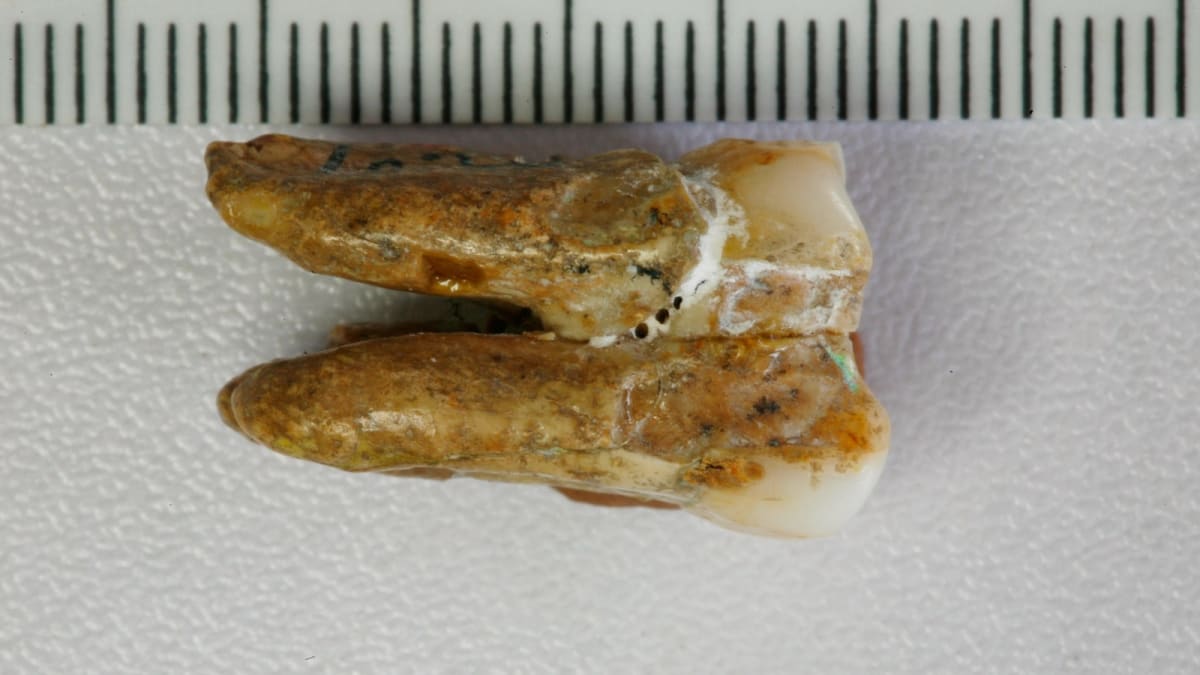
Scientists extracted proteins from 400,000-year-old teeth and discovered evidence that our ancient ancestor Homo erectus may have interbred with other human relatives, passing genes that still exist in some people today. This breakthrough shows how modern humans carry traces of ancestors who walked the Earth hundreds of thousands of years ago.
Showing 20 of 17316