
SpaceX to Launch Largest Microgravity Research Mission in 2028
A biotech company just booked an entire SpaceX spacecraft to develop life-changing medicines in space. The 2028 mission could unlock breakthrough therapies impossible to create on Earth.
Find uplifting stories about heroes, innovations, and solutions
20635 results for "microgravity research"
A biotech company just booked an entire SpaceX spacecraft to develop life-changing medicines in space. The 2028 mission could unlock breakthrough therapies impossible to create on Earth.
Leading autism researchers and advocates formed a new independent committee to guide autism research priorities and counter recent federal changes. The group aims to unite the autism community and protect evidence-based research as funding reaches $568 million annually.
A scientist who revolutionized protein research is now tackling science's reproducibility crisis with AI. His new approach could help researchers separate reliable studies from questionable ones, speeding up cures for diseases like Alzheimer's.
Scientists now have access to an AI tool that filters through 150 years of research data to deliver trustworthy answers in seconds. CAS Newton helps researchers move from question to verified answer without drowning in information overload.

A new AI system from China's Zhejiang University just claimed the top spot on an international test for autonomous scientific research, beating out major competitors. The breakthrough shows how AI is getting better at thinking through complex research problems independently.
When US funding cuts threatened to collapse decades of life-saving health research in South Africa, the country fought back with a $32 million rescue package. Now 59 critical HIV and tuberculosis research projects are moving forward.
Billions in private donations are accelerating life-saving medical discoveries that might otherwise take decades or never happen. From cancer treatments to brain disease research, philanthropic funding is helping researchers pursue bold ideas with the flexibility government grants can't provide.
%2Ffile%2Fattachments%2F2996%2FGroundUp-NIH-funding_260278.jpeg)
After nearly 18 months of halted funding that threatened decades of HIV and TB research, the US National Institutes of Health has reversed its ban on South Africa. The decision restores hope for global health progress and hundreds of research jobs.

South Korea is creating a new research movement to produce globally recognized scientists like Jane Goodall by focusing on uniquely Korean topics. The K-Science initiative aims to blend the nation's culture, history, and environment with cutting-edge research.
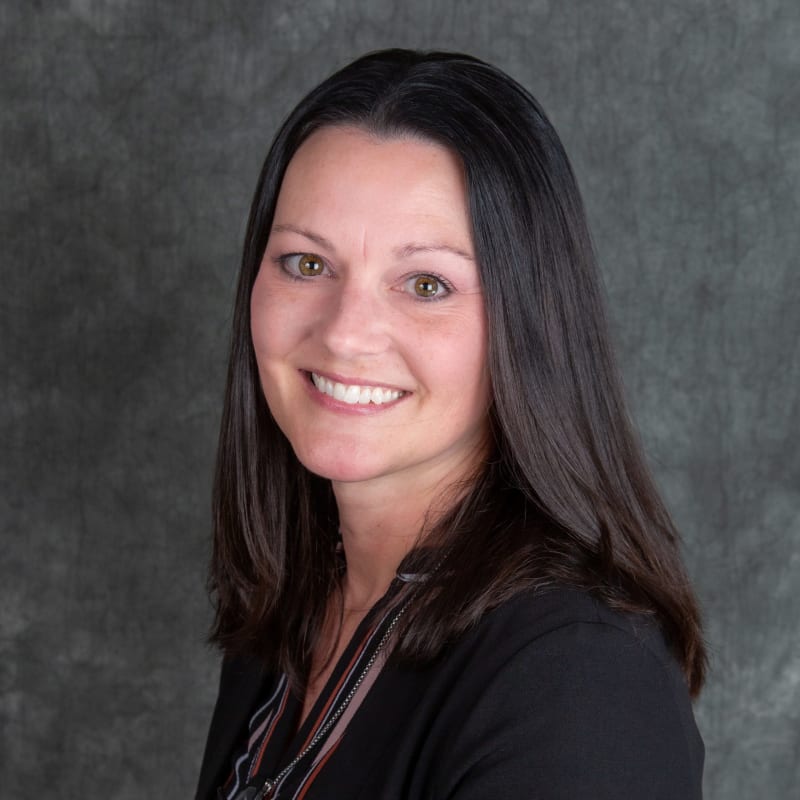
Jennifer Ferris transformed a "Wild Wild West" research environment into a thriving 17-person operation, earning the first university-wide staff award ever given to UT Health Sciences' Knoxville campus. Her journey from solo clinical trial coordinator to award-winning director shows how one person's vision can reshape an entire research community.

Finland's Kordelin Foundation is handing early career researchers €45,000 grants to turn their doctoral work into real-world impact. The program supports fresh PhDs exploring everything from groundbreaking research to startup ventures.
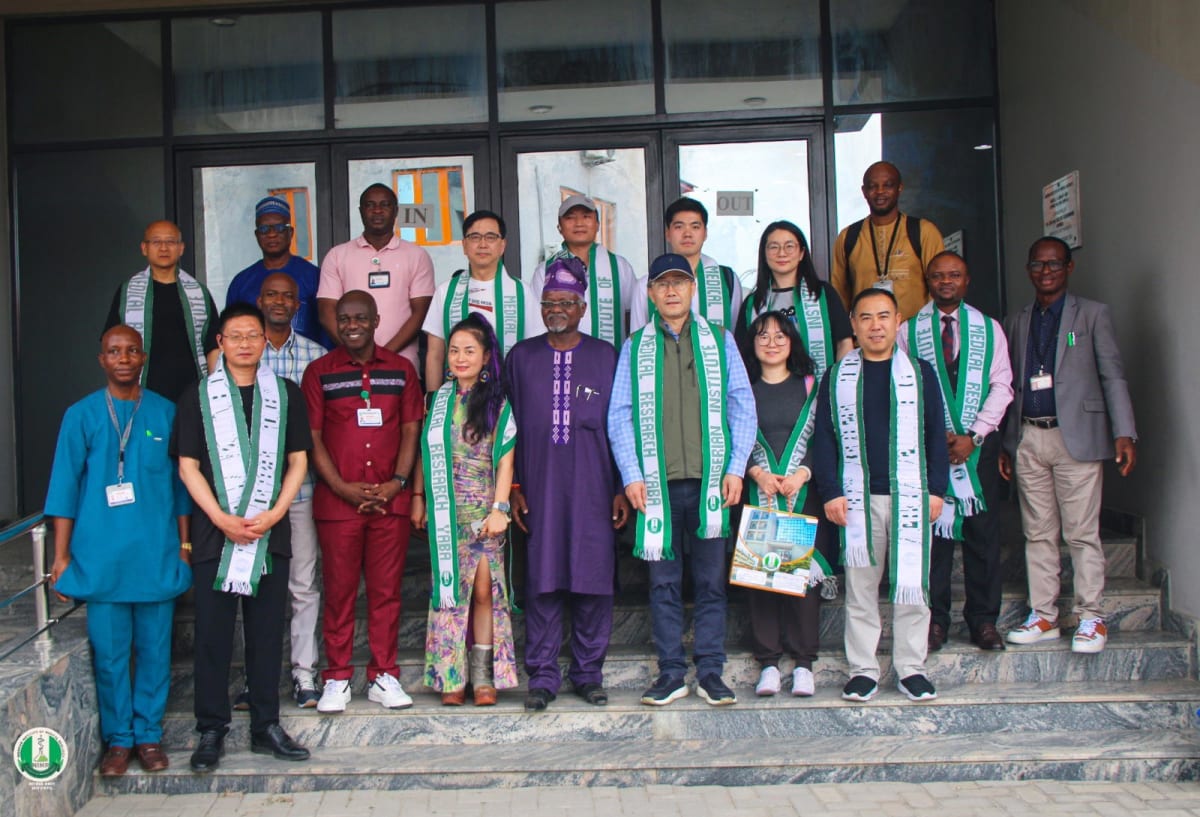
Nigeria's medical research institute has unveiled a biobank containing over 400,000 biological samples that could revolutionize how the country understands and treats diseases. The massive collection offers locally generated data that researchers say will lead to better health outcomes for millions of Africans.
After federal research funding collapsed and thousands of scientists lost their jobs, a new model of community-driven science is taking root across America. From state-funded research bonds to mobile MRI scanners in rural towns, researchers are discovering that science doesn't need ivory towers to thrive.
Librarians are breaking free from the "service provider" stereotype to become valued research partners and co-authors on scientific studies. One librarian's expertise in consumer health and digital literacy earned them spots on multiple research teams.
Scientists at Stanford, MIT, and Cambridge are using Google DeepMind's Co-Scientist AI to accelerate breakthroughs in liver disease, aging, and infectious diseases. The system helps researchers digest decades of studies in days, spotting connections humans might miss.
A coalition of major scientific organizations just unveiled a new "Trust Seal" to help readers spot reliable research in an age of AI-driven information. The community-led initiative aims to rebuild confidence in science by recognizing publications that follow the highest standards.
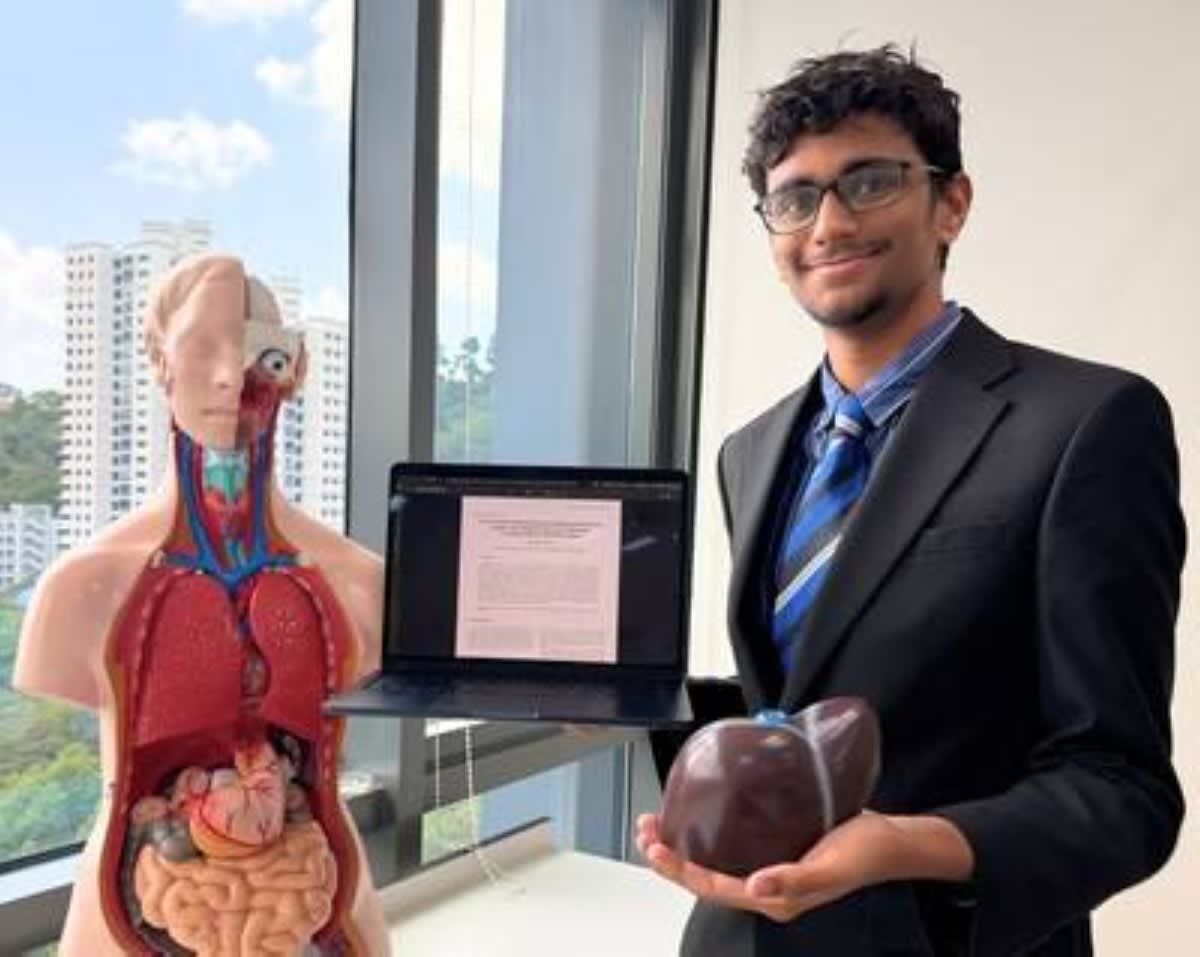
A high school junior just became a published medical researcher, analyzing surgical techniques that could help liver cancer patients live longer. His work passed the same peer review process as professional scientists.
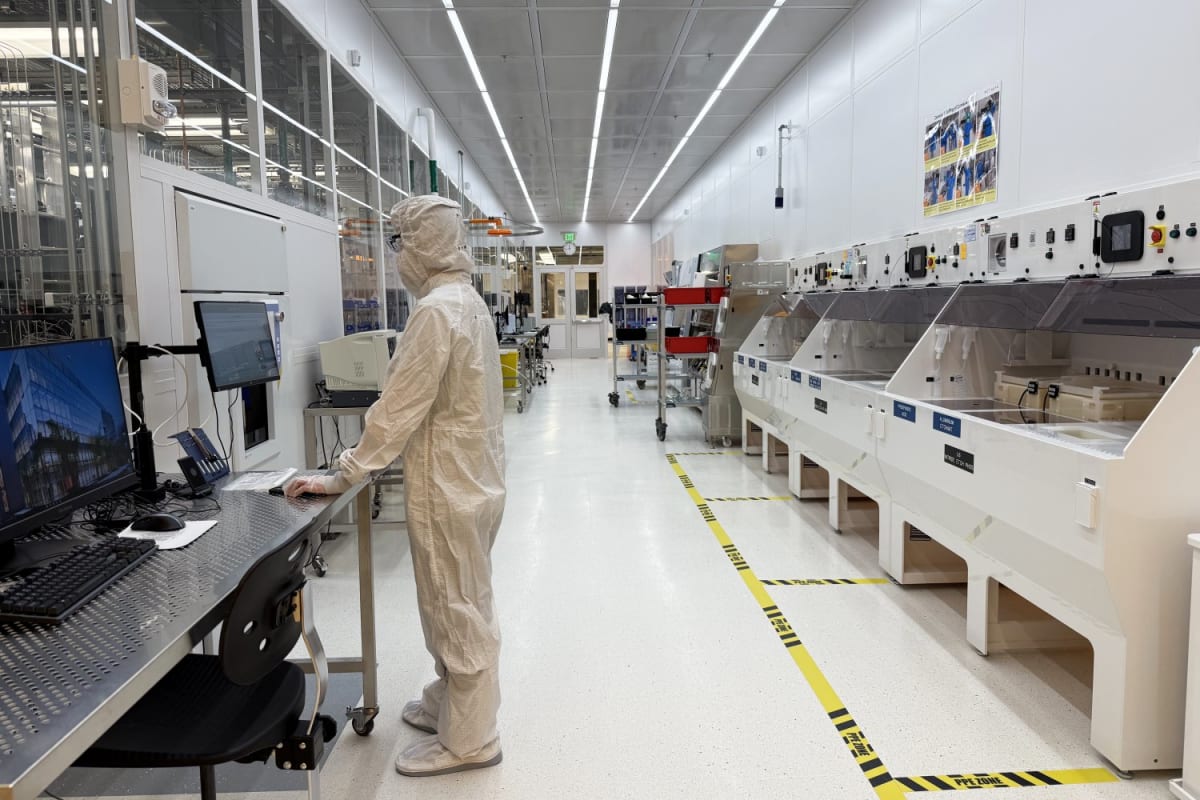
Over 1,500 researchers at MIT.nano now access 200+ advanced research tools through a streamlined system that makes cutting-edge science easier than ever. The new platform turns what used to be a scheduling headache into a seamless experience that keeps innovation moving.
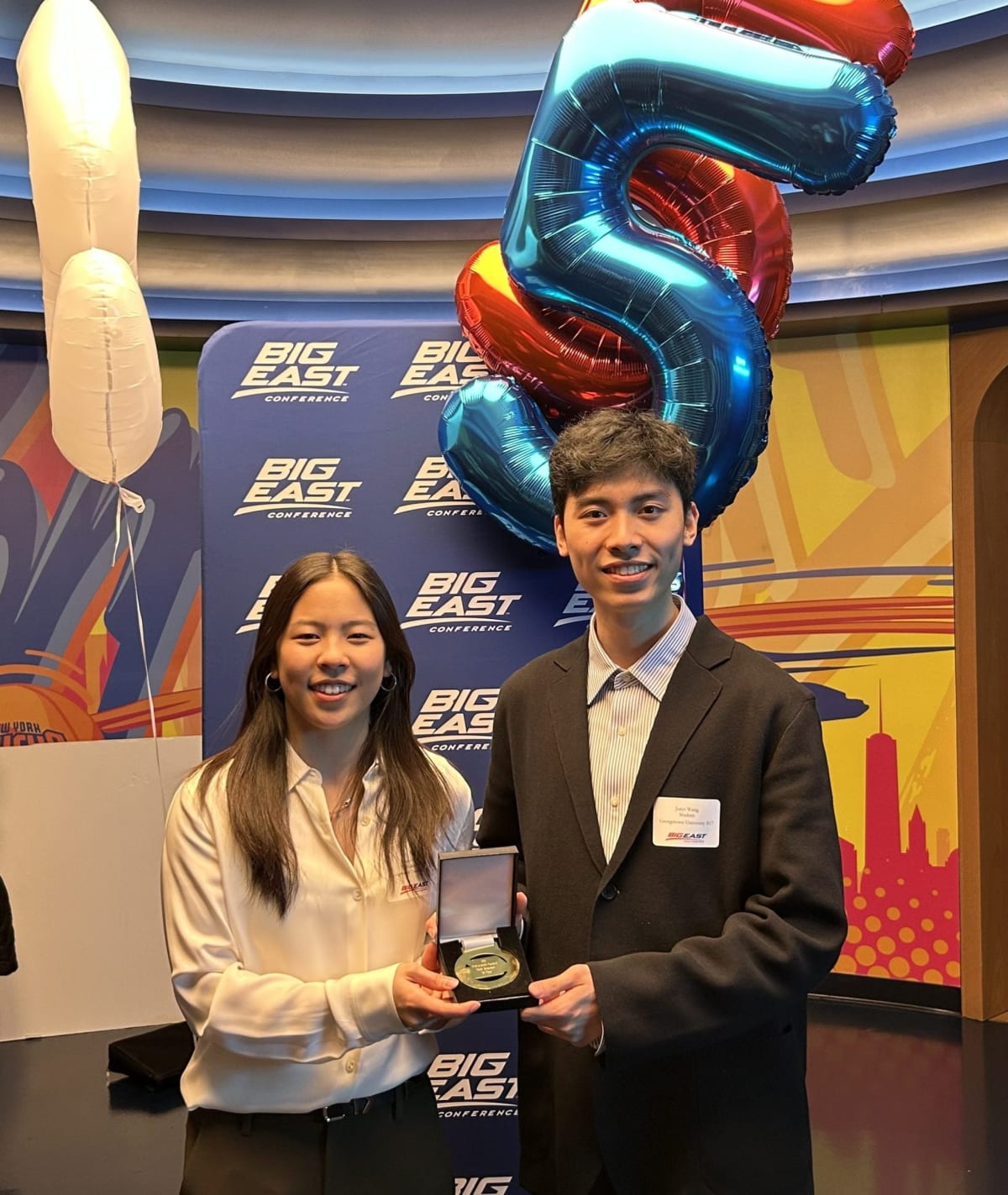
Two Georgetown undergrads took first place at a major academic competition for their groundbreaking work studying genes linked to autism. Their research using fruit flies could help identify future therapy targets for people with autism.
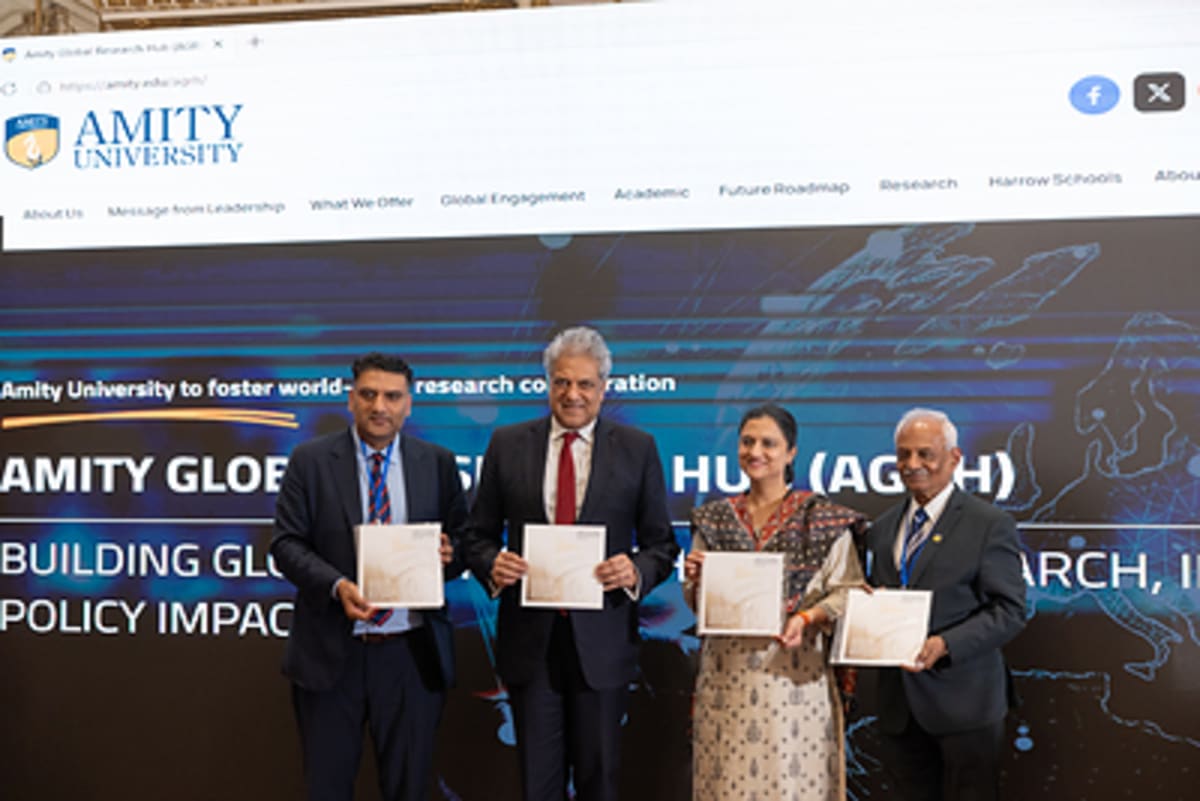
A new research center in New York just opened to connect Indian and American scientists working on challenges from healthcare to climate change. The Amity Global Research Hub will help researchers, students, and entrepreneurs collaborate on breakthrough technologies.
Showing 20 of 20635