Search

Find uplifting stories about heroes, innovations, and solutions

5 results for "navigation systems"

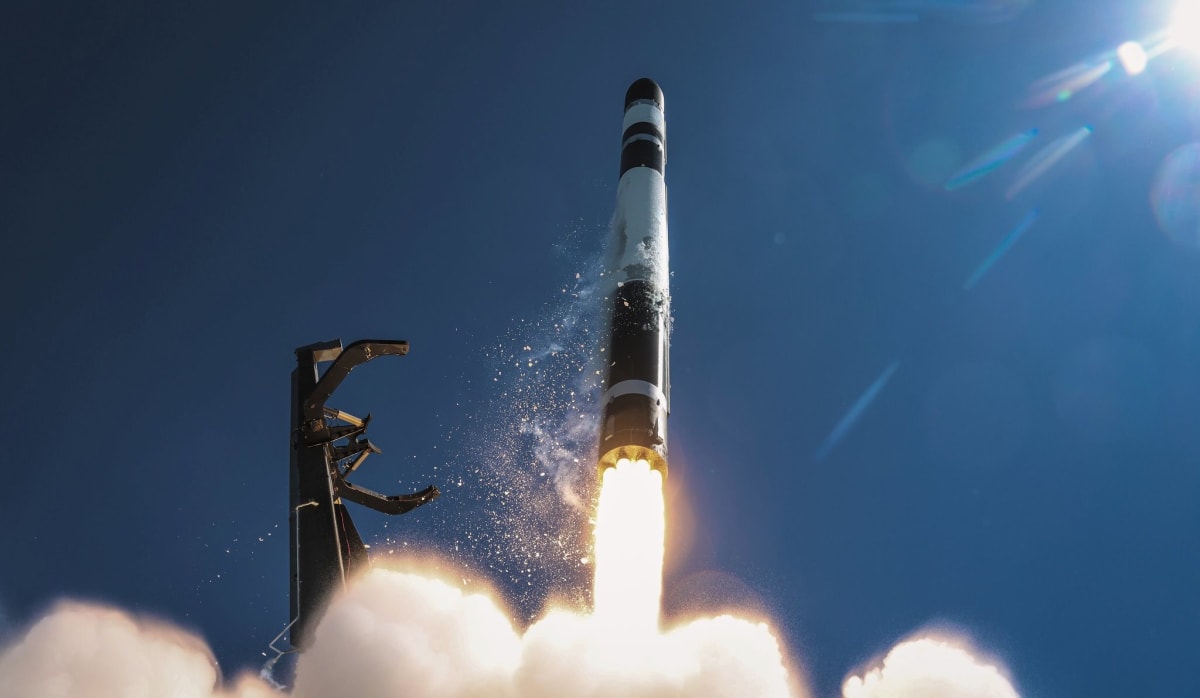
SpaceX Launches Final GPS 3 Satellite for Space Force
InnovationApr 22

SpaceX Launches Final GPS 3 Satellite for Space Force

The last of 10 next-generation GPS satellites just reached orbit, completing a years-long upgrade that will make navigation safer and more reliable for billions of people worldwide. The advanced satellite joins a constellation that powers everything from your phone's maps to airplane navigation systems.

SpaceNews3 min read
Adelaide Scientists Make GPS-Saving Atomic Clock Portable
InnovationApr 16

Adelaide Scientists Make GPS-Saving Atomic Clock Portable

Australian researchers just tested the world's first portable atomic clock at sea, protecting the GPS technology that powers $2 billion in daily global economic activity. The breakthrough could safeguard everything from pizza deliveries to critical infrastructure.

Google News - Australia Breakthrough2 min read
Australian Scientists Sea-Test Portable Atomic Clock
InnovationApr 15

Australian Scientists Sea-Test Portable Atomic Clock

University of Adelaide researchers successfully tested a portable atomic clock at sea for the first time, proving lab-level precision can work in real-world conditions. The breakthrough could revolutionize navigation and communications when GPS fails.

Google News - Australia Breakthrough2 min read
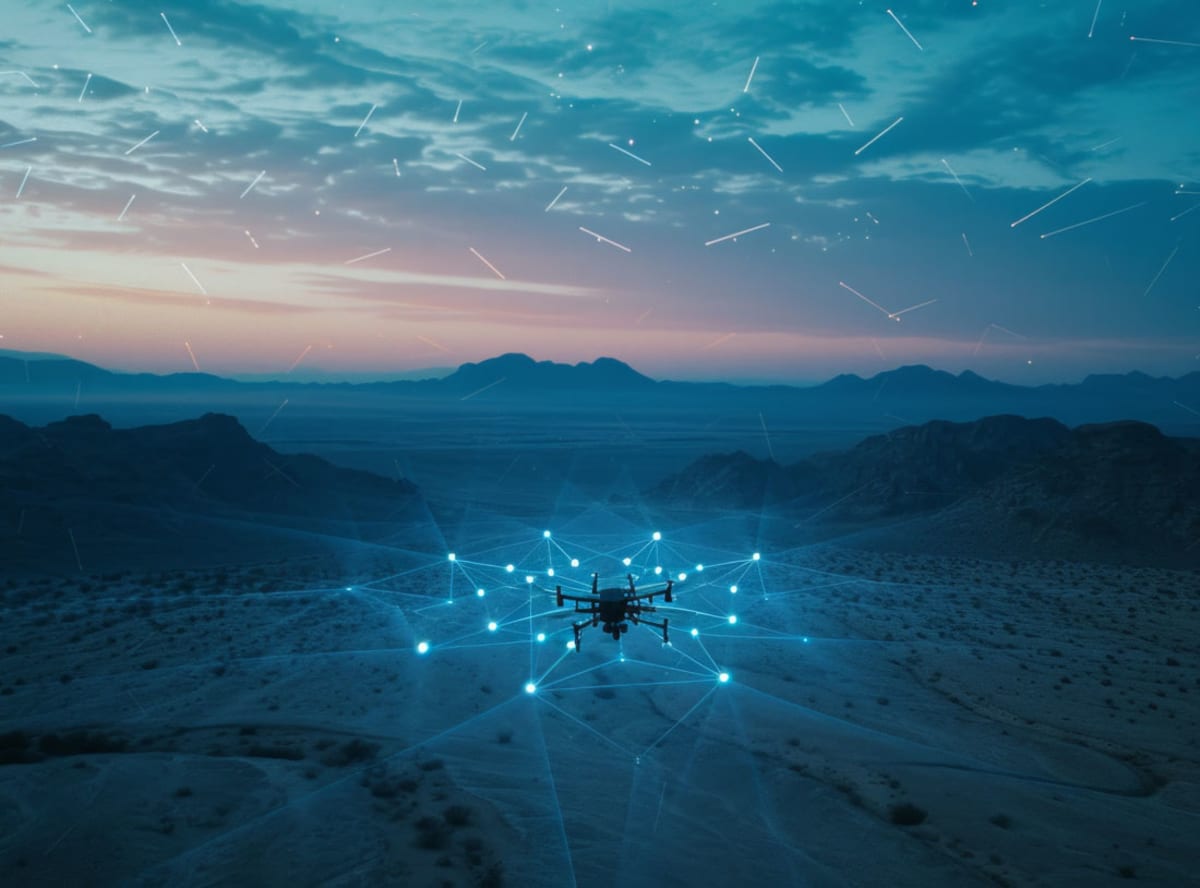
Europe Launches First Low-Orbit Navigation Satellites
InnovationMar 25

Europe Launches First Low-Orbit Navigation Satellites

Europe just took a major step toward revolutionizing GPS technology by launching its first navigation satellites in low Earth orbit. The Celeste mission could make location services faster, more accurate, and more reliable for everyone.

Space.com2 min read
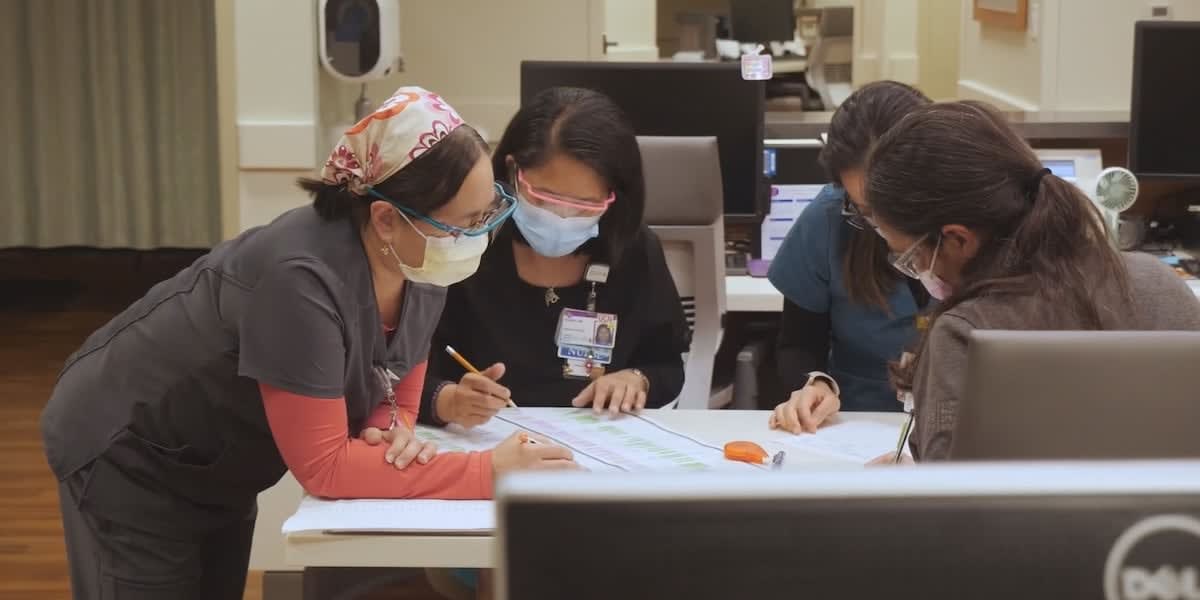
Bee Brains Inspire Chip 100x More Efficient Than Current Tech
InnovationJan 30

Bee Brains Inspire Chip 100x More Efficient Than Current Tech

Scientists are creating computer chips modeled after bee navigation systems that use 100 times less power than today's technology. The breakthrough could lead to tiny robots that clean pollution or sensors that protect the environment.

Phys.org - Technology3 min read