Scientists Create Full-Color Night Vision Glasses
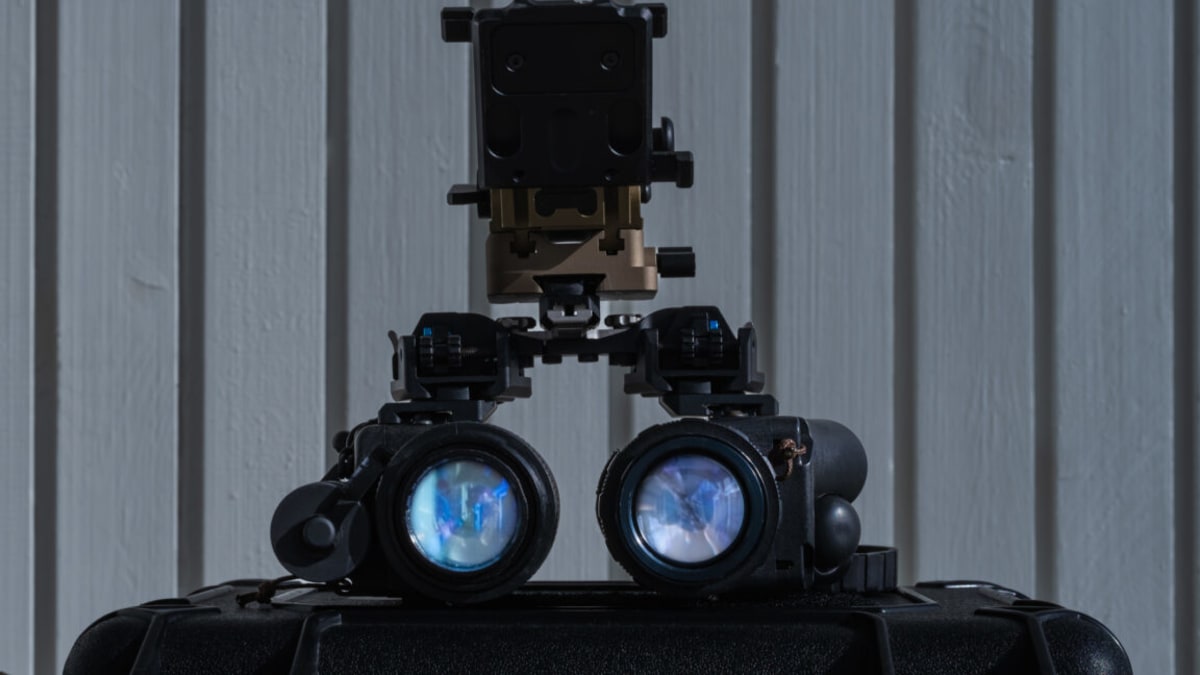
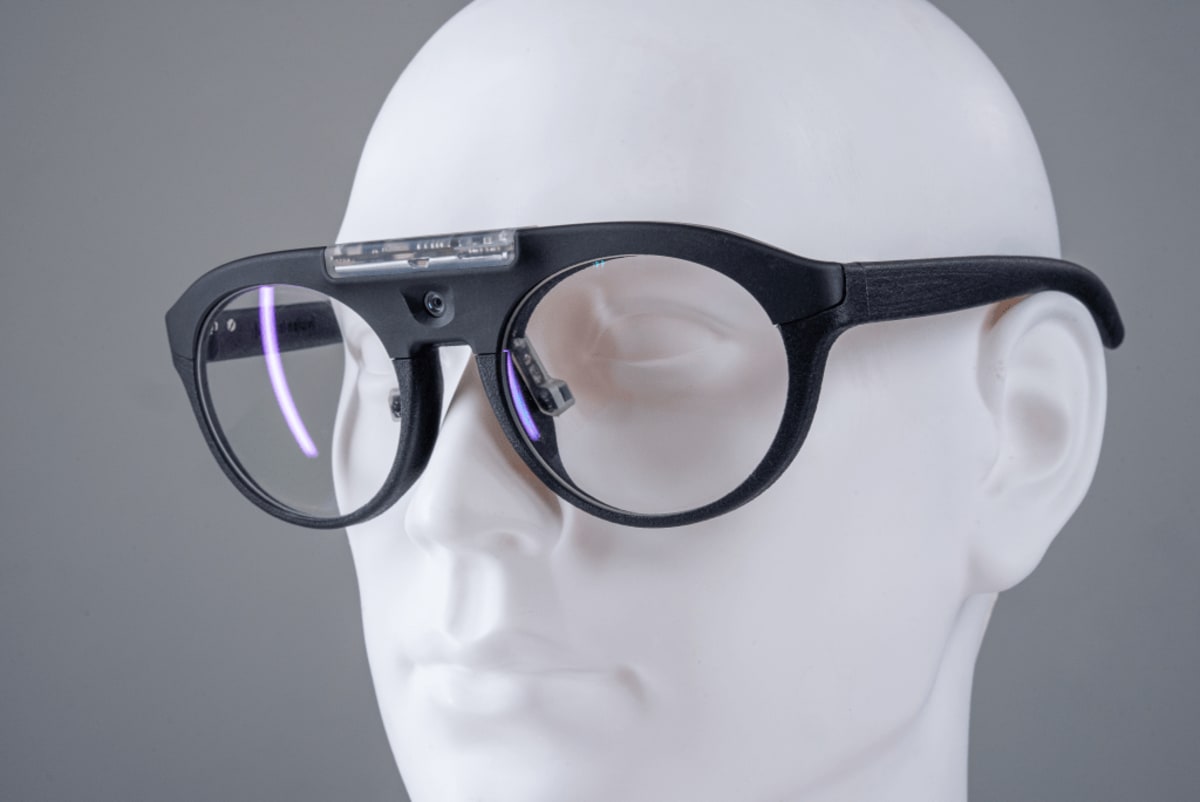
Chinese researchers built lightweight glasses that let people see infrared light in full color instead of the usual green glow. The 23-gram device could transform how we see in the dark.
Find uplifting stories about heroes, innovations, and solutions
9320 results for "night vision"

Chinese researchers built lightweight glasses that let people see infrared light in full color instead of the usual green glow. The 23-gram device could transform how we see in the dark.
When a wildfire spread across steep mountain terrain in Japan, drones equipped with night-vision technology gave firefighters eyes in the dark. The innovation helped map active flames and plan rescue operations for 150 evacuated residents.

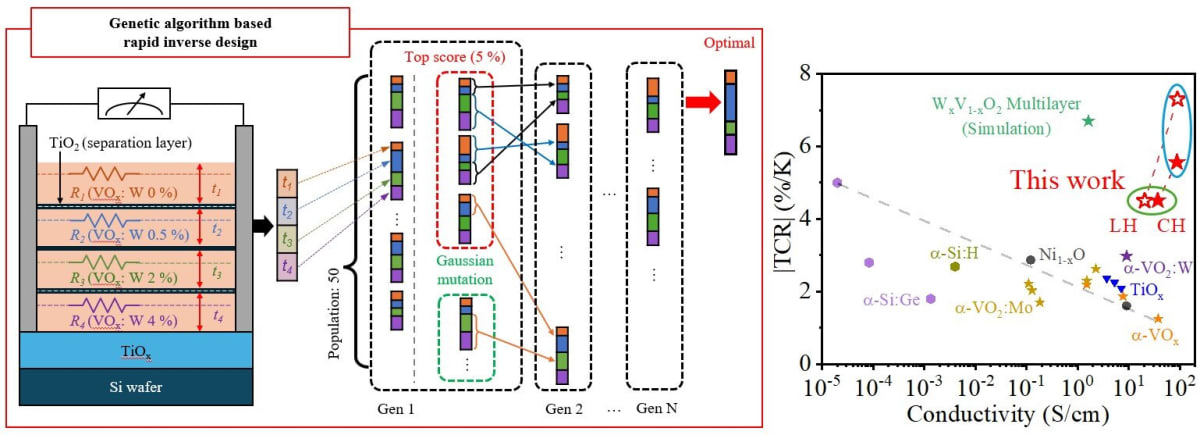
Scientists used artificial intelligence to design a new sensor material inspired by how snakes see in the dark, making infrared cameras dramatically more powerful. The breakthrough could transform everything from self-driving cars to virus detection systems.

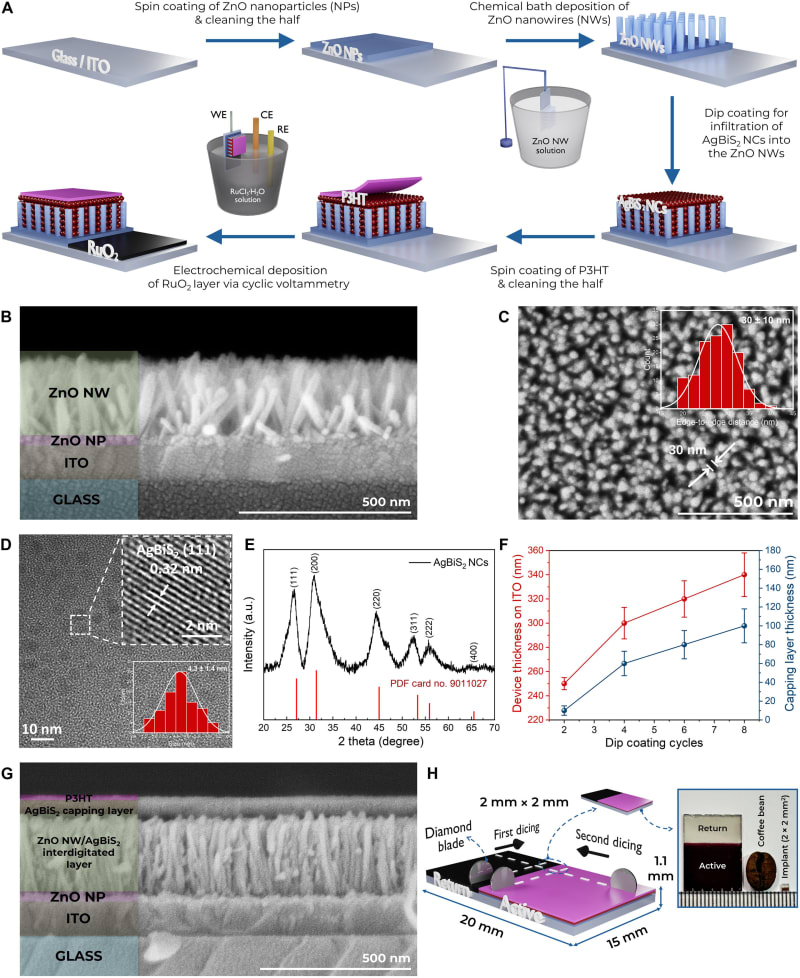
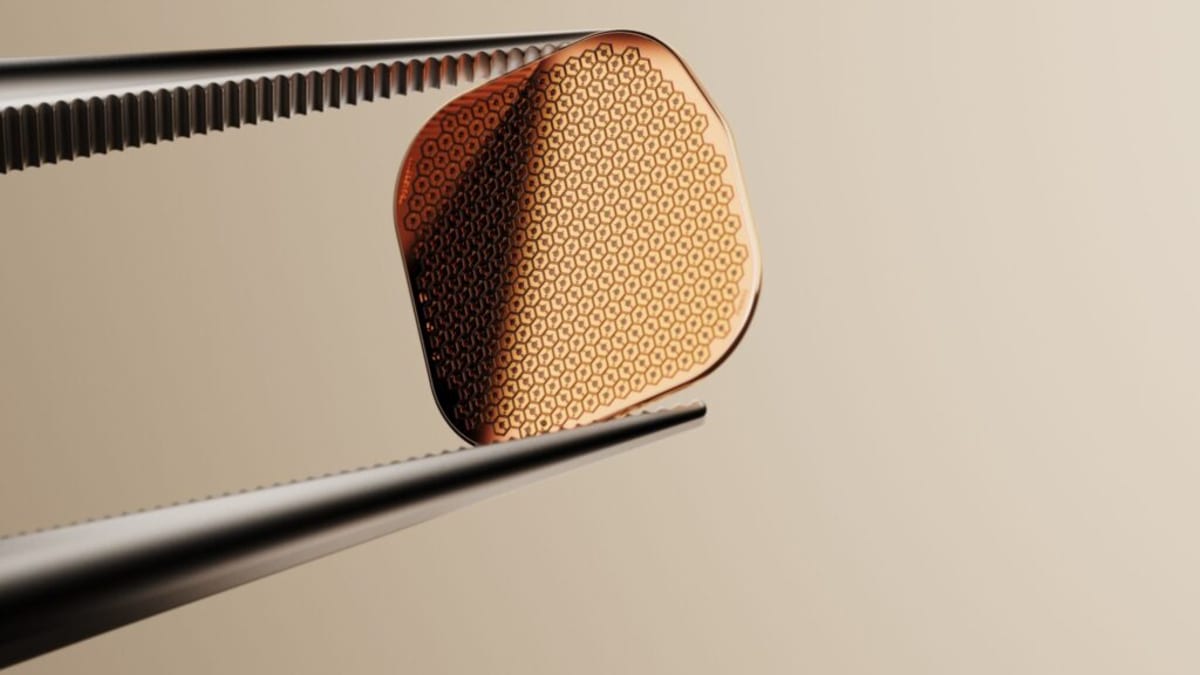
Scientists have created a wireless retinal implant thinner than a human hair that could one day restore sight to millions living with vision loss. The breakthrough device uses safe near-infrared light instead of risky visible light, eliminating the need for bulky electronics.

A man blind for three years unexpectedly recovered partial natural vision during a clinical trial for an artificial vision device in Spain. The spontaneous improvement persisted even after doctors removed the brain implant.

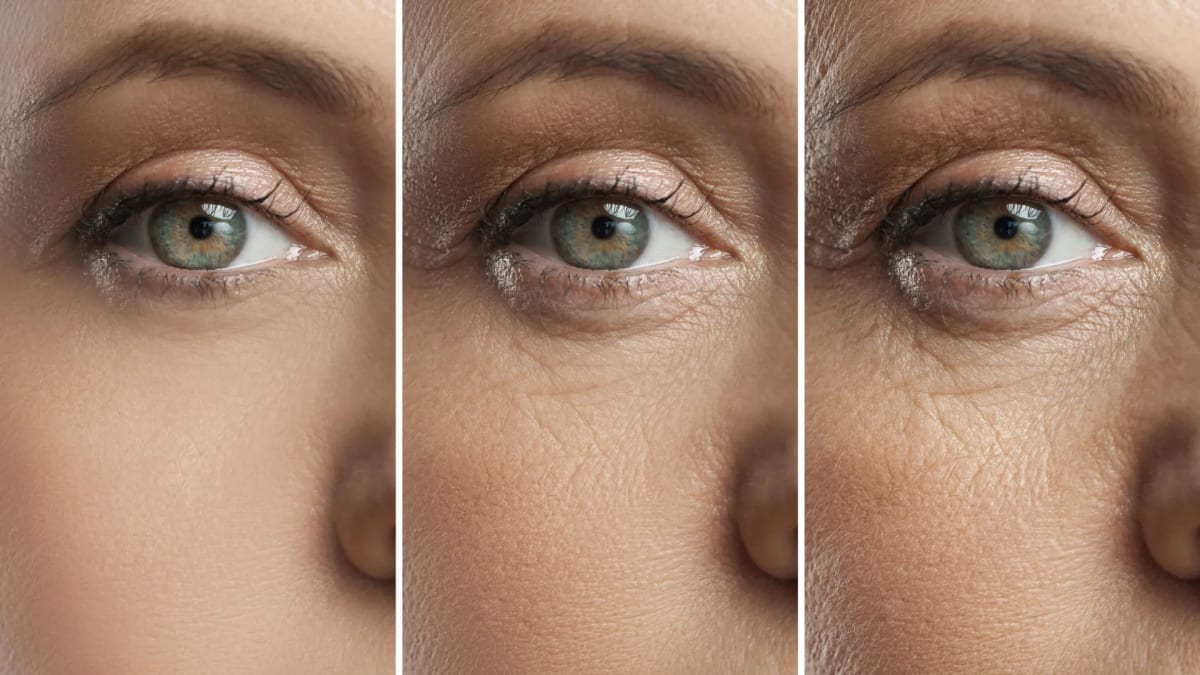
Researchers discovered a simple fatty acid injection that restores vision in older mice by targeting an aging gene. The breakthrough could help millions facing age-related vision loss and macular degeneration.

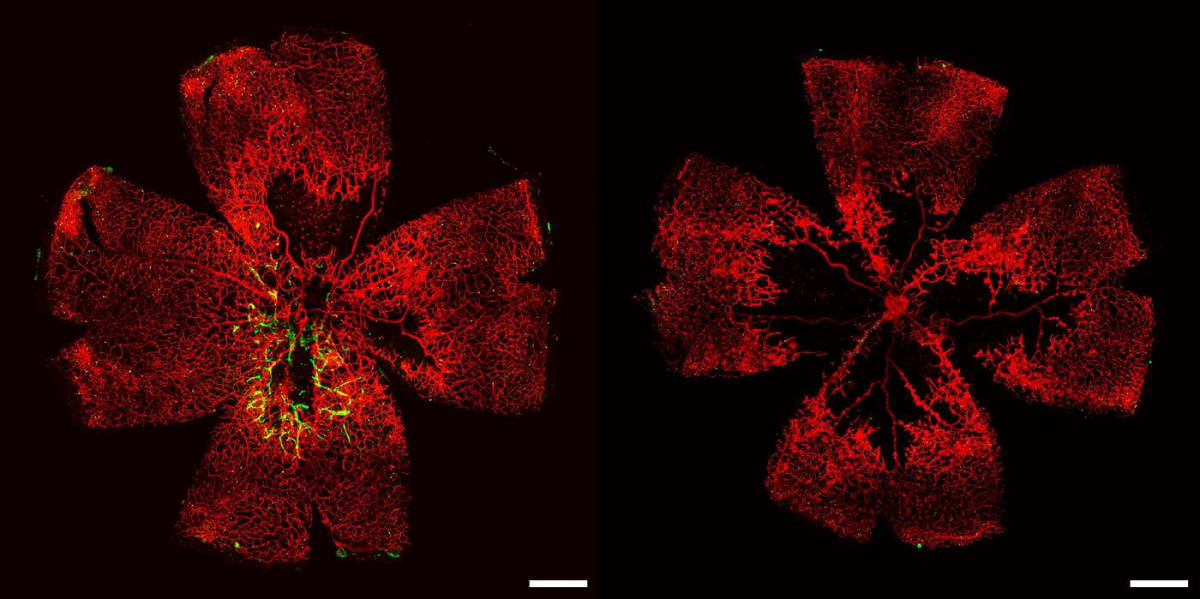
Scientists at Duke University used stem cells to grow specialized retinal blood vessel cells that restored vision in blind mice. The breakthrough could lead to affordable treatments for millions facing vision loss from diseases like diabetic retinopathy.
Wildlife lovers in India will soon experience the country's first-ever night safari, showcasing nocturnal animals in their natural active hours. The Supreme Court has approved the groundbreaking project at Lucknow's Kukrail Reserve Forest, inspired by Singapore's world-famous Night Zoo Safari.

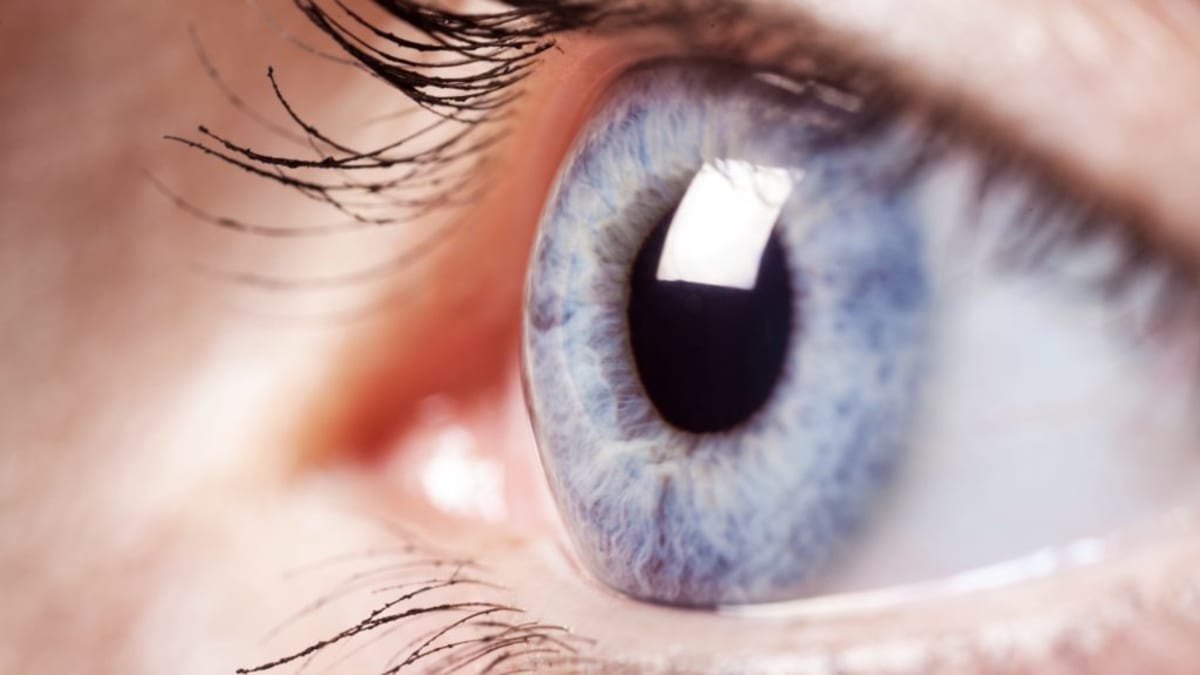
Scientists discovered hybrid eye cells in deep-sea fish that combine two types of vision previously thought impossible to mix. The finding could reshape our understanding of how vision evolved across all vertebrates.
%2Ffile%2Fattachments%2Forphans%2F5EC1B17D-F088-4C0E-A348-AE65AE487DF7_738105.jpg)
In Meadowlands, Soweto, 30 to 40 neighbors walk the streets every night as volunteers, creating a safety network that's grown from one founder's vision to multiple branches across Gauteng. These unpaid patrollers, armed only with torches and radios, represent ordinary people choosing to protect those around them.

A Texas Lions Club volunteer conducted nearly 700 free vision screenings for children this school year, catching eye problems early enough to fix them. Her work spans three counties and provides free glasses to families in need.

A retinal implant that restores vision for people with macular degeneration just got approved in Europe, letting patients read books and road signs again. Americans could access the life-changing device by 2027.
Scientists discovered that separate technologies developed over 50 years to restore sight and touch actually work nearly the same way. This breakthrough could fast-track treatments for patients with untreatable vision loss and paralysis.

Millions face vision loss from age-related macular degeneration, but simple lifestyle changes can help delay or prevent the condition. An NYU ophthalmologist shares science-backed steps anyone can take today.

A wireless eye implant that restored central vision to people with late-stage macular degeneration just secured $230 million to bring the technology to Americans. The device pairs high-tech glasses with a retinal implant to help people see again after 12 months of use.

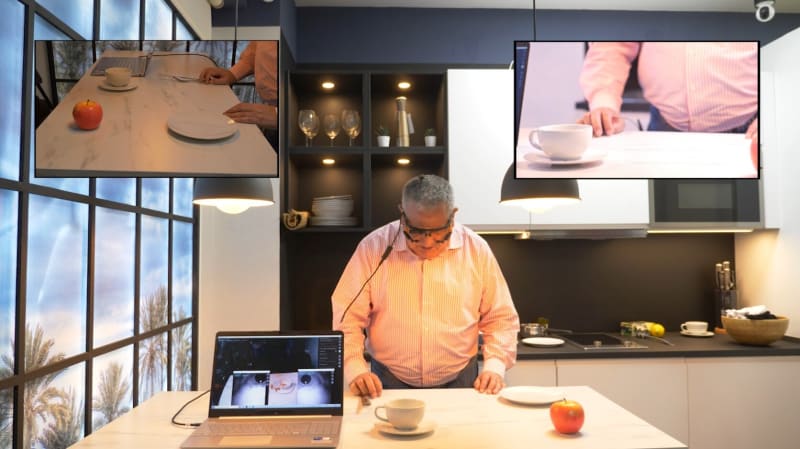
A Belgian startup just earned FDA breakthrough status for a brain implant that bypasses damaged eyes entirely to restore functional vision. Clinical trials in blind volunteers could begin as soon as summer 2027.

Star-hopping, the technique of navigating the night sky without apps, becomes easier in May when the Big Dipper sits high overhead. Astronomers are encouraging people to put down their phones and learn to navigate the stars naturally, building a mental map that lasts a lifetime.

Researchers at University of Rochester Medicine received NIH funding to develop a breakthrough treatment that could stop macular degeneration before it steals vision from millions of older adults. The new therapy targets a protein that drives the disease at its earliest stages.

Four brilliant stars form a dazzling diamond pattern across May's night sky, creating the perfect stargazing opportunity. The cosmic display includes some of the brightest stars visible from Earth, and it's waiting for you to look up.

A single injection of experimental drug Axpaxli kept vision stable for up to a year in patients with age-related blindness, potentially reducing treatment burden. The Phase 3 trial showed significantly better durability than the current standard treatment.
Showing 20 of 9320