
Artist and Composer Turn Particle Physics Into Art
A visual artist and composer will transform invisible particle physics into art the public can see and hear. Their 2026 residency at Fermilab proves science and creativity speak the same language.
Find uplifting stories about heroes, innovations, and solutions
5986 results for "particle physics"
A visual artist and composer will transform invisible particle physics into art the public can see and hear. Their 2026 residency at Fermilab proves science and creativity speak the same language.

Researchers analyzing 650 billion particle decays at CERN's Large Hadron Collider discovered behavior that defies our current understanding of physics. This breakthrough could unlock mysteries like dark matter and reshape science for generations.
OpenAI's latest model helped researchers solve a decades-old puzzle in particle physics by spotting patterns humans couldn't see. The breakthrough could reshape how scientists tackle complex theoretical problems.
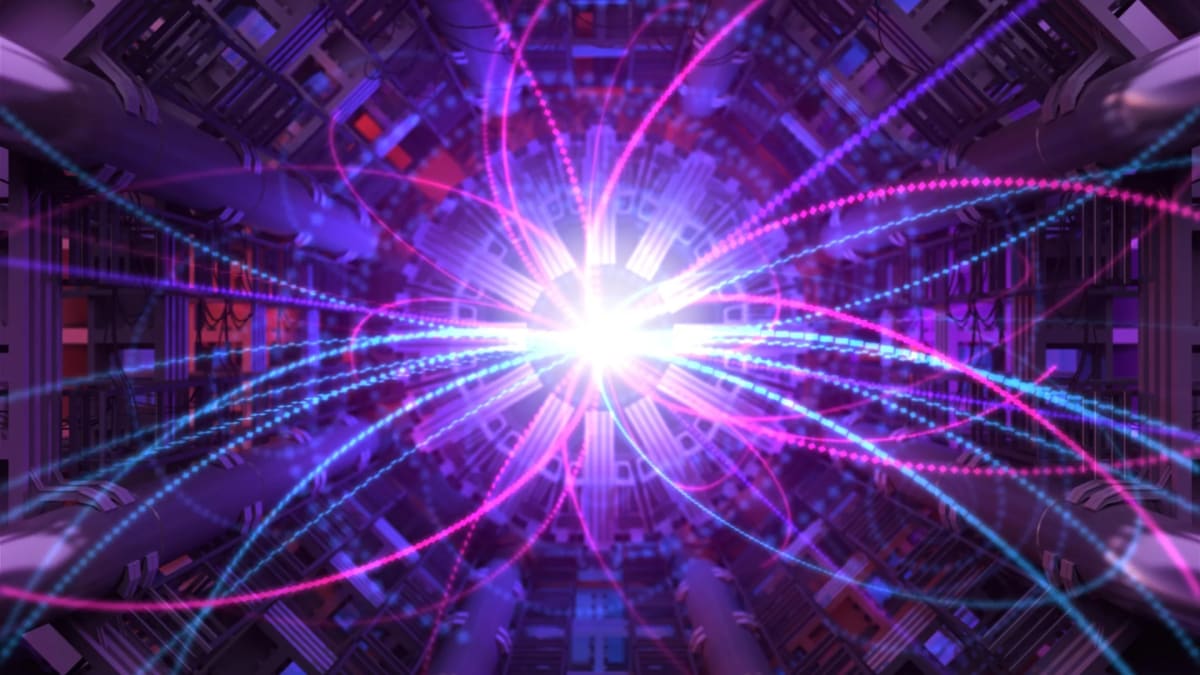
Researchers at CERN's Large Hadron Collider discovered particle behavior that defies our fundamental understanding of physics, potentially opening doors to unknown forces and particles. The findings could explain mysteries like dark matter that make up 25% of our universe.
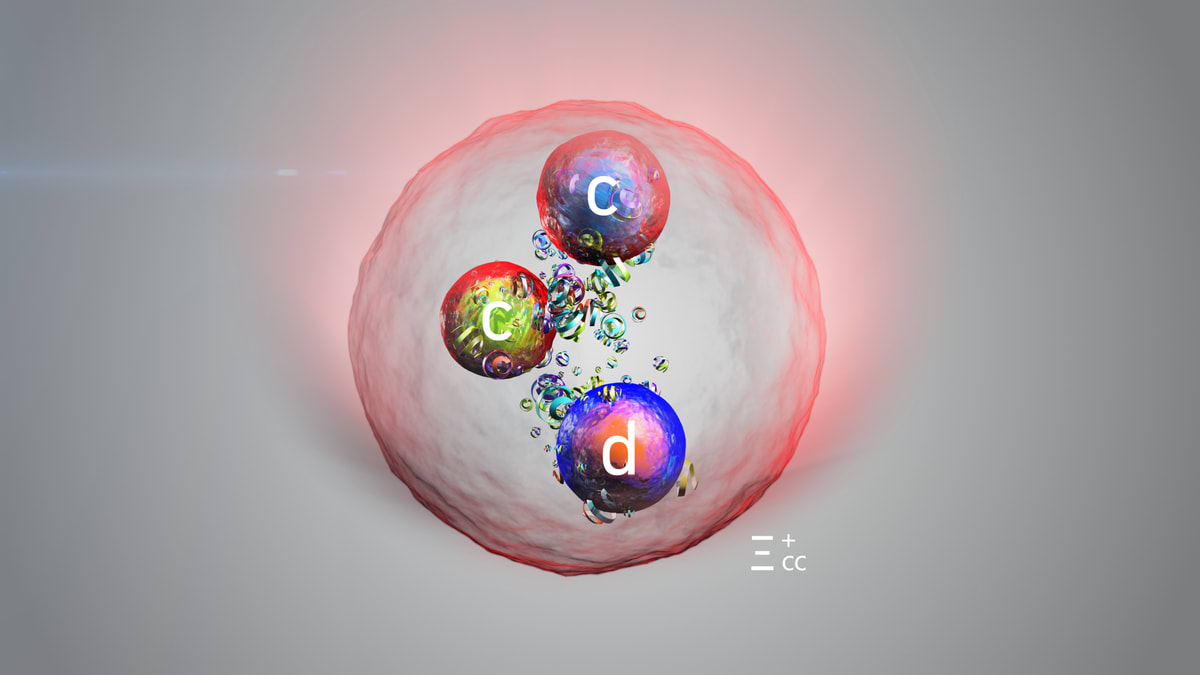
Physicists at the world's largest particle collider just found a never-before-seen building block of matter that could unlock secrets about the most powerful force in the universe. The discovery marks the 80th new particle found at the facility and is only the second of its kind ever observed.
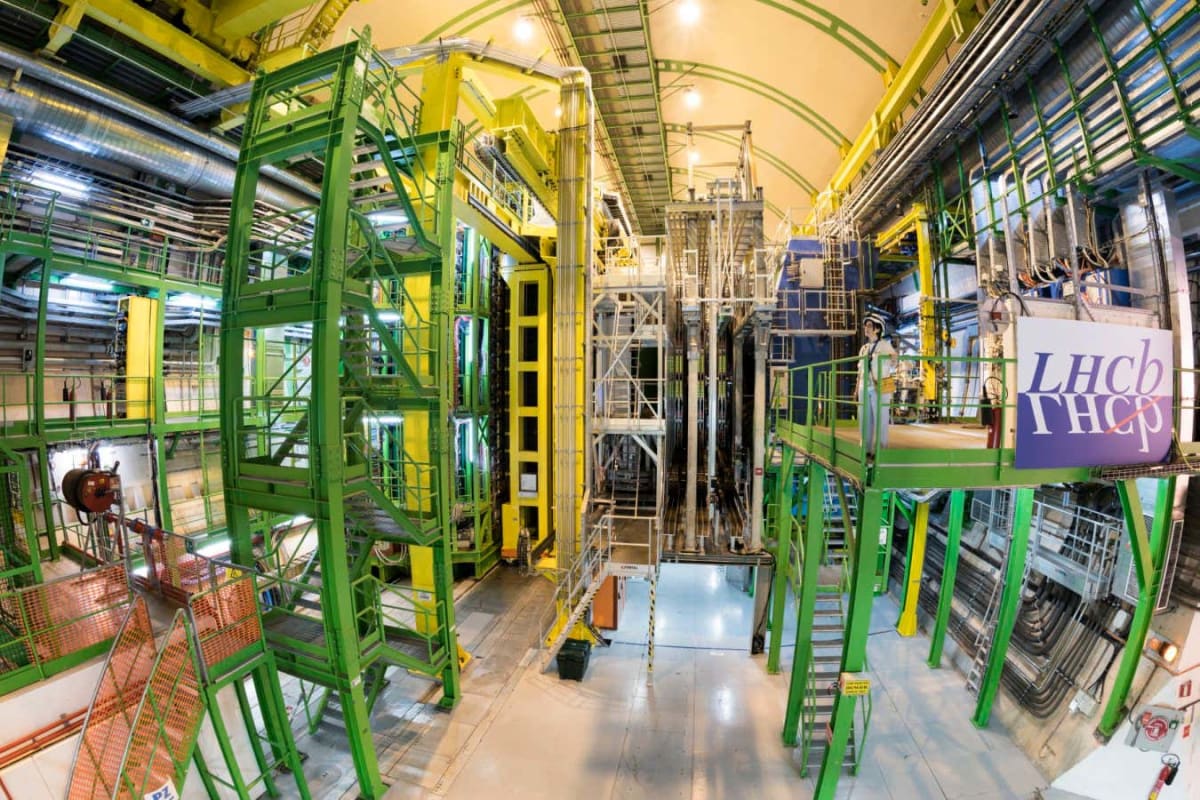
Scientists at CERN's Large Hadron Collider just found a particle that solves a puzzle from 2002, proving upgrades to the world's most powerful atom smasher are paying off. The discovery shows we can now detect particles that live for just a fraction of a trillionth of a second.
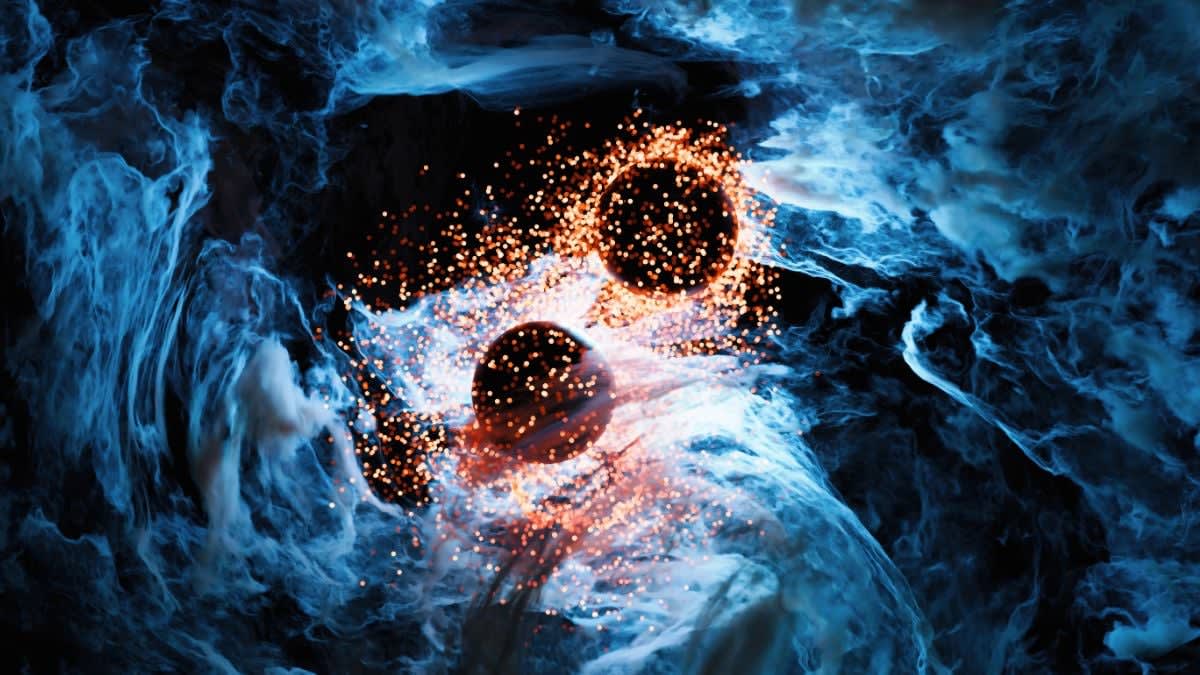
After nearly 50 years of searching, scientists in Beijing have discovered strong evidence for a "glueball," an exotic particle made entirely of force instead of matter. This breakthrough confirms a major prediction about how the universe works at its smallest scale.
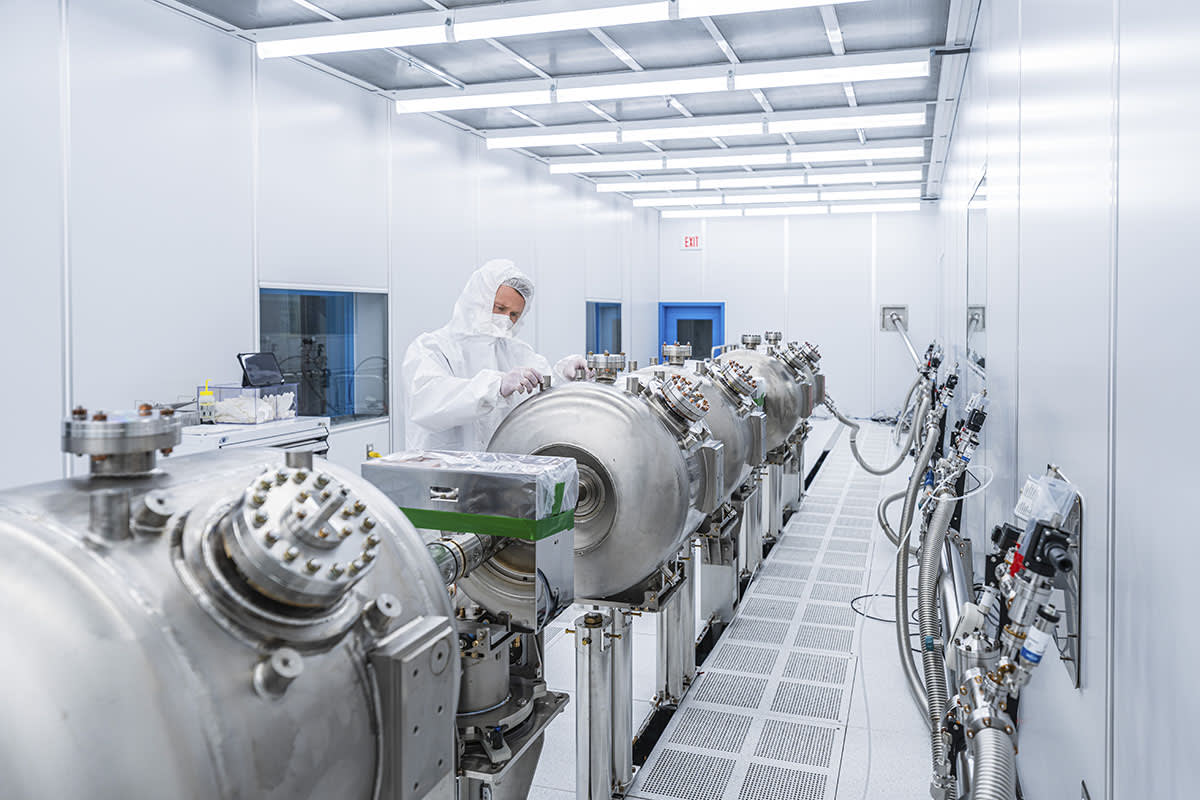
Scientists at Fermilab are using artificial intelligence to fine-tune particle accelerators, potentially saving millions in operating costs while accelerating breakthrough discoveries about our universe. The project could reshape how scientists conduct cutting-edge physics research.
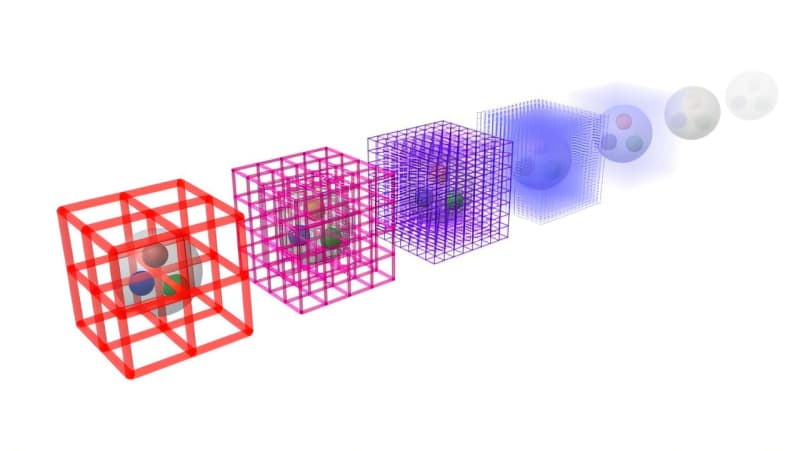
Scientists just cracked a puzzle that's stumped physicists for three decades: how to make quantum theories work better on computers. The breakthrough could transform how we understand everything from particle collisions to the Big Bang.
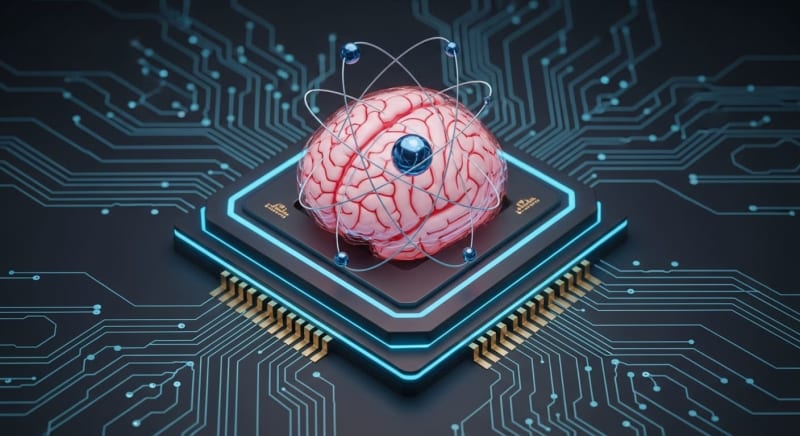
Scientists have just solved a puzzle that's stumped physicists for three decades, using artificial intelligence to make quantum simulations faster and more accurate. The breakthrough could transform how we understand everything from particle collisions to the Big Bang.

The world's leading particle physics laboratory houses a bronze statue of Lord Shiva as Nataraja, the cosmic dancer. Scientists say the ancient Hindu imagery perfectly captures the rhythm of quantum physics.

British researchers just spotted a particle four times heavier than a proton, cracking a mystery that's stumped physicists for over 20 years. The breakthrough proves that a decade of patient upgrades to the world's most powerful particle detector was worth every moment.

Scientists at CERN's Large Hadron Collider just discovered their 80th particle, a groundbreaking baryon that could unlock secrets about the forces holding all matter together. The discovery came after major detector upgrades completed in 2023.
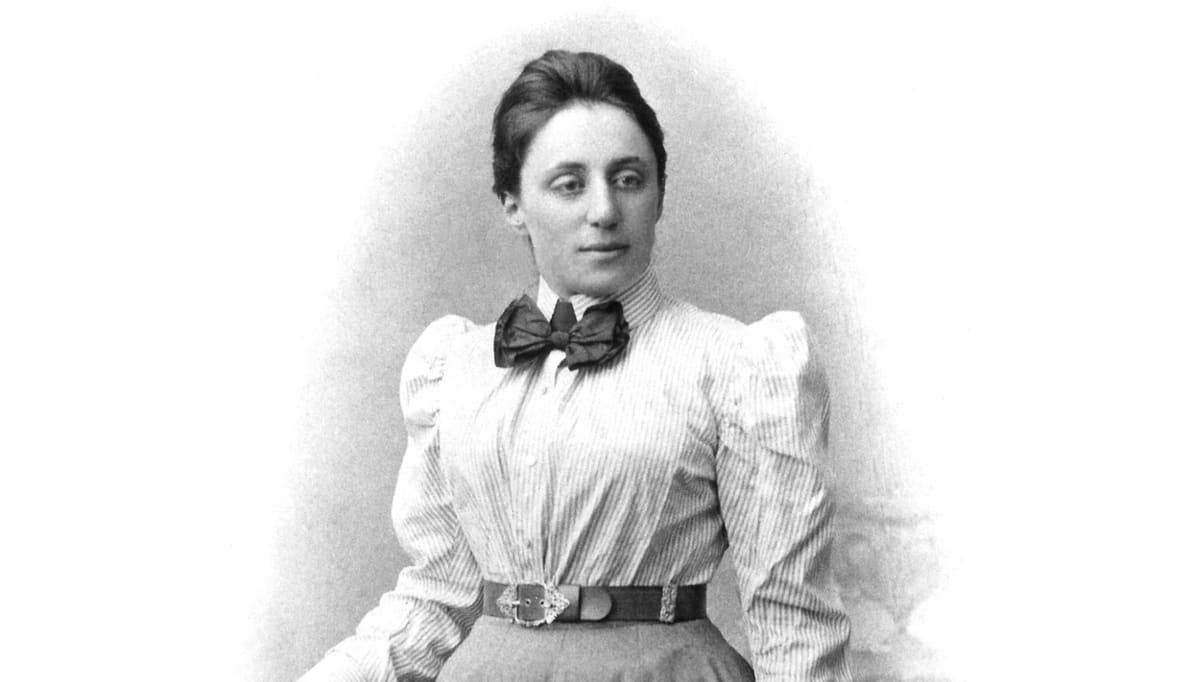
A brilliant mathematician proved the laws that Einstein relied on, predicted unknown particles, and changed physics forever. Yet Emmy Noether remains virtually unknown outside science circles.
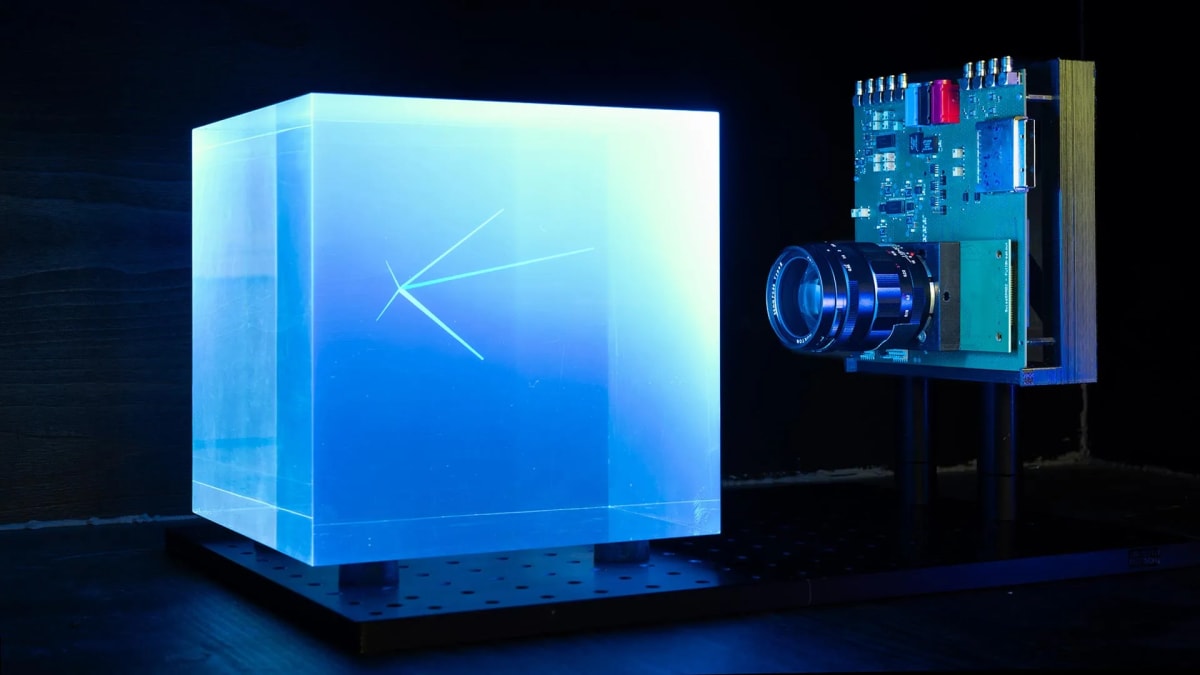
Researchers created a detector that tracks hard-to-catch particles using camera tech instead of millions of tiny parts. The breakthrough could make future physics experiments cheaper and improve medical scans.
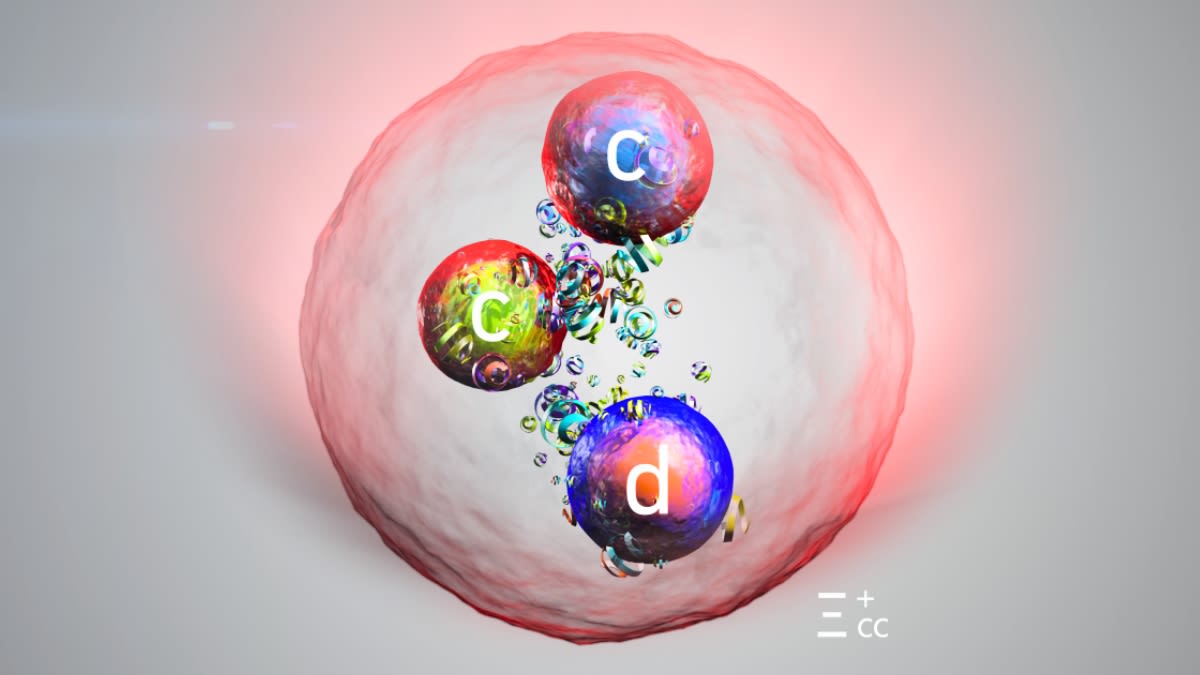
Scientists at CERN have discovered a new particle four times heavier than a proton, opening fresh insights into how the universe works. The breakthrough marks the first discovery since major upgrades to the world's most powerful particle collider.
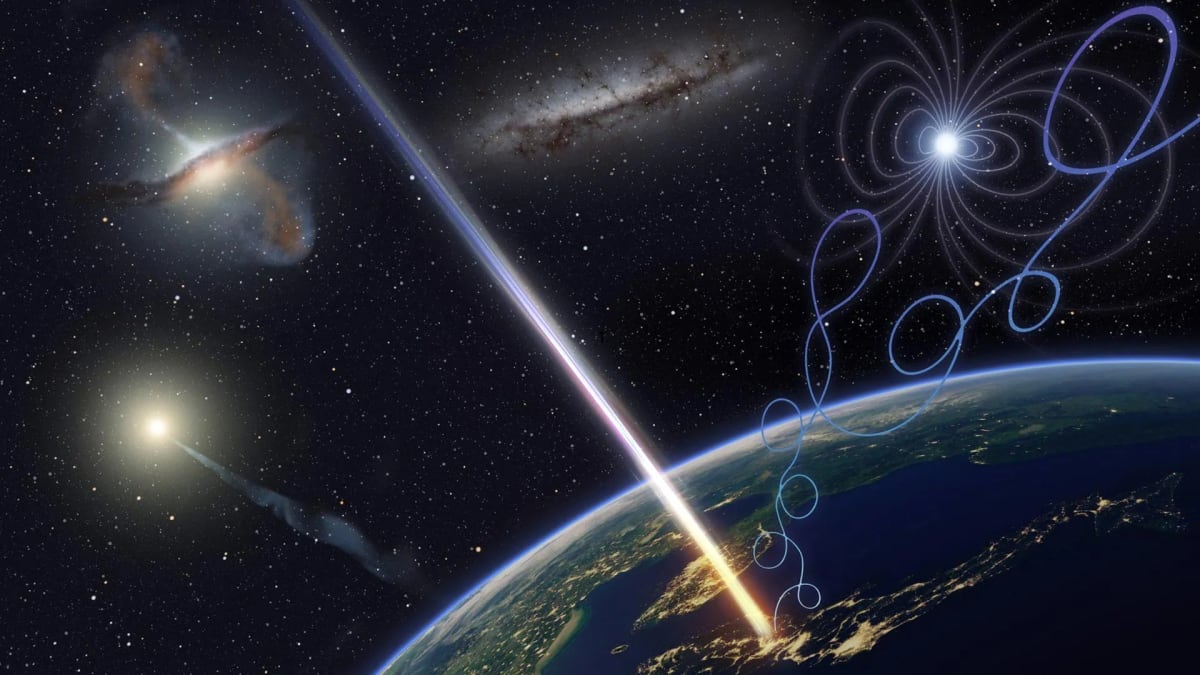
The puzzling Amaterasu particle, one of the most energetic cosmic rays ever detected, may actually be an ultraheavy atomic nucleus rather than a proton. This breakthrough could finally explain where the universe's most powerful particles come from.
A century-old physics puzzle just got solved. Scientists now have proof that light really does act as both a wave and a particle at the same time.

Lee Soo-hyung just became one of Korea's brightest scientific stars, winning the prestigious Breakthrough Prize for groundbreaking work in particle physics. The Korea University researcher will receive $3 million for helping unlock mysteries of the universe through precision experiments with subatomic particles.
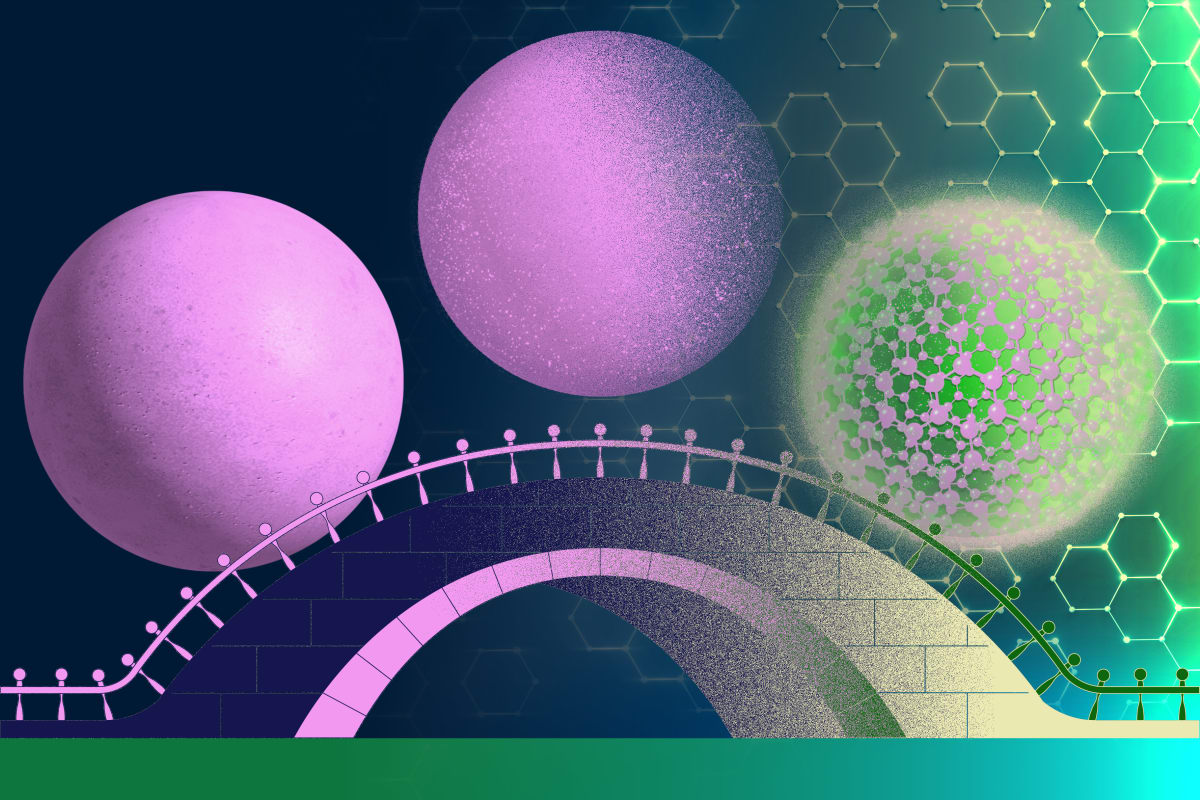
Scientists at MIT have discovered a way to describe the bizarre behavior of quantum particles using everyday classical physics equations. The breakthrough creates a new mathematical bridge connecting two worlds physicists thought were fundamentally separate.
Showing 20 of 5986